San Antonio Elderly Care

Helping Elderly Patients Heal Safely with In-Home Wound Care

When you need wound treatment without leaving your home, Dominion Mobile Wound Care brings skilled attention to your door. You keep the comfort and routine of home while trained caregivers focus on skin integrity, infection prevention, and faster healing.

Local senior services in San Antonio value independence and dignity. Your plan can include vetted caregivers, 24/7 on-call support, and flexible services that change as your needs change.

From hospital to home, our team helps reduce readmissions during the risky first 30 days after discharge. We coordinate with your family and medical providers so care stays consistent and respectful of your goals.

Expect clear steps: assessments, dressing changes, hygiene support, fall-risk checks, and family guidance on meds and follow-ups. This in-home approach blends clinical attention with compassionate care to protect fragile skin and shorten recovery.

Hire Dominion Mobile Wound Care to help heal your wounds comfortably at home with a focused, experienced team.

Key Takeaways

  • In-home wound care preserves comfort and routine while delivering clinical treatment.
  • Vetted caregivers and 24/7 support promote safety and dignity for seniors.
  • Hospital-to-home coordination lowers readmission risk in the first 30 days.
  • Personalized plans adapt as your needs change and involve your family.
  • Dominion Mobile Wound Care offers compassionate, goal-focused wound services at home.

Why In-Home Wound Care Helps You Heal Safely and Comfortably

Home-based wound management lets you maintain comfort while receiving skilled medical attention. When wound services come to your living space, you avoid stressful travel and lower exposure to clinic germs.

Personalized attention in the comfort of your home

With 1:1 care, a caregiver watches for early signs like redness or moisture and adjusts treatment to your needs. This focused attention keeps dressings, hygiene, and repositioning on schedule while protecting privacy.

Compassionate caregivers focused on dignity and independence

Dominion Mobile Wound Care matches experienced, reliable staff who respect your routines and goals. That respect boosts adherence, reduces unnecessary ER visits, and helps your loved one feel heard and safe.

  • Faster, safer healing at home with reduced infection risk.
  • Personalized plans that change as your abilities and needs evolve.
  • Clear guidance so you know what to watch for and when to call your medical team.

Ready to heal with dignity? Hire Dominion Mobile Wound Care to bring dependable, home-based attention that preserves independence and improves quality of life.

San Antonio Elderly Care

Dominion Mobile Wound Care connects local families with mobile wound expertise and prompt, respectful service.

You get senior care rooted in the san antonio community. Our team understands local resources and expectations, and we work with neighborhood providers across Bexar County to keep your plan coordinated.

Caregivers are carefully screened and trained for conditions common in older adults, like dementia, diabetes, COPD, CHF, and Parkinson’s. That means you receive focused wound service that fits your medical needs and home routine.

We stay responsive with 24-hour reachability so families know when to expect updates. A consistent caregiver helps clients keep a steady schedule for meds, dressing changes, and repositioning to support healing.

  • Flexible visits that adjust as your needs change
  • Clear communication with your family and medical providers
  • Strict hygiene and handling protocols to prevent infection

How Your In‑Home Wound Care Plan Works

Your wound care plan begins with a clear, step-by-step process that maps skin status, mobility, and home safety. Dominion Mobile Wound Care develops and executes this structured plan so you know what happens and when.
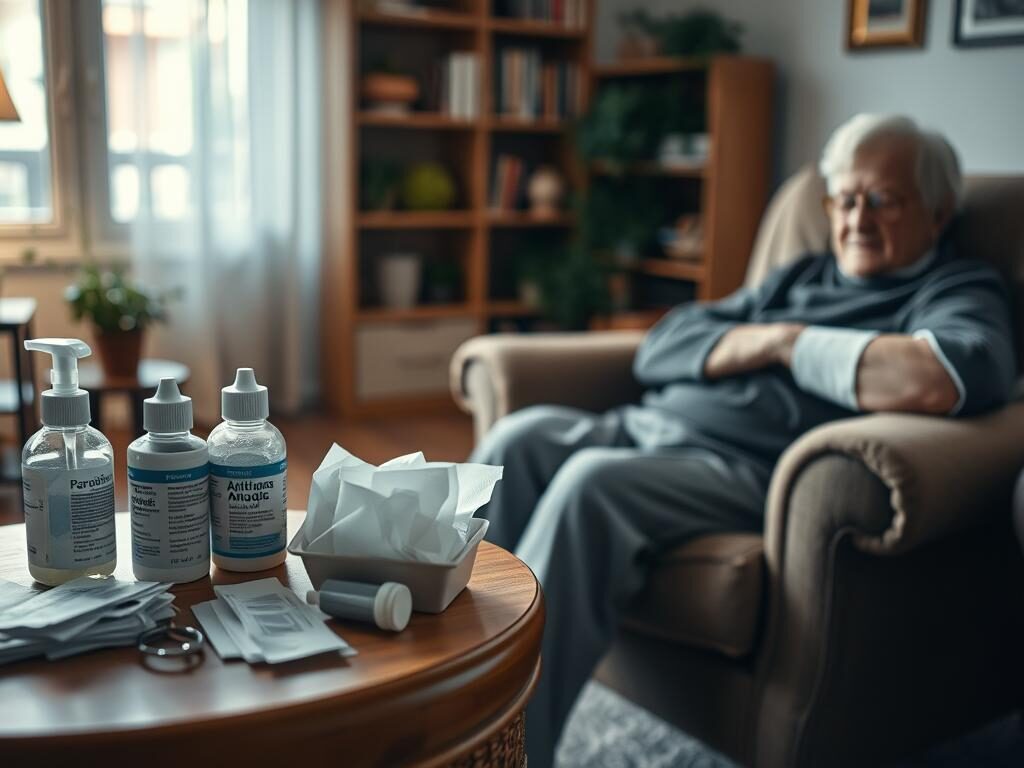
in-home wound care plan

Initial assessment: skin integrity, mobility, fall risk, and home safety

We complete a focused assessment of wound type and stage, skin integrity, nutrition, and mobility. We also check lighting, flooring, and pathways to flag hazards and reduce slips or skin tears.

Customized care plan: dressing changes, hygiene, nutrition, and reminders

Next, we set a personalized schedule for sterile dressing changes, gentle hygiene, and nutrition coaching that supports healing.

Medication organization is reviewed to lower missed doses. You get practical reminders tied to meds and meals so healing stays on track.

Collaboration with your family, geriatrician, and home health team

We coordinate with your family, geriatrician, and home care and home health team so everyone follows the same instructions.

  • Clear guidance on pressure offloading and moisture control
  • Regular attention to odor, drainage, and pain that triggers plan updates
  • Flexible services scheduled around meals, rest, and activity

Ready to move forward? Hire Dominion Mobile Wound Care and let our team document progress, adapt the plan to your needs, and keep healing steady, one visit at a time.

Home Safety and Fall Prevention to Protect Healing Skin

Simple home upgrades can make a big difference in protecting healing wounds and preventing falls. Dominion Mobile Wound Care educates you and your family on safety steps that complement in-home wound services and help preserve skin integrity.

Proven steps: grab bars, brighter lights, non-slip mats

We assess your living space for common hazards and provide assistance with practical upgrades. Install grab bars in bathrooms and handrails on stairs.

Brighter lights in hallways and night-time lighting reduce trips. Non-slip mats in tubs and on floors prevent slick surfaces that can pull at dressings.

Footwear and pathways: shoes, clutter removal, safer stair alternatives

Proper footwear—closed-back shoes or non-slip socks—improves traction during transfers. Clear clutter, secure cords, and widen pathways for mobility devices.

When possible, plan routes that avoid stairs. If stairs are unavoidable, add sturdy handrails and good lighting to lower the risk.

Balance support and daily routines that reduce risk

Daily activities should build strength and balance without stressing healing tissue. We teach safe bathroom transfers, seated bathing setups, and towel placement to avoid shearing.

Our guidance includes reachable storage, night lights, and mapped device pathways for oxygen or mobility aids. With consistent support, you gain confidence moving around your home while protecting healing skin.

  • We assess risks and recommend grab bars, brighter lights, and non-slip mats.
  • Footwear matters: choose closed-back shoes or non-slip socks for safer transfers.
  • Clutter-free paths: clear routes for walkers, wheelchairs, and hoses to prevent trips.
  • Routine focus: safe activities and transfers that protect wounds and preserve progress.

Chronic Conditions That Affect Wound Healing

When ongoing health issues are present, wound recovery needs more focused monitoring and routines. Dominion Mobile Wound Care tailors plans to complex profiles and coordinates with your providers to keep healing on track.

Diabetes: daily skin checks, foot care, and blood sugar reminders

Daily checks and foot inspections reduce unnoticed wounds. Experts advise blood sugar monitoring, routine blood pressure checks, and yearly eye exams.

We set simple reminders for glucose checks and hygiene. Proper footwear and neuropathy screening lower risk of complications.

Dementia and memory loss: gentle cues, structured routines, and safety

A caregiver uses gentle cues, clear steps, and predictable schedules so essential tasks are not missed. Visual prompts for hydration, snacks, and medication help protect healing skin.

COPD and heart issues: oxygen safety, nutrition, and energy‑conserving care

Short, efficient visits with rest breaks keep activity safe. Oxygen safety includes hose routing, flame avoidance, and stable staging away from trip zones.

We review medication organization and watch for fluid changes or infection that could signal heart strain. Loved ones receive clear instructions so the ones they support stay consistent day to day.

  • Diabetes: skin checks, foot care, and glucose reminders.
  • Dementia: cues, routines, and safety prompts from your caregiver.
  • Heart/COPD: energy‑saving tasks, oxygen safety, and nutrition support.

Medication Guidance, Appointment Reminders, and Wellness Support

Keeping medicines, visits, and notes organized reduces stress and speeds healing at home. Dominion Mobile Wound Care helps you line up medication timing with dressing changes so pain relief and antimicrobial action work when you need them most.

medication reminders

Medication reminders that align with your geriatric plan

Our caregivers set simple pill organizers, clear labels, and timed reminders to cut missed doses and duplications. We also coordinate with your pharmacy to arrange mailed prescriptions when travel is hard.

Supporting Medicare Wellness visits and preventive screenings

We help you prepare for Medicare Annual Wellness Visits by bringing updated wound notes, medication lists, and questions for your provider.

  • We align meds with dressing changes to improve pain control and antimicrobial timing.
  • Reminders for vaccines and screenings help reduce infection risks that slow healing.
  • Your caregiver can record vitals and symptom changes to share with clinicians.
  • Refill coordination and mailed prescriptions save you time and worry.

With practical support and reliable services, you spend less time on logistics and more time healing. Hire Dominion Mobile Wound Care to get consistent medication guidance and appointment support that brings peace mind to you and your family in san antonio.

From Hospital to Home: Reducing Readmissions While You Heal

A focused aftercare plan in the first days at home helps prevent setbacks and keeps healing on track. Dominion Mobile Wound Care emphasizes safe transitions so you leave the hospital with a clear plan and steady support.

We review your discharge packet line by line so your in-home care follows surgical and hospital wound protocols precisely. The process includes scheduling early follow-ups, confirming supply deliveries, and syncing dressing changes with clinician guidance.

Time is critical after discharge. We prioritize the first 72 hours with structured visits and clear communication to lower readmission risk and give you peace.

24/7 coverage options and check‑ins that keep you on track

  • Red flag monitoring: our team watches for fever, rising pain, or drainage changes and escalates quickly to prevent avoidable readmissions.
  • Daily routines: we coordinate with your family to balance rest, nutrition, hydration, and short walks so healing advances without stress.
  • Flexible support: check‑ins and increased night visits are available if concerns arise during higher‑risk times.
  • Clear summaries: families receive concise visit notes so everyone knows what went well and what needs attention next.

Hire Dominion Mobile Wound Care to bring coordinated home care services that help you follow the plan, reduce readmission risk, and feel supported while you recover in san antonio.

Support for Families and Caregivers in San Antonio

Trusted in‑home assistance gives family caregivers the freedom to rest while healing continues. Dominion Mobile Wound Care offers flexible respite care options so you can step away without worry.

Respite care can be scheduled hourly or around the clock. This lets you attend appointments, work, or take a needed break while your loved one keeps receiving timely dressings, nutrition help, and skin checks.

Respite care options that give you peace of mind

You get clear communication and trained caregivers who follow the wound plan and clinician instructions. That consistency prevents missed steps and keeps clients on a steady path to recovery.

  • If you’re a family caregiver, respite care lets you recharge while your loved one’s wound care stays safe and consistent.
  • Flexible services ensure on‑time dressings, hydration, and meal support when you’re away.
  • We train our caregiver team on your preferences so routines stay familiar to your loved ones.
  • Consistent updates and reachable staff bring peace and reduce the chance that small issues grow into crises.

Hire Dominion Mobile Wound Care for layered assistance, clear coordination with senior care san providers, and the practical support your family needs to make home healing sustainable.

Conclusion

Your healing works best when expert attention fits into your normal routines and home life.

You deserve attentive senior care that brings focused wound attention to your living space with minimal disruption to daily activities. Our team aligns assessment, dressing changes, nutrition, and safety with your health goals so you heal the right way.

We tailor in‑home care and home care routines to your needs. Your caregiver follows disciplined protocols that respect aging skin, reduce infection risk, and support mobility and circulation. Families and clients value clear communication, practical assistance, and calm support that brings peace of mind.

When you’re ready to move forward, Dominion Mobile Wound Care is ready to help. Hire Dominion Mobile Wound Care to help heal your wounds.

FAQ

What is in-home wound care and how can it help you heal safely?

In-home wound care brings licensed nursing and trained caregivers to your home to manage dressings, monitor healing, and reduce infection risk. You receive personalized attention in familiar surroundings, which supports comfort, adherence to treatment, and faster recovery while minimizing hospital visits and readmission risk.

Who performs wound care visits in the home?

Skilled nurses typically handle clinical tasks like assessment, dressing changes, and wound cultures. Certified caregivers support hygiene, mobility, meal prep, and reminders. Your geriatrician and home health team coordinate care to keep everyone informed and aligned with your treatment plan.

How is a wound care plan customized for your needs?

Care begins with an initial assessment of skin integrity, mobility, fall risk, nutrition, and home safety. From there, clinicians create a tailored plan that covers dressing schedules, hygiene, nutrition support, medication reminders, and activity modifications to protect healing skin.

Can wound care at home help prevent falls that might reopen wounds?

Yes. Home wound programs include safety checks and fall‑prevention steps such as grab bars, brighter lighting, non‑slip mats, clearing pathways, and recommending proper footwear. Caregivers also support routines and balance exercises that reduce risk.

How do chronic conditions affect wound healing and what support is provided?

Conditions such as diabetes, dementia, COPD, and heart disease slow healing. Your team will help with daily skin checks, blood sugar reminders, oxygen safety, nutrition guidance, and gentle cues for those with memory loss so healing stays on track.

Will someone remind you about medications and medical appointments?

Yes. Medication reminders are part of most plans and align with your geriatric care plan. Caregivers can also help schedule and accompany you to Medicare Wellness visits and preventive screenings to support long‑term recovery.

How does in-home care reduce the chance of hospital readmission after discharge?

By following discharge instructions, ensuring aftercare adherence, and providing regular check‑ins or 24/7 coverage options, in‑home wound care reduces complications and catches issues early so you avoid unnecessary readmissions.

What role do family members play in the care process?

Families collaborate with the care team during assessments and care planning. You and your loved ones receive education on dressing changes, signs of infection, nutrition, and safety measures so you can support healing between visits.

Are respite care options available for family caregivers?

Yes. Respite care gives family caregivers scheduled relief while trained staff continue wound care, household support, and companionship. This helps prevent caregiver burnout and ensures consistent care for your loved one.

How do you ensure comfort and dignity during wound care at home?

Caregivers focus on compassionate care, preserving independence and privacy. They use respectful communication, address pain and comfort needs, and adapt routines to your preferences while following clinical best practices.

How do you monitor progress and know when healing is occurring?

Progress is tracked through regular assessments, photo documentation, and measurements of wound size and appearance. The care team communicates updates to you and your geriatrician and adjusts the plan if healing stalls or complications arise.

What should you do if you notice signs of infection between visits?

Contact your care team or primary provider immediately if you see increased redness, swelling, warmth, foul odor, drainage, fever, or increased pain. Prompt attention helps prevent complications and supports timely treatment.

How is nutrition addressed to support wound healing at home?

Care plans include nutrition guidance to ensure adequate protein, vitamins, and hydration. Caregivers can help with meal prep, shopping, and reminders to eat and take supplements prescribed by your provider to speed recovery.

wound care insurance coverage

Does Insurance Cover In-Home Wound Care in San Antonio

This short guide explains how in-home and outpatient treatment works under Medicare and related plans in San Antonio.

Medicare generally pays for medically necessary services at home, outpatient clinics, or hospitals. Part A applies when a patient needs inpatient or skilled nursing facility care. Part B handles outpatient treatment, specific supplies, and clinician visits.

Readers will learn which therapies and supplies are typically covered, how Original Medicare compares to Medicare Advantage plans, and which costs patients commonly face in 2025. The guide previews deductible and coinsurance numbers so families can plan for out-of-pocket expenses.

Dominion Mobile Wound Care works within Medicare rules to deliver timely, mobile services and coordinate documentation needed for ongoing approval. The introduction also notes what is not covered, such as custodial help with bathing or dressing, so families can arrange nonmedical support.

Key Takeaways

  • Medicare Part A covers inpatient stays; Part B covers outpatient treatment and medical supplies.
  • Original Medicare and Medicare Advantage offer similar core benefits but differ by network and prior authorization.
  • 2025 costs include Part B deductible and premium, Part A deductible per benefit period, and typical coinsurance.
  • Covered services often include evaluations, debridement, infection control, pressure relief, and routine dressing changes.
  • Custodial assistance like bathing is not covered; plan for nonmedical support separately.
  • Proper documentation and clinician orders help maintain ongoing approval for home services.
  • Hire Dominion Mobile Wound Care to coordinate and deliver medically necessary treatment at home in San Antonio.

Understanding in-home wound care in San Antonio and how insurance fits

Home-based clinical treatment in San Antonio can qualify as outpatient services when a licensed clinician provides skilled interventions.

When home-based treatment qualifies as outpatient

Medicare Part B may pay when a healthcare professional delivers medically necessary services at home. A qualifying visit often involves debridement, infection control, or clinician-performed dressing changes.

Local realities: referrals, networks, and provider enrollment

San Antonio residents should get a written order from a physician and confirm the provider is enrolled in Medicare. For Medicare Advantage, using in-network clinicians and getting prior authorization when required reduces the risk of denials.

  • Dominion Mobile Wound Care coordinates orders, documents size and frequency, and files claims per Medicare rules.
  • Decisions hinge on medical necessity — whether skilled interventions are needed instead of non-skilled support.
  • Medically prescribed supplies may be paid under Part B, while household items are not.

wound care insurance coverage at a glance: Original Medicare, Medicare Advantage, and Medigap

Choosing the right Medicare path affects where services are delivered and what patients pay.

Medicare Part A vs. Part B

Original Medicare splits responsibility: Part A pays for hospital stays and limited skilled nursing facility time. Part B pays for outpatient visits, home clinical visits, and medically necessary supplies.

Medicare Part C (Advantage)

Medicare Advantage delivers the same core benefits as Parts A and B, but each plan sets networks, prior authorization rules, and cost sharing. Members should confirm provider participation before starting home treatment.

medicare advantage

Medigap: reducing out-of-pocket costs

Medigap policies help offset deductibles and coinsurance for Parts A and B. They cannot be used with Part C. In 2025, Part B deductible is $257 and Part A deductible is $1,676 per benefit period.

  • Original Medicare: Part A = inpatient; Part B = outpatient and home clinical visits.
  • Advantage plans: same benefits, plan networks and prior auth vary.
  • Medigap: lowers out-of-pocket exposure after Medicare pays.

Local help: Dominion Mobile Wound Care works with Original Medicare, Medicare Advantage, and Medigap clients to coordinate documentation and treatment in San Antonio.

What Medicare covers for wound treatments and supplies

When a licensed clinician documents medical necessity, Medicare will often fund assessments, procedures, and the supplies tied to those visits.

Covered clinical services

Medicare pays for medically necessary clinician services such as assessments with measurements, infection evaluation, debridement, and pressure-relief interventions.

  • Routine dressing changes that require skilled technique and infection-prevention strategies.
  • Debridement and offloading to promote healing and reduce pressure.
  • Periodic evaluations to document progress and ongoing need for services.

Primary dressings and secondary supplies

Primary dressings applied directly to the site are eligible when ordered by a clinician. Examples include sterile gauze pads, hydrogel, hydrocolloid, and alginate dressings.

Secondary items used to secure those dressings—gauze wraps, bandages, and adhesive tape—are also covered when tied to a billed clinical visit.

Exclusions and important distinctions

Custodial help like bathing or dressing is not covered. Many disposable items patients buy themselves may not be reimbursed.

In skilled nursing facilities, supplies are handled differently; benefits typically include supply use for the first 100 days of a benefit period.

Dominion Mobile Wound Care helps patients choose Medicare-approved dressings, documents doctor orders, and clarifies which items and services are billable versus excluded.

Coverage rules, medical necessity, and documentation that affect approval

Approval for home treatment hinges on clear clinical findings and timely documentation. Medicare decisions rest on whether professional interventions are truly needed and properly recorded.

Clinical criteria

Medicare looks for surgical sites, infected areas, need for debridement, or complex conditions that slow healing. Providers must show why skilled services, not self-management, are required.

Doctor’s written order

A valid physician order must be signed and dated. It should state dressing type, size, frequency, and expected duration to match what the plan will pay.

Periodic evaluations

Regular progress notes must show measurable improvement — less drainage, reduced inflammation, smaller dimensions, or new healthy tissue. These reports keep services active.

Experimental therapies

New or unproven treatments may be denied. For example, some stem cell approaches are often considered experimental and not paid. Dominion Mobile Wound Care coordinates orders and documents evaluations so patients and clinicians can anticipate denials and plan accordingly.

  • Tip: Accurate, timely records protect patients from claim denials and interruptions in services.

Costs, deductibles, and coinsurance: what patients in San Antonio can expect

Understanding expected out-of-pocket costs helps families plan for hospital stays, skilled nursing, and outpatient visits.

Part A: benefit periods and skilled nursing limits

Part A requires a $1,676 deductible per benefit period for inpatient hospital care in 2025.

Hospital coinsurance rises after certain day thresholds. Skilled nursing facility benefits pay $0 for days 1–20. From days 21–100 the patient may owe up to $209.50 per day. After 100 days in the same benefit period, Medicare stops paying.

Part B: annual deductible, premium, and coinsurance

For outpatient services under Part B, the 2025 annual deductible is $257 and the standard monthly premium is $185.

Patients typically pay 20% coinsurance for clinician visits and supplies tied to those visits. When services occur in an outpatient hospital department, a facility copay can add to patient costs.

Advantage plans and Medigap

Medicare Advantage plans vary by premium, deductible, and coinsurance. Members should confirm network rules and any prior authorization requirements before scheduling recurring visits.

Medigap policies can reduce or eliminate coinsurance and some deductibles under Original Medicare, which often lowers ongoing costs for mobile treatment and supplies.

  • Know days and benefit period rules to plan SNF transitions.
  • Check plan networks and prior authorization requirements for Advantage members.
  • Dominion Mobile Wound Care helps confirm expected coinsurance, verify plan participation, and clarify bill impacts for San Antonio residents.

Applying coverage to at-home and outpatient wound care scenarios

Practical examples show how Medicare rules work when patients move between settings. This helps families decide when clinician visits at home make sense versus a facility stay.

outpatient wound care

Home-based care under Part B: services, supplies, and qualifying situations

Part B pays when a licensed clinician performs skilled assessments, selective debridement, or infection-prevention steps during scheduled home visits.

Typical visits include routine dressing changes using prescribed primary dressings (sterile gauze, hydrogel, hydrocolloid, alginate) and secondary supplies like bandages and tape. Clinicians document site measurements to support ongoing payment.

Skilled nursing facility stays: what’s covered and for how long

Medicare pays for professional services and related supplies while in a skilled nursing setting. Benefit period rules matter: the program covers days 1–20 at no cost, then up to day 100 with coinsurance (about $209.50 per day for days 21–100). No benefits are paid after 100 days in that benefit period.

  • A typical at-home scenario follows a hospital discharge and uses outpatient wound services under Part B.
  • Plan ahead for the end of SNF benefits and arrange outpatient clinic or home visits.
  • Bathing dressing assistance is custodial and is not covered; families should arrange separate help.
  • Dominion Mobile Wound Care coordinates orders and transitions from hospital or skilled nursing to home visits to ensure continuity.

Conclusion

Conclusion

Timely physician orders and periodic evaluations are the backbone of sustained Medicare payment for at-home services.

Both Original Medicare and Medicare Advantage provide benefits for medically necessary treatment, but plans differ by networks, prior authorization, and costs. Medigap can lower out-of-pocket expenses for Parts A and B.

Patients in San Antonio should confirm provider enrollment, document clinical findings clearly, and track supplies tied to billed visits. Doing so reduces denials and unexpected costs.

Dominion Mobile Wound Care coordinates with physicians and plans to manage documentation, claims, and skilled outpatient visits. Hire Dominion Mobile Wound Care to help heal their wounds.

FAQ

Does insurance cover in-home wound care in San Antonio?

Many plans will pay for home-based treatment when a licensed clinician documents medical necessity. Original Medicare Part B typically covers outpatient visits and related supplies when a doctor orders them. Medicare Advantage plans may cover the same services but can require network providers or prior authorization. Patients should verify provider enrollment and benefit rules with their plan and confirm whether the visiting nurse agency accepts Medicare or the specific Advantage plan.

When does home-based treatment qualify as outpatient wound care?

Services provided at home qualify when clinicians deliver medical treatment that would otherwise be done in an outpatient setting. Typical qualifying factors include regular assessments, debridement, and dressing changes ordered by a physician. The treatment must be skilled, reasonable, and necessary, and documented in the medical record to meet Medicare or plan requirements.

How do local referrals and provider enrollment affect access in San Antonio?

Access depends on whether the home health agency or clinic is enrolled with Medicare and in-network for a Medicare Advantage plan. Referrals from primary care doctors or specialists often speed authorization. Patients should ask about provider networks, enrollment status, and whether the facility accepts original Medicare or specific Advantage plans before scheduling services.

What’s the difference between Medicare Part A and Part B for outpatient treatments?

Part A covers inpatient hospital stays and skilled nursing facility benefits tied to a qualifying hospital stay. Part B covers outpatient services, physician visits, outpatient procedures, and many home health services and supplies when medically necessary. For home-based treatments that don’t require inpatient care, Part B is typically the relevant benefit.

How do Medicare Advantage plans handle these services?

Medicare Part C plans must provide at least the same basic benefits as original Medicare but can use managed care rules, networks, and prior authorizations. Costs, copayments, and covered providers vary by plan. Beneficiaries should review each Advantage plan’s formulary and prior authorization rules to understand potential limits or additional benefits.

Can Medigap policies help with out-of-pocket expenses?

Medigap supplements original Medicare by covering some deductibles, coinsurance, and copayments that Part A and Part B leave behind. It does not work with Medicare Advantage. Beneficiaries using original Medicare can use Medigap to reduce their financial responsibility for covered services and approved supplies.

What specific services are typically covered for wound treatments?

Covered services often include physician assessments, skilled debridement, pressure-relief interventions, and routine professional dressing changes. Medicare and many plans cover services that a qualified clinician performs when documentation shows they are medically necessary to treat a complex or nonhealing condition.

Which primary dressings and secondary supplies are paid for?

Medicare Part B generally covers medically necessary primary dressings and related supplies when ordered by a doctor and used under professional supervision. Coverage may include specialized primary dressings, certain secondary materials, and devices needed to support healing. Durable medical equipment rules and supplier enrollment can influence how supplies are billed.

What items are usually not covered, such as bathing or routine disposable supplies?

Custodial services like bathing, general hygiene, and help with dressing for daily living are not covered. Many disposable items used for convenience rather than medical necessity may be denied. Plans often distinguish between medically necessary supplies and routine household assistance.

What clinical criteria affect approval for treatment?

Approval commonly requires documentation that the condition is surgical, debrided, infected, or otherwise complex and that skilled intervention is necessary. Progress notes, objective measurements, and photographic evidence help justify ongoing services. Medical necessity must align with Medicare or plan policies.

What must a doctor’s order include to secure benefits?

A written order should specify the type of dressing or procedure, wound size or description, frequency of changes, and expected duration. Clear orders from the treating physician support coverage decisions and help ensure suppliers and home health agencies bill correctly.

How do periodic evaluations influence continued approval?

Regular evaluations must show clinical progress or a clear plan for continued skilled treatment. Medicare and Advantage plans review records to determine whether services remain reasonable and necessary. Lack of documented improvement can lead to reduced benefits or denial.

Are newer or experimental therapies covered?

Medicare and many plans may deny payment for experimental or investigational treatments that lack sufficient evidence of effectiveness. Coverage decisions depend on published guidelines, local medical policies, and whether therapies meet established clinical criteria.

What costs and limits apply under Part A, including the 100-day rule?

Part A includes benefit periods, inpatient deductibles, and a limited number of days for skilled nursing facility care—commonly referenced as up to 100 days per benefit period with varying patient cost-sharing after covered day thresholds. Eligibility hinges on prior inpatient hospitalization requirements and medical necessity.

What costs should patients expect under Part B?

Part B has an annual deductible and generally covers 80% of approved outpatient charges after that deductible, leaving 20% coinsurance. Monthly premiums also apply. For home-based services and supplies covered under Part B, patients are typically responsible for coinsurance unless they have supplemental coverage.

How do Advantage plan costs and prior authorizations affect patients?

Advantage plans set their own premiums, copays, and coinsurance amounts and may require prior authorization for specific procedures or suppliers. These rules can increase administrative steps and possibly delay treatment if approval is needed before services begin.

How can Medigap policies offset remaining out-of-pocket costs?

Medigap plans can pay part or all of the deductibles and coinsurance that original Medicare leaves to the beneficiary. They reduce financial exposure for covered services and may cover expenses during extended treatment courses.

How does Part B apply to home-based services and supplies?

Part B covers medically necessary outpatient services delivered at home, including clinician visits, certain supplies, and outpatient procedures when ordered by a physician. Eligibility depends on documentation that the services are skilled and can be reasonably provided in the home setting.

What does Medicare cover for skilled nursing facility stays and for how long?

Skilled nursing facility benefits under Part A require a qualifying hospital stay and cover medically necessary skilled nursing or rehabilitation services for a limited number of days per benefit period. Coverage levels change over the course of the benefit period, and patients may face cost-sharing after specified day limits.

in-home wound care San Antonio

The Difference Between In-Clinic and In-Home Wound Care Services – Part 4

Understanding the difference between in-clinic and in-home wound care is key. It helps get the right treatment for each person. As we look at wound care options, we see more people want care that fits them.

Mobile care services and in-home care are becoming more popular. This is true in places like San Antonio for in-home wound care. We want to help you know what’s best for you, thinking about how easy it is to get, how comfortable it is, and how good the care is.

Key Takeaways

  • Understanding the distinction between in-clinic and in-home wound care services is essential.
  • Personalized medical attention plays a significant role in the management of complex wounds.
  • The evolution of mobile care services is contributing to improved accessibility in wound care.
  • In-home wound care San Antonio offers convenience and comfort for patients.
  • Awareness of clinic vs home care options helps in making informed decisions.

Understanding Wound Care Services

Wound care services help fix wounds that won’t heal. They check and treat different kinds of wounds. This is important because some wounds don’t heal well, like those from diabetes or blood vessel problems.

What Are Wound Care Services?

Wound care services use a team effort to fix wounds. This includes:

  • Checking the wound type and how bad it is
  • Starting a treatment plan
  • Watching how the wound heals and changing the plan if needed
  • Teaching patients how to care for their wounds

This team effort is key because it helps wounds heal faster and prevents more problems.

The Importance of Effective Wound Management

Good wound care stops infections and helps wounds heal. Chronic wounds are a big problem, costing a lot of money. In the U.S., it’s estimated to cost between $6 billion and $15 billion a year.

This shows how important it is to find ways to manage wounds better. It helps save money and makes patients feel better.

Trends in Wound Care Services

New ways to care for wounds are being tried. These include using different treatments together and new technologies. Also, care is now available at home, making it more personal.

These changes show that we need more specialized care for chronic wounds. It’s becoming a big challenge.

In-Clinic Wound Care Services

In-clinic wound care services offer a place where patients get full care for their wounds. Here, doctors and nurses work together to help heal wounds. They use the best methods to make sure each treatment works well for each person.

Overview of Clinic-Based Treatments

In a clinic, patients get many advanced treatments to help them heal. Some common treatments include:

  • Debridement techniques for wound cleaning
  • Advanced dressings that promote moisture balance
  • Infection control measures and monitoring
  • Nutrition counseling to support healing

These treatments show the benefits of getting care in a clinic. Clinics have special tools and technology that homes often don’t have.

Benefits and Limitations of In-Clinic Services

In-clinic wound care has many good points, but it also has some downsides. Some of the good things are:

  • Quick access to doctors and nurses
  • Use of the latest treatments for tough cases
  • Full care plans that look at all parts of health

But, there are also some not-so-good things about clinic care. Some of these include:

  • It can be hard to get to the clinic
  • Waiting a long time for an appointment
  • It can cost a lot to go there often

clinic-based treatments

Knowing about these points helps us see how clinics help with care. Clinics use special methods and plans to help wounds heal better. But, we also need to think about the challenges some people face in getting to these services.

In-Home Wound Care Services

In-home wound care services are now a big help for those needing special treatment at home. They offer care that fits each person’s needs. This way, patients get the help they need without having to go to the hospital a lot.

What is In-Home Wound Care?

In-home wound care means getting medical help right at your home. It makes patients feel more comfortable and relaxed. They can heal better because they’re in a place they know well.

Advantages of Choosing In-Home Services

Choosing in-home wound care has many in-home wound care benefits. Some of these benefits are:

  • Custom care plans that help wounds heal better.
  • Less need to go to the hospital, which is less stressful.
  • Patients can move around more easily since care is given at home.
  • It can also save money because there’s less need for urgent care and hospital stays.

With home care services, patients get care that’s all about them. This approach helps both their body and mind. It makes life better and more enjoyable.

Comparison: In-Clinic vs In-Home Wound Care

Looking at in-clinic and in-home wound care, we need to compare costs and quality. This helps us see which one might be better for you.

COST Analysis of Both Services

Cost is a big factor when choosing wound care. Clinic visits can cost more because of travel. But, home care saves money by avoiding travel.

Important cost points include:

  • Transportation expenses for clinic visits
  • Time spent traveling versus receiving care
  • Potential savings from reduced follow-up appointments

Quality of Care in Different Settings

Studies show both clinic and home care offer high-quality care. The setting affects recovery, but healing rates are similar. Key factors include:

  1. Patient engagement and compliance with treatment
  2. Access to specialized medical equipment
  3. Comfort and familiarity of the care environment

cost comparison of wound care

The Role of Mobile Care Services

Mobile care services are changing how we manage wounds. They make getting care easier and more convenient. This helps patients a lot.

We know that treating wounds is more than just a doctor’s visit. We can bring care right to the patient’s home.

How Mobile Care Enhances Patient Experience

Mobile care lets us treat each patient in a special way. Some people can’t get to the doctor because of distance or health issues. By visiting them at home, we make care more personal.

This approach helps patients stick to their treatment plans. They are happier with their care too.

Mobility and Accessibility in Wound Care

Getting to wound care is important. Mobile services help people who can’t easily get to clinics. This way, everyone gets the care they need.

As we offer more mobile care, patients are doing better. They are more involved in their care, which leads to better health.

In-Home Wound Care San Antonio

In San Antonio, wound care is changing fast. More people know about chronic wounds. This means more need for care at home.

Many face problems like moving around and getting to doctors. Our in-home care in San Antonio helps. It makes sure patients get the care they need without the hassle of going out.

Local Wound Care Statistics and Demand

Recent numbers show a big problem with wounds in our area. Many have wounds that won’t heal because of health issues. This makes getting the right care very important.

Things like diabetes and blood vessel problems play a big role. Knowing these facts helps families find the best care. Our in-home care in San Antonio offers quick, personal treatment at home.

Why Choose Us for In-Home Care in San Antonio

Choosing the right in-home care is key. We have a team of experts who create care plans just for you. We always put quality first, focusing on what each patient needs.

By picking us, you get care that cares about you. We make sure you get the support you need. Together, we help our San Antonio community heal.

Conclusion

In summary, the article talked about wound care options today. It stressed the importance of both in-clinic and in-home services. Each option has its own benefits and limits, fitting different needs and situations.

Personalized care is key, more so for those with chronic wounds or after surgery. We looked at how to manage wounds well and the role of where care happens.

The choice between in-clinic and in-home care depends on what each person needs. It shows how important it is to think about one’s own situation.

To end, we suggest looking into Dominion Mobile Wound Care in San Antonio. They offer personalized care in a place that feels right for everyone. This ensures top care for our loved ones in a comfortable setting.

FAQ

What are the main differences between in-clinic and in-home wound care services?

In-clinic services happen in a special place with many experts. They use the latest technology. In-home care lets you get treated in your own home. It’s more comfortable and easy.

How do I know which wound treatment option is best for me?

Choosing the right treatment depends on your wound, how you move, and what you like. Talk to doctors who can look at your case. They’ll suggest the best care for you.

Are there any advantages to using mobile care services for wound treatment?

Yes! Mobile care is great for those who can’t move much or live far from clinics. It makes getting care easier. You can get treated at home, without worrying about getting there.

How effective is in-home wound care compared to clinic-based treatments?

Studies show both in-home and clinic care can heal wounds well. But, home care often makes patients happier. This happiness can help wounds heal better.

What types of treatments are typically included in in-home wound care services?

In-home care includes changing dressings, cleaning wounds, and managing pain. You’ll also learn how to take care of your wound. Each plan is made just for you.

What should I consider when choosing between clinic-based services and in-home care?

Think about what makes you comfortable, your wound’s size, and how easy it is to get to clinics. Also, do you like a more personal touch? Knowing these things helps you choose wisely.

Are in-home wound care services cost-effective?

Often, in-home care is cheaper than going to clinics. It saves on travel costs and time. Plus, it keeps care going without spending a lot.

How is the quality of care measured in different wound care settings?

Quality is checked by how fast wounds heal, how happy patients are, and if they stick to their care plans. Both in-clinic and in-home care can be top-notch. It depends on how well they fit your needs.

pressure sore care at home San Antonio

Are Pressure Sores a Sign You Need In-Home Wound Care? – Part 3

We talk a lot about pressure sores because they’re very important. They’re also called bedsores or pressure ulcers. They happen when skin stays under pressure for too long, mostly in people who can’t move much.

It’s key to know that if we don’t take care of them, they can get worse. This might mean we need to get help with wound care. In places like San Antonio, getting care at home can help a lot. It can make healing better and life better too.

Let’s see how we can handle pressure sores. And why we need to act fast if we think someone might get them.

Key Takeaways

  • Understanding pressure sores is vital for effective management.
  • In-home wound care can improve healing and prevent complications.
  • Pressure sores require timely detection and treatment.
  • Individuals at risk should monitor for signs of bedsores.
  • Professional support from wound care nurses can enhance care.

Understanding Pressure Sores

Pressure sores, also called bed sores, happen when skin and tissue get hurt from too much pressure. As caregivers, knowing about these injuries helps us treat and prevent them. Understanding how they form lets us act early to manage them.

What Are Pressure Sores?

Pressure sores happen when skin and tissue get hurt from too much pressure. This is common in people who can’t move much. Signs include red skin and open wounds in bad cases.

How Pressure Sores Develop

Pressure sores form when skin doesn’t get enough blood because of pressure. This is worse for people who can’t move much. Things like diet, moisture, and rubbing also play a part. Knowing why they happen helps us fix them.

Factors Contributing to Pressure Sores

Many things can make pressure sores more likely. Some big ones are:

  • Age: Older people get them more because their skin is thinner and they move less.
  • Health Conditions: Diseases like diabetes and poor blood flow make skin more likely to break down.
  • Nutrition: Eating poorly can weaken skin and slow healing.
  • Incontinence: Being wet can hurt skin and make it more likely to get sores.

Knowing these risks helps us take steps to prevent sores in those we care for.

Identifying the Different Stages of Pressure Sores

Knowing the stages of pressure sores is key for good wound care. Each stage shows a different level of damage. Spotting symptoms early helps wounds heal better and avoids big problems.

Stage 1 Signs

At first, you might see red skin that doesn’t go away when you press it. It might feel warm or swollen too. Catching these signs early stops things from getting worse.

Stage 2 Characteristics

When it gets to stage 2, you’ll see an open sore on the skin’s top layer. It might look like a blister or scrape. Spotting these signs early helps wounds heal faster.

Stages 3 and 4 Overview

Stages 3 and 4 are more serious. The damage goes deeper into the skin and tissues. Stage 3 looks like a crater, and stage 4 means the tissue is gone, risking infection. Knowing these stages helps us get help fast, making recovery better and life quality higher.

pressure ulcer stages

Importance of Early Detection and Treatment

Finding pressure sores early is very important. It helps us start treatment quickly. This way, we can help the sore heal better.

Caregivers need to watch for signs of pressure sores. This helps us catch them early.

Symptoms to Watch For

There are important signs to look for. These signs mean a pressure sore might be starting.

  • Changes in skin temperature, such as warmth or coolness compared to surrounding areas.
  • Discoloration, specially in areas that endure constant pressure.
  • Increased hardness of the skin, which may feel different to the touch.

Watching for these signs helps us act fast. This stops the sore from getting worse.

Consequences of Delayed Treatment

Not treating pressure sores early can cause big problems. It can lead to serious infections and longer healing times.

By checking on people often, we can catch problems early. This makes their lives better and safer.

Pressure Sore Care at Home San Antonio

Managing pressure sores is key for recovery, in San Antonio. We can take steps at home to help. Caring for pressure sores needs effort and knowing what to do. We’ll look at home care tips and when to get help from experts.

Essential Tips for Home Care

Good home ulcer care starts with being proactive. Here are key tips for recovery:

  • Regular Position Changes: Move your body every couple of hours to avoid sore spots.
  • Specialized Cushions: Use cushions or mattresses to spread out your weight and avoid skin irritation.
  • Maintain Skin Hygiene: Keep your skin clean and dry to stop infections. Use mild soap for cleaning.
  • Nutritional Considerations: Eat well to help your body heal. Foods with protein, zinc, and vitamin C are good.

When to Seek Professional Help

While we can do a lot at home, some cases need expert care. Look for these signs to get help:

  • A sore that gets worse or doesn’t get better with home care.
  • Signs of infection like more redness, swelling, warmth, or discharge.
  • Fever or feeling really sick.

Getting help from wound care nurses can really help. They know more than we do and can make a big difference.

Role of Wound Care Nurses in Managing Pressure Sores

Wound care nurses are key in managing pressure sores. They have special knowledge and skills. This helps us get better care at home.

What Wound Care Nurses Do

Wound care nurses do many things for us. They:

  • Check how bad the pressure sores are.
  • Give special treatments that fit our needs.
  • Teach us and our caregivers how to care for wounds at home.

They help make our treatment plans better. This makes our care even better.

Benefits of Professional Support

Having wound care nurses helps us a lot. They:

  • Make wounds heal faster with the right treatments.
  • Watch for problems so they don’t happen.
  • Help our caregivers feel more confident and ready to help.

Getting help from professionals makes our care better. It helps us heal faster and feel better at home.

Home Ulcer Care Strategies for Effective Healing

Good home ulcer care is key for healing and comfort. The right strategies help manage pressure sores at home. Focus on nutrition and dressing materials. This helps us help the healing process.

Nutritional Considerations

Nutrition is key for healing. Eat foods rich in proteins and vitamins A and C. These help your skin and healing.

  • Lean proteins like chicken, fish, and beans help fix tissues.
  • Colorful fruits and vegetables boost healing with vitamins A and C.
  • Healthy fats in avocados and nuts reduce inflammation.

Use of Appropriate Dressing

Choosing the right dressing is crucial for healing. Dressings protect and help wounds heal. Think about these when picking:

  • Choose based on the stage of the ulcer; more advanced ones need better protection.
  • Use moisture-retentive dressings for a healing environment.
  • Change dressings often to avoid infection and check healing.

effective healing

Good nutrition and the right dressing materials help healing. We can make healing and comfort better for those we care for.

Conclusion

As we wrap up our look at pressure sores, it’s key to remember a few important points. Knowing about pressure sores helps us spot them early. This means we can act fast to stop them from getting worse.

It’s crucial to catch and treat pressure sores early. Waiting too long makes healing harder. With the right care and help from experts, we can heal quickly and well.

Let’s focus on careful care and stay up-to-date on treating pressure sores. Working with professionals like Dominion Mobile Wound Care can make a big difference. Together, we can overcome wound care challenges and look forward to a healthier future.

FAQ

What are the primary causes of pressure sores?

Pressure sores happen when skin stays under pressure for too long. This is common in people who can’t move much. Age, not eating well, and health issues like diabetes also play a part.

How can we prevent pressure sores at home?

To stop pressure sores, change positions often. Use special cushions and keep skin clean. Eating right also helps keep skin healthy.

How do I recognize the stages of pressure sores?

Sores are divided into stages. Stage 1 is red but goes back to normal when pressed. Stage 2 has an open sore. Stages 3 and 4 are worse, with deeper damage and infection risks.

What symptoms should we look for to detect pressure sores early?

Look for skin that’s warmer, darker, harder, or sore. Finding sores early helps treat them better and avoid bigger problems.

When should we seek professional help for pressure sore management?

Get help if the sore gets worse, like more redness, swelling, or pus. Or if it’s not getting better on its own. Wound care nurses can help.

What role do wound care nurses play in treating pressure sores?

Nurses check wounds, give special treatments, and teach caregivers. This helps sores heal faster and avoids more problems.

What nutritional considerations should we keep in mind for pressure sore healing?

Eating right is key for sore healing. Foods high in protein and vitamins A and C help skin get better.

What types of dressings are appropriate for different stages of pressure sores?

Choose dressings based on the sore’s stage. Stage 1 uses film dressings. Stage 2 might need hydrocolloid. For Stages 3 and 4, use foam or alginate to control fluid and prevent infection.

in-home wound care San Antonio

The Difference Between In-Clinic and In-Home Wound Care Services – Part 3

We are seeing big changes in how we get medical care. More people want care at home because it’s comfy and easy. This is also because more people are getting older and have long-term health issues.

Wound care costs a lot in the USA, from $6 billion to $15 billion each year. It’s a big problem for health care systems. Knowing about different care options is key. In-home care in San Antonio is a great choice for many patients.

Key Takeaways

  • In-home wound care services offer enhanced comfort and convenience compared to clinic visits.
  • The increasing prevalence of chronic conditions drives the need for effective wound treatment options.
  • Financial implications of wound care service demand innovation in medical approaches.
  • In-home services facilitate personalized treatment plans tailored to individual patient needs.
  • Understanding clinic vs home care is essential for making informed healthcare choices.

Understanding Wound Care Options

Knowing about wound care can really help patients get better. There are many types of services for different needs. Learning about these helps us manage wounds better.

Types of Wound Care Services

There are many ways to heal wounds. These include:

  • Hospital-based wound centers, which provide specialized care in a controlled environment
  • Outpatient clinics, where we can access services tailored to our schedule
  • Home health care, allowing treatments to occur in the comfort of our homes

Each option has its own benefits. It’s important to choose what’s best for us.

Importance of Wound Care in Today’s Healthcare Landscape

Wound care is very important in healthcare today. It helps us heal faster and saves money. Studies show that special clinics work well.

Knowing about treatments helps us make good choices. This can lead to quicker healing and a better life.

The Rise of In-Home Wound Care Services

In-home wound care services are becoming more popular. They offer convenience and comfort. You don’t have to go to a clinic.

These services give you a personal touch. They make sure your needs are met while you heal.

Benefits of In-Home Services

The benefits of in-home wound care are many. They include:

  • Increased patient satisfaction as care occurs in a familiar environment.
  • Individualized attention from healthcare professionals.
  • Enhanced adherence to treatment plans due to the comfort and privacy of home.

Cost-effectiveness of In-Home Wound Care

Thinking about the cost-effectiveness of home care is important. It saves money. In-home care cuts down on hospital visits.

It also uses medical resources better. This way, it saves a lot of money. Over 30% of home health patients have wounds.

in-home wound care San Antonio

In-Home Wound Care San Antonio: A Comparative Approach

In San Antonio, wound care is changing. It now offers patients effective and easy solutions at home. This focus on comfort helps people heal better in their own space.

Patient Comfort and Convenience

In-home wound care puts comfort first. It’s a big plus for many. Getting care at home reduces stress and travel hassle.

We know that feeling at home helps heal better. It makes the healing process smoother.

Personalized Treatment Plans

We make special plans for each patient in San Antonio. These plans help people heal faster. They are made just for each person’s needs.

This way, patients get the right care. It helps them heal the best they can.

Potential Challenges and Solutions

In-home care has its ups and downs. Finding skilled staff can be hard. But we’re using tech like telemedicine for help.

Keeping caregivers trained is key. It shows our dedication to top-notch care.

in-home wound care San Antonio

Mobile Care Services: The Future of Wound Care

Mobile care services are changing wound care. New tech makes care better and easier. Telehealth lets doctors check on patients from far away.

Technological Advancements in Mobile Care

Mobile apps and digital tools help a lot. They keep patients and doctors in touch all the time. Doctors can see wounds without seeing patients in person.

This makes care better and more convenient. Patients get help right away, from home.

Patient Outcomes: Evidence of Effectiveness

Studies show mobile care works well. Patients heal faster and don’t go back to the hospital as much. They are also happier with their care.

As mobile care grows, so will better care for patients. This means faster healing and less worry about chronic wounds.

Conclusion

We’ve looked at in-home wound care in San Antonio. It brings many benefits. Patients feel more comfortable and get care that fits their needs.

This care makes healing better. It also lets patients feel in control of their health.

Looking ahead, new ways like mobile care and telehealth are changing healthcare. In-home care is becoming more common. It shows a big change in how we care for patients.

We think in-home care is very valuable. Services like Dominion Mobile Wound Care help a lot. They make sure wounds heal well and care fits what we need.

Choosing in-home care means better health. It’s care that comes to you. It’s caring and reliable, right at your door.

FAQ

What are the main differences between in-clinic and in-home wound care services?

In-home care lets patients get treated in a place they know. In-clinic services have special facilities. In-home care also gives more personal attention, helping patients stick to their treatment plans.

What types of wound treatment options are available?

You can get wound treatment in hospitals, clinics, or at home. Each place has its own benefits. Clinics offer special treatments, while home care is more comfortable.

Why is wound care becoming increasingly important in today’s healthcare landscape?

More people are getting older and have chronic diseases. This means more need for good wound care. Chronic wounds cost a lot, between billion and billion a year in the USA.

What are the benefits of in-home wound care services?

In-home care is convenient and makes patients happy. It also gives personal attention. This can help wounds heal better and save money by cutting down on hospital visits.

How does in-home care contribute to cost-effectiveness in the healthcare system?

In-home care can save money by cutting down on hospital visits. This is key because over 30% of home health patients have wounds.

What makes personalized treatment plans essential in wound care?

Personalized plans are key because they fit each patient’s needs. This makes healing better and helps patients follow their treatment.

What are the potential challenges of in-home wound care?

Challenges include finding skilled staff for in-home care. Using technology like telemedicine can help. It lets caregivers get training and check on wounds remotely.

How are mobile care services shaping the future of wound care?

Mobile care uses tech like telehealth for remote care. Studies show it helps wounds heal faster and cuts down on hospital stays.

How can I ensure high-quality wound management through in-home care?

Look for services like “Dominion Mobile Wound Care.” They offer personal care and clinical skill. This ensures treatment fits each patient’s needs.

in-home wound care San Antonio

The Difference Between In-Clinic and In-Home Wound Care Services

In today’s fast-changing healthcare world, picking the right wound care method is key. We need to know the differences between in-clinic and in-home care. Both offer top-notch services, but they vary in convenience, care level, and how easy they are to get.

We want to dive into these differences. This is to help those looking at in-home care in San Antonio find what’s best for them.

This article will show you healing options that help you get better and make your care experience better too.

Key Takeaways

  • Understanding the differences between in-clinic and in-home wound care services.
  • Importance of accessibility in selecting wound treatment options.
  • The role of specialized equipment in wound care effectiveness.
  • Benefits of personalized care at home versus clinical settings.
  • How to assess the severity of wounds for better treatment decisions.
  • Consultations with professionals to find the right approach for recovery.

Understanding Wound Care Options

Wound care helps fix different kinds of wounds. This includes chronic, surgical, and acute injuries. We aim to heal wounds fast and avoid problems with the right treatment.

There are many ways to care for wounds. Knowing these can really help patients get better.

What is Wound Care?

Wound care is about healing wounds the right way. It includes cleaning, protecting, and dressing them. Good care is key to avoid infections and quick healing.

Using the right methods helps wounds heal safely and fast.

Advanced Wound Care Services

Advanced wound care uses special techniques and products for tough wounds. It meets patients’ unique needs. Options include hydrogel dressings and negative pressure therapy.

Mobile wound care brings treatment to your home. It makes it easier to get care without traveling.

Benefits of In-Clinic Wound Care

In-clinic wound care helps wounds heal well. We use special tools to help each patient. A team of experts works together to solve tough cases.

Specialized Equipment and Expertise

One big plus of clinic care is the special tools we have. We use advanced imaging and top dressings to treat wounds right. Our team has lots of experience to create plans just for you.

Access to Advanced Therapies

We also use special treatments to help wounds heal faster. Things like hyperbaric oxygen therapy are used here. These treatments make recovery quicker and care more effective. Patients get the care they need in a place that helps them heal best.

Benefits of In-Home Wound Care San Antonio

In-home wound care in San Antonio has many benefits. It’s very convenient because we get care at home. This makes us feel more comfortable and relaxed.

Experts come to us, making sure we get the care we need. This care is made just for us, helping us heal better.

Convenience and Accessibility

Getting wound care at home is super convenient. We don’t have to go to a clinic. This saves us time and stress.

It also means we get treated faster. We can pick times that work for us, making it easier to take care of ourselves.

Personalized Care in a Comfortable Setting

At home, we get care that’s just for us. Our care plans are made by experts. They think about everything we need to get better.

Being at home makes us feel calm. We can talk openly about our health. This helps our care be even better.

Comparing Treatment Options: Clinic vs Home Care

Looking at different ways to treat wounds, the wound’s severity and how often you need to visit are key. Each choice has its own good points, fitting different needs and situations.

Severity of Wounds

The *severity of wounds* really matters when choosing between clinic and home care. For serious or long-lasting wounds, clinics offer the advanced care needed for healing. They have skilled people and the latest technology for tough cases.

But, for smaller wounds, home care is a great choice. It lets you get regular, personal care at home. This is perfect for milder wounds.

Frequency of Visits

How often you visit a clinic or get care at home affects your healing. Home care is good because you can get checked often without traveling. This is great for those who can’t move around much or need close watching.

On the other hand, clinic visits might not happen as often. This is because of travel or other issues. Thinking about the good and bad of each helps figure out what’s best for you.

Mobile Care Services for Enhanced Healing

We see how important mobile care services are today. They use new tech to help us heal at home. This mix of tech and personal care makes healing better for each person.

Advanced Technologies in Mobile Wound Care

Mobile care uses cool tech like fluorescence imaging. It lets doctors check wounds very well. This tech makes treatments work better and helps us choose the right care.

It also means we can heal faster and better. This is good news for everyone getting care.

Flexible Scheduling and Care Plans

Wound care needs to fit our lives. We offer schedules that work for us. This means care plans can change as needed.

Patients get the care they need without messing up their day. They can keep their routines while getting help.

Choosing the Right Wound Care Option for You

Choosing the right wound care is very important. It’s all about finding what fits our needs best. We need to think about our health, how bad our wounds are, and where we live.

Assessing Your Needs and Preferences

First, we need to look at what we need. Things like:

  • Current health conditions
  • Mobility challenges
  • The type and severity of wounds
  • Home environment and support system

Knowing these helps us make better choices. We should also think about what we prefer. Do we like to travel for treatment or stay close to home?

Consultation with Wound Care Providers

Talking to experts is key. They can give us advice based on our needs. This way, we can choose what’s best for us.
Conclusion

In summary, both in-clinic and in-home services have their own benefits. In-clinic services use special equipment and expert care for complex cases. On the other hand, in-home services offer comfort and a personal touch.

When choosing between clinic and home services, think about your medical needs and lifestyle. Each option has its own strengths. It’s important to make a choice that fits your healing journey.

If you prefer care at home, Dominion Mobile Wound Care is here for you. They bring expert care right to your home. This can greatly help your recovery.

FAQ

What types of wounds can be treated with in-clinic and in-home care services?

In-clinic and in-home care can treat many wounds. This includes chronic, surgical, and acute wounds. The choice depends on the wound’s severity and complexity.

How does the convenience of in-home wound care compare to in-clinic treatment?

In-home care is very convenient. It saves you from traveling and waiting. You get treated in a place that feels like home, which helps you relax and heal better.

What advanced treatment options are available in clinics?

Clinics have special equipment and therapies. They offer hyperbaric oxygen therapy and a team of experts. This makes them good for complex wounds.

How often can I receive in-home wound care?

In-home care lets you get checked more often. This is great for those who have trouble moving. It means you get the care you need without leaving your home.

What technologies are used in mobile wound care services?

Mobile care uses cool tech like fluorescence imaging. It helps doctors check wounds and change treatments as needed. This ensures you get top-notch care at home.

How do I choose between in-clinic and at-home wound care options?

Pick what’s best for you by thinking about your wound and how you move. Talk to wound care experts for advice that fits your needs.

Can home care be effective for severe wounds?

Home care works well for mild wounds. But, for serious or long-term wounds, clinics offer the special help and tools needed for healing.

What should I expect during a home wound care visit?

At a home visit, you’ll get a personal check-up and treatment. You’ll also learn how to care for your wound at home. It’s all done in a cozy setting.