


Dominion Mobile Wound Care explains why nearly 7 million Americans face chronic, non-healing wounds and how specialized attention improves outcomes. This short FAQ sets clear expectations for visits, treatments, and team coordination. It shows how early diagnosis and focused treatment cut risks like infection, hospitalization, and amputation.
Patients are an essential part of the healing team. The guide explains simple, evidence-based steps: keep the area moist, clean, and protected. It also covers practical routines for first visits, ongoing assessments, and working with doctors and therapists.
Insurance and daily tips are summarized so people know what to prepare and how to manage showering, dressing changes, and skin around the site. The FAQ highlights warning signs, diabetes-related issues, and when to seek urgent help.
At the end, readers are invited to hire Dominion Mobile Wound Care for personalized, in‑home support that helps speed healing while reducing stress and travel.
Key Takeaways
- Specialized in‑home services can speed healing and reduce complications.
- Patients play a central role in the healing team through daily routines.
- Early diagnosis and evidence‑based treatment lower infection and amputation risk.
- Practical tips cover visits, dressing routines, and coordination with providers.
- Insurance basics help people prepare for authorizations and billing.
- Watch for warning signs and manage conditions like diabetes to protect progress.
What to Expect from In‑Home Wound Care Right Now
The clinician’s first step is a careful assessment and a tailored plan designed around the patient’s goals.
The first visit reviews medical and family history, inspects the wound, and sets clear healing goals. The team evaluates options, from standard dressings to advanced procedures, and creates an individualized plan of care.
What happens during the first visit and plan of care
Education begins immediately. The clinician teaches safe techniques, provides supply lists, and shows how to measure and document the wound’s progress.
How ongoing follow-ups support wound healing progress
Follow-up visits reassess size, depth, drainage, and tissue quality so the plan can change quickly when needed. The team flags barriers—edema, pressure points, or adherence issues—and adjusts treatment to keep healing on track.
Insurance, prior authorization, and how billing typically works
- Patients are advised to verify coverage and any required referral or prior authorization before services begin.
- Billing may include separate statements for clinician visits, labs, imaging, and interpretation; Dominion Mobile Wound Care helps explain the amount and source of each charge.
- The clinician coordinates with the primary care doctor when tests or specialist input are needed to streamline decisions.
Scheduling is arranged to fit the patient’s availability, with plans for supply resupplies and urgent reassessments if the wound changes between visits.
Essential home wound care FAQs
Simple, practical guidance makes daily routines safer and supports better healing at every stage.

Should the site be moist or left open to air?
Modern practice favors a moist wound bed because it supports cell migration and closure. Dressings are chosen to keep the area moist—not soaking—and to protect from contamination.
Can patients shower?
Showering is usually allowed unless there are sutures, staples, exposed bone, or a doctor advises otherwise. Avoid soaking; cover the area with plastic if the plan requires it to stay dry.
How should cleansing be done?
Cleanse with normal saline or a prescribed wound cleanser. Tap water rarely harms intact tissue but is not the preferred routine cleansing option. Do not use whirlpools—pressurized water can force bacteria deeper and raise infection risk.
Which lotions and emollients are safe?
Moisturize the skin around the site with dye- and perfume-free emollients like Curel, Nivea, Neutrogena, A&D, Vitamin A&D, Eucerin, Keri, or Lubriderm. Apply to intact skin only; avoid putting lotion into the wound itself.
Products and sun exposure to avoid
Avoid hydrogen peroxide and Betadine unless a doctor prescribes them for a specific, short use. They can damage healthy cells and slow wound healing. Sunlight or sun lamps dry the wound bed and can cause burns, so they are not recommended.
If dressings stick, moisten with saline before removal and follow the clinician’s re-dressing instructions. Contact Dominion Mobile Wound Care with questions about products or techniques tailored to the patient’s health and healing plan.
Managing Risks, Complications, and When to Call the Doctor
Early recognition of changes and quick contact with the clinical team can prevent small issues from becoming serious problems.
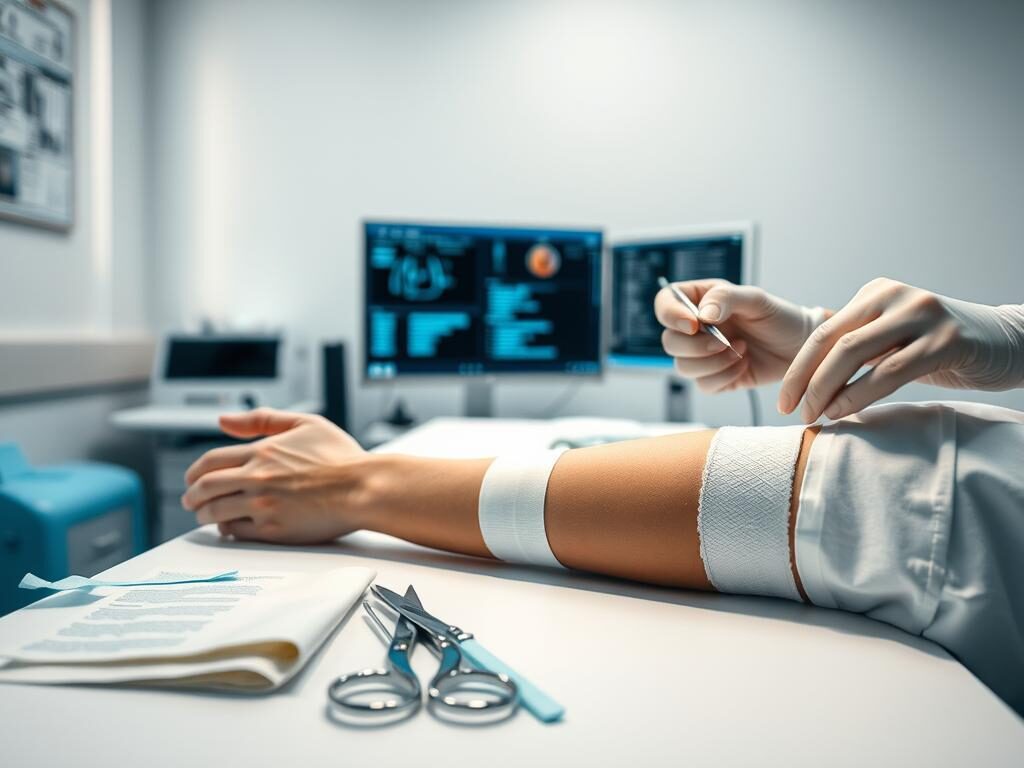
Signs that require prompt communication with a clinician
Report any new or worsening pain, a sudden increase in drainage, fresh bleeding, or spreading redness near the wound. These may signal infection or other complications and need timely review.
Systemic changes—fever, big shifts in blood pressure, or altered mental status—require immediate attention and possible urgent evaluation.
Also call if supplies run low, dressing changes become difficult, new wounds appear, or medication changes affect immunity or blood flow.
Why blood sugar control matters for healing
For people with diabetes, high blood glucose can stall wound healing. Prompt notification lets the team coordinate with a doctor or endocrinologist and reinforce glucose strategies.
Patients are encouraged to track daily measurements, drainage, odor, and pain scores. This log helps clinicians decide if cultures, imaging, antibiotics, or earlier follow‑up are needed.
- Report pain, increased drainage, bleeding, or spreading redness.
- Alert the team to fever, blood pressure shifts, or confusion.
- Tell the provider about high glucose, new sores, or supply needs.
Dominion Mobile Wound Care encourages proactive contact so the doctor can intervene quickly, reduce complications, and support steady wound healing and overall health.
Access to Specialized Care, Referrals, and Healing Timelines in the United States
Accessing specialized services quickly can change a patient’s healing path and lower the risk of serious complications. Specialized centers report faster healing and fewer complications than general settings by using targeted assessment, advanced dressings, and consistent protocols.
When specialized care reduces complications and speeds healing
Early engagement with a focused clinical team addresses blood flow, pressure, edema, and infection risk from the start. Such programs commonly achieve median healing near 50 days versus a national average of about 64 days.
Referral needs and working with insurance plans
Access pathways vary: some plans allow self-referral, while others need prior authorization or a doctor’s referral. Confirming requirements prevents delays and unexpected out-of-pocket amount responsibilities.
Dominion Mobile Wound Care coordinates documentation, photos, and medical necessity notes that payers often request for advanced products or services delivered at the patient’s residence.
Understanding typical healing timelines and how teams improve outcomes
Healing depends on etiology, perfusion, glycemic control, infection, nutrition, and adherence. Multidisciplinary teams measure progress, adjust plans quickly, and manage supplies and scheduling to keep momentum.
- Specialized programs use targeted debridement and evidence-based protocols to lower complications.
- Coordination with primary doctors and specialists helps escalate care when needed.
- Billing may include separate statements for clinician visits, labs, imaging, and interpretation; understanding this helps patients reconcile charges.
Conclusion
When a skilled team guides treatment and a patient stays engaged, progress becomes measurable and reliable.
Consistent plans, daily attention to surrounding skin, nutrition, offloading, and glycemic control support steady healing. Prompt communication about pain, increased drainage, or redness prevents setbacks.
Specialized support brings structured assessment, frequent measurement, and quick plan updates so wounds move toward closure. Clear expectations about insurance and prior authorization help avoid interruptions in service.
Dominion Mobile Wound Care delivers expert wound care aligned with real-world routines to improve adherence and outcomes. If a loved one needs in‑person support, Hire Dominion Mobile Wound Care to help heal their wounds and speed recovery.
FAQ
Your Top Questions About In-Home Wound Care Answered
This section explains common concerns about receiving treatment at a residence, how clinicians assess injuries, and what patients and families should expect from the program. It covers the initial visit, care planning, supplies, safety checks, and how the care team coordinates with physicians and therapists to support recovery.
What happens during the first visit and plan of care?
A clinician reviews medical history, examines the injury, documents size and appearance, and takes photographs if needed. They develop a personalized plan that lists dressing type, frequency of changes, infection prevention steps, and measurable goals. The plan also includes education for caregivers, a schedule of follow-up visits, and a timeline for reassessment.
How do ongoing follow-ups support healing progress?
Regular visits allow clinicians to measure improvement, adjust dressings or topical treatments, and detect early signs of complications. They reinforce self-management techniques, ensure supplies are adequate, and communicate updates to the primary physician or specialist to keep the treatment aligned with overall health needs.
How do insurance, prior authorization, and billing typically work?
Coverage varies by plan. Many Medicare and private insurers cover skilled professional visits and medically necessary supplies when ordered by a provider. Prior authorization may be required for specialized therapies. The care coordinator often helps verify benefits, obtain approvals, and explain co-pays or billing questions to avoid surprise charges.
Should injuries be kept moist or left open to air?
Maintaining a moist environment with appropriate dressings generally promotes faster tissue repair and reduces scab formation that can delay healing. Providers recommend moisture-balanced dressings tailored to exudate level; leaving a site open to air is rarely beneficial once a repair process has started.
Can patients shower with a repair site at a residence?
Most patients can shower safely if the dressing is waterproof or covered properly. Clinicians will advise on how to protect the area, when to avoid soaking, and when to use sponge baths. Timing depends on dressing type and the care plan.
What are best practices for cleansing injuries safely?
Use gentle saline or a provider-recommended wound cleanser, avoid harsh scrubbing, and pat dry with a clean cloth. Clean from the center outward to reduce contamination. Always follow instructions about frequency and products to prevent irritation or delayed repair.
Is it safe to use skin lotion and which emollients are recommended around a repair site?
Applying fragrance-free, non-irritating emollients to surrounding intact skin helps prevent dryness and breakdown. Avoid putting lotion directly on open tissue unless the clinician specifies an appropriate product. Brands like Aquaphor or Eucerin are commonly recommended for periwound skin, but follow provider guidance.
Why avoid hydrogen peroxide, Betadine, and whirlpools without provider guidance?
Hydrogen peroxide and povidone-iodine can damage healthy cells and slow tissue regeneration. Whirlpool therapy can macerate tissue and spread bacteria if not used correctly. Clinicians recommend evidence-based alternatives and will authorize those treatments only when benefits outweigh risks.
Do sun exposure or sun lamps help the repair process?
Direct sun can dry and damage fragile tissue and increase scarring risk. Some controlled light therapies have clinical indications, but ultraviolet exposure or household tanning devices are not recommended. Only use phototherapy under specialist supervision.
What signs require prompt communication with a specialist?
Contact a clinician promptly for increased pain, redness spreading beyond the site, unusual odor, sudden increase in drainage or bleeding, fever, or changes in skin color or sensation. Early reporting helps prevent infections and other complications that can require urgent intervention.
Why does blood sugar control matter for healing in diabetic patients?
High glucose levels impair immune response, reduce circulation, and slow tissue repair. Good glycemic control, along with nutrition and circulation support, lowers infection risk and improves outcomes. Care teams coordinate with primary care providers or endocrinologists for management plans.
When can specialized care reduce complications and speed recovery?
Referral to a specialist is advisable for nonhealing lesions, complex tissue loss, suspected infection, poor circulation, or when comorbidities like diabetes complicate repair. Specialists provide advanced therapies, debridement, or vascular and nutrition optimization that can accelerate recovery and reduce hospitalizations.
How do referrals and working with insurance plans typically proceed?
Primary physicians or clinicians make referrals based on clinical need. The care team often assists with documentation required by insurers, prior authorizations, and coordinating appointments with specialists to ensure continuity and coverage.
What are typical healing timelines and how do teams improve outcomes?
Healing times vary by size, depth, location, blood flow, and underlying health. Superficial minor injuries may close in days to weeks; deeper or complicated cases can take months. Multidisciplinary teams—nurses, physicians, dietitians, and therapists—address contributing factors, optimize nutrition, control infection, and apply advanced treatments to shorten recovery and lower recurrence risk.