Discover how San Antonio home healthcare supports faster healing for your loved ones. Hire Dominion Mobile Wound Care to help heal your wounds.
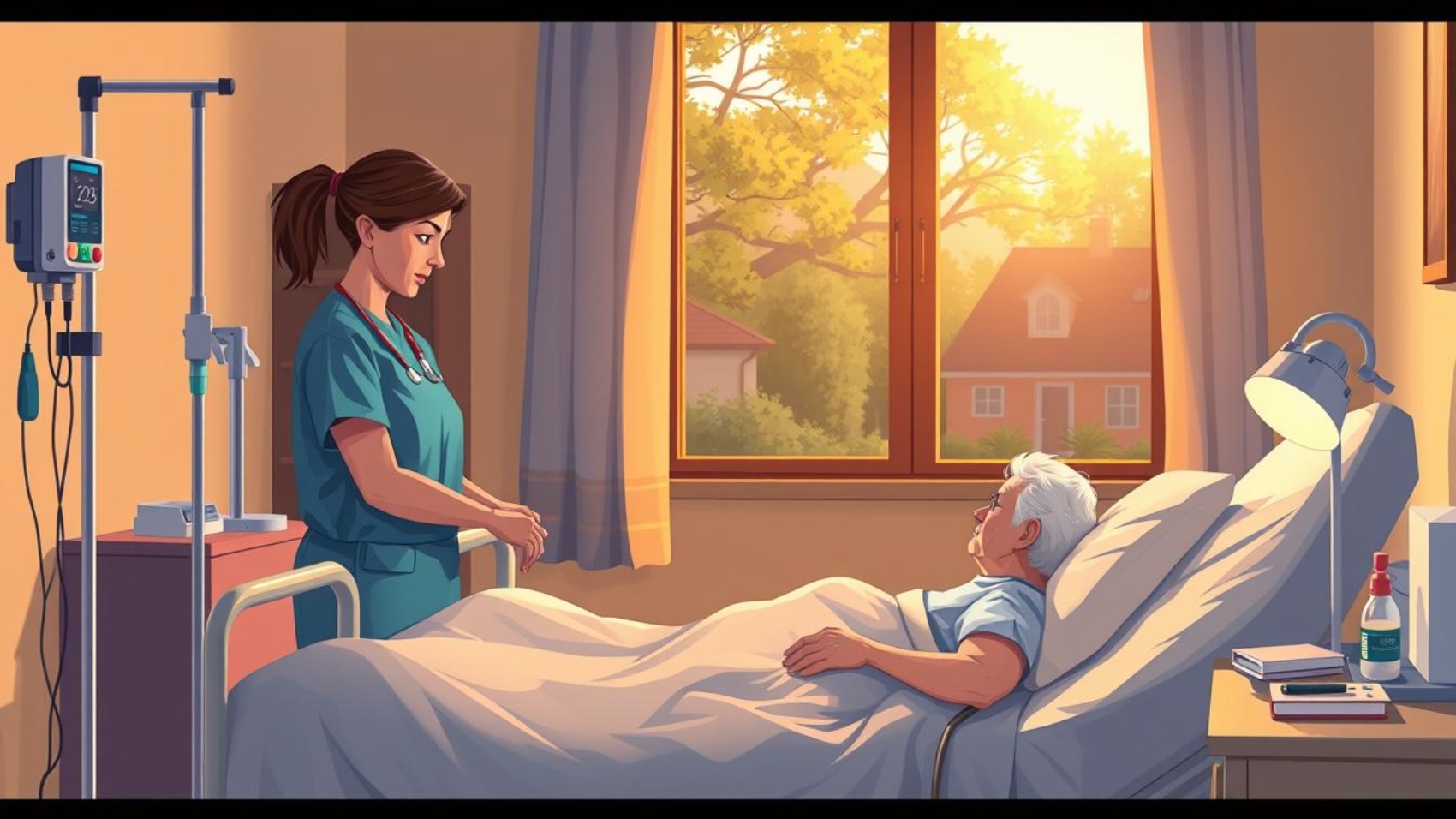


Promoting Healthy Skin
Discover how San Antonio home healthcare supports faster healing for your loved ones. Hire Dominion Mobile Wound Care to help heal your wounds.

Your recovery at home depends on practical, skilled help. A specialized clinician from Dominion Mobile Wound Care brings hospital-grade wound care into your living room so you can heal with fewer clinic trips. This at-home service supports patients who face mobility limits, recent surgery, or chronic conditions.
WOC nurses are registered professionals with a BSN or higher who complete accredited WOCNEPs and earn national credentials through the WOCNCB. Their board certified status and certified wound credentials mean you get evidence-based plans for pressure injury prevention, ostomy pouching, and continence management.
When a care nurse visits, you receive clear information, hands-on treatment, and documentation that supports Medicare and insurance. The specialty approach blends education with practical steps so your healing stays on track and your caregivers feel confident.
A focused home visit starts with a full assessment that maps the problem and sets clear steps for faster healing.
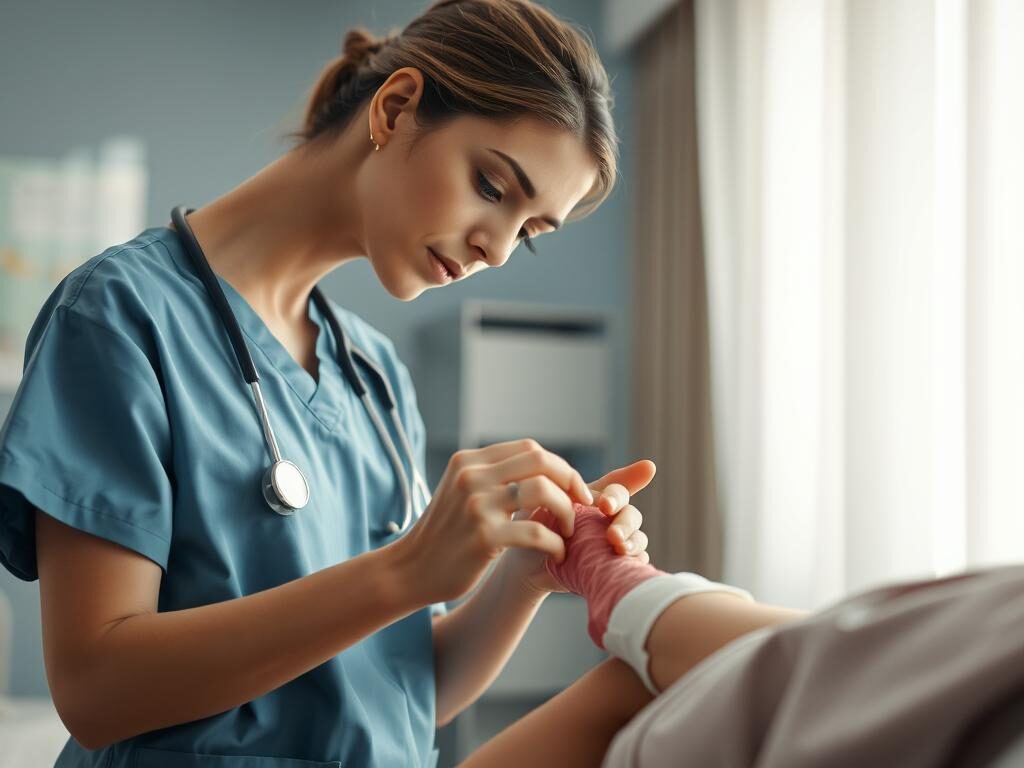
WOC nurses evaluate size, drainage, tissue quality, and pain. They create a targeted plan for dressing selection, offloading, and skin protection that fits your home.
These specialists coordinate debridement and decide when to escalate to antibiotics, surgery, or hyperbaric oxygen therapy. Many come from oncology, med-surg, or critical care before moving into this specialty.
Demand across U.S. settings is rising as aging, diabetes, and obesity increase chronic cases. Dominion Mobile Wound Care brings board-certified expertise into your home. Contact Dominion Mobile Wound Care to schedule a visit and hire a care nurse who will help you heal with fewer clinic trips.
Start your at-home plan with a full head-to-toe assessment. Your care nurse documents size, drainage, surrounding skin, nutrition, mobility, and home hazards. This shapes a focused program with measurable healing goals.

Next steps are simple and practical. Below is a clear, five-step approach that brings hospital standards into your home.
Dominion Mobile Wound Care helps coordinate setup and documentation so you and your caregivers get clear information and proven experience in home settings. Hire Dominion Mobile Wound Care to begin—schedule a visit with your care nurse today.
Professional credentials define scope, experience, and the clinical decisions available during in-home visits.
The Wound, Ostomy, and Continence Nursing Certification Board (WOCNCB) has issued specialty credentials since 1978. Its exams include CWCN, CWON, CWOCN, COCN, and CCCN. Recertification is required every five years to stay current.
Graduates of WOCN Society-accredited education programs (WOCNEPs) qualify to sit for the examination. These programs combine coursework, clinical preceptorships, and supervised hours with approved preceptors.
At Dominion Mobile Wound Care, you can hire clinicians who hold recognized certification from the nursing certification board and WOCN-accredited programs. This ensures a certified, reliable in-home team aligned with your needs.
At-home protocols translate expert hospital practices into daily routines that help you heal faster. Dominion Mobile Wound Care operationalizes these standards so you get consistent, evidence-based treatment at home.
You follow a clear protocol: turning schedules, support surfaces, moisture control, and targeted dressings. These steps reduce pressure and protect skin in all care settings.
Foot care includes offloading with boots or inserts, fast debridement coordination, tight infection checks, and glucose-aware strategies to support closure.
Ostomy continence plans protect peristomal skin with tailored pouching, barrier rings, and wear-time education. Timed toileting, barrier films, and absorbent products reduce moisture-associated damage.
Hire Dominion Mobile Wound Care to bring this specialty practice into your home and start a tailored plan that fits your routine.
Expert in-home visits translate clinical decisions into simple routines that speed recovery. You gain hands-on teaching, clear plans, and measurable steps that fit your daily life.
A care nurse customizes dressing choices, pressure relief, and schedules so your plan stays practical. A wound care nurse coordinates with your doctor and keeps records that matter for continuity.
These clinicians hold a BSN, complete accredited education programs, and pass exams from the WOCNCB. Ongoing certification and recertification show tested competence through the recognized nursing certification board.
You benefit when woc nurses apply hospital standards at home, protect your foot health, manage ostomy needs, and teach caregivers safe techniques. Ready for expert, mobile support that meets you where you are? Hire Dominion Mobile Wound Care to help heal their wounds.
The clinician performs a specialized assessment of skin breakdown, ostomies, and continence issues. You’ll get a treatment plan that includes dressing selection, infection monitoring, debridement coordination when needed, offloading for foot problems, and patient education so you can manage daily care safely.
Home visits reduce travel-related stress and exposure to infections. Your provider can evaluate your environment, ensure proper nutrition and offloading, and deliver timely interventions. This continuity often leads to faster, more consistent progress and fewer hospital readmissions.
Clear a small, well-lit area for dressing changes and have a list of current medications, allergies, and recent labs. Gather any existing treatment notes, photos, and supplies you already use. This helps the examiner set goals and create an organized plan.
Your plan should list measurable healing goals, a schedule for dressing changes, pain control strategies, nutrition and moisture management, referrals (for podiatry, surgery, or hyperbaric oxygen therapy), and clear instructions for when to contact the care team.
The board-certified provider documents diagnosis codes, progression notes, and measurable outcomes. You’ll receive copies of visit notes and any orders needed for durable medical equipment or supplies. Proper documentation supports claims and appeals if they arise.
Yes. The clinician will teach you or your caregiver safe techniques for cleansing, dressing changes, preventing pressure injuries, and ostomy appliance care. You’ll practice under supervision until you feel confident performing tasks at home.
Your schedule should include regular visits, telehealth check-ins, and clear red-flag signs—such as increased drainage, fever, spreading redness, or sudden pain—that trigger urgent evaluation or referral for antibiotics, surgery, or higher-level therapies.
Seek a board-certified WOC nurse with credentials from the WOCNCB, such as CWCN, CWON, CWOCN, or COCN. Providers from WOCN-accredited education programs or those with advanced practice credentials add expertise for complex cases. Foot care certification (CFCN) is valuable for diabetic lower-extremity issues.
Entry-level roles like Wound Treatment Associates (WTA), certified ostomy and continence care assistants, podiatrists, dietitians, and home health therapists all contribute. Team collaboration ensures timely referrals, rehabilitation, and supply coordination.
Management includes infection surveillance, debridement coordination, offloading devices, glycemic control support, and education on daily foot inspection. Regular podiatry follow-up and prompt referral for surgical intervention when needed are part of effective care.
The specialist will assess stoma or peristomal skin, recommend appropriate appliances, teach pouching techniques, and treat skin irritation. For continence, expect a plan that addresses moisture control, skin protection, and bowel and bladder strategies to prevent breakdown.
If you have stalled healing despite optimized local measures, increasing infection, exposed bone or tendon, or complex anatomy, your team may refer you for antibiotics, surgical intervention, hyperbaric oxygen therapy (HBOT), or advanced reconstructive care.