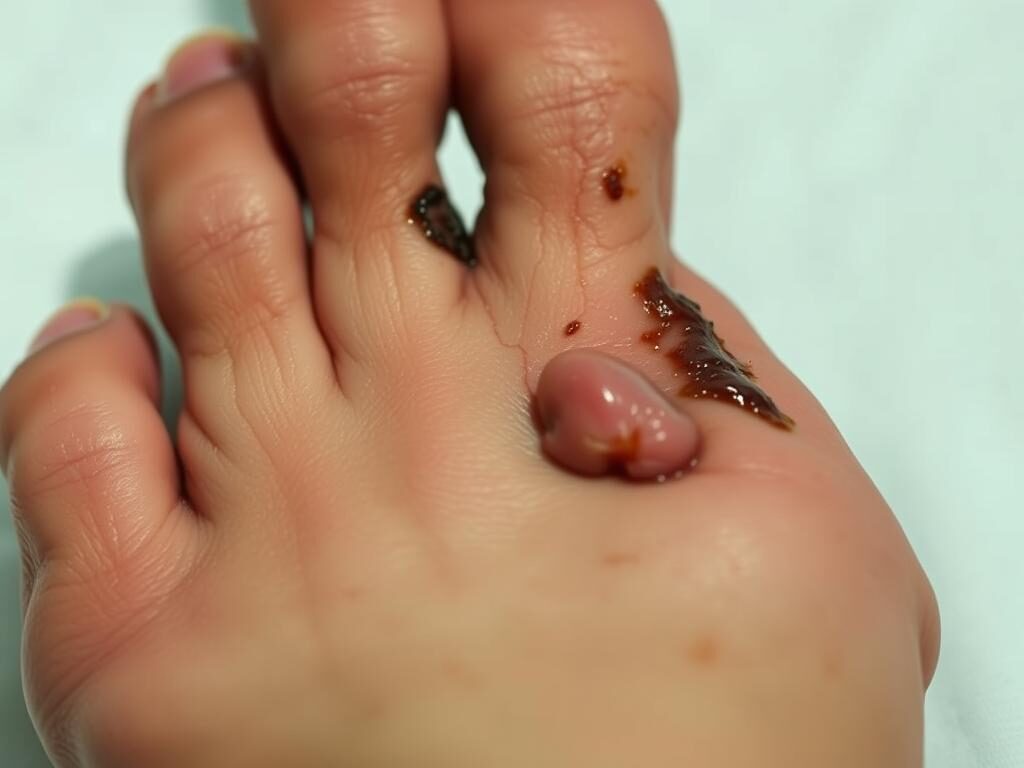
Venous leg ulcers

How to Manage Venous Leg Ulcers at Home Safely

Managing venous leg ulcers at home needs careful attention to wound care and circulation. If your veins don’t push blood back to your heart well, it can cause ulcers. This is because of poor circulation.

Proper wound care is key to avoid infections and help wounds heal. Dominion Mobile Wound Care offers personalized services to help manage your condition.

Key Takeaways

  • Understand the causes of venous leg ulcers and circulation issues.
  • Learn the importance of proper wound care at home.
  • Discover how Dominion Mobile Wound Care can support your healing process.
  • Find out how to manage your condition safely at home.
  • Get insights into the benefits of personalized wound care services.

Understanding Venous Leg Ulcers: Causes and Symptoms

If you have wounds on your legs that won’t heal, it’s important to know about venous leg ulcers. These are open sores caused by venous insufficiency. This is when veins can’t push blood back to the heart.

What Are Venous Leg Ulcers?

Venous leg ulcers are sores on the lower legs. They show a problem with blood flow. High pressure in the veins of the lower leg, often from venous insufficiency, causes them.

Common Causes of Venous Insufficiency

Genetics, obesity, and deep vein thrombosis can lead to venous insufficiency. When veins don’t work right, it can cause swollen legs and wounds.

Recognizing the Early Warning Signs

Look out for swelling, redness, and skin color changes in your legs. You might also feel pain or discomfort. Spotting these signs early can help manage the problem.

Knowing the causes and symptoms is key to healing. If you notice any, get help fast. Dominion Mobile Wound Care offers the care you need to heal your wounds.

Recent Advances in Venous Leg Ulcers Home Management

New breakthroughs in wound healing and home care products are changing how we manage venous leg ulcers. With help from healthcare experts, you can now use these advances to better care for your wounds at home.

New Research on Wound Healing

Studies show that compression therapy is key for wound healing in venous leg ulcers. New research stresses the need for consistent compression to boost blood flow and lessen swelling.

New guidelines suggest using a multi-layer compression bandaging system for effective management. This method has been proven to greatly improve healing rates when used correctly.

Innovative Home Care Products

The market now has a variety of new products for home wound care. These include advanced dressing materials and easy-to-use compression stockings. These items are made to make managing venous leg ulcers easier and less painful.

  • Advanced foam dressings for better absorption
  • Compression stockings with graduated compression
  • Easy-to-apply compression bandages

Expert Recommendations from Recent Medical Conferences

Experts from recent medical conferences stress the importance of proper training in compression therapy for home management. Treatment should always be done by a healthcare professional trained in compression therapy for leg ulcers.

By keeping up with the latest developments and working with healthcare professionals, you can greatly improve managing venous leg ulcers at home. Consider reaching out to specialized wound care services like Dominion Mobile Wound Care to help guide your healing journey.

Essential Supplies for Home Wound Care

Having the right wound care supplies is key for managing venous leg ulcers at home. A well-prepared wound care station helps in healing and prevents infection.

Creating a Sterile Wound Care Station

To create a sterile environment, you need a clean surface. Use a disposable mat or a surface cover to prevent contamination. Make sure the area is well-lit to see the wound clearly.

  • Disposable gloves
  • Sterile gauze pads
  • Antiseptic wipes
  • A clean, waterproof bag for disposing of soiled dressings

Must-Have Dressing Materials

Choosing the right dressing materials is vital for effective wound care. Here are some options:

  1. Non-adherent dressings to prevent sticking to the wound
  2. Foam or alginate dressings for absorbing drainage
  3. Hydrocolloid dressings for promoting a moist environment
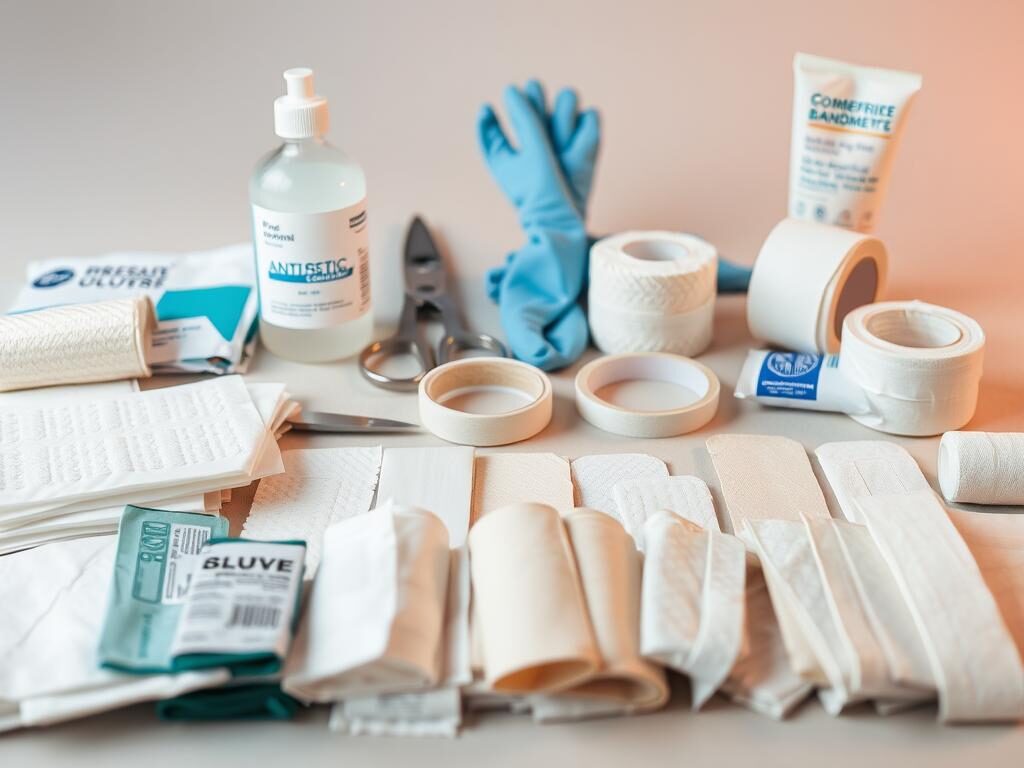
wound care supplies

Recommended Cleaning Solutions and Antiseptics

For wound care, the right cleaning solutions are essential. Saline solution is often recommended for cleaning venous leg ulcers. Always check with a healthcare professional before using antiseptic solutions.

For more information on wound assessment and care, visit Dominion Mobile Wound Care. Their experts can offer personalized advice for managing venous leg ulcers at home.

Step-by-Step Guide to Cleaning Venous Leg Ulcers

Cleaning your venous leg ulcer right is key to wound care. It stops infections and helps healing. Follow a step-by-step guide to clean safely and effectively.

Preparing for Wound Cleaning

Before cleaning, gather all needed supplies. This includes sterile gloves, a clean container for saline, gauze, and any cleaning solutions or ointments. Wash your hands thoroughly with soap and water, and dry them completely.

Safe Cleaning Techniques

To clean your venous leg ulcer, follow these steps:

  • Gently remove any dressings or bandages.
  • Clean the ulcer with a saline solution or a prescribed cleaning solution.
  • Use gauze pads or swabs to gently wipe away any debris or dead tissue.
  • Rinse the ulcer with saline solution.
  • Pat the area dry with a clean gauze pad.

Remember to cleanse the wound thoroughly according to your provider’s instructions.

Proper Disposal of Used Materials

After cleaning, dispose of used materials properly. Place used gauze, gloves, and other items in a sealed bag or biohazard container.

Material Disposal Method
Used Gauze Sealed Bag or Biohazard Container
Gloves Sealed Bag or Biohazard Container
Cleaning Solution Down the Drain (Check Local Guidelines)

If unsure about wound cleaning or notice infection signs, seek help. Dominion Mobile Wound Care offers specialized treatment and support.

Effective Compression Therapy for Circulation Issues

Compression therapy is key in treating venous leg ulcers. It helps blood flow back to the heart. This reduces swelling and aids in healing.

Types of Compression Bandages and Stockings

There are many types of compression bandages and stockings. Compression bandages are used for wound care and can be layered. Compression stockings are worn daily to keep compression levels up.

Type Description Use Case
Short Stretch Bandages Less elastic, providing high working pressure Ideal for active patients with venous leg ulcers
Long Stretch Bandages More elastic, giving sustained compression Good for patients with limited mobility
Compression Stockings Available in various compression levels Daily wear to keep compression and prevent ulcers

How to Apply Compression Correctly

Applying compression right is key for its success and safety. Make sure your leg is clean and dry. For bandages, start at the toes and wrap up, overlapping by half.

For stockings, use a donner if needed. Make sure the stocking isn’t twisted.

Monitoring for Complications

It’s vital to watch for signs of complications while using compression therapy. Look for signs of too much pressure and adjust as needed.

Signs of Too Much Pressure

  • Numbness or tingling in the foot
  • Pain or discomfort that doesn’t ease
  • Blue or pale skin

When to Adjust Your Compression

If you notice any of these symptoms, it’s time to adjust your compression. This might mean reapplying or seeking professional advice.

Struggling with venous leg ulcers? Dominion Mobile Wound Care offers specialized treatment. They can guide you on compression therapy and wound care.

Nutrition and Lifestyle Changes to Promote Healing

Healing wounds is more than just medicine; it’s about a whole-body approach. This includes nutrition and lifestyle changes. When you take care of venous leg ulcers at home, what you eat and how you live matters a lot.

Healing-Friendly Foods and Supplements

Eating a balanced diet full of vitamins and minerals is key for healing. Foods packed with protein, like lean meats and fish, help fix damaged tissues. Foods rich in Vitamin C, like citrus fruits, help make collagen. And foods with zinc, like nuts, help fight inflammation. Always talk to your doctor before adding supplements.

nutrition for wound healing

The Importance of Hydration

Drinking enough water is vital for healthy skin and healing wounds. Water keeps your skin flexible and strong. Try to drink at least eight glasses a day, more if you’re active or live in a hot place.

Exercise and Movement Recommendations for Swollen Legs

Doing gentle exercises can boost blood flow and lessen leg swelling. Walking, ankle rotations, and toe raises are good. Don’t stay in one place for too long and rest your legs often. This helps with swelling and healing.

Smoking Cessation and Wound Healing

Smoking hinders wound healing by cutting off blood and oxygen. Quitting is a big step towards better health and faster healing. If you need help, talk to a doctor or join a smoking cessation program.

By making these nutrition and lifestyle changes, you help your body heal better. For more specific advice and wound care, contact professionals like Dominion Mobile Wound Care. They can guide you through your healing journey.

Managing Pain and Discomfort from Venous Leg Ulcers

Living with venous leg ulcers can be tough, mainly because of the pain. It’s key to manage pain well to improve life quality and help wounds heal.

Non-Pharmaceutical Pain Management Strategies

There are many ways to ease pain without medicine. Elevation and positioning are simple but work well. Raising your legs above your heart helps with swelling and pain by improving blood flow.

Using compression therapy is another good strategy. It’s talked about in Section 6. Compression reduces swelling and boosts blood flow, helping wounds heal and easing pain.

Over-the-Counter Pain Relief Options

For some, over-the-counter (OTC) pain meds are needed. Acetaminophen and ibuprofen are common choices. But, always talk to a doctor before trying new meds to make sure they’re safe for you.

Elevation and Positioning Techniques

Right positioning is as important as elevation for pain management. Try not to stand or sit for too long, as it can make swelling and pain worse. Moving around and changing positions often helps.

If pain from venous leg ulcers is hard to handle, get professional help. Dominion Mobile Wound Care provides specialized treatment. Don’t let pain stop you from enjoying life fully.

When to Seek Professional Help for Wound Complications

Knowing when to get help is key in wound care. You can manage some venous leg ulcers at home. But, some situations need quick medical help to avoid more problems.

Warning Signs of Infection

Look out for signs of infection like increased redness, swelling, or warmth around the wound. Also, watch for pus or discharge, a foul odor, or increased pain. Getting help fast can stop the infection from getting worse and help your wound heal.

Signs of Infection Action Required
Increased redness, swelling, or warmth Contact healthcare provider
Pus or discharge, foul odor Seek immediate medical attention
Increased pain Consult healthcare provider

Indicators of Worsening Condition

Keep an eye on how your wound is healing. If it’s not getting better or is getting worse, you need professional help. Look out for increased wound size, deepening of the wound, or new areas of skin breakdown. These signs mean your treatment might need to change.

How Dominion Mobile Wound Care Provides Specialized Treatment

Dominion Mobile Wound Care offers special wound care services. Their team of experts provides:

Mobile Wound Care Services

They bring wound care to your home. This ensures you get the care you need in a comfortable setting.

Personalized Treatment Plans

Every patient gets a treatment plan made just for them. This plan is designed to help your wound heal well and avoid more problems.

If you see any signs of wound complications, get help right away. Contact Dominion Mobile Wound Care to start healing your wounds and improve your life.

Conclusion: Taking Control of Your Healing Journey

With the right care, venous leg ulcers can heal. By following the steps in this article, you can manage your healing journey. This will improve your overall health.

Managing venous leg ulcers well means using a complete approach. This includes proper wound care, compression therapy, and making lifestyle changes. Knowing the causes and symptoms helps you choose the best treatment.

Dominion Mobile Wound Care is ready to support you. Their team of experts offers specialized treatment and advice. Start your healing journey with Dominion Mobile Wound Care and live a healthier, more comfortable life.

FAQ

What are the primary causes of venous leg ulcers?

Venous leg ulcers often come from venous insufficiency. This is when the veins in your legs can’t return blood to the heart properly. This can cause ulcers due to increased pressure and swelling.

How can I identify early warning signs of venous leg ulcers?

Look out for swelling, pain, and skin color changes around your ankle. You might also see varicose veins, itching, or feel your legs are heavy.

What is the role of compression therapy in managing venous leg ulcers?

Compression therapy is key. It applies pressure to improve circulation, reduce swelling, and aid in healing. You can use compression bandages or stockings.

How do I properly clean a venous leg ulcer?

First, wash your hands. Then, clean the ulcer with saline solution or water. Avoid harsh antiseptics. Pat dry with a clean towel.

What are the essential supplies needed for home wound care?

You’ll need sterile dressing materials, saline, and antiseptics for the skin. Don’t forget gloves and a clean surface for dressing changes.

How can nutrition and lifestyle changes promote wound healing?

Eating foods rich in proteins, vitamins, and minerals helps. Stay hydrated, exercise, and quit smoking to aid healing.

What are some non-pharmaceutical pain management strategies for venous leg ulcers?

Elevate your leg, use compression therapy, and maintain a healthy weight to reduce pain. Relaxation and gentle exercise can also help.

When should I seek professional help for wound complications?

Get help if you see signs of infection, if the ulcer doesn’t heal, or if you have severe pain. Dominion Mobile Wound Care can help.

How can I manage circulation issues related to venous leg ulcers?

Use compression therapy, exercise, and avoid long sitting or standing. Elevating your legs when resting helps too.

What are the benefits of hiring a professional wound care service like Dominion Mobile Wound Care?

Dominion Mobile Wound Care offers personalized care, expert treatment, and home visits. This can lead to better healing and a better quality of life.
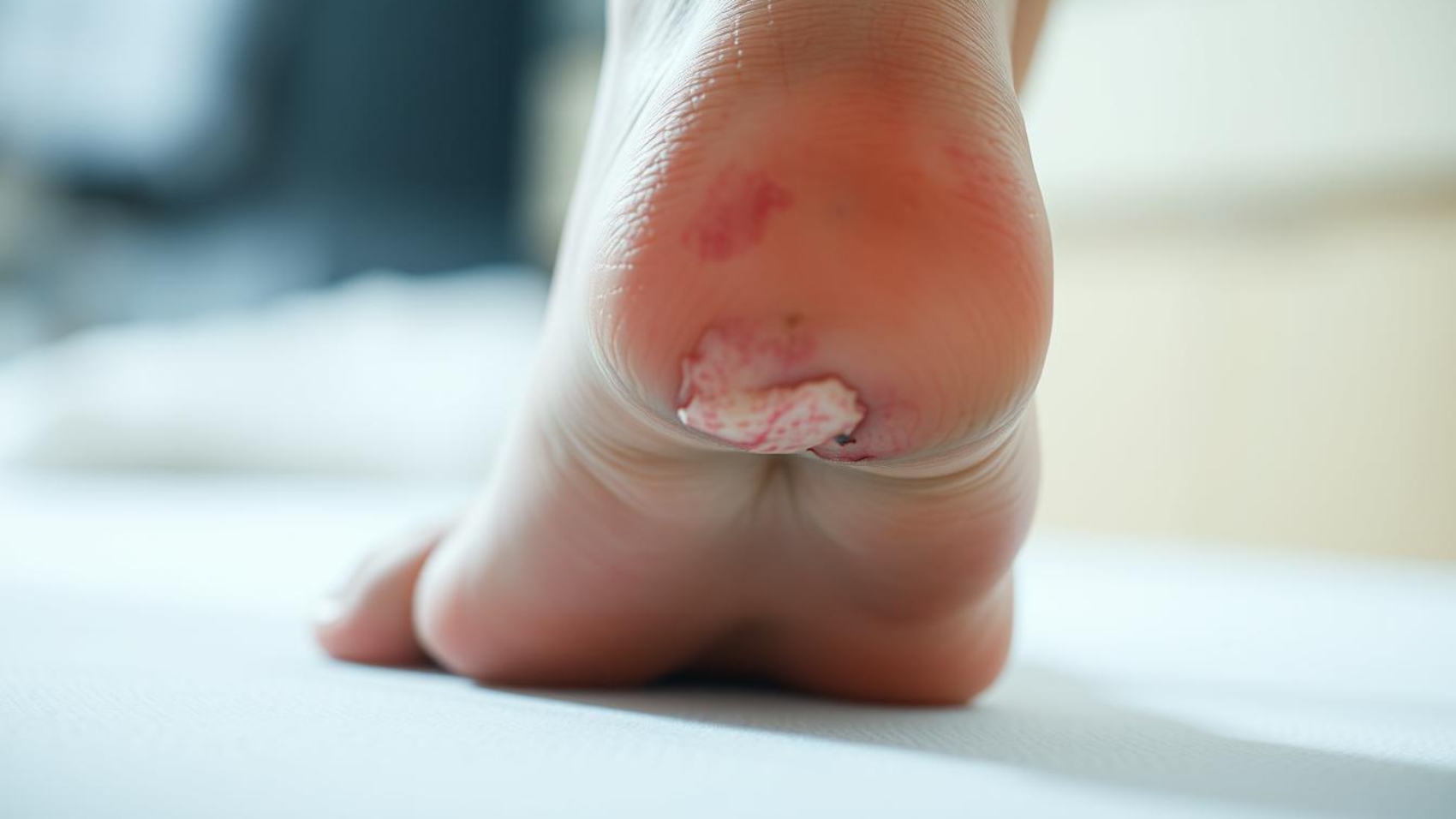
Diabetic foot ulcers

Understanding Diabetic Foot Ulcers and At-Home Treatment Options

If you have diabetes, you’re at risk for diabetic foot ulcers. These ulcers are a common complication. They can lead to serious problems if not treated.

Diabetes wound risk goes up with poor circulation, nerve damage, and slow healing. Knowing your risk and taking steps early can help avoid these issues.

Getting podiatry care is key to managing and treating diabetic foot ulcers. Working with experts like Dominion Mobile Wound Care can help. They provide care that fits your needs, helping your wounds heal better and reducing risks.

Key Takeaways

  • Diabetic foot ulcers are a serious complication of diabetes.
  • Understanding your diabetes wound risk is key to prevention.
  • Good podiatry care can greatly improve treatment results.
  • At-home treatments can support professional care.
  • Getting help from a professional wound care service can boost your recovery.

What Are Diabetic Foot Ulcers?

Diabetic foot ulcers are a big health risk for people with diabetes. These are open sores or wounds on the feet. They often happen because of nerve damage and poor blood flow.

Definition and Prevalence

Diabetic foot ulcers are sores or wounds on the feet of people with diabetes, below the ankle. They are a common problem, affecting millions globally. Up to 25% of diabetic patients will get a foot ulcer at some point.

Impact on Quality of Life

Diabetic foot ulcers can really hurt a person’s quality of life. They cause pain, make it hard to move, and make daily tasks tough. They also take a toll on mental health, affecting overall well-being.

For more on managing these ulcers at home, check out our guide on best practices for managing diabetic foot ulcers at.

It’s key to manage and heal these ulcers well. This means good wound care, the right shoes, and regular checks to avoid worse problems.

The Rising Concern of Diabetic Foot Ulcers in the United States

The U.S. is seeing more diabetic foot ulcers, which is putting a strain on healthcare. This is affecting patients’ quality of life. As more people have diabetes, the number of foot ulcers is growing, worrying both healthcare workers and patients.

Current Statistics and Trends

Studies show that diabetic foot ulcers are common among diabetics in the U.S. Up to 25% of diabetic patients get foot ulcers at some point. The numbers are going up because of an older population and more diabetes cases.

  • Increased incidence among older adults
  • Rising prevalence of diabetes
  • Greater awareness leading to more diagnoses

Economic Burden on Healthcare System

Diabetic foot ulcers cost the U.S. healthcare system a lot. Annual costs exceed $10 billion. This includes money for wound care, hospital stays, and surgeries. The cost also affects patients’ work and life quality.

Understanding the Causes of Diabetic Foot Ulcers

Diabetic foot ulcers come from nerve damage, bad blood flow, and foot changes. These ulcers are a big problem for people with diabetes. Knowing why they happen helps prevent and treat them.

Neuropathy and Reduced Sensation

Neuropathy, or nerve damage, plays a big role. It makes your feet lose feeling. This means you can’t feel injuries or irritations.

Without feeling, small problems can turn into big ones. You might not even know it’s happening.

Poor Circulation

Poor blood flow is another big factor. Diabetes can hurt blood vessels. This reduces blood to your feet.

This makes it hard for foot ulcers to heal. It’s a big challenge for them to get better.

Foot Deformities and Pressure Points

Foot problems like bunions or hammertoes can cause pressure. This pressure can lead to ulcers. With nerve damage and bad blood flow, these problems are even worse.

diabetic foot ulcers causes

Cause Description Impact
Neuropathy Nerve damage reducing sensation Increased risk of unnoticed injuries
Poor Circulation Reduced blood flow Impaired healing process
Foot Deformities Structural changes creating pressure points Increased risk of ulceration

Recognizing the Early Warning Signs

Spotting early warning signs is key to avoiding serious problems with diabetic foot ulcers. Catching them early means you can start treatment right away. This can greatly help people with diabetes.

Visual Indicators

Checking your feet regularly is important for people with diabetes. Watch for skin color changes like redness or discoloration. Also, look for swelling or inflammation. Early signs of ulceration can include small cracks or breaks in the skin. These can get worse fast if not treated.

Physical Symptoms to Monitor

There are also physical signs to watch for. Look out for ongoing pain or discomfort, mainly in one foot area. Feeling numb or tingly can also mean there’s a problem.

Symptom Description Action
Redness Early sign of inflammation or irritation Monitor closely and consult a healthcare provider if it persists
Swelling Can indicate infection or increased pressure Reduce activity and consult a healthcare provider
Pain or Discomfort May signal the onset of an ulcer Offload the area and seek medical advice

Recent Advances in Diabetic Foot Ulcer Research

New discoveries in diabetic foot ulcer research are changing treatment and care for patients. Scientists have made big strides in understanding these complex wounds. This has led to new ways to help patients.

New Clinical Findings

Studies have found that new treatments can help heal diabetic foot ulcers faster. For example, using bioengineered skin and negative pressure therapy has shown promise. A recent trial showed that a specific growth factor can also speed up healing.

Therapy Type Healing Rate Improvement Clinical Benefit
Bioengineered Skin Substitutes 30% Enhanced wound closure
Negative Pressure Wound Therapy 25% Improved wound healing environment
Growth Factor Application 40% Increased wound closure rates

Implications for Patient Care

These new findings mean better care for patients. By using these advanced treatments, you can get more effective care. For tips on preventing diabetic foot ulcers, check out Dominion Mobile Wound Care.

Assessing Your Diabetes Wound Risk

You can protect your feet by knowing your diabetes wound risk. Assessing this risk is key in podiatry care. It helps spot problems before they get worse.

Risk Factors to Consider

Several things can raise your risk of diabetic foot ulcers. These include neuropathy, poor circulation, and foot deformities. If you’ve had foot ulcers before or have diabetes for a long time, your risk goes up. Knowing these factors helps you prevent problems.

Self-Assessment Techniques

Regular self-checks can catch issues early. Look for redness, swelling, or cuts on your feet every day. Use a mirror to see the soles of your feet and check between your toes. If you see anything odd, see your doctor right away.

Understanding your diabetes wound risk and acting early can lower your chance of getting diabetic foot ulcers.

Effective At-Home Treatment Options for Diabetic Foot Ulcers

Managing diabetic foot ulcers at home is key to healing and avoiding serious issues. Knowing the right treatment can greatly improve your healing process.

Wound Cleaning Protocols

Cleaning the wound properly is vital for healing. Clean the wound with saline solution. Avoid harsh soap or cleansers that can harm tissue. Dry the area gently with a clean towel.

It’s also important to remove dead tissue or debris from the wound. Use tweezers or a clean cloth to do this. But, if unsure, ask your healthcare provider for guidance.

Dressing Selection and Application

The right dressing is essential for healing. Choose a dressing that keeps the wound moist. This helps in healing. There are many dressings like foam, alginate, and hydrocolloid.

Dressing Type Characteristics Best For
Foam Dressing Absorbs excess fluid, maintains moisture Moderately to heavily draining wounds
Alginate Dressing Highly absorbent, forms a gel-like substance when wet Wounds with heavy drainage
Hydrocolloid Dressing Creates a moist environment, protective barrier Lightly to moderately draining wounds

Pressure Offloading Techniques

Reducing pressure on the ulcer is critical for healing. Use proper footwear or orthotics to lessen pressure. Customized insoles or shoe changes can also help.

Also, consider total contact casting or other offloading devices as advised by your healthcare provider. These can spread out pressure evenly.

By following these at-home treatments, you can manage diabetic foot ulcers well. Always get advice from your healthcare provider for the best care.

Prevention Strategies to Protect Your Feet

Your feet need special care if you have diabetes, and prevention is key. Diabetic foot ulcers can be a significant complication, but with the right strategies, you can reduce your risk.

Daily Foot Care Routine

Creating a daily foot care routine is essential. Start by washing your feet daily with mild soap and lukewarm water. Then, dry them thoroughly, paying extra attention to the areas between your toes. Moisturizing is also important, but avoid lotion between the toes to prevent fungal infections. Check your feet daily for any signs of cuts, blisters, or redness.

Appropriate Footwear Selection

Choosing the right footwear is vital in preventing diabetic foot ulcers. Look for shoes that fit well and don’t rub against your skin. Avoid walking barefoot, even at home, to prevent injuries. Consider therapeutic shoes designed for diabetics, which can provide extra comfort and protection.

Footwear Feature Benefit for Diabetics
Extra Depth Reduces pressure on toes
Soft, Seamless Interior Minimizes irritation and friction
Cushioning Provides comfort and shock absorption

When to Seek Professional Podiatry Care

Knowing when to see a podiatrist is key for managing diabetic foot ulcers. As someone with diabetes, you know how vital foot care is. But, knowing when to get help from a pro is critical to avoid serious issues.

Warning Signs of Complications

Some signs mean you need to see a podiatrist right away. These include:

  • Increased redness or swelling around the ulcer
  • Pus or discharge from the ulcer
  • A foul odor from the ulcer
  • An increase in the size or depth of the ulcer
  • Fever or chills

If you see any of these, get help fast to stop things from getting worse.

diabetic foot ulcers

Types of Specialized Care Available

Podiatrists offer many treatments for diabetic foot ulcers. These include:

  • Debridement: Removing dead tissue to promote healing
  • Offloading: Reducing pressure on the ulcer to facilitate recovery
  • Advanced wound dressings: Using specialized dressings to promote a healing environment
  • Infection management: Treating infections with antibiotics or other interventions

Getting professional care can help you get these treatments. This can greatly improve your chances of healing.

The Benefits of Mobile Wound Care Services

Mobile wound care services are changing how we treat diabetic foot ulcers. They offer convenience and easy access. This is great for people with diabetes, as it brings expert care right to their home. It cuts down on the need for hospital visits or clinic trips.

How Dominion Mobile Wound Care Works

Dominion Mobile Wound Care brings wound management to your home. Their team checks your condition, creates a treatment plan, and keeps up with your care. They focus on foot ulcer healing and make sure you get the best care without having to travel.

Advantages for Patients with Limited Mobility

For those who can’t move around much, mobile wound care is a big help. It means no long trips, which lowers the risk of problems and helps you heal better. Here are some key benefits:

Benefit Description Impact
Convenience Care provided at home Reduces travel stress
Personalized Care Tailored treatment plans Improves healing rates
Accessibility Services available for those with mobility issues Enhances quality of life

Choosing Dominion Mobile Wound Care is a smart move for managing your diabetes wound risk and foot health. Their team is all in on giving you top-notch care. They’re here to help you heal well.

Conclusion: Taking Control of Your Foot Health

Diabetic foot ulcers can be tough to handle, but you can manage them. Knowing the causes and early signs is key. Using the right at-home treatments can help heal your feet.

Seeing a podiatrist regularly is vital. They can prevent serious problems and help with wound care. If you’re dealing with foot ulcers, Dominion Mobile Wound Care can help. They offer care at home, creating a plan just for you.

By focusing on your foot health, you can live better. Don’t let foot ulcers stop you. Take action now and get the care you need to heal and move forward.

FAQ

What are the most common causes of diabetic foot ulcers?

Diabetic foot ulcers often come from a mix of factors. Neuropathy, which causes numbness, makes it hard to feel injuries. Poor blood flow slows healing. Foot deformities create pressure points that can lead to ulcers.

How can I assess my risk for developing diabetic foot ulcers?

Check your blood sugar control, neuropathy, and past ulcers to assess your risk. Look for signs of irritation, cuts, or other issues in your feet. A healthcare professional can give a detailed assessment.

What are the early warning signs of diabetic foot ulcers?

Look for redness, swelling, or discoloration, and feel for pain, tingling, or numbness. Check your feet daily and tell your doctor if you notice anything unusual.

How can I manage diabetic foot ulcers at home?

Clean the wound, choose the right dressing, and avoid pressure. Keep it clean and dry, use dressings as advised, and don’t put pressure on it.

When should I seek professional podiatry care for my diabetic foot ulcer?

Get professional help if you see more redness, swelling, or pain, or if the wound isn’t healing. Podiatrists and wound care specialists can offer advanced treatments.

What are the benefits of mobile wound care services?

Mobile wound care services, like Dominion Mobile Wound Care, offer care at home. This is great for those who can’t easily go to a clinic.

How can I prevent diabetic foot ulcers from occurring in the first place?

Prevent ulcers by washing and checking your feet daily. Wear supportive, well-fitting shoes. Regular health check-ups can catch issues early.

What is the role of podiatry care in managing diabetic foot ulcers?

Podiatry care is key in managing ulcers. Podiatrists treat foot problems, provide wound care, and help prevent future ulcers.

How can I take control of my foot health and prevent complications?

Be proactive with your foot care. Do self-assessments, follow a daily routine, and seek professional help when needed. Working with your healthcare provider can lower your risk of foot problems.