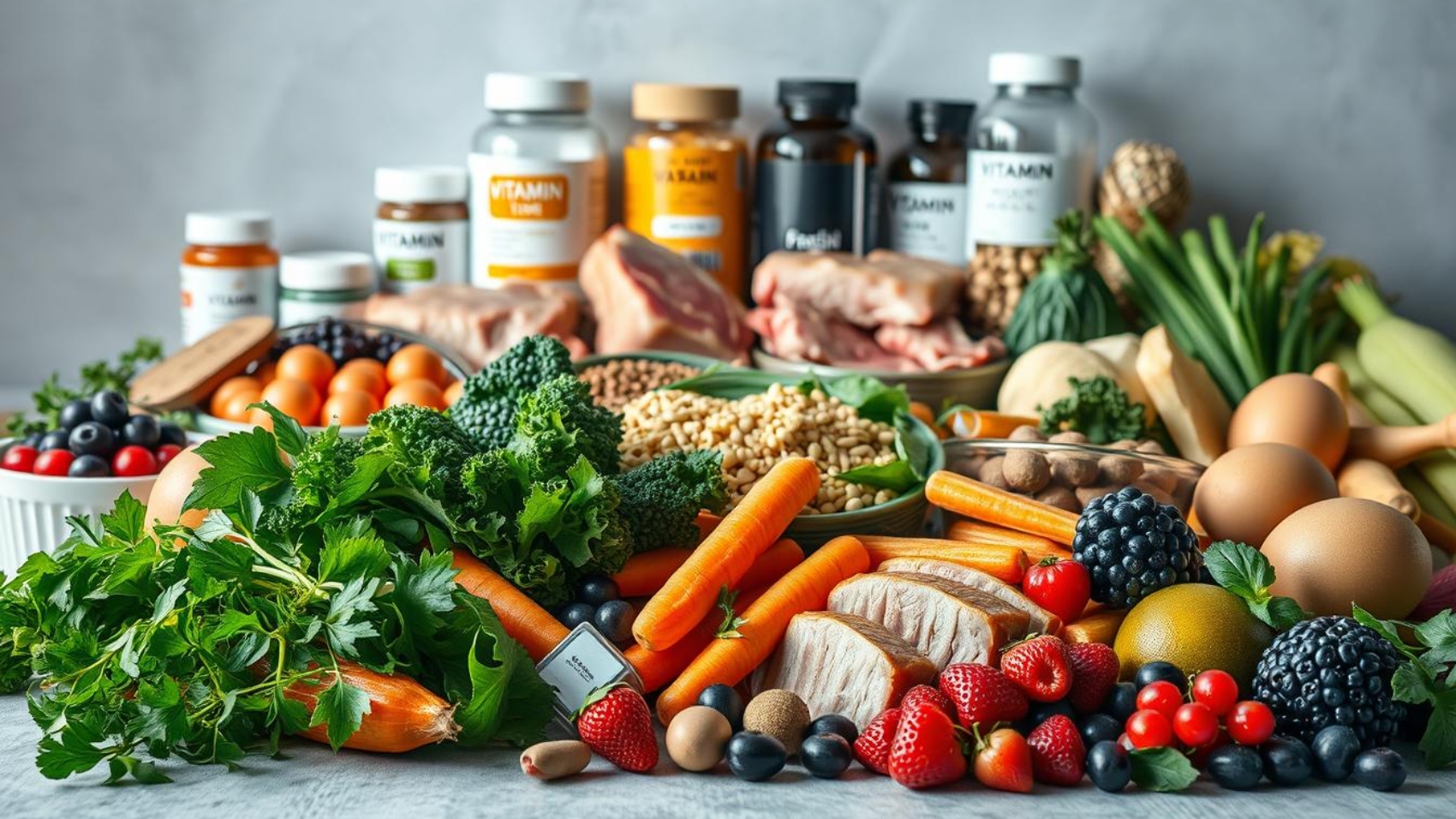
When you’re recovering from an injury or surgery, proper nutrition plays a key role. Eating the right foods can help you heal faster and lower the risk of problems. A balanced diet full of important nutrients can greatly aid your recovery.
Certain foods, like leafy green vegetables, eggs, and salmon, are great for wound recovery. They are packed with vitamins, minerals, and proteins. These nutrients help fix tissues and support healing.
Adding the right foods to your diet can boost your body’s healing powers. If wound care is tough, consider getting help from experts like Dominion Mobile Wound Care. They offer guidance and support.
Key Takeaways
- Eating a balanced diet is key for wound recovery.
- Leafy green vegetables, eggs, and salmon are good for healing wounds.
- Good nutrition helps your body heal naturally.
- A balanced diet can lower the risk of complications during recovery.
- Professional wound care services can offer expert advice and support.
The Science Behind Nutrition and Wound Recovery
Nutrition plays a key role in wound healing. When you get hurt, your body needs different nutrients to heal.
How Your Body Uses Nutrients During Healing
When you’re healing, your body uses nutrients to fix damaged tissue. Vitamins C and A, and zinc are very important. Vitamin C helps make collagen, and vitamin A controls inflammation. Zinc boosts your immune system and helps with wound repair.
Recent Research on Nutritional Impact on Wound Repair
New studies have shown how nutrition affects wound healing. Research from 2023 has given us more insight into the role of specific nutrients in recovery.
Clinical Findings from 2023 Studies
Studies from 2023 have shown the value of personalized nutrition in wound care. A study in the Journal of Wound Care found that patients with tailored nutrition healed faster.
| Nutrient | Role in Wound Healing | Food Sources |
|---|---|---|
| Vitamin C | Collagen synthesis, antioxidant | Citrus fruits, berries, leafy greens |
| Vitamin A | Inflammatory response regulation | Sweet potatoes, carrots, dark leafy greens |
| Zinc | Immune support, wound repair | Red meat, poultry, seafood, beans |
Knowing which nutrients help with wound healing can guide your diet. This can improve your recovery.
Protein-Rich Foods: The Building Blocks of Wound Healing
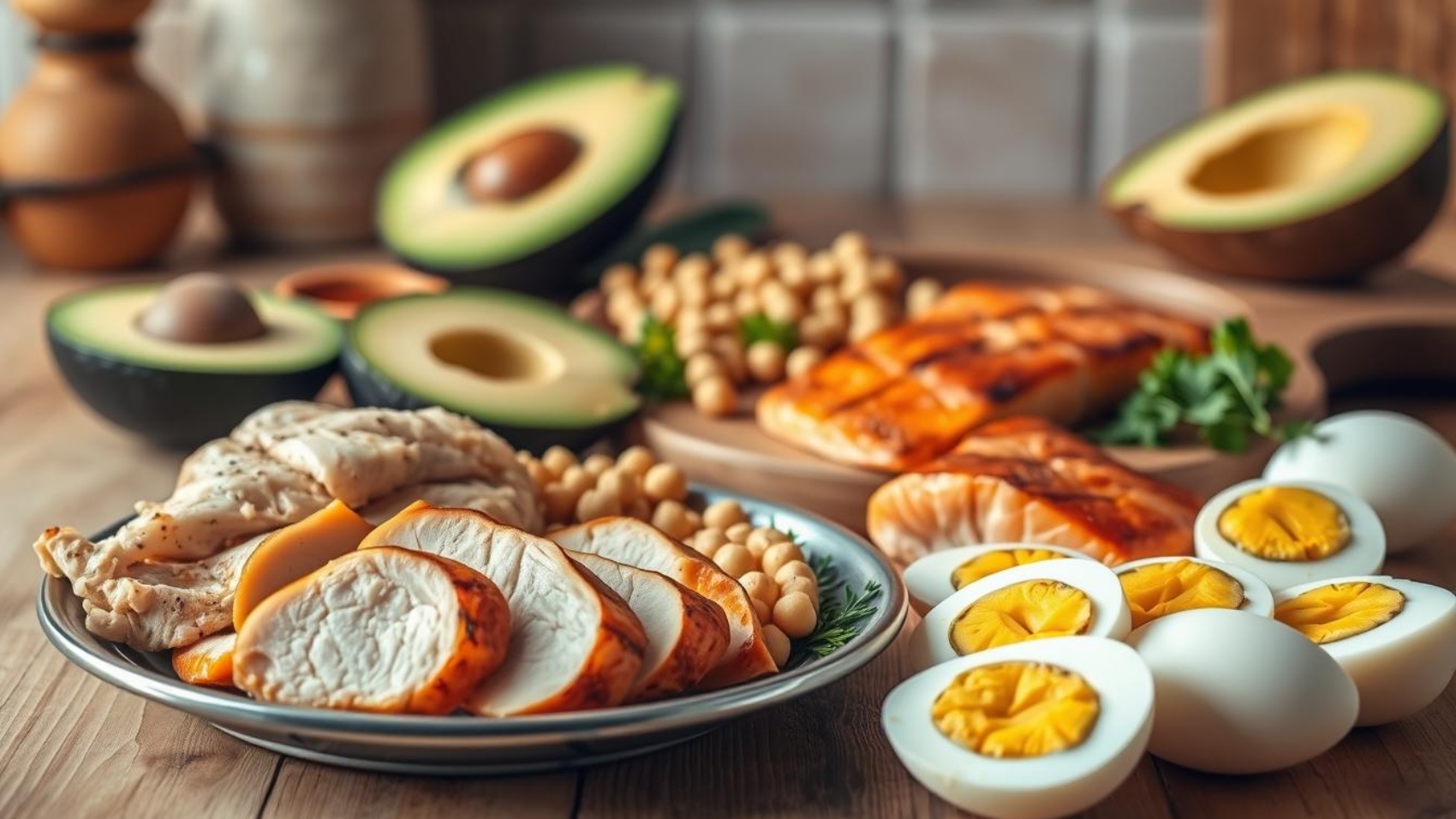
Protein-rich foods are key for wound recovery. They help repair tissues. When you’re healing, your body needs enough protein to rebuild damaged areas.
Animal-Based Protein Sources
Animal-based proteins are complete because they have all essential amino acids. These are important for healing. Here are some examples:
- Eggs: High in protein and vitamins.
- Chicken: Lean protein for tissue repair.
- Fish: Has omega-3 fatty acids and protein.
- Lean Beef: Essential amino acids for healing.
Plant-Based Protein Options
Plant-based diets have many protein-rich foods for healing. Here are some:
- Lentils: High in protein and fiber.
- Chickpeas: Rich in protein and vitamins.
- Quinoa: Complete protein and high in fiber.
- Tofu: Versatile and protein-rich.
Recommended Daily Protein Intake for Healing
The daily protein needed for healing changes based on age, weight, and wound severity. It’s recommended to eat 1.2 to 1.5 grams of protein per kilogram of body weight each day while healing.
New Guidelines from Nutrition Experts
New studies say nutrition tips for wound healing should be tailored to each person. It’s best to talk to a healthcare provider or dietitian to find the right protein amount for you.
Essential Vitamins That Accelerate Recovery
The right vitamins can greatly help your body heal faster and better. Vitamins are key for fixing and growing new tissues. Getting the right vitamins is important for your recovery.
Vitamin C: The Collagen Producer
Vitamin C is key for making collagen. Collagen is what keeps your skin, bones, and connective tissue strong. It also helps wounds heal by repairing them. You can find Vitamin C in citrus fruits, strawberries, and leafy greens.
Vitamin A: The Inflammation Regulator
Vitamin A helps control inflammation when you’re healing. It boosts your immune system and fights off infections. You can find Vitamin A in sweet potatoes, carrots, and dark leafy greens.
B Vitamins: The Energy Providers
B vitamins are important for making energy. They help your body repair tissues by giving it the energy it needs. You can find B vitamins in whole grains, lean meats, and fish.
Recent studies show that vitamins work better together for healing. For example, Vitamins C and A together can really help wounds heal faster.
| Vitamin | Role in Wound Healing | Food Sources |
|---|---|---|
| Vitamin C | Collagen production, wound repair | Citrus fruits, strawberries, leafy greens |
| Vitamin A | Inflammation regulation, immune support | Sweet potatoes, carrots, dark leafy greens |
| B Vitamins | Energy production, tissue repair | Whole grains, lean meats, fish |
Knowing how these vitamins help and eating them can really help your recovery. Eating a balanced diet with these vitamins will help your body heal naturally.
Wound Healing Nutrition: Latest Discoveries and Recommendations
New research in nutrition is helping our bodies heal faster. We’re learning how food affects our wounds. Some nutrients are key to better healing.
The Role of Antioxidants in Tissue Regeneration
Antioxidants protect wounds from damage. Vitamin C and Vitamin E fight off harmful free radicals. This helps wounds heal faster.
Emerging Nutritional Therapies
New studies show promising nutritional treatments for wounds. Amino acids like arginine and glutamine help wounds heal. They boost collagen and strengthen wounds.
Case Studies from Leading Medical Centers
Top medical centers have studied nutrition’s role in healing. A study on chronic wounds showed omega-3 fatty acids helped close wounds faster.
This research highlights the need for a full nutrition plan in wound care. It includes traditional and new nutrients for better healing.
Mineral-Rich Foods That Support Recovery
Minerals like zinc and iron are key for quick and healthy wound healing. They help with immune function and tissue repair. These nutrients are essential for our bodies.
Zinc: The Wound Healing Catalyst
Zinc is vital for healing wounds. It boosts immune function and helps with cell growth. You can find zinc in oysters, beef, chicken, and some cereals.
Iron: The Oxygen Transporter
Iron helps wounds heal by carrying oxygen to cells. Eat red meat, spinach, lentils, and iron-fortified cereals to get enough iron.
Copper and Selenium: The Overlooked Minerals
Copper and selenium are also important for healing wounds. Copper helps make connective tissue. Selenium protects cells from harm.
Recent Studies on Mineral Supplementation
Studies show mineral supplements help wounds heal. A Journal of Nutrition study found zinc supplements helped patients with zinc deficiency heal faster.
| Mineral | Food Sources | Role in Wound Healing |
|---|---|---|
| Zinc | Oysters, beef, chicken, fortified cereals | Immune function, DNA synthesis, cell division |
| Iron | Red meat, spinach, lentils, iron-fortified cereals | Oxygen transport |
| Copper | Shellfish, nuts, legumes | Connective tissue formation |
| Selenium | Fish, Brazil nuts, turkey | Antioxidant, cell protection |
Eating foods rich in these minerals can help your body heal faster. It makes recovery quicker and more effective.
Hydration Tips for Optimal Wound Healing
Drinking enough water is key for wound healing. It helps your body fix itself. When you’re hydrated, your body can heal wounds better.
Why Water Is Critical for Wound Recovery
Water keeps your skin and tissues healthy. It carries nutrients and oxygen to wounds. Drinking enough water helps your body heal wounds well.
Electrolyte Balance and Wound Healing
Electrolytes like sodium and potassium are also important. They help your body heal. Having the right balance of these electrolytes is important for recovery.
Fluid-Rich Foods to Include in Your Diet
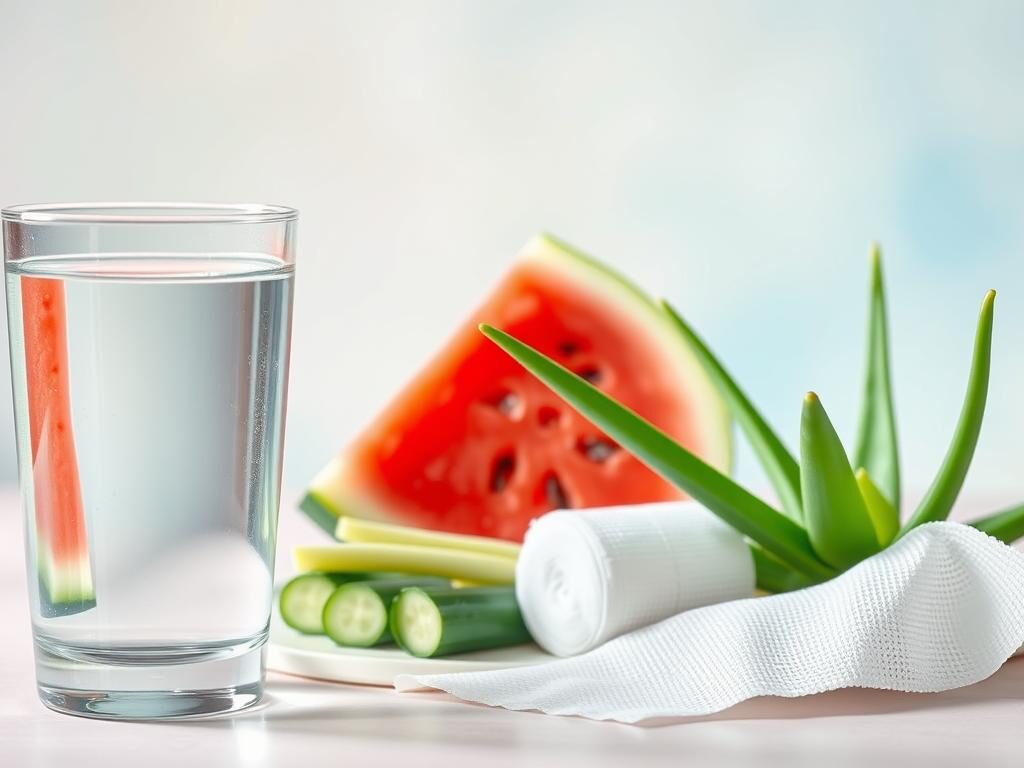
Eating foods high in water can help you stay hydrated. Watermelon, cucumbers, and celery are good choices. They’re hydrating and full of nutrients.
Innovative Hydration Strategies for Patients
If staying hydrated is hard, there are new ways to help. Use hydration apps or set reminders to drink water. Also, try electrolyte-rich drinks or supplements to keep your electrolyte balance right.
Anti-Inflammatory Foods That Reduce Healing Time
Eating foods that fight inflammation can help your body heal faster. These foods lower inflammation, which is key for healing.
Omega-3 Rich Sources
Omega-3 fatty acids are great at fighting inflammation. You can find them in fatty fish like salmon and sardines. Flaxseeds and walnuts are also good sources. Adding these to your meals can help your body heal.
Colorful Fruits and Vegetables
Colorful fruits and veggies are full of antioxidants and nutrients. Berries, leafy greens, and bell peppers are great choices. They not only fight inflammation but also give you important vitamins and minerals.
Herbs and Spices with Healing Properties
Some herbs and spices can help reduce inflammation. Turmeric, ginger, and garlic are known for their anti-inflammatory effects. Adding them to your food can help your body heal faster.
New Research on Natural Anti-Inflammatories
New studies show that natural compounds can fight inflammation. For example, curcumin in turmeric is very effective. Research also points to the benefits of polyphenols in green tea and dark chocolate.
| Food | Anti-Inflammatory Compound | Benefit |
|---|---|---|
| Salmon | Omega-3 fatty acids | Reduces inflammation |
| Turmeric | Curcumin | Potent anti-inflammatory effects |
| Berries | Antioxidants | Combats oxidative stress |
Eating these anti-inflammatory foods can help your body heal faster. It supports your body’s natural healing process.
Foods to Avoid During the Wound Healing Process
Knowing which foods to avoid is key to healing wounds. Eating the right foods is important. But, it’s also vital to stay away from foods that slow healing.
Sugar and Refined Carbohydrates
Sugar and refined carbs can slow down healing. They cause inflammation and raise blood sugar. Try to cut down on sugary snacks and white bread to keep blood sugar stable and aid healing.
Processed Foods and Additives
Processed foods have unhealthy fats, salts, and preservatives. These can harm wound healing. Choose whole foods like fruits, veggies, and lean proteins for better nutrients without additives.
Alcohol and Its Impact on Recovery
Drinking alcohol can slow healing by weakening the body’s fight against infection. Stay away from alcohol while recovering to help your body heal better.
Recent Evidence on Dietary Obstacles to Healing
Recent studies show diet’s big role in wound healing. Here’s a table with foods to avoid:
| Food Category | Impact on Wound Healing | Recommended Action |
|---|---|---|
| Sugar and Refined Carbohydrates | Causes inflammation and increases blood sugar | Limit sugary snacks and white bread |
| Processed Foods | Contains unhealthy fats, salts, and preservatives | Opt for whole foods like fruits and vegetables |
| Alcohol | Impairs infection fighting and nutrient absorption | Avoid alcohol during recovery |
Creating a Balanced Meal Plan for Wound Recovery
When you’re recovering from a wound, eating well is key. A good diet helps your body fix tissues, fight off infections, and get stronger.
Sample Daily Menu for Optimal Healing
Start your day with a breakfast full of protein and vitamin C. Try scrambled eggs with spinach and orange slices.
Nutritional Balance is essential. Make sure each meal has protein, healthy fats, and complex carbs. A good meal could be grilled chicken, quinoa, and steamed broccoli.
Meal Prep Tips for When You’re Recovering
When you’re recovering, meal prep is a big help. Here are some tips:
- Make meals ahead of time to save effort and energy.
- Use a slow cooker for easy, nutritious soups and stews.
- Have healthy snacks ready, like nuts and dried fruits.
Adjusting Your Diet Based on Wound Type
Different wounds need different diets. For example, surgical wounds might need more protein for healing.
Expert-Approved Nutrition Schedules
Talking to a healthcare pro or dietitian can help. They can give you a diet plan that fits your wound and health.
| Wound Type | Nutritional Focus | Sample Foods |
|---|---|---|
| Surgical Wound | High Protein | Lean meats, fish, eggs, dairy |
| Diabetic Wound | Controlled Carbohydrates, High Fiber | Whole grains, vegetables, fruits |
| Pressure Ulcer | High Calorie, High Protein | Nuts, seeds, full-fat dairy, lean meats |
Special Dietary Considerations for Chronic Wounds
Understanding nutrition’s role in healing is key when dealing with chronic wounds. These include diabetic foot ulcers, pressure ulcers, and slow-healing surgical wounds. A specific diet is needed to support recovery.
Diabetic Wound Nutrition Strategies
For those with diabetes, controlling blood sugar is critical for wound healing. Eating foods high in fiber, vitamins, and minerals helps manage blood glucose. Foods high in antioxidants, like berries and leafy greens, also aid in healing.
Pressure Ulcer Dietary Support
Pressure ulcers need a diet that supports tissue repair and regeneration. Increasing protein intake is important, as is eating foods rich in vitamin C and zinc. A balanced diet with fruits, vegetables, and lean proteins helps in recovery.
Nutrition for Slow-Healing Surgical Wounds
Slow-healing surgical wounds benefit from a diet rich in protein and essential nutrients. Adequate hydration is also vital for wound healing.
Personalized Nutrition Plans for Complex Cases
In complex cases, a personalized nutrition plan can greatly help. Working with a healthcare professional or registered dietitian is essential. They can create a diet tailored to individual needs. Key considerations include:
- Assessing nutritional deficiencies
- Creating a balanced meal plan
- Monitoring progress and adjusting the diet as needed
Conclusion: Professional Support for Your Healing Journey
Proper nutrition is key for wound healing. It gives your body what it needs to recover. Eating foods rich in protein, vitamins, and minerals helps your body heal naturally.
A balanced diet is important, but professional wound care is even more so. It can prevent problems, help wounds heal faster, and cut down recovery time. If you have a wound, getting help from a good wound care provider is a smart move.
Dominion Mobile Wound Care offers top-notch wound healing support right at your home. Their skilled team provides personalized care and advice. This ensures you get the best results in your healing journey.
Combining a healthy diet with professional wound care can greatly improve your recovery. To learn more about Dominion Mobile Wound Care’s services, check them out today.
FAQ
What are the best protein foods for wound healing?
Good protein sources for healing wounds include chicken, fish, beef, and eggs. Plant-based options like beans, lentils, tofu, and tempeh are also beneficial.
How do vitamins help in wound recovery?
Vitamins like Vitamin C, Vitamin A, and B Vitamins are key. They help with collagen production, controlling inflammation, and providing energy for faster healing.
What are some hydration tips for optimal wound healing?
Drinking plenty of water and keeping electrolytes balanced is important. Include foods like watermelon, cucumbers, and celery in your diet to stay hydrated and aid in wound recovery.
Are there any specific minerals that support wound healing?
Yes, minerals like zinc, iron, copper, and selenium are vital. They help as catalysts, transport oxygen, and offer antioxidant benefits for healing wounds.
What foods should be avoided during the wound healing process?
Avoid foods high in sugar, refined carbs, processed items, and alcohol. These can slow down healing and cause complications.
How can I create a balanced meal plan for wound recovery?
A balanced meal plan includes protein-rich foods, essential vitamins, and minerals. Adjust your diet based on your wound type and nutritional needs.
Are there any special dietary considerations for chronic wounds?
Yes, chronic wounds may require specific diets. This includes diabetic wound nutrition, support for pressure ulcers, and nutrition for slow-healing surgical wounds.
Can antioxidants help in wound healing?
Yes, antioxidants are vital for tissue regeneration. They help speed up healing by reducing oxidative stress and inflammation.
How much protein should I consume for wound healing?
The right amount of protein for wound healing varies. Generally, aim to consume enough to support tissue repair and regeneration.