

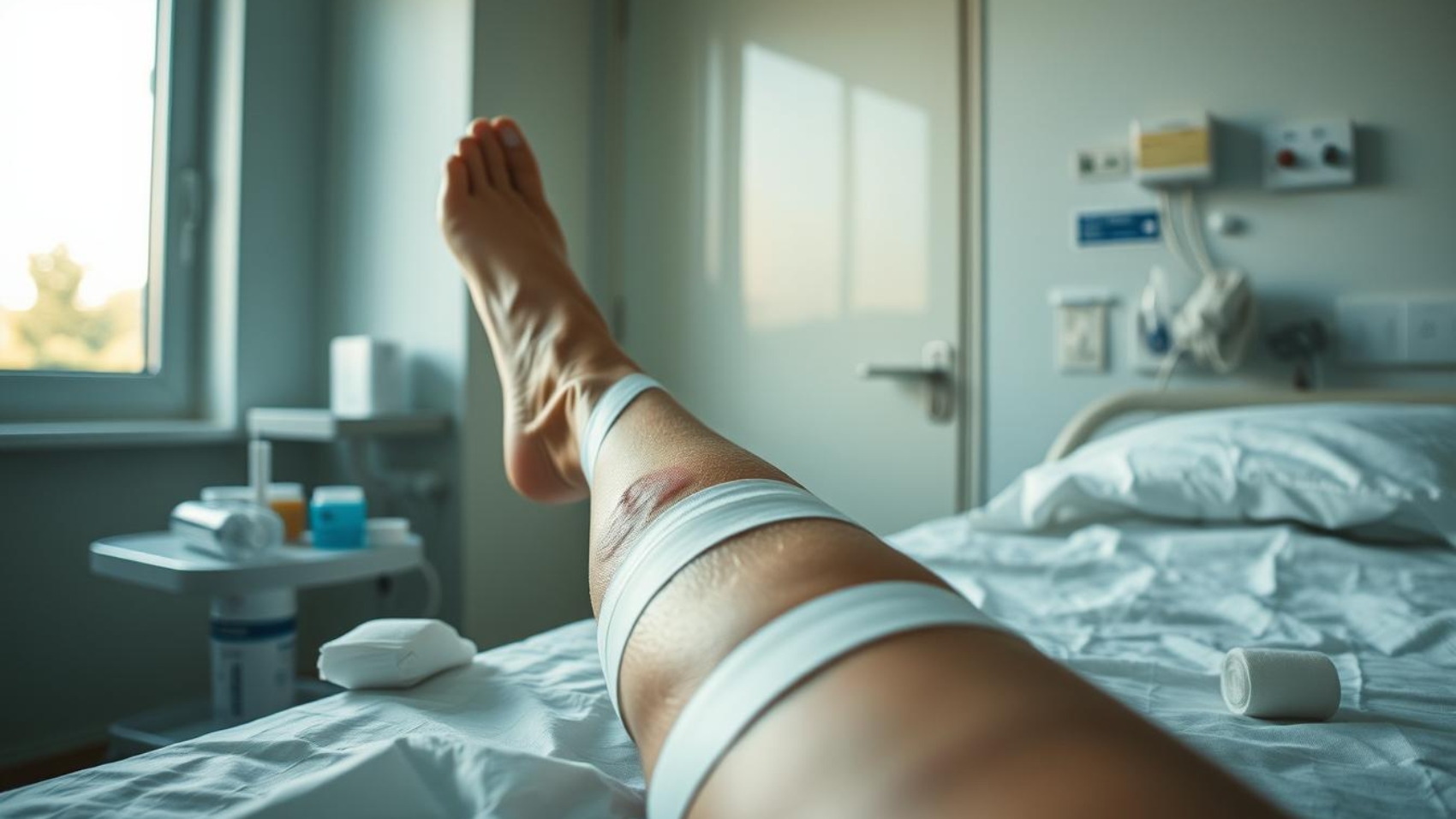
Dealing with skin breakdown is tough and painful. Chronic ulcers are open sores that don’t heal fast. They cause a lot of discomfort and can really affect your life.
Dominion Mobile Wound Care brings top-notch wound care right to your home. This makes it easy and effective for people with these long-lasting wounds.
You don’t have to let chronic ulcers control your life. With the right treatment and care, you can heal and get your health back.
Key Takeaways
- Understanding the causes of chronic ulcers is key to treating them.
- Dominion Mobile Wound Care offers a convenient at-home solution.
- Advanced wound care techniques can greatly speed up healing.
- Proper care can lessen discomfort and improve your life quality.
- Getting professional help is a big step in managing chronic ulcers.
Understanding Chronic Ulcers
Dealing with a wound that won’t heal can be tough. Chronic ulcers are wounds that take a long time to heal. They can last for weeks, months, or even years. This can cause a lot of pain, known as ulcer pain, and affect your overall health.
What Defines a Chronic Ulcer
A chronic ulcer doesn’t heal quickly. It’s often because of health issues or things that slow healing. These ulcers can happen for many reasons, like poor blood flow, diabetes, or too much pressure on an area. Knowing why your ulcer is chronic is key to finding the right treatment, including long-term wound support.
The Impact on Quality of Life
Chronic ulcers can really change your life. They cause physical pain and emotional stress. The ongoing pain and trouble with these wounds can make you feel frustrated and alone. It’s important to tackle both the physical and emotional sides of living with a chronic ulcer to better your life.
Common Types of Chronic Ulcers
Chronic ulcers come in different forms, each with its own set of challenges. The main types are venous, arterial, and diabetic ulcers. Each needs a special care plan. Knowing the differences is key for good chronic ulcer care.
Venous Ulcers
Venous ulcers happen because of bad blood flow from the legs to the heart. They show up as swelling, redness, and a heavy feeling in the legs. To treat them, you need good wound care and compression therapy.
Arterial Ulcers
Arterial ulcers are caused by not enough blood getting to the area. They hurt a lot and usually show up on the ankle’s outer side or toes. To fix them, you need to improve blood flow, either through surgery or medicine.
Diabetic Ulcers
Diabetic ulcers are a diabetes problem, caused by nerve damage and bad blood flow. They often pop up on the feet and can get infected if not treated right. To manage them, you need to keep blood sugar in check, take care of the wound, and prevent them from coming back.
Knowing what kind of chronic ulcer you have is the first step to treating it. If you’re facing any of these issues, talk to experts like Dominion Mobile Wound Care for tailored care.
The Root Causes of Persistent Wounds
Persistent wounds can stem from several root causes. Addressing these can greatly improve healing. You might be feeling ulcer pain due to underlying issues that need attention.
Circulatory Issues
Circulatory problems are a big reason for chronic ulcers. Poor blood flow means less oxygen and nutrients to the wound. This slows healing. Conditions like varicose veins and peripheral artery disease can cause venous or arterial ulcers.
Metabolic Disorders
Metabolic disorders, like diabetes, are key in chronic ulcer formation. High blood sugar damages nerves and blood vessels. This impairs circulation and sensation, leading to diabetic ulcers, often on the feet.
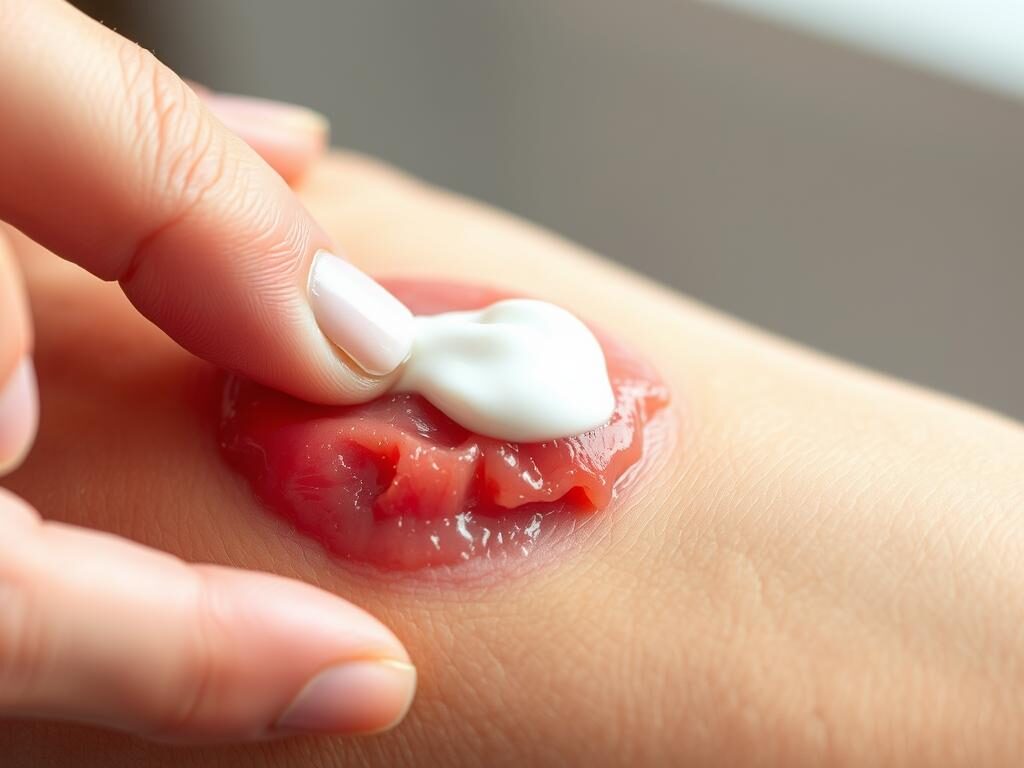
Pressure and Immobility
Long-term pressure, often from immobility, can cause ulcers. This is common in those who are bedridden or use wheelchairs. Moving regularly and using proper cushions can help prevent this, supporting long-term wound support.
Understanding these causes is the first step to managing and healing chronic ulcers.
Risk Factors You Should Know
It’s important to know the risk factors for chronic ulcers to prevent and manage them well. Being aware of these factors helps you take steps to lower your risk.
Age-Related Concerns
As you get older, your skin heals slower. This makes you more likely to get skin breakdown and chronic ulcers. People over 60 face a higher risk because of less mobility, poor circulation, and other health problems.
Medical Conditions That Increase Risk
Some medical conditions raise your risk of chronic ulcers. These include diabetes, vascular diseases, and conditions that affect how you move or feel, like spinal cord injuries. It’s key to manage these conditions well to avoid ulcers.
Lifestyle Factors
Your lifestyle choices also impact your risk of chronic ulcers. Smoking, bad nutrition, and not being active enough can increase your risk. Eating well, staying hydrated, and being active can help lower these risks.
| Risk Factor | Description | Preventive Measures |
|---|---|---|
| Age | Increased risk over 60 years | Regular check-ups, mobility exercises |
| Medical Conditions | Diabetes, vascular diseases | Effective condition management |
| Lifestyle Choices | Smoking, poor nutrition | Healthy diet, quitting smoking |
At Dominion Mobile Wound Care, we know how vital awareness and preventive care are. By understanding the risk factors and taking action, you can greatly reduce your chance of getting chronic ulcers.
Recognizing the Warning Signs of Skin Breakdown
Knowing the signs of skin breakdown is key to managing your wound healing. Spotting changes in your skin early can help prevent serious issues.
Early Indicators
Look out for redness, swelling, and warmth in the affected area. You might feel pain or discomfort when pressure is applied. Catching these signs early is important.
When to Seek Immediate Medical Attention
Seek medical help if you see increased redness, pus, or a foul odor from the wound. Also, if you have a fever or chills, it could mean an infection. These are signs you need to act fast.
Quick action can stop problems and help your wound heal better.
Chronic Ulcer Care: Best Practices and Approaches
To heal chronic ulcers, a holistic care plan is key. It includes medical treatments, wound dressing, and lifestyle changes. These strategies work together to help heal and manage symptoms.
Medical Interventions
Medical treatments are vital for chronic ulcer care. They include debridement, removing dead tissue, and using negative pressure wound therapy or bioengineered skin substitutes. These help create a healing environment.
| Medical Intervention | Description | Benefits |
|---|---|---|
| Debridement | Removal of dead tissue | Promotes healing, reduces infection risk |
| Negative Pressure Wound Therapy | Application of negative pressure to enhance wound healing | Enhances blood flow, reduces bacterial load |
Wound Dressing Techniques
Choosing the right wound dressing is important. It protects the ulcer from injury and infection. Moisture-retentive and antimicrobial dressings are good options, based on the ulcer’s type and healing stage.
Lifestyle Modifications
Lifestyle changes are essential for healing. Eating a diet rich in proteins and vitamins, staying hydrated, and avoiding smoking are important. Regular, gentle exercise also helps.
By following these best practices, you can improve your chronic ulcer healing. For personalized care, contact professionals like Dominion Mobile Wound Care. They offer expert advice and support at home.
Home-Based Treatment Solutions
Managing chronic ulcers at home needs a detailed plan. This includes making a healing-friendly environment. Dominion Mobile Wound Care offers expert advice on treating ulcers at home.
Creating an Optimal Healing Environment
To heal ulcers well, keep the area clean and dry. This means changing dressings often and using the right materials. Also, moisturizing the skin around the ulcer helps prevent further damage.
Tips for an Optimal Healing Environment:
- Keep the wound area clean and dry
- Use appropriate dressing materials
- Maintain a moisturized surrounding skin area
Proper Wound Cleaning Protocols
Cleaning the wound right is key to avoiding infections and helping it heal. Use saline solution or water for gentle cleaning. Stay away from harsh soaps that can irritate the skin.
Nutrition for Wound Healing
Good nutrition is vital for wound healing. Eat a balanced diet full of vitamins and minerals. Focus on Vitamin C, zinc, and protein, which are important for healing.
| Nutrient | Role in Wound Healing | Food Sources |
|---|---|---|
| Vitamin C | Boosts collagen production and immune function | Citrus fruits, berries, leafy greens |
| Zinc | Supports immune function and tissue repair | Red meat, poultry, beans, nuts |
| Protein | Essential for tissue repair and regeneration | Lean meats, fish, eggs, dairy products |
By following these tips and creating a supportive environment, you can help your ulcers heal at home.
Managing Ulcer Pain Effectively
To improve your quality of life, managing ulcer pain is key. Living with chronic ulcers can be tough, thanks to the pain. Effective pain management is a big part of chronic ulcer care.
Medication Options
You have many ways to manage ulcer pain. Topical analgesics can be applied directly to the wound to numb it. For more severe pain, oral medications like pain relievers might be needed. Always follow your healthcare provider’s advice on medication.
For more info on managing wound pain, check out this resource.
Non-Pharmaceutical Approaches
There are also non-medication ways to manage ulcer pain. Techniques like elevation, compression therapy, and proper wound dressing can help. A healthy lifestyle, including a balanced diet and regular exercise, can also reduce pain.
When Pain Signals Complications
Increased or severe pain can mean complications. If pain gets worse or changes suddenly, get medical help right away. Signs of complications like infection or delayed healing include changes in pain levels.
Keep an eye on your pain and tell your healthcare provider about any changes. This is very important.
Benefits of Receiving Wound Care at Home
Getting wound care at home has many benefits for those with chronic ulcers. It lets you heal in a place you know well, making the process easier and more personal.
Comfort and Convenience Factors
Home wound care is all about comfort and ease. You don’t have to worry about going to a hospital, which is great for those who find it hard to move. Care is provided in a familiar setting, making you feel more at ease.
Reduced Infection Risk
Home care also lowers the risk of getting an infection. Hospitals and clinics can be places where bacteria spread easily. By staying home, you avoid these risks. Proper wound cleaning and dressing techniques are key to keeping things clean and safe.
| Benefits | Description |
|---|---|
| Comfort | Receive care in the comfort of your own home |
| Reduced Infection Risk | Minimize exposure to hospital-acquired infections |
| Personalized Care | Tailored care to meet your specific needs |
Personalized Care Environment
A personalized care environment is key for healing wounds. At home, your care team can make a plan just for you. This includes long-term wound support and managing skin breakdown. Such a plan can lead to better healing and a better life.

If you have a chronic ulcer, think about getting wound care at home. With Dominion Mobile Wound Care, you can get top-notch care right in your home.
The Dominion Mobile Wound Care Difference
Dominion Mobile Wound Care is changing how we treat chronic ulcers. They bring expert care right to your home. Their focus on quality and patient care is making a big difference in managing chronic ulcers.
Our Specialized Home Care Services
Dominion Mobile Wound Care offers specialized home care services just for you. Our team works with you and your doctor to create a care plan. This ensures you get the best treatment in your own home.
Our skilled nurses visit regularly. They provide wound care, check on your healing, and adjust your treatment as needed.
Advanced Treatment Technologies
At Dominion Mobile Wound Care, we use advanced treatment technologies to help wounds heal. Our modern equipment and therapies tackle even tough wounds.
Patient Success Stories
Our patients’ success stories show how well our approach works. We’ve helped many people with chronic ulcers heal and improve their lives.
We offer long-term wound support and guidance. This helps our patients manage their healing journey. They achieve great results and feel better overall.
Conclusion: Taking Control of Your Wound Healing Journey
Understanding and managing chronic ulcers is key to a better life. Recognizing skin breakdown signs and managing pain are the first steps to healing.
Controlling your wound healing journey means getting the right care and making lifestyle changes. With proper treatment and support, you can beat the challenges of chronic ulcers.
Dominion Mobile Wound Care offers home care services, advanced treatments, and personalized care. Their team can help you recover in your own home.
Don’t let chronic ulcers stop you. Start healing and improving your well-being with Dominion Mobile Wound Care. Their dedicated team is here to help you on your journey to health and happiness.
FAQ
What are chronic ulcers, and how do they differ from acute wounds?
Chronic ulcers are open sores that don’t heal quickly. They cause a lot of discomfort and affect your life quality. Unlike acute wounds, chronic ulcers last a long time and need special care.
What are the common types of chronic ulcers, and how are they treated?
Common chronic ulcers include venous, arterial, and diabetic ulcers. Treatment varies but may include medicine, wound dressings, and lifestyle changes.
What are the risk factors for developing chronic ulcers?
Risk factors include age, medical conditions like circulatory issues, and lifestyle factors. Knowing these risks helps prevent ulcers.
How can I recognize the warning signs of skin breakdown?
Look for skin color, temperature, or texture changes, and pain. If you notice these signs, get medical help right away.
What are the best practices for managing chronic ulcers at home?
Effective care includes creating a healing environment, proper cleaning, and nutrition. These steps help your ulcer heal.
How can I manage ulcer pain effectively?
Pain management may involve medicine, non-medical methods, or both. Always consult a healthcare professional for the best plan.
What are the benefits of receiving wound care at home?
Home care is comfortable and convenient. It also reduces infection risk and provides personalized care.
How can Dominion Mobile Wound Care support my wound healing journey?
Dominion Mobile Wound Care offers home care services, advanced treatments, and personalized care. They tailor their services to your needs.
What can I expect from Dominion Mobile Wound Care’s services?
Expect expert care and a focus on your well-being. They aim to help you heal and improve your life.
How can I take control of my wound healing journey?
Seek professional help, follow wound care best practices, and work with a trusted provider like Dominion Mobile Wound Care. These steps help you heal and improve your life.