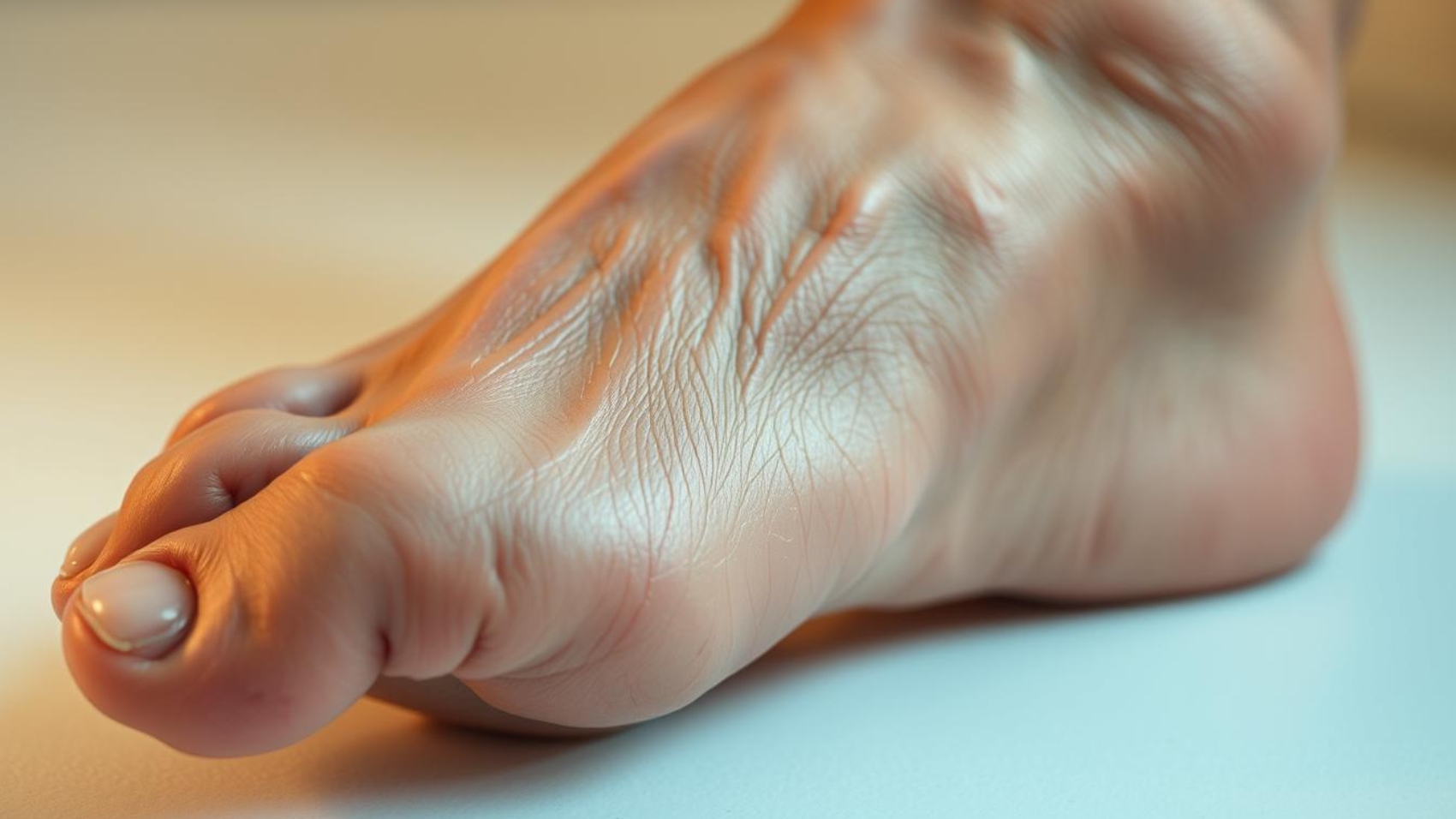
This short guide helps you take clear, practical steps at home to support healing and lower your risk of complications from a diabetic foot ulcer.
About 15% of people with diabetes develop a sore on a toe or sole, and those wounds precede most diabetes-related amputations. Prompt care, pressure relief, and coordinated follow-up matter.
You’ll learn how to cleanse and protect the wound safely, maintain a moist healing environment, and reduce pressure with the right footwear or off-loading. We explain when to keep managing at home and when to seek urgent in-person help for spreading infection or worsening signs.
Dominion Mobile Wound Care can coordinate professional steps with your daily life so you stay on track. Hire Dominion Mobile Wound Care to help heal your wounds and protect your body.
Key Takeaways
- Early attention to any sore greatly lowers the chance of serious infection or amputation.
- Simple daily care—cleaning, dressing, and pressure management—supports healing.
- Keep a moist but not macerated wound environment and check blood sugar control.
- Use proper footwear and off-loading to reduce risk of repeat damage.
- Know warning signs that require urgent in-person care and follow clinical plans.
- Mobile services like Dominion Mobile Wound Care can blend care with your routine.
Understanding Diabetic Foot Ulcers and Why Prompt Care Matters
Prompt action matters because a small sore can become a serious problem fast. About 15% of people with diabetes will develop a diabetic foot ulcer, and roughly 6% need hospital care for infection or complications.
Between 14–24% of those who develop an ulcer may face amputation later, and ulceration precedes about 85% of diabetes-related amputations. That makes early, coordinated care central to reducing risk and protecting your body.
You should treat any ulcer on your foot as urgent. Quick attention lowers the chance of spreading infection and reduces the odds of hospitalization.
Coordinated wound care tackles the factors that slow healing: high blood sugar, pressure on the wound, and poor circulation. Professional checks also look for bone involvement and circulation problems so home steps stay safe and effective.
Dominion Mobile Wound Care can evaluate wounds in your home, start timely care, and set follow-up plans that include off-loading and dressing choices. With prompt guidance, you can fold simple at-home routines into a larger plan that supports recovery.
- Act fast for any new wound on your foot.
- Watch for drainage, odor, redness, or swelling.
- Get coordinated care to lower the chance of amputation.
What Causes Diabetic Foot Ulcers: Neuropathy, Poor Blood Flow, and Pressure
When nerves stop sending clear signals and arteries deliver less oxygen, even minor pressure can cause a lasting sore.
Diabetic peripheral neuropathy is a leading cause. It plays a role in nearly 90% of diabetic foot ulcers. Sensory loss means you may not feel a cut. Motor changes shift weight to new areas under your toes and sole. Autonomic nerve damage lowers sweat, drying skin and creating cracks.
Peripheral artery disease narrows arteries and reduces blood flow. PAD is 2–8 times more common in diabetes and can slow healing by cutting off oxygen and nutrients. Many people have both neuropathy and PAD at once, which raises risk further.
- Types include neuropathic (nerve-driven), ischemic (arterial disease), and neuroischemic (both).
- Repeated pressure on bony areas and rubbing from shoes can start tissue breakdown.
- Recognizing the type helps guide off-loading and dressing choices.
Dominion Mobile Wound Care educates you about causes and tailors care plans to your specific ulcer type so healing follows the right path.
Early Signs, Progression, and Diagnosis You Should Know
Spotting early changes in your skin can make the difference between a simple irritation and a serious wound. Look daily at pressure areas and between your toes for dryness, cracking, redness, or scaly patches. Small problems can worsen if you miss them.
Recognizing advanced signs matters too. A callus or a firm halo around a sore often means deeper injury and added pressure. Drainage on socks, brown discoloration, or a strong odor suggests possible infection and needs prompt evaluation.

How clinicians assess depth, infection, and bone involvement
Providers inspect the wound location, borders, and surrounding skin to stage the problem. Systems like the Wagner scale grade depth from intact skin to full‑foot gangrene and guide next steps.
If bone involvement is suspected, clinicians order imaging—X‑ray, CT, or MRI—to check for osteomyelitis. Signs such as spreading warmth, redness, or tenderness may indicate cellulitis that needs antibiotics.
- Watch for early skin changes—dryness, cracking, redness, or scaling—especially on pressure points and between toes.
- A callus or firm ring around a sore suggests deepening injury and rising pressure that can worsen a foot ulcer.
- Drainage, brown discoloration, or strong odor can mean infection and requires timely assessment.
- Pain may be absent because of neuropathy, so daily visual checks are vital to catch problems in time.
- Document size and depth weekly to track progress or spot stalled healing.
Dominion Mobile Wound Care can evaluate your wound at home and arrange imaging or specialty referrals when indicated, helping you act quickly and stay on the right plan.
How-To: At-Home Foot Ulcer Treatment Essentials
Practical at-home care helps protect tissue, lower infection risk, and support steady wound healing. Start with a simple daily routine and adjust as your clinician recommends.
Cleanse and protect
Wash the area gently with lukewarm water or saline. Pat the surrounding skin dry—do not rub—and apply a clean, sterile dressing.
Avoid harsh antiseptics that injure tissue. Use products your provider approves and change dressings on the schedule they give you.
Off-loading pressure
Reducing pressure is essential. Limit weight-bearing and use physician-recommended shoes, casts, or crutches to protect the spot.
Blood glucose and general care
Keep blood glucose in your target range to support immunity and wound repair. Good glucose control speeds healing and lowers the risk of infections.
Maintain moisture without maceration
Choose dressings that match drainage levels to keep the wound moist but not waterlogged. Replace them as instructed to avoid maceration of surrounding skin.
Medication guidance
If you see spreading redness, increasing drainage, warmth, or fever, contact your provider. Systemic antibiotics may be needed for deeper infections; Dominion Mobile Wound Care can coordinate this care and provide in‑home dressing changes and off‑loading guidance.
- Keep shoes and insoles clean and avoid barefoot walking.
- Protect fragile skin with barrier creams where needed.
- Call your clinician promptly for signs of worsening or new drainage.
The Right Dressings and Supplies to Support Wound Healing
Matching the dressing to the wound’s needs helps you keep a moist environment that speeds wound healing and lowers infection risk.
Moisture-managing options let you control drainage and protect tissue. Hydrogels suit dry wounds, hydrocolloids or composites fit low to moderate exudate, and alginates absorb heavy drainage.
Advanced choices
Collagen and antimicrobial dressings or skin substitutes can jumpstart repair when simple options stall. These products may be used when deeper tissue support is needed or when a patient shows slow progress.
Debridement and topical agents
Debridement removes nonviable tissue and slough to reduce bacterial load and encourage healthy granulation. Technique matters: gentle debridement preserves viable skin and blood supply while clearing debris.
- Choose dressings by drainage level to optimize healing.
- Protect surrounding skin with barrier films and proper sizing.
- Monitor for infection signs; topical agents help but don’t replace clinical oversight.
- Ensure adequate circulation—reassess blood flow if progress stalls.
Dominion Mobile Wound Care brings professional-grade supplies and safe debridement to your home, selecting the right type for your diabetic foot to support steady improvement.
When At-Home Care Isn’t Enough: Red Flags That Need Urgent Medical Attention
Recognizing urgent warning signs early can stop a small sore from becoming a limb‑threatening problem. If you notice worsening signs, act quickly to lower the risk of serious infection or loss.

Signs of infection or osteomyelitis
If drainage increases, a foul odor appears, fever develops, or severe pain starts, seek immediate care. Spreading redness, warmth, and tenderness often mean cellulitis and need prompt treatment.
Deep infections can reach bone. Imaging (X‑ray, CT, or MRI) and IV antibiotics or surgery may be required to control the problem and reduce the chance of amputation.
Poor circulation warnings
Color changes, new rest pain, cold toes, or tissue that stops improving suggest impaired flow in the arteries. Black or grey tissue and nonhealing areas need vascular assessment without delay.
- Seek care for increased drainage, odor, fever, or rising pain.
- Spreading warmth/redness can indicate cellulitis; deep infection may probe to bone.
- Rest pain, pallor, or persistent nonhealing tissue signal poor blood flow.
- Rapid intervention lowers the risk of amputation by treating infection and circulation issues early.
Dominion Mobile Wound Care triages urgent warning signs at home and expedites referrals for imaging, IV antibiotics, or vascular evaluation so you get timely, expert care.
Prevention at Home: Daily Foot Care, Footwear, and Risk Reduction
A few practical habits each day reduce the chance of new sores and keep small issues from getting worse.
Daily inspections matter. Check soles, between your toes, and around nail edges for cuts, blisters, or color changes.
If neuropathy reduces sensation, use a mirror or ask someone to help so you don’t miss subtle problems.
Footwear and off-loading
Wear properly fitted shoes and seamless socks to lower pressure on vulnerable skin. Avoid tight spots or seams that rub.
Use cushioned insoles or prescribed devices to off-load pressure if you have bony prominences or prior ulcers.
Lifestyle factors to cut risk
Prioritize glucose, cholesterol, and blood pressure control to support blood flow and healing.
Stop smoking and limit alcohol—both raise the chance that tissue won’t recover.
Maintain gentle activity approved by your provider to boost circulation without stressing the ankle or foot.
- Inspect daily—soles, toes, and nail edges.
- Trim toenails straight; avoid aggressive clipping that can break skin.
- Schedule regular preventive checks; a trained team can spot problems early.
Dominion Mobile Wound Care provides in-home education, footwear guidance, and periodic checks to tailor prevention for your patient profile.
Healing Timeline and Factors That Influence Recovery
How fast a sore closes depends less on luck and more on size, circulation, and whether pressure is relieved.
Wound size, location, and pressure load
Expect healing to take weeks to months. Larger or deeper wounds on high‑pressure spots need more time and careful off‑loading.
Key factors that slow or speed recovery include ulcer size, where it sits on your foot, and daily pressure from standing or walking.
Circulation status, swelling control, and consistent follow-up
Good blood flow is essential. Poor circulation or ongoing infection can stall wound healing and may lead to debridement or even surgery to correct pressure points.
Swelling control, glucose management, and regular follow‑up let your care team adjust dressings and therapies quickly.
- Expect gradual size reduction each week; track progress with photos or measurements.
- Off‑loading and edema control create a favorable environment for healing foot progress.
- If healing plateaus, advanced therapies or surgical correction can restart repair and reduce amputation risk.
Dominion Mobile Wound Care measures these factors at every visit and adjusts the plan over time so you stay on a clear path to healing.
Conclusion
A clear, consistent home routine plus timely medical steps gives you the best chance to heal and avoid serious complications.
Use daily cleansing, the right dressings, off‑loading, and tight glucose control to create an environment that supports recovery. Monitor for worsening pain, spreading redness, odor, or increased drainage—these signs may mean infection or cellulitis and need prompt care.
Address neuropathy, pressure points, and arterial disease with proper shoes, protective devices, and medical evaluation. If bone involvement or stalled healing appears, imaging and surgical removal of infected tissue can protect your limb.
Dominion Mobile Wound Care brings expert debridement, advanced dressings, and personalized follow‑up to your home. Hire Dominion Mobile Wound Care to help heal your wounds and protect your body so you can get back to what matters.
FAQ
What at-home steps can you take to help heal a diabetic foot wound?
Start by gently washing the area with mild soap and warm water, then pat dry with a clean towel. Protect the site with a sterile dressing that maintains moisture but prevents maceration. Keep weight off the wound using a recommended off-loading device or supportive shoe. Check your blood glucose and work to keep levels within your target range to support immune function and tissue repair. Change dressings as advised and call your provider if you see increased drainage, redness, or pain.
Why does prompt care matter for diabetic foot problems?
Diabetes can reduce sensation and impair circulation, so small breaks in the skin can worsen quickly without you noticing. Early care lowers the risk of infection, speeds healing, and helps prevent deep tissue damage, bone infection, or the need for surgery. Acting quickly improves outcomes and preserves mobility.
How do neuropathy and poor blood flow cause these wounds?
Nerve damage reduces feeling, so you may not sense pressure, heat, or cuts. Muscle changes and foot deformities increase pressure points. At the same time, peripheral artery disease limits blood flow, slowing delivery of oxygen and nutrients that wounds need to heal. Both factors often combine, producing neuropathic, ischemic, or mixed (neuroischemic) sores.
What early signs should you watch for versus advanced warning signs?
Early signs include a small open sore, redness, callus overlying a soft spot, or minor drainage. Advanced warning signs include spreading redness, foul odor, increasing pain, fever, swelling, black or pale tissue, or visible bone. Any of the latter require urgent medical evaluation.
How do clinicians check a wound for depth, infection, or bone involvement?
Providers inspect and probe the wound, measure its size and depth, and assess surrounding tissue. They may take wound cultures, order blood tests, and use imaging like X-ray or MRI to check for bone infection (osteomyelitis). Vascular testing, such as ankle-brachial index or duplex ultrasound, evaluates blood flow.
How should you cleanse and protect a sore safely at home?
Use lukewarm water and mild soap; avoid harsh antiseptics unless directed. Gently rinse and pat dry. Apply a sterile, moisture-balancing dressing and secure it without restricting circulation. Keep the area clean and change dressings with clean hands or gloves.
What does off-loading mean, and why is it important?
Off-loading removes pressure from the wound so tissue can repair. That may mean using a cast boot, specialized sandal, or cushioned insole, and avoiding activities that load the area. Continuous pressure delays healing and increases risk of deeper injury.
When should you expect antibiotics, and which symptoms indicate infection?
Antibiotics are prescribed when signs of infection appear: increasing warmth, redness, swelling, purulent drainage, odor, fever, or spreading cellulitis. Your clinician chooses oral or IV antibiotics based on infection severity and test results.
Which dressings and supplies support a healthy wound environment?
Moisture-managing options—hydrogels, hydrocolloids, and alginates—help maintain a moist bed without soaking surrounding skin. Antimicrobial dressings and collagen products can assist when infection or tissue loss is present. Your clinician will pick a dressing based on exudate level, depth, and surrounding skin condition.
What role does debridement and topical care play?
Removing nonviable tissue (debridement) promotes healing and reduces bacterial load. Providers use sharp, mechanical, or enzymatic methods depending on the wound. Topical agents—such as antimicrobial ointments or moisture-balancing gels—support the healing environment but should follow professional guidance.
What are urgent red flags that mean you need immediate medical attention?
Seek urgent care if you notice spreading redness, increasing or severe pain, fever, foul-smelling drainage, exposed bone, numbness with new color changes, or signs of poor circulation like rest pain or cool, pale skin. These can indicate deep infection or ischemia that requires prompt treatment.
How can you check circulation and what signs suggest poor blood flow?
Look for coolness, weak or absent pulses, color changes, delayed capillary refill, and persistent numbness or rest pain. Ask your clinician for ankle-brachial index testing or a vascular ultrasound to quantify blood flow and guide treatment.
What daily care habits reduce your risk of recurrence?
Inspect your skin daily—soles, between toes, and nail edges—and wash and dry carefully. Wear properly fitting shoes and moisture-wicking socks. Avoid walking barefoot. Manage glucose, stop smoking, control blood pressure and cholesterol, and keep regular podiatry and diabetes clinic visits.
How do shoes, socks, and off-loading devices help prevent new wounds?
Proper footwear redistributes pressure and reduces friction. Diabetic shoes, custom orthotics, padded socks, and boots designed for off-loading protect vulnerable areas and reduce the chance of new sores forming.
How long does healing usually take and what factors influence recovery?
Timeline varies widely. Small, superficial wounds can close in weeks, while larger or deeper lesions may take months. Healing depends on wound size and location, pressure control, blood flow, infection status, glucose control, and consistent follow-up care.
When is surgery or more advanced care considered?
Surgery or revascularization is considered when wounds fail to progress despite proper care, when there is significant tissue loss, severe infection, or poor blood flow that limits healing. Procedures range from focused debridement to vascular bypass or angioplasty, always tailored to your situation.