

You can play a key role in healing and preventing bed-related skin damage at home. Older adults or people who are immobile face higher risk when prolonged pressure, friction, moisture, or shear affects their skin. Early-stage injuries often respond well to prompt care, while deeper damage raises the chance of serious infections and needs clinician input.
Simple steps—regular skin checks, gentle cleansing, and moisture control—help protect fragile areas. Using the right dressing type, like foam or antimicrobial options, supports healing and can lower infection risk. Repositioning on a schedule and using specialist cushions or alternating/low-air-loss mattresses reduce load on vulnerable spots.
Debridement and more advanced approaches are managed by nurses or specialists when needed. Keep a small log of symptoms, products, and position times so your home care stays consistent. For guided care and reliable support, Hire Dominion Mobile Wound Care to help heal your wounds.
Key Takeaways
- Check skin often and act quickly on early changes.
- Relieve pressure with cushions, mattresses, and set repositioning times.
- Choose dressings that match the wound and protect against infections.
- Know when debridement or clinician review is required.
- Track care steps and consult professionals for deeper damage.
Understanding Pressure Sores at Home: What They Are, Why They Happen, and Who’s at Risk
Mechanical forces—constant load, sliding, and moisture—are the main reasons skin and tissue break down when you’re immobile. Continuous pressure squeezes tiny vessels and limits blood, so the deeper layer skin can die before the surface shows changes.
How prolonged load, friction, moisture, and shear damage tissue
Shear happens when skin moves one way and bone moves another, such as slouching in a chair. Friction occurs when you drag across a surface instead of lifting, and moisture from sweat or drainage makes skin weaker.
Who’s at higher risk
- People with limited mobility, long bed rest, or wheelchair use—your risk goes up without scheduled offloading.
- Those with spinal cord injury may not feel pain or heat that normally prompts movement, so routine checks are vital.
- Health conditions like diabetes, anemia, or poor nutrition reduce circulation and slow healing.
Dominion Mobile Wound Care offers in-home education and support to help you prevent and manage these injuries at home.
Spot the Early Signs and Stages Before Complications Develop
Spotting early color shifts and small skin changes helps you stop deeper harm before it starts. Check high-risk areas daily and note anything that looks different from nearby area skin. Early action makes a big difference.
Stage 1
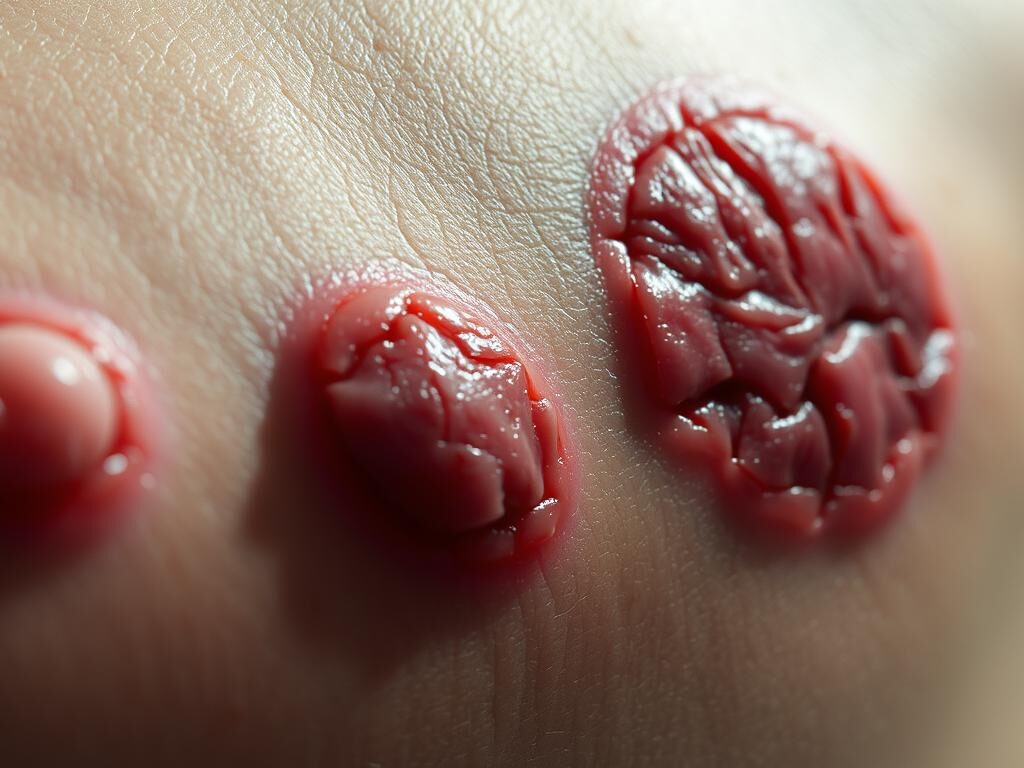
Stage 1 shows non-blanching redness or a color change that does not fade within about 30 minutes after you relieve pressure. Press gently and release; if the color persists, treat it as a warning that deeper tissue may be involved.
Stage 2
Stage 2 means the top skin layer (epidermis) is broken. You may see a shallow open wound and some drainage.
Keep the area clean, protect it from friction, and use a dressing that keeps moisture balanced.
Stages 3 and 4
Stage 3 extends into the dermis and subcutaneous fat. Drainage and devitalized material increase, and debridement or packing may be needed.
Stage 4 reaches muscle and sometimes bone, often with dead tissue and heavy drainage. Surgery is commonly required and infections are more likely.
Signs of Trouble
- Growing size, new black areas, or added pain.
- Foul odor, greenish drainage, swelling, or fever.
- Temperature change or unusual firmness on darker skin tones.
Document the stage, size, drainage, and pain level daily. Take dated photos to track progress. Dominion Mobile Wound Care can help you assess stages accurately at home and set up a monitoring plan so you know when to escalate care.
Pressure Sore Treatment at Home: First Steps to Protect Your Skin and Promote Healing
Start by removing direct load from the affected area. Offload immediately and use pillows, wedges, or cushions to float heels and protect bony points. Dominion Mobile Wound Care can teach safe transfers and positioning so you avoid repeating damage.
Relieve load and set a repositioning plan
Change position as needed: as often as every 15 minutes for chair reliefs, about every 2 hours in bed, or up to every 6 hours if your clinician approves. Review your mattress and cushion to reduce pressure and shear.
Gentle hygiene that supports healing
Clean daily with mild soap and water, rinse well, and pat dry. Do not rub; avoid hot water or harsh scrubs. For friction-prone spots, a transparent film dressing can reduce rubbing while you improve support surfaces.
Daily checks: what to watch for
Perform head-to-toe checks each day. Note what healthy skin looks like for your tone and watch the area for new color change, firmness, or heat.
- Offload now and log positions and care steps.
- Make transfers slow to prevent shear and dragging of area skin.
- Escalate care if a stage 1 pressure ulcer lasts more than a few days or new breakdown appears.
Dressings, Debridement, and Infection Control for Home Care
A clear plan for dressings, debridement options, and infection checks helps you care safely at home. Dominion Mobile Wound Care guides you in selecting dressings and coordinates referrals when you may need clinic-based care.

Choosing dressings
Match the dressing to the wound and the amount of drainage. Hydrocolloids work well for shallow, low-exudate wounds; thin foams cushion and absorb moderate fluid.
For wetter areas, alginate or hydrofiber soaks up exudate. Films protect against friction and let you watch the surface. Hydrogels loosen dry slough, and antimicrobial dressings help when infection risk is high.
- Example: a shallow stage 2 with mild drainage can use DuoDERM for up to five days.
- Allevyn thin foam is good for moderate drainage and cushioning.
- Change damp gauze twice daily and keep it moist between changes.
Debridement basics
Debridement removes dead tissue so healthy tissue can grow. Some dressings promote autolysis; nurses may perform sharp debridement during clinic visits.
Deeper or large cavities may need specialist or surgical removal, negative pressure therapy, or other adjuncts. Dominion Mobile Wound Care helps arrange these options.
Infection watch
Know the signs to call your clinician: new odor, greenish drainage, expanding size, black areas, or rising warmth and fever.
Clean with water or saline, avoid harsh antiseptics unless told to use them, and protect the peri-wound skin with a barrier to prevent maceration. Keep a clean field, wash hands, and dispose of used materials safely to lower infections risk.
Optimize Your Support Surfaces, Bed, and Wheelchair Setup
A well-matched support surface can reduce peak loads on bony points and help avoid deeper damage. Start by reviewing the mattress and cushion that touch your skin most. Small upgrades often yield big benefits.
Mattresses and cushions
Consider specially designed mattresses that spread load and lower peak contact over the hips and heels. Foam options offer steady redistribution for many users.
For higher risk or multiple wounds, advanced alternating or low-air-loss systems may also help. These beds change contact points or manage heat and moisture automatically.
Transfers and positioning
During transfers, avoid dragging skin across sheets or seats. Use slide boards, lift devices, or draw sheets to cut shear and friction that can turn small irritation into an injury.
Practice pressure releases on a schedule—tilt-backs, push-ups, or short weight shifts help keep any one area from bearing load too long.
- Upgrade key surfaces: choose specially designed mattresses for your bed and a pressure-redistributing cushion for your wheelchair.
- Protect common contact points: float heels with pillows, use breathable covers, and smooth sheets to reduce rubbing and heat.
- Use transfer aids: slide boards and draw sheets prevent shear during moves.
- Reassess regularly: as your wounds or mobility change, update cushions, mattresses, and positioning plans.
Dominion Mobile Wound Care can evaluate your home setup and recommend cushions, mattresses, and positioning strategies that fit your needs and budget.
Fuel Healing from the Inside: Nutrition, Hydration, and Whole-Health Factors
What you eat and drink directly affects how quickly nearby tissue repairs and how well your skin resists further breakdown. Good choices in diet and fluids give cells the energy and building blocks needed for wound healing.
Protein, calories, and key nutrients
Prioritize protein at every meal so your body gets amino acids for new tissue and collagen. Aim for enough calories too; if you under-eat, your body may break down muscle and slow repair.
Vitamins A and C, zinc, and iron support collagen formation, immune response, and oxygen transport in blood. If bleeding is present, it can signal good circulation that helps healing, but always report changes to your clinician.
Hydration and managing whole-health issues
Stay well hydrated to maintain skin turgor and help nutrient delivery around the wound. Small, frequent meals or nutrient-dense shakes help when appetite is low.
- Track intake and weight daily to catch declines early.
- Manage blood sugar, anemia, and other health problems that slow wound healing.
- Use fiber and probiotics if you’re on antibiotics to protect gut health.
Dominion Mobile Wound Care can coordinate with your dietitian to align supplements, meals, and hydration with your wound goals and help review medications that affect appetite or absorption.
When to Involve Professionals and Escalate Care
Know the warning signs that mean you should get professional help without delay. Call your clinician if you notice worsening odor, green drainage, fever, expanding redness or black tissue, or a sudden increase in size or pain.
Stage 3 wounds often need special cleaning, debridement, packing, and sometimes antibiotics. You may qualify for specialty surfaces or a pressure-redistributing mattress while healing.
Stage 4 injuries demand prompt evaluation; surgery may be required to remove dead tissue and protect exposed bone. Infections can spread to blood, heart, or bone and become life-threatening.
- Escalate urgently if systemic signs appear—chills, confusion, or fast spreading infection.
- Arrange imaging or labs when bone or joint involvement is possible or infections recur.
- Coordinate care pressure across providers so dressing choices, debridement plans, and nutrition align.
- Set up home nursing if you can’t offload at home or daily care becomes unmanageable.
Dominion Mobile Wound Care coordinates in-home support and helps you know when to go to a clinic or medical center so complications are caught early and care may need escalation safely.
Conclusion
Healing deep skin injuries takes time, steady care, and quick action when new signs appear.
You now know what early breakdown looks like across different parts of the body and how fast offloading reduces further injury from pressure. Combine daily checks, gentle cleansing, and the right dressing to keep the wound stable while watching for infections.
Track pain, drainage, and size. Escalate promptly if bone or deep structures seem involved or if signs worsen; clinic or medical center care, including debridement or surgery, can stop setbacks.
Dominion Mobile Wound Care is ready to come to your home, personalize your plan, and coordinate care. Hire Dominion Mobile Wound Care to help heal your wounds.
FAQ
What causes these skin wounds and who is most at risk?
Prolonged pressure, friction, moisture, and shear break down your skin and the tissue beneath. You’re at higher risk if you have limited mobility, use a wheelchair, spend long periods in bed, or live with a spinal cord injury or other chronic health conditions that affect circulation and sensation.
How do I spot early signs and what are the stages to watch for?
Stage 1 shows non-blanching redness or a color change that doesn’t fade after you relieve pressure. Stage 2 means the top layer of skin is broken or there’s a shallow open area with possible drainage. Stages 3 and 4 involve deeper tissue loss, exposed fat, or even bone and carry higher risk of infection. Look for swelling, foul odor, greenish drainage, fever, blackened tissue, growth in size, or increased pain.
How often should I reposition someone to relieve pressure at home?
Reposition every two hours when lying in bed and at least every 15–30 minutes if seated, depending on mobility and cushion type. Use scheduled turns, pressure-relieving cushions or mattresses, and small position shifts to offload vulnerable areas.
What basic skin care and hygiene should I follow to help wounds heal?
Keep skin clean and dry, use gentle non‑irritating cleansers, and avoid rubbing fragile areas. Apply moisture-barrier products to protect skin exposed to incontinence. For wounds, follow your clinician’s instructions on cleansing, dressing changes, and hand hygiene to reduce infection risk.
Which dressings are commonly used for home wound care and how do I choose one?
Common options include hydrocolloids, foam, alginates, films, and hydrogels; antimicrobial dressings may help if infection risk is present. Match the dressing to wound depth, drainage level, and skin condition; consult your clinician or wound nurse for the best choice and how often to change it.
What is debridement and can it be done at home?
Debridement removes dead tissue so healing can progress. Some mild slough can be managed with careful cleaning and dressings at home, but mechanical, enzymatic, sharp, or surgical debridement should be performed by trained clinicians when needed.
How do I recognize an infection and when should I call a clinician?
Watch for increased warmth, redness beyond the wound edge, swelling, new or worsening pain, yellow or greenish drainage, a foul smell, fever, or black tissue. Call your clinician promptly if you notice these signs or if the wound enlarges or fails to improve.
What support surfaces help prevent breakdown while you’re in bed or a chair?
Specialized foam mattresses, alternating pressure systems, low‑air‑loss beds, and pressure‑redistributing cushions reduce sustained load on vulnerable spots. Match the device to your mobility level and weight; a clinician or durable medical equipment provider can help you choose and fit the right surface.
How can transfers and positioning reduce shear and friction injuries?
Use proper transfer techniques, slide sheets or lifts when needed, and avoid dragging skin across surfaces. Keep the head of the bed lower when possible to reduce sliding, and use pillows or wedges to offload bony areas during rest.
What role do nutrition and hydration play in healing these wounds?
Adequate calories and protein are essential, as are vitamins A and C, zinc, and iron for tissue repair. Stay well hydrated and address underlying health issues like diabetes or poor circulation that slow recovery. A dietitian can recommend supplements if you have increased nutritional needs.
When should you escalate care to a wound specialist or clinic?
Seek specialist care if the wound is deep, enlarging, shows signs of infection, contains dead or black tissue, exposes bone, or doesn’t improve after a short course of home care. Also call for sudden fevers, severe pain, or other systemic signs of illness.
How do skin tone differences affect how wounds look and how you check for problems?
On darker skin tones, early changes may appear as purple, blue, or darker than the surrounding skin instead of red. Feel for warmth, firmness, or tenderness and compare to other areas. Regular visual and tactile checks help catch issues earlier across all skin tones.