

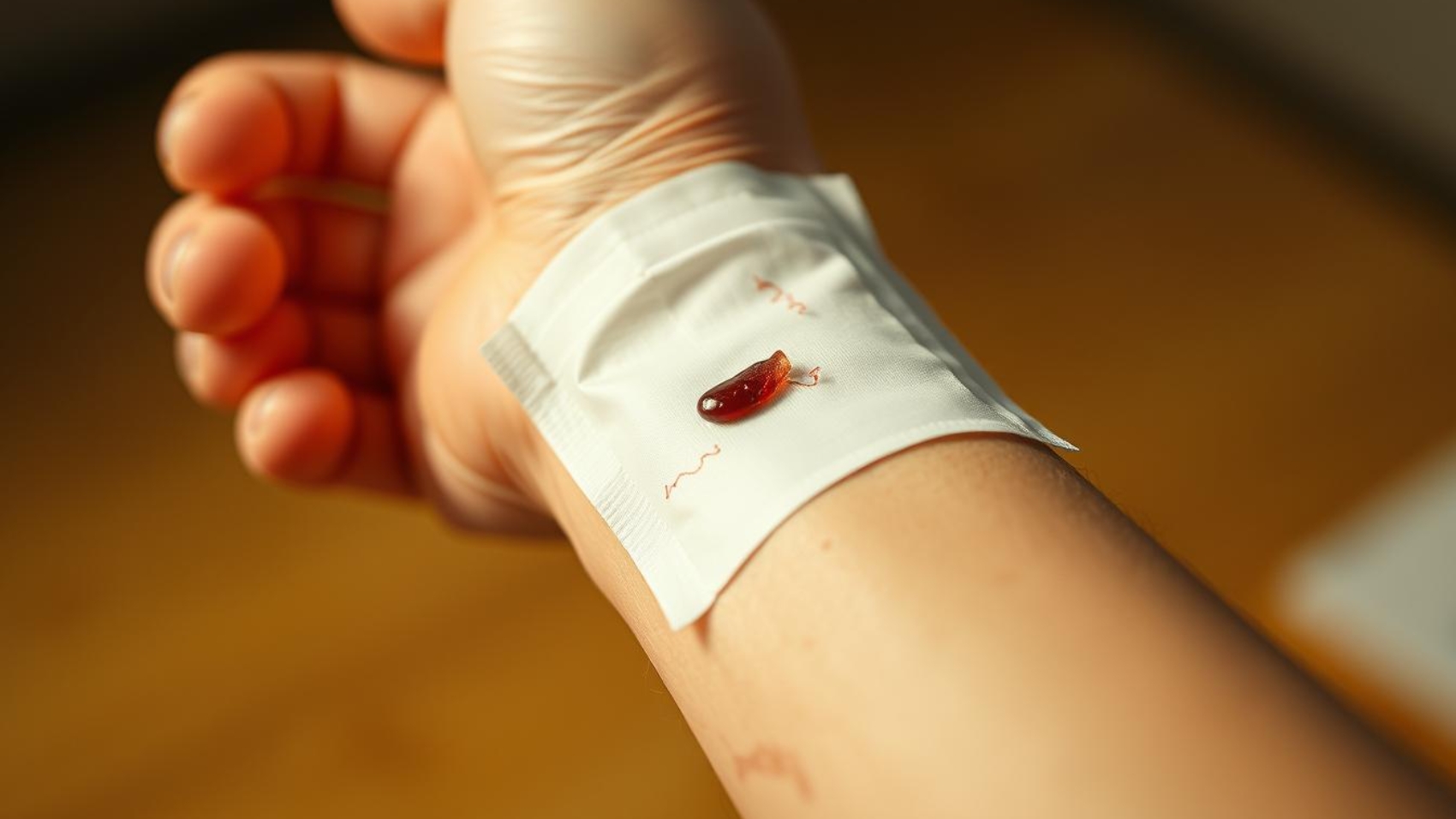
If a wound at home is not closing the way you expect, acting quickly can protect your health and independence. In the United States, about 6.5 million patients live with chronic problems that can cause pain, loss of function, longer hospital stays, and even risk of amputation when the healing process stalls.
You will learn how to spot early signs that a wound needs more than simple home care. Small changes—more drainage, odd odor, or darkening edges—can mean the process is off track and need timely clinical attention.
We explain why some wounds stall despite good home care and what to do in the first 24–48 hours to protect healing and quality of life. You’ll also see when to move from home care to same-day evaluation to avoid complications.
Hire Dominion Mobile Wound Care for expert, mobile evaluation and treatment delivered where you live if you need prompt help to heal your wounds.
Key Takeaways
- Know the common warning signs that a wound isn’t improving and when to get professional care.
- Simple first-day steps—safe cleaning and moisture control—can protect healing.
- Some wounds stall due to circulation, infection, or other physiologic issues.
- Evidence-based choices like debridement and targeted antimicrobials speed recovery.
- Call for same-day evaluation when drainage, odor, or worsening color appear.
- Dominion Mobile Wound Care offers mobile, expert help to treat wounds at home.
Understanding Non-Healing Wounds at Home
Knowing the steps of tissue repair makes it easier to spot when healing halts.
What “non-healing” means in the healing process
A wound that does not reduce in size or move through the normal healing process within weeks—and certainly by three months—meets the definition of a chronic wound.
The wound healing sequence runs through coagulation, inflammation, proliferation, and remodeling. Each stage prepares tissue for the next step.
Why wounds stall: stages of healing and common disruptions
Many wounds stall during the inflammation phase. Excess proinflammatory signals, persistent infection or biofilm, and senescent cells stop repair.
- Local causes: ischemia, edema, necrotic tissue, repeated trauma, or tight footwear that re-injures fragile granulation.
- Biologic blockers: excess proteases, biofilm, and aged cells that fail to respond to growth signals.
- Systemic factors: age, poor nutrition, diabetes, and reduced blood flow that limit oxygen and repair signals from the body.
Early identification of these barriers lets you and your clinician prevent a chronic wound. Hire Dominion Mobile Wound Care for a phase-by-phase assessment and a plan tailored to your situation.
Signs Your Wound Isn’t Progressing and Red Flags You Shouldn’t Ignore
Recognizing early red flags helps you act before a small problem becomes serious. Watch the wound and the skin around it daily for changes in color, drainage, or smell. Quick action can protect your health and reduce the chance of deeper infection.
Local warning signs
If the wound shows increasing inflammation, worsening pain, a new or stronger odor, or more persistent drainage, these are clear signs to escalate care.
Dark or rolled edges, expanding size, or exposed bone suggest progression toward an ulcer or deeper infection.
Systemic concerns
Be alert for fever, chills, or rising blood sugar in patients with diabetes. These symptoms mean bacteria may be spreading beyond the local site and you need urgent evaluation.
Clinic mnemonics to know
NERDS helps flag biofilm: Nonhealing, Exudative, Red and bleeds, Debris, Smell. STONEES points to likely infection: Size, Temperature, Os, New breakdown, Exudate, Erythema/Edema, Smell.
- Cases with rapidly increasing drainage, severe pain, or exposed bone need same-day attention.
- Hire Dominion Mobile Wound Care for prompt triage and at-home intervention when you notice these signs.
First Steps You Can Take at Home Right Now
Begin with basic measures that clean, cover, and offload the injured area to support repair. Early, gentle action protects healthy tissue and lowers infection risk. Follow these steps until you get professional help.

Clean, protect, and maintain moisture
- Gently clean the wound with saline or a pH-balanced cleanser and pat the surrounding skin dry.
- Keep the wound moist for faster healing; avoid leaving chronic wounds open to air.
- Choose a dressing that adds moisture to a dry bed or absorbs excess drainage to protect the edges and periwound skin.
Reduce pressure, friction, and shear
- Offload the area by repositioning, using heel protectors or cushions, and wearing footwear that redirects weight from the body part with the wound.
- Avoid donut-style cushions; they can impede blood flow. Make small posture changes often to limit pressure.
- Secure dressings without excess tension and keep surrounding skin supple with barrier creams.
Track size and appearance at each change. Hire Dominion Mobile Wound Care for in-home instruction, tailored supply guidance, and help to heal your wounds.
Root Causes and Risk Factors That Slow Wound Healing
Delayed repair often reflects deeper issues in circulation, nutrition, or repeated injury rather than a surface problem alone.
Many factors can slow how a wound closes. Infection, poor blood flow from conditions like diabetes or hypertension, and age-related changes all reduce the body’s repair capacity.
Repeated trauma from footwear, mobility devices, or bed positions can reopen fragile skin. Smoking and some medications blunt inflammation and delay recovery over months.
- You will identify circulation problems that deprive the wound and body of oxygen and nutrients, a primary cause of slow progress.
- You will assess nutrition, hydration, and lifestyle factors—smoking, immobility, and repeated pressure—that keep wounds open.
- You will recognize when several causes act together so a chronic wound may persist for months without coordinated care.
- You will discuss with clinicians whether medication changes or referrals can safely improve healing for patients with complex conditions.
- You will build daily routines that limit contact stress and support circulation and strength over time.
Hire Dominion Mobile Wound Care to evaluate underlying barriers, coordinate referrals, and help patients address the root factors that hold healing back.
Common Chronic Wound Types and How They Differ
Different ulcer types show distinct patterns—learning these clues helps you choose the right care quickly.
Pressure ulcers
Pressure ulcers form over bony prominences when sustained pressure and shear injure the skin and deeper tissue in the affected area.
Avoid donut cushions, reposition often, and manage the microclimate to reduce friction and moisture.
Diabetic foot ulcers
Diabetic foot ulcers commonly appear on toes or under the metatarsal heads where neuropathy and pressure meet callus.
Offloading (for example, total contact casting) and sharp debridement of hard callus around foot ulcers are key initial steps.
Venous ulcers
Venous ulcers are usually shallow, found on the medial lower leg, and occur with edema and dark hemosiderin staining.
Compression is standard once adequate arterial flow is confirmed. This reduces swelling and helps healing.
Arterial ulcers
Arterial ulcers have a punched-out, well-demarcated appearance and can expose tendon or bone when blood flow is poor.
Vascular evaluation and revascularization take priority before local care can succeed.
- You will track location, size, depth, and surrounding skin to help clinicians clarify diagnosis.
- You will use specific first-line strategies: compression for venous ulcers, revascularization for arterial, and offloading for diabetic foot ulcers.
- Correct identification speeds care and lowers complication risk.
Hire Dominion Mobile Wound Care to differentiate ulcer types at the bedside and start targeted plans that help heal your wounds. Our team helps patients with prompt, type-specific interventions.
Evidence-Based Care: From Home Measures to Specialist Treatment
Evidence-based care links simple home steps to targeted clinic treatments so your healing keeps moving forward.

The TIME framework gives a clear way to plan care: prepare tissue, control infection, balance moisture, and manage edges.
Aggressive, regular debridement removes slough and biofilm that lock the repair process in inflammation. Weekly debridement or sooner often doubles healing rates and helps the body resume repair.
Compression (30–40 mm Hg) speeds healing for venous ulcers once arterial flow is checked. For diabetic foot problems, proven offloading such as a total contact cast reduces pressure and improves outcomes.
Adjunctive options—negative pressure therapy to reduce edema and hyperbaric oxygen therapy for select diabetic cases—support granulation when standard measures stall.
- Apply TIME with your clinician: tissue prep, infection control, moisture balance, and edge management.
- Use topical antimicrobials for local infection; reserve systemic antibiotics for cellulitis or systemic signs.
- Partner with regular follow-up and on-site debridement to protect the body and speed recovery.
Hire Dominion Mobile Wound Care to deliver the TIME approach, on-site debridement, compression/offloading, and access to advanced therapy in your home.
Choosing the Right Dressing Without Making Things Worse
Matching dressing type to the wound and its goals helps healing and prevents harm. Choose products that balance moisture, protect fragile skin, and support the tissue you want to preserve. Below are simple, practical rules to help you pick a safe option until a clinician evaluates the area.
Managing moisture: dry vs. draining wounds
If the wound bed is dry, add moisture with a hydrogel or hydrocolloid to encourage cell migration.
For moderate to heavy drainage, use foams, alginates, or composite dressings to absorb fluid and keep the edges from macerating.
When infection is suspected: antimicrobial dressings
If you see spreading redness, increasing pain, or odor, consider an antimicrobial dressing while you seek clinical review.
Options include cadexomer iodine, PHMB, or silver-impregnated products to reduce bacteria locally and avoid unnecessary systemic antibiotics when there is no cellulitis.
Edge care: addressing rolled edges to support epithelialization
Rolled or thickened edges block skin cells from migrating. Gentle edge management and appropriate dressing choice help epithelial cells cross the gap.
Use enzymatic or autolytic products between sharp debridements for adherent necrotic tissue. Protect surrounding skin with barrier film and careful tape placement.
- You will match dressing categories to moisture needs so the wound stays moist but not macerated.
- You will recognize dressing failure—leaks, odor, excessive pain, or skin breakdown—and seek adjustment promptly.
- You will integrate dressing changes into your routine to keep coverage consistent without harming new tissue.
Hire Dominion Mobile Wound Care to select and supply the right dressing, teach you safe change technique, and deliver hands-on treatment at home to help heal your wounds.
When to Seek Help for Non-Healing Wounds
Quick triage and the right tests make a big difference for patients whose wounds linger.
What your clinician may check
Your clinician will check pulses at the bedside and may perform an ankle-brachial index (ABI) as a first arterial screen. If you have diabetes or likely vessel calcification, the toe-brachial index gives more accurate results for diabetic foot concerns.
Further workup can include arterial or venous duplex ultrasonography, pulse-volume recordings, skin perfusion pressure, and transcutaneous oximetry. Imaging such as radiographs or MRI helps rule out bone infection in suspected osteomyelitis.
Urgent scenarios that need fast evaluation
- Rapidly enlarging ulcers, new exposed or probe-to-bone, or a strong foul odor.
- Severe or escalating pain, spreading redness/edema, fever, or chills.
- Wounds that look worse over weeks or months despite consistent home care.
You will ask for a coordinated plan and referral to a wound care specialist when cases need offloading, compression, or debridement. Hire Dominion Mobile Wound Care for bedside circulation checks, urgent visits, and prompt specialist-level treatment at home to help heal your wounds.
Conclusion
When simple measures stop helping, targeted therapy and expert assessment often restore healing momentum. You learned that chronic wounds are common and can threaten function when left unaddressed. Early recognition, routine wound healing checks, and a structured plan make a big difference for patients.
Use TIME principles, scheduled debridement, proper compression or offloading for foot problems, and infection control to protect tissue. Oxygen-based and negative-pressure therapy are useful options in select cases like diabetic foot ulcers and other stubborn ulcers.
Hire Dominion Mobile Wound Care as your mobile partner from assessment to closure. A qualified wound care specialist can visit you at home, match therapy to cause, and help restore quality and independence.
FAQ
What does “non-healing” mean in the wound healing process?
It means a wound fails to move through the normal healing stages—hemostasis, inflammation, proliferation, and remodeling—within an expected time. Causes include poor blood flow, persistent infection, repeated pressure, or metabolic issues such as uncontrolled diabetes that interfere with tissue repair.
Why might a wound stall during the healing stages?
Healing can stall when any stage is disrupted. Common reasons are inadequate oxygen and nutrients from poor circulation, ongoing contamination or biofilm, repeated trauma or pressure, certain medications (like steroids), and systemic factors such as smoking or poorly managed blood sugar.
What local signs indicate my wound isn’t progressing?
Watch for darkened or rolled edges, increasing pain, persistent or increasing drainage, a new or foul odor, or tissue that looks sloughy or necrotic. These local changes suggest impaired tissue repair or infection and need prompt attention.
Which systemic symptoms mean you should seek urgent care?
Fever, chills, increasing blood sugar levels, spreading redness beyond the wound, rapid heart rate, or feeling unwell are red flags. These symptoms may signal a spreading infection or systemic response and require immediate evaluation.
What are the NERDS and STONEES mnemonics clinicians use to recognize infection?
NERDS helps detect superficial infection signs: Nonhealing, Exudate increase, Red friable tissue, Debris, and Smell. STONEES flags deeper infection: Size increase, Temperature rise, Os (exposed bone), New areas of breakdown, Exudate, Erythema, and Smell. These guide decisions about topical versus systemic therapy.
What should you do at home right now to support healing?
Gently clean the area with saline, protect it with an appropriate dressing that maintains moist balance, and avoid leaving the wound open to air. Reduce pressure or friction by offloading the area and keep blood sugar controlled if you have diabetes.
How can you safely reduce pressure, friction, and shear at home?
Use pillows, foam, heel protectors, or offloading boots for foot wounds. Change positions regularly if you’re immobile, avoid tight footwear, and remove sources of shear like rough fabric. If you use devices, check skin daily for new pressure spots.
Which risk factors most commonly slow healing?
Poor circulation, diabetes-related neuropathy, older age, repeated trauma or pressure, smoking, obesity, and certain medications delay repair. Addressing these factors—improving perfusion, quitting smoking, and controlling glucose—improves outcomes.
How do common chronic wound types differ?
Pressure ulcers form over bony areas from prolonged pressure. Diabetic foot ulcers result from neuropathy, abnormal pressure, and poor perfusion. Venous ulcers appear on the lower leg due to venous hypertension and edema. Arterial ulcers are painful, “punched-out,” and linked to ischemia.
What is the TIME framework and how does it guide care?
TIME stands for Tissue management, Infection or inflammation control, Moisture balance, and Edge advancement. It helps clinicians and caregivers prioritize debridement, infection control, appropriate dressings, and strategies to promote edge epithelialization.
Why is debridement and biofilm control important?
Removing nonviable tissue and disrupting biofilm lowers bacterial load, reduces chronic inflammation, and exposes healthy tissue that can regenerate. Consistent, appropriate debridement speeds healing and makes other treatments more effective.
When should compression or offloading be used?
Use compression for venous leg ulcers after arterial supply is confirmed safe (typically via ABI or toe pressure). Offloading is essential for diabetic foot ulcers—total contact casts or removable offloading boots reduce pressure and allow repair. Always follow clinician guidance to avoid harm.
What adjunctive therapies might a specialist recommend?
Clinicians may use topical or systemic antibiotics for infection, negative pressure wound therapy to manage exudate and promote granulation, hyperbaric oxygen for specific ischemic or refractory wounds, or growth-factor therapies in select cases.
How do I choose the right dressing at home?
Match dressing to wound needs: keep dry wounds slightly moist with a nonadherent dressing; use absorptive dressings for heavy drainage; consider antimicrobial dressings if infection is likely. Avoid frequent unnecessary dressing changes to preserve the healing environment.
When should you suspect an infection and use antimicrobial dressings?
If you notice increasing pain, new or worsening odor, rising drainage, or spreading redness, suspect infection. Antimicrobial dressings (silver, iodine) can help topically, but if signs worsen or systemic symptoms develop, seek medical care for possible systemic antibiotics.
What is edge care and why does it matter?
Edge care addresses rolled or macerated borders that block epithelial migration. Gentle debridement, appropriate moisture control, and topical agents that support epithelialization can help the wound margin advance and close.
What assessments will a clinician perform when you seek care?
Expect a vascular exam with pulse checks, an ankle-brachial index (ABI) or toe-brachial index when ABI is unreliable, wound measurement and photography, culture or swab if infection is suspected, and imaging if deep structures or bone may be involved.
Which scenarios require urgent specialist or emergency care?
Seek urgent help for rapidly enlarging wounds, exposed bone or tendon, severe increasing pain, systemic signs like fever, sudden rise in blood sugar with a wound, or a strong foul odor—all may indicate deep or spreading infection.