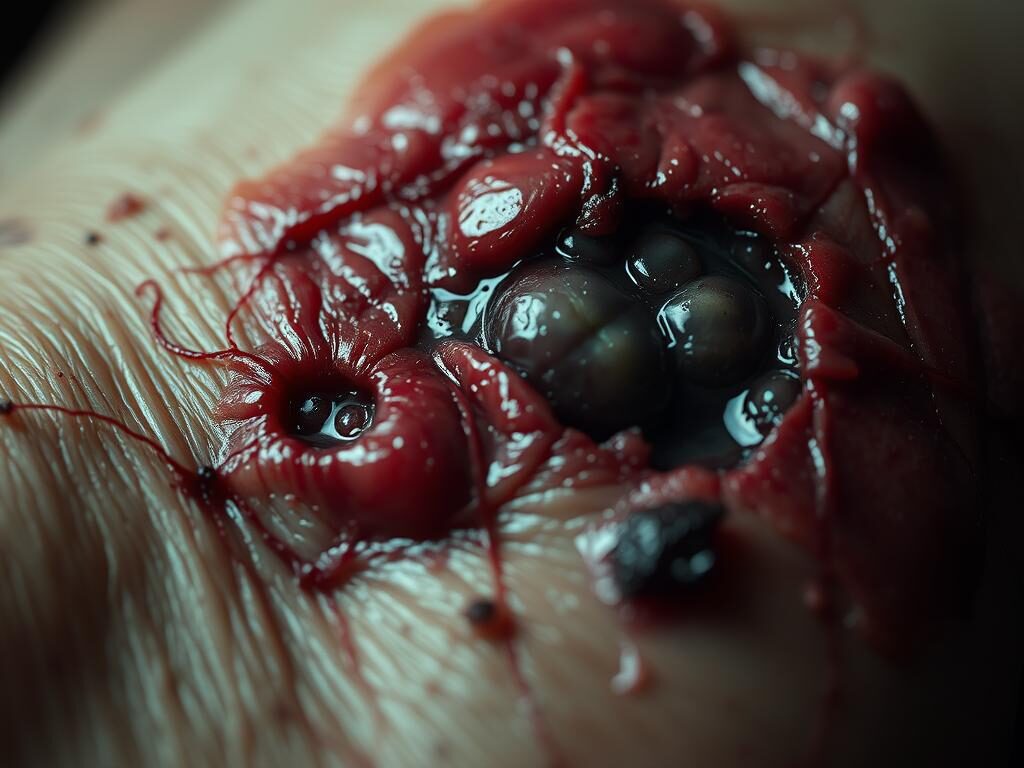
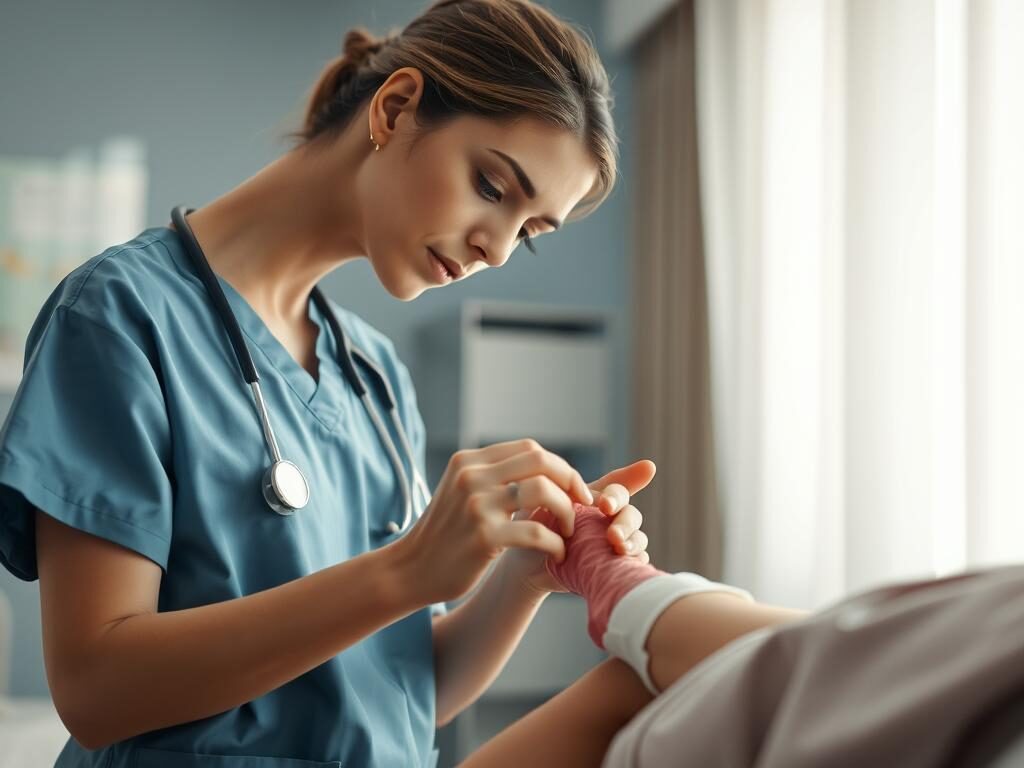
Home nursing for wounds

The Role of Home Nurses in Wound Care Recovery

Recovering from surgery or an injury can be tough, mainly when dealing with wounds. Luckily, home health care is key in post-surgical recovery. It offers services that help with healing and getting better at home.

Getting care at home has many benefits. It includes getting personal attention, less chance of infection, and feeling more comfortable. With the aid of skilled nurses, your wounds get the care they need for the best recovery.

If you need professional wound care, think about hiring “Dominion Mobile Wound Care” for effective healing.

Key Takeaways

  • Home health care is vital for post-surgical recovery.
  • Personalized care at home lowers infection risk.
  • Skilled nurses offer expert wound care.
  • Receiving care at home boosts patient comfort.
  • Professional wound care services help with healing.

Understanding the Growing Demand for Home Nursing for Wounds

The need for skilled nurses to care for wounds at home is increasing. This change is because patients want care that is more personal and comfortable. Hospitals, while helpful, can be scary and uncomfortable for those needing long-term care.

Getting care at home lets patients recover in a place they know and feel safe. This makes their recovery better. The importance of patient care at home has grown. Studies show it helps reduce hospital pressure and makes patients happier.

Recent Statistics on Home-Based Wound Care

More and more patients are choosing to get wound care at home. They like the comfort and convenience of it. Data shows they are getting better care and are happier with it.

Year Number of Patients Satisfaction Rate
2020 10,000 85%
2021 12,000 88%
2022 15,000 92%

Factors Driving the Shift from Hospital to Home Care

Several reasons are pushing patients to choose home care over hospitals. People want care that fits their needs better. They also want to save money and enjoy new medical technologies that let them get complex care at home.

Getting care at home is more convenient. It also lets family members help with care. So, the need for skilled nurses to provide top-notch wound care at home keeps growing.

What Specialized Wound Care Services Do Home Nurses Provide?

Home nurses offer top-notch wound care right in your home. They have the skills to give you personalized care. This ensures you get the best treatment for your wound.

Types of Wounds Treated by Home Nurses

Home nurses can handle many types of wounds. They make sure each patient gets the right care for their wound. Here are some examples:

Surgical Wound Management

Surgical wounds need careful attention to avoid infection and heal well. Home nurses are experts at cleaning, dressing, and watching these wounds. This helps you recover smoothly.

Chronic Wound Treatment

Chronic wounds, like diabetic ulcers or pressure sores, need special care to heal. Home nurses know how to treat these complex wounds. They use methods that fix the root cause and help the wound heal.

Advanced Wound Care Techniques Used in Home Settings

Home nurses use advanced techniques for effective treatment. These include:

  • Debridement: Removing dead tissue to help healing.
  • Negative Pressure Wound Therapy (NPWT): A vacuum dressing to aid recovery.
  • Hyperbaric Oxygen Therapy: Breathing pure oxygen in a pressurized room to boost healing.

The table below shows the advanced techniques used by home nurses and their benefits:

Technique Description Benefits
Debridement Removal of dead tissue Promotes healing, reduces infection risk
NPWT Vacuum dressing Enhances recovery, reduces swelling
Hyperbaric Oxygen Therapy Breathing pure oxygen Stimulates healing, improves tissue oxygenation

Using these advanced techniques, home nurses can greatly improve wound healing. This means you get the best care in your own home.

The Benefits of Receiving Wound Care in Your Home

Choosing home wound care can make your recovery better. It’s more convenient and gives you peace of mind. Knowing the benefits of home care is key.

Comfort and Convenience Factors

Home wound care is very comforting. Being in a place you know can lower stress and anxiety. These are important for healing. Home nursing for wounds lets you heal in a safe, familiar spot, with your loved ones nearby.

Another big plus is the convenience. You don’t have to go to a hospital, which is great if you’re in pain or have trouble moving. Your skilled nurses will come to you, with all the tools and knowledge they need.

Reduced Risk of Hospital-Acquired Infections

Hospitals are full of germs, which can slow down your healing. Getting wound care at home means you’re less likely to get sick. Hospital-acquired infections can make things worse, taking longer to heal and causing more health problems.

A study showed a big difference in infection rates between home and hospital care. Here are some key findings:

Care Setting Infection Rate Average Healing Time
Home-Based Care 5% 6 weeks
Hospital-Based Care 12% 8 weeks

For more details on home versus hospital care, check out Dominion Mobile Wound Care. They can help you understand your options.

How Dominion Mobile Wound Care is Transforming Patient Recovery

Dominion Mobile Wound Care is changing how we treat wounds. They bring advanced care right to patients’ homes. This improves recovery and quality of life.
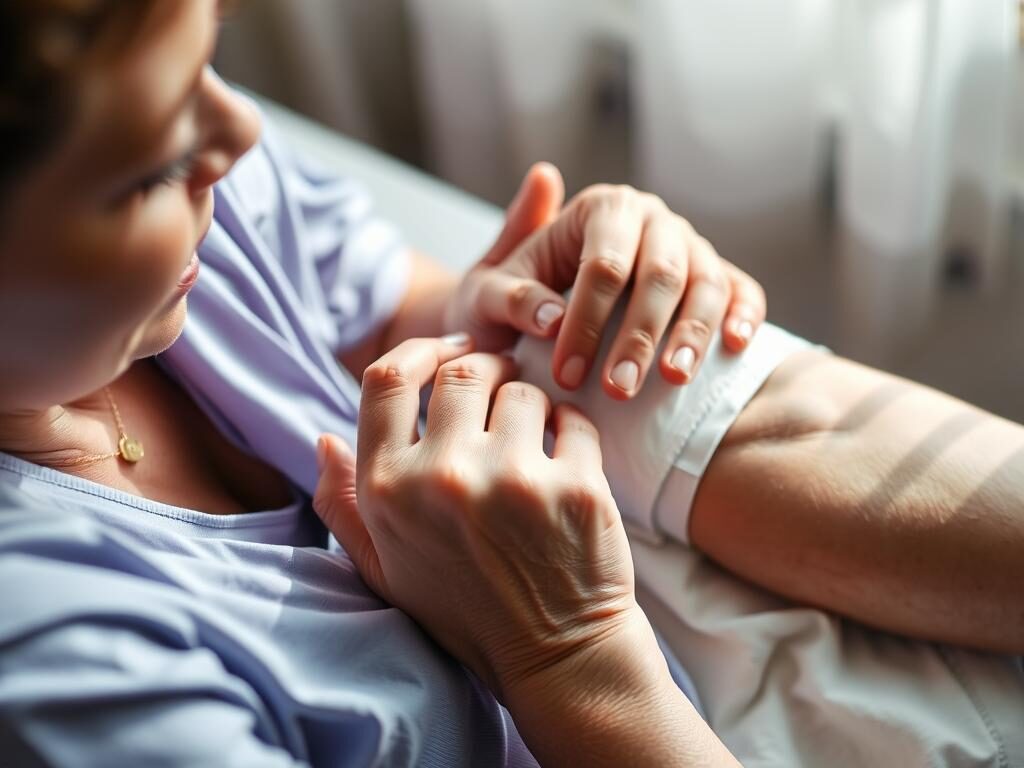
nursing wound care

Innovative Approaches to Mobile Wound Treatment

Dominion Mobile Wound Care uses new methods to treat wounds at home. Their nurses use advanced wound care techniques. They use specialized dressings and negative pressure wound therapy to help wounds heal.

Each patient gets care that fits their needs. This way, they heal in a place they feel comfortable. It’s a big step towards better recovery.

Success Stories from Dominion Mobile Wound Care Patients

Many patients have seen big improvements thanks to Dominion Mobile Wound Care. They get personalized care that really works. This care has helped them heal faster and feel better.

Patients say they heal quicker, feel less pain, and live better lives. These stories show how Dominion Mobile Wound Care is making a difference. They prove the value of their specialized care.

The Qualifications of Skilled Nurses in Specialized Wound Care

At Dominion Mobile Wound Care, our nurses have the latest knowledge and training. They provide top-notch wound care. You can trust that you’re in good hands with them.

Our team of skilled nurses has gone through tough training and has the right certifications. They are experts in specialized wound care. This means you get the best care for your wound needs.

Required Certifications and Training

Our nurses have finished special training programs in wound care. This training lets them give you care that fits your needs. Some of the key things they’ve learned include:

  • Wound care certification programs
  • Advanced training in wound dressing and management
  • Knowledge of the latest wound care technologies
Certification/Training Description Benefit to Patients
Wound Care Certification Specialized training in wound assessment and management Ensures you get full care for complex wounds
Advanced Wound Dressing Training in the latest wound dressing techniques Helps wounds heal faster and reduces problems

Ongoing Education in Wound Care Techniques

Our nurses keep up with new wound care by taking ongoing education. This means you get the best and newest care available.

Continuous Education Initiatives:

  1. Regular workshops and seminars on wound care
  2. Participation in industry conferences
  3. Subscription to the latest research and publications in wound care

Choosing Dominion Mobile Wound Care means you get nurses who are highly qualified and always learning. They are all about helping you recover.

Home Nursing for Wounds: A Cost-Effective Alternative to Hospital Stays

Home nursing for wounds is a smart choice over long hospital stays. With healthcare costs going up, getting nursing wound care at home is more attractive.

Insurance Coverage for Home Wound Care Services

One big plus of patient care at home is the wide insurance coverage for home wound care. Many plans, like Medicare and Medicaid, pay a lot of the costs.

This coverage includes skilled nurses for wound care, medical supplies, and needed equipment. It helps treat wounds well at home.

Long-term Financial Benefits of Home Treatment

Home wound care saves money in the long run. It avoids the high costs of hospital stays. It also lowers the chance of infections and the need for more hospital visits.

  • Reduced hospital stay costs
  • Lower risk of hospital-acquired infections
  • Minimized need for repeated hospital visits

Also, patient care at home lets you recover on your own schedule. This can cut down on more medical needs and costs.

In summary, home nursing for wounds is not just comfy and easy. It’s also cheaper than hospitals, thanks to insurance and big savings over time.

The Psychological Impact of Receiving Wound Care at Home

Getting wound care at home is as good for your mind as it is for your body. Being in your own space can really help your emotional health while you’re recovering.

Being in a place you know, with people you love, can make you feel less stressed and anxious. Home nursing for wounds lets you feel more in charge of your healing. This can make you feel better mentally and emotionally.

Emotional Well-being During Recovery

It’s important to remember that wound care is not just about fixing your body. It’s also about taking care of your mind. Nurses in SA know how to create a caring space that helps with both physical and emotional healing.

Getting care at home lets you keep up with your usual life and enjoy things that make you happy. This can help you stay positive while you’re recovering. Plus, it lowers the chance of getting sick from being in a hospital, which can make you feel less stressed and anxious.

Benefits of Home Wound Care for Emotional Well-being:

  • Reduced stress and anxiety
  • Increased sense of control over recovery
  • Continuity with daily routines and activities
  • Support from family and loved ones

Family Involvement in the Healing Process

Having family involved in your care at home is key. Their support and comfort are essential for healing. Nurses work with family to teach them how to help, making everyone feel part of the care team.

This team effort helps with both the physical and emotional sides of healing. It lets family members feel more involved and less worried, which is good for everyone.

Aspect of Care Family Involvement Benefits
Wound Dressing Learning dressing techniques Increased confidence in care
Medication Management Assisting with medication schedules Improved adherence to treatment
Emotional Support Providing companionship and reassurance Enhanced emotional well-being

Technological Advancements in Mobile Wound Care

Technology is changing how we care for wounds at home. Dominion Mobile Wound Care is leading this change. They use new tech to make care better, more efficient, and tailored to each patient.

technological advancements in wound care

Portable Equipment Used by Dominion Mobile Wound Care

Portable gear is a big deal in mobile wound care. Dominion Mobile Wound Care uses top-notch, small, and light devices. These tools are great at treating wounds.

  • Portable wound vacuums help wounds heal by removing fluids and improving blood flow.
  • Advanced wound dressings create the best environment for healing.
  • Digital imaging lets us closely watch how wounds are healing.

Telehealth Integration in Wound Care Monitoring

Telehealth is a big step forward in wound care. Dominion Mobile Wound Care uses it to keep an eye on patients all the time. This helps them get better faster and makes care more efficient.

Telehealth has many benefits:

Benefit Description
Enhanced Monitoring We can watch wounds progress online all the time.
Timely Interventions We can act fast if a wound changes, stopping problems.
Patient Convenience It means fewer visits, making care easier to get.

Dominion Mobile Wound Care is leading the way in home care. They make sure people get top-notch care right in their homes.

Preventing Wound Complications Through Expert Home Care

Preventing wound complications is a key goal in home nursing for wounds. Skilled nurses lead this effort. They use a detailed approach to stop problems before they start. Getting expert care at home can greatly lower the chance of wound issues.

Early Intervention Strategies

Acting fast is key to avoiding wound problems. Nurses are trained to spot issues early and fix them. This early action helps avoid infections, slow healing, and more damage.

Some important early steps include:

  • Regular checks on the wound to see how it’s healing
  • Removing dead tissue to help the wound heal
  • Using special dressings to aid in healing

Patient Education for Wound Management

Teaching patients about wound care is very important. Knowing how to care for your wound helps you recover faster and avoid problems. Nurses will teach you the best ways to care for your wound, like:

Daily Wound Care Practices

Every day, you need to care for your wound to help it heal and avoid issues. Your nurse will show you how to:

  • Clean and dress your wound right
  • Watch for signs of infection or other problems
  • Manage any pain or discomfort from your wound

Warning Signs to Watch For

Knowing the signs of trouble is important. Your nurse will teach you what to look out for, like:

  • More redness or swelling around the wound
  • Pus or discharge from the wound
  • A bad smell from the wound
  • More pain or discomfort

By watching for these signs and taking action, you can lower the risk of complications. This helps you recover smoothly.

Wound Care Practice Benefit
Regular wound assessments Early detection of possible problems
Debridement Removing dead tissue to help healing
Advanced wound dressings Support for healing

The Collaborative Approach: How Home Nurses Work with Your Medical Team

Your recovery journey is made smoother with the help of home nurses and your medical team. When you get nursing wound care at home, you’re not just getting medical help. You’re getting a detailed care plan that involves your whole medical team.

This team effort makes sure all parts of your care are thought of and put together in your treatment plan. Home nurses are key in this, connecting you with your healthcare providers.

Communication Between Specialists

Good communication between specialists is key for a successful care plan. Home nurses work closely with your doctors and other healthcare experts. This ensures everyone knows what’s going on with your treatment.

  • Regular updates on your condition and progress
  • Coordination of care plans and adjustments as needed
  • Sharing of expertise between home nurses and specialists

This clear communication helps in making smart decisions about your care. It makes sure you get the best treatment for your wounds.

Coordinated Care Plans for Optimal Recovery

A coordinated care plan is key for the best recovery. Home nurses and your medical team work together. They create a plan that meets your specific needs and helps you heal.

  1. Assessment of your wound and overall health
  2. Development of a tailored treatment plan
  3. Ongoing monitoring and adjustments to the plan as necessary

This team effort in patient care at home boosts your recovery. It also gives you the support and care you need in your own home.

When to Consider Dominion Mobile Wound Care Services

Dominion Mobile Wound Care Services make it easy to manage wounds at home. Skilled nurses SA provide top-notch care. You can be sure your wound is in good hands.

Identifying Situations That Benefit from Home Care

Home wound care is great in many situations. For example:

  • Chronic wounds that need constant care
  • Post-surgical wounds needing special attention
  • Patients with mobility issues, making it hard to go to a healthcare facility
  • Individuals who prefer wound care in their own space for emotional comfort

Home nursing for wounds can greatly improve your recovery. It offers care that fits your unique needs.

The Simple Referral Process for Getting Started

Starting with Dominion Mobile Wound Care Services is easy. Here’s how:

  1. Talk to your healthcare provider to see if Dominion Mobile Wound Care is right for you
  2. Get a referral from your healthcare provider
  3. Call Dominion Mobile Wound Care to set up an appointment

Choosing Dominion Mobile Wound Care Services is a smart move. It helps you recover effectively from home.

Conclusion: Taking the Next Step in Your Wound Recovery Journey

Learning about nursing wound care at home can really help your recovery. Dominion Mobile Wound Care offers top-notch care right in your home. They provide patient care at home that is both effective and caring.

Choosing Dominion Mobile Wound Care means you get comfort and a team that cares about you. Their nurses use the latest methods and tools. This helps your wounds heal well and lowers the chance of problems.

If you’re ready to move forward in your recovery, contact Dominion Mobile Wound Care. They’re all about helping you heal at home. With their help, your recovery will be smoother and more comfortable.

FAQ

What types of wounds do home nurses typically treat?

Home nurses treat many types of wounds. This includes diabetic foot ulcers, pressure sores, and surgical wounds. They also handle venous leg ulcers. They use advanced techniques to help wounds heal.

How do home nurses provide specialized wound care services?

Home nurses assess each wound to create a care plan. They use methods like debridement and dressing changes. They also use negative pressure therapy to aid in healing.

What are the benefits of receiving wound care at home?

Getting wound care at home is more comfortable and convenient. It also lowers the risk of infections found in hospitals. Patients can recover in a familiar setting with family support.

Are home nurses qualified to provide wound care?

Yes, home nurses are well-trained in wound care. They have specialized certifications and stay updated with the latest techniques. This ensures they provide top-notch care.

Is home wound care covered by insurance?

Many insurance plans, including Medicare and Medicaid, cover home wound care. Dominion Mobile Wound Care can help patients understand their coverage.

How do home nurses work with the medical team to coordinate care?

Home nurses work closely with doctors and other healthcare professionals. They communicate regularly to ensure a complete care plan. This helps patients recover better.

What technological advancements are being used in mobile wound care?

Dominion Mobile Wound Care uses advanced technology. They have portable equipment and telehealth integration. This allows them to monitor wounds remotely and adjust care plans as needed.

How can I get started with Dominion Mobile Wound Care services?

To start with Dominion Mobile Wound Care, contact them directly. A team member will guide you through the process.

What are the long-term financial benefits of home wound care?

Home wound care can save money compared to hospital stays. It reduces healthcare costs by minimizing hospitalizations and promoting efficient healing.

How does family involvement impact the healing process?

Family support is key in wound healing. It provides emotional support and helps with care. This leads to better outcomes and higher patient satisfaction.
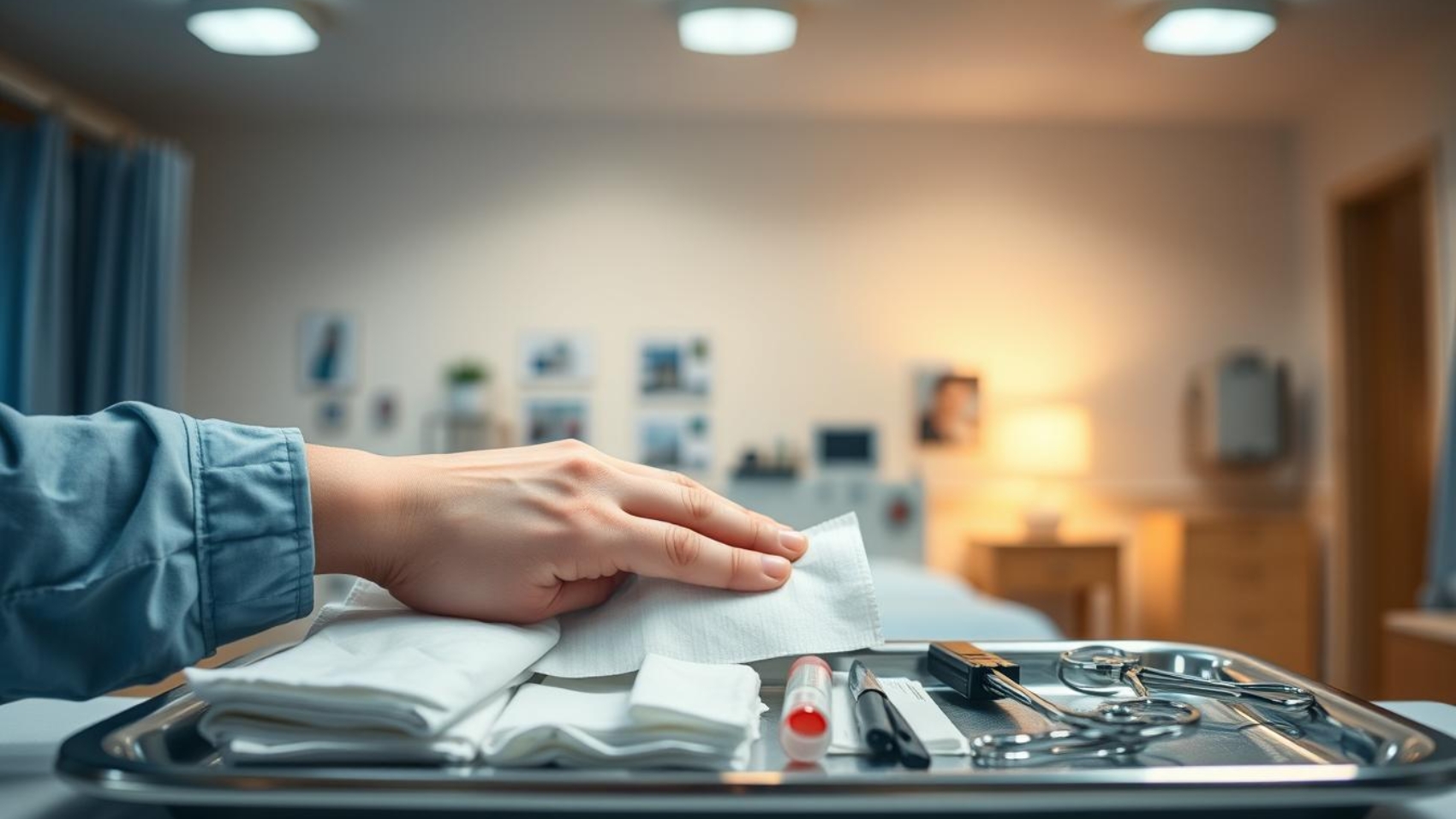
Post-Hospital Wound Care

Transitioning from Hospital to Home: Wound Care Tips

This guide helps you move from a hospital stay to a home routine focused on healing. You are shifting from stabilization to ongoing recovery, and clear information makes that change safer. Simple steps will help you organize your plan and protect your health as a patient.

You will learn what to bring to your first visit, how to track medications and allergies, and which treatment steps to follow in the first 48 hours. A straightforward routine for dressing changes, infection control, and hand hygiene supports faster healing.

A multidisciplinary, physician-led approach matters for complex problems. Specialized wound care from Dominion Mobile Wound Care can bridge gaps after discharge and keep your treatment on track. If you want hands-on at-home support, consider hiring Dominion Mobile Wound Care to help your recovery.

Key Takeaways

  • Build a simple plan before discharge to keep treatment seamless.
  • Prepare medication lists, allergy info, and insurance details.
  • Follow clear steps in the first 48 hours to reduce setbacks.
  • Use hygiene and dressing guidance to support healing at home.
  • Know signs that need prompt treatment and whom to call.
  • Specialized wound care services can extend hospital treatment into home support.

Understanding Your Transition Home and What It Means for Healing

Leaving the hospital starts a new phase where daily habits shape your recovery and long-term healing. The hospital handled immediate stabilization—cleaning, protective dressing, infection control, and pain management. At home, the healing process continues and depends on routine actions you take each day.

Why hospitals stabilize but home is where wounds truly heal

Hospitals address urgent needs so patients are safe to go home. Your home environment then supports steady progress with consistent monitoring, advanced dressings, and nutrition.

You need basic supplies, a simple dressing schedule, and a plan to get more information or help if problems start. Small habits—washing your hands before touching the wound and keeping the area dry—make a big difference.

  • Understand the role of daily routines and movement on healing outcomes.
  • Recognize that chronic wounds need regular attention to avoid setbacks.
  • Keep open communication with healthcare providers to fix issues early.
  • Look for signs of improvement: less drainage, reduced tenderness, healthier tissue.

Dominion Mobile Wound Care supports your at-home recovery with clear guidance and coordinated follow-up to help heal your wound and improve outcomes.

Set Up Your Post-Hospital Wound Care Plan Before Discharge

Before you leave the hospital, set up a clear plan so your recovery at home is smooth and predictable. Ask for written instructions and confirm the main steps you must follow after discharge.

post-discharge dressing

Confirm your dressing type, removal timeline, and stitch/staple plan

Ask your nurses to write down the exact dressing and how long the first dressing should stay in place. Keep the original dressing on for 48 hours if it is dry.

Know whether you have dissolvable stitches or non-dissolvable sutures, clips, or staples. Dissolvable stitches often disappear in 7–10 days. Non-dissolvable items are usually removed in 5–14 days depending on the location.

Verify who will remove them and how to book the appointment so you avoid delays that could affect healing.

Gather supplies, insurance details, and contacts for your care team

Collect patient information in one folder: medication list, allergies, insurance card, and your discharge summary. Bring this to every appointment.

  • Confirm what supplies to have at home: clean gloves, soap, non-adhesive dressings, tape, and waste bags.
  • Ask what to do if a dressing gets wet or soiled and how to get replacements quickly.
  • Keep daytime and after-hours phone numbers for your team so you can call if drainage, pain, or redness increases.

Ask about risk considerations such as diabetes or circulation issues and how they may change your schedule or dressing choices. Decide whether to coordinate with a specialized provider like Dominion Mobile Wound Care for follow-up and at-home visits.

If you want hands-on support, consider hiring Dominion Mobile Wound Care to help heal your wounds.

First 48 Hours at Home: Dressing Care, Stitches, and Showering

The first 48 hours are a careful window: follow basic steps to protect your healing skin. Keep the original dressing in place if it stays dry. Change it sooner if blood or other fluid soaks through.

Changing dressings safely

Wash your hands with soap and water before and after any dressing change. Set out clean supplies and avoid touching the area directly.

Stitches, clips, and staples

Absorbable stitches usually dissolve in 7–10 days but may last longer. Non-dissolvable sutures, clips, or staples are removed in about 5–14 days. Do not pull on visible threads; trim loose ends with clean scissors if needed.

Showering and keeping skin protected

Showering is typically safe after 48 hours if your provider agrees. Use waterproof dressings when recommended and pat the skin dry. Avoid soap, lotions, gels, or powders on the treatment area.

  • Keep initial dressing dry for 48 hours and replace it if wet to reduce infection.
  • Track changes in drainage, pain, or redness and call your nurses if issues arise.
  • Some healing wounds may be left uncovered once dry; protect against friction with light dressings if clothing rubs.

If you want guided, day-by-day support at home, Dominion Mobile Wound Care can assist with dressing changes and follow-up.

Monitor for Infection, Manage Risks, and Protect Your Skin

Keep a close eye on your healing at home; small changes can signal big issues. Daily checks help you spot infection early and protect tissue health. Document any change with dates and photos if your provider allows.

infection

Red flags: increasing pain, redness, swelling, drainage, or odor

Watch for worsening pain, spreading redness, new opening, heavier drainage, or a foul smell. Fever can mean the infection is spreading systemically.

Risk factors that slow healing

Know your personal risk factors, such as diabetes, poor circulation, smoking, or malnutrition. These factors raise the chance of delayed healing and chronic wounds.

When to call your nurse, primary care, or go to urgent care/ER

  • Call your nurse or primary care for increasing pain, more drainage, or any new redness.
  • Go to urgent care or ER for high fever, rapidly spreading redness, severe pain, or signs of systemic infection.
  • Protect the skin by keeping the area clean and dry and by preventing maceration from prolonged moisture.

Dominion Mobile Wound Care can monitor changes between visits and coordinate with your primary team to improve outcomes. Early action reduces readmissions and helps patients stay on track with recovery.

Specialized Wound Care at Home: Bridging the Gap After Discharge

Bridging hospital treatment and home routines requires organized, multidisciplinary follow-up. This helps you access advanced treatments and keeps your healing plan consistent after discharge.

A multidisciplinary approach: dressings, debridement, nutrition, and advanced options

Specialized wound care programs combine advanced dressings, debridement, nutrition optimization, and bio-engineered tissue substitutes. When appropriate, hyperbaric oxygen therapy is included as an option.

These treatments work together to protect surrounding skin, improve tissue health, and speed repair.

Mobile care and SNF collaboration to reduce readmissions and improve outcomes

Dominion Mobile Wound Care brings skilled staff to your home or SNF. The team conducts detailed skin assessments, adjusts dressings, and updates your treatment plan during scheduled appointments.

  • Coordinated staff share information with facility clinicians to act quickly on changes.
  • Consistent management and timely adjustments improve outcomes for patients with chronic wounds.
  • Individualized follow-up and clear appointment windows keep the process on track.

Expect a team approach that tracks progress, educates you, and reduces avoidable returns to the hospital. If you want hands-on, mobile services after discharge, consider hiring Dominion Mobile Wound Care to help heal your wounds.

Conclusion

Your recovery moves forward when dressing plans, nutrition, and follow-up align around a clear process. Keep discharge instructions handy and track changes day to day.

Confirm supplies and contacts so your team and staff can respond fast. Use simple routines in the first 48 hours, protect surrounding skin, and manage risk factors like nutrition and circulation.

Specialized wound management and consistent monitoring reduce setbacks. When education, timely updates, and evidence-based treatments are in place, patients see better wound healing.

For coordinated, at-home support, hire Dominion Mobile Wound Care to deliver services that help heal your wounds.

FAQ

What should you expect when transitioning from hospital to home for wound healing?

Expect the hospital team to stabilize your condition and give instructions for ongoing treatment. At home, you’ll manage daily dressing changes, monitor the site for signs of infection, follow activity and showering limits, and keep follow-up appointments with nurses or your primary care clinician. Your discharge plan should list dressing type, how often to change it, and when sutures or staples will be removed.

How do you confirm the right dressing and removal timeline before discharge?

Ask the nurse to show the exact dressing and label any supplies. Get written instructions that include dressing brand or type, how often to replace it, and a timeline for suture or staple removal. Verify insurance coverage for supplies and request contact info for the wound care nurse or clinic you’ll see after leaving the hospital.

What supplies and information should you gather before leaving the hospital?

Collect all dressings, tape, wound cleanser, and any prescribed topical agents. Bring written discharge instructions, the wound care schedule, medication list, and phone numbers for wound care services, your surgeon, and home health. Confirm which items your insurer will cover and get receipts or documentation if needed.

How should you change dressings safely in the first 48 hours at home?

Wash your hands thoroughly and work on a clean surface. Remove the old dressing gently, inspect the site, and clean per instructions—usually with saline or a prescribed cleanser. Pat dry with sterile gauze, apply the new dressing per the technique shown to you, and secure it without cutting off circulation. If you see heavy bleeding, increasing pain, or foul odor, contact your care team.

How do you handle absorbable versus non-dissolvable stitches, clips, or staples?

Absorbable sutures typically dissolve on their own—confirm the expected timeline with your provider. Non-dissolvable sutures, clips, or staples need removal at a follow-up visit; note the scheduled date and don’t attempt removal yourself. If clips or sutures pull or the wound reopens, seek care promptly.

Can you shower during the early recovery period, and how do you protect the site?

You can usually shower if the dressing is waterproof or covered with a protective barrier. Use lukewarm water and avoid direct high-pressure streams on the area. Gently pat the site dry afterward and replace the dressing immediately. Avoid baths, hot tubs, or pools until your clinician clears you.

When is it safe to leave a healing site uncovered?

Your clinician will advise when to leave the area open to air. Small, clean wounds that are dry and showing steady improvement are often left uncovered for short periods. Protect the site from friction, clothing irritation, and dirt—use a light dressing if you’ll be active or in public spaces.

What are the key signs of infection to watch for at home?

Watch for increasing pain, spreading redness, swelling, warmth, pus or cloudy drainage, a new or foul odor, fever, or red streaks toward the heart. If you notice these signs, contact your nurse or primary care clinician immediately; severe symptoms like high fever or rapidly spreading redness may require urgent care or an ER visit.

Which factors can slow healing and what can you do about them?

Diabetes, poor circulation, malnutrition, smoking, certain medications, and obesity can delay recovery. Manage blood sugar, eat a protein- and nutrient-rich diet, avoid tobacco, and follow activity restrictions. Discuss medications and supplements with your clinician to ensure they don’t impede healing.

When should you call your wound care nurse, primary care clinician, or go to urgent care/ER?

Call your wound care nurse for dressing questions, routine concerns, or to arrange home visits. Contact your primary care clinician for worsening pain, new drainage, or follow-up needs. Go to urgent care or the ER for heavy bleeding that won’t stop, signs of spreading infection, high fever, or sudden severe symptoms.

What does specialized home-based wound management involve?

Specialized services use a team approach—nurses, physicians, nutritionists, and sometimes physical therapists—to provide advanced dressings, debridement, compression therapy, and nutritional plans. Mobile wound clinics and skilled nursing facility collaboration help reduce readmissions and improve healing outcomes.

How do mobile wound services and SNF collaboration help after discharge?

Mobile teams bring skilled nursing and treatments to your home, ensuring timely dressing changes, debridement, and monitoring. Collaboration with skilled nursing facilities (SNFs) and outpatient clinics ensures continuity of care, faster intervention if problems arise, and fewer readmissions to the hospital.

Wound Care Nurse

Why a Wound Care Nurse is Essential for Healing at Home

Your recovery at home depends on practical, skilled help. A specialized clinician from Dominion Mobile Wound Care brings hospital-grade wound care into your living room so you can heal with fewer clinic trips. This at-home service supports patients who face mobility limits, recent surgery, or chronic conditions.

WOC nurses are registered professionals with a BSN or higher who complete accredited WOCNEPs and earn national credentials through the WOCNCB. Their board certified status and certified wound credentials mean you get evidence-based plans for pressure injury prevention, ostomy pouching, and continence management.

When a care nurse visits, you receive clear information, hands-on treatment, and documentation that supports Medicare and insurance. The specialty approach blends education with practical steps so your healing stays on track and your caregivers feel confident.

Key Takeaways

  • At-home skilled visits bring hospital-level wound care to your familiar settings.
  • Board certified WOC nurses offer trained ostomy and continence management.
  • Visits reduce infection risk and improve documentation for insurers.
  • Education and follow-up build your confidence and speed healing.
  • Hire Dominion Mobile Wound Care to help heal your wounds.

What a Wound Care Nurse Does—and Why Home-Based Care Speeds Healing

A focused home visit starts with a full assessment that maps the problem and sets clear steps for faster healing.

wound care nurse

WOC nurses evaluate size, drainage, tissue quality, and pain. They create a targeted plan for dressing selection, offloading, and skin protection that fits your home.

These specialists coordinate debridement and decide when to escalate to antibiotics, surgery, or hyperbaric oxygen therapy. Many come from oncology, med-surg, or critical care before moving into this specialty.

  • Comprehensive assessment that defines immediate steps for faster healing.
  • Personalized treatment for ostomy pouching and continence skin protection.
  • Education for you and caregivers to prevent infection and reduce pressure.
  • Consistent home visits that lower readmission risk and keep routines stable.

Demand across U.S. settings is rising as aging, diabetes, and obesity increase chronic cases. Dominion Mobile Wound Care brings board-certified expertise into your home. Contact Dominion Mobile Wound Care to schedule a visit and hire a care nurse who will help you heal with fewer clinic trips.

How to Work with a Wound Care Nurse at Home: A Step-by-Step Guide

Start your at-home plan with a full head-to-toe assessment. Your care nurse documents size, drainage, surrounding skin, nutrition, mobility, and home hazards. This shapes a focused program with measurable healing goals.

wound care nurse

Next steps are simple and practical. Below is a clear, five-step approach that brings hospital standards into your home.

  1. Assessment & risk screening: Document characteristics and risks so treatment matches your needs and settings.
  2. Personalized goals: Set measurable targets, choose dressings and offloading, and plan nutrition or referral needs.
  3. Home setup: Create a supply station with dressings, cleansers, gloves, good lighting, and a clean surface for daily practice.
  4. Documentation & reimbursement: Your clinician completes notes, photos, and orders that support Medicare and insurer requirements and certification records.
  5. Skills, prevention & follow-up: Learn cleaning, dressing changes, ostomy pouching, and pressure prevention. Agree on follow-up timing and escalation triggers like fever or sudden pain.

Dominion Mobile Wound Care helps coordinate setup and documentation so you and your caregivers get clear information and proven experience in home settings. Hire Dominion Mobile Wound Care to begin—schedule a visit with your care nurse today.

Credentials That Matter: Board-Certified WOC Nurses and Education Pathways

Professional credentials define scope, experience, and the clinical decisions available during in-home visits.

The Wound, Ostomy, and Continence Nursing Certification Board (WOCNCB) has issued specialty credentials since 1978. Its exams include CWCN, CWON, CWOCN, COCN, and CCCN. Recertification is required every five years to stay current.

Graduates of WOCN Society-accredited education programs (WOCNEPs) qualify to sit for the examination. These programs combine coursework, clinical preceptorships, and supervised hours with approved preceptors.

  • Advanced practice credentials (for example CWOCN-AP) support complex cases that need prescriptive authority or procedural leadership.
  • Ask about foot care certification (CFCN) when diabetic foot ulcers or lower extremity issues exist.
  • Entry level roles like the Wound Treatment Associate (WTA) extend team reach under supervision.

At Dominion Mobile Wound Care, you can hire clinicians who hold recognized certification from the nursing certification board and WOCN-accredited programs. This ensures a certified, reliable in-home team aligned with your needs.

Home Treatment in Practice: Proven Protocols from Certified Wound Care

At-home protocols translate expert hospital practices into daily routines that help you heal faster. Dominion Mobile Wound Care operationalizes these standards so you get consistent, evidence-based treatment at home.

Pressure ulcer prevention and treatment

You follow a clear protocol: turning schedules, support surfaces, moisture control, and targeted dressings. These steps reduce pressure and protect skin in all care settings.

Diabetic foot care and infection control

Foot care includes offloading with boots or inserts, fast debridement coordination, tight infection checks, and glucose-aware strategies to support closure.

Ostomy and continence management

Ostomy continence plans protect peristomal skin with tailored pouching, barrier rings, and wear-time education. Timed toileting, barrier films, and absorbent products reduce moisture-associated damage.

  • Expert monitoring: woc nurses spot biofilm, stalled edges, and undermining early.
  • Timely referrals: coordinated antibiotics, surgical consults, or HBOT when indicated.
  • Clear documentation: board-aligned notes that support Medicare and keep teams informed.

Hire Dominion Mobile Wound Care to bring this specialty practice into your home and start a tailored plan that fits your routine.

Conclusion

Expert in-home visits translate clinical decisions into simple routines that speed recovery. You gain hands-on teaching, clear plans, and measurable steps that fit your daily life.

A care nurse customizes dressing choices, pressure relief, and schedules so your plan stays practical. A wound care nurse coordinates with your doctor and keeps records that matter for continuity.

These clinicians hold a BSN, complete accredited education programs, and pass exams from the WOCNCB. Ongoing certification and recertification show tested competence through the recognized nursing certification board.

You benefit when woc nurses apply hospital standards at home, protect your foot health, manage ostomy needs, and teach caregivers safe techniques. Ready for expert, mobile support that meets you where you are? Hire Dominion Mobile Wound Care to help heal their wounds.

FAQ

What does a wound care nurse do during a home visit?

The clinician performs a specialized assessment of skin breakdown, ostomies, and continence issues. You’ll get a treatment plan that includes dressing selection, infection monitoring, debridement coordination when needed, offloading for foot problems, and patient education so you can manage daily care safely.

How does home-based treatment speed healing compared to clinic care?

Home visits reduce travel-related stress and exposure to infections. Your provider can evaluate your environment, ensure proper nutrition and offloading, and deliver timely interventions. This continuity often leads to faster, more consistent progress and fewer hospital readmissions.

How do I prepare for the first home assessment?

Clear a small, well-lit area for dressing changes and have a list of current medications, allergies, and recent labs. Gather any existing treatment notes, photos, and supplies you already use. This helps the examiner set goals and create an organized plan.

What should a personalized treatment plan include?

Your plan should list measurable healing goals, a schedule for dressing changes, pain control strategies, nutrition and moisture management, referrals (for podiatry, surgery, or hyperbaric oxygen therapy), and clear instructions for when to contact the care team.

How do you coordinate documentation for Medicare and insurance reimbursement?

The board-certified provider documents diagnosis codes, progression notes, and measurable outcomes. You’ll receive copies of visit notes and any orders needed for durable medical equipment or supplies. Proper documentation supports claims and appeals if they arise.

Can you learn hands-on skills during visits?

Yes. The clinician will teach you or your caregiver safe techniques for cleansing, dressing changes, preventing pressure injuries, and ostomy appliance care. You’ll practice under supervision until you feel confident performing tasks at home.

What follow-up and escalation plan should be in place?

Your schedule should include regular visits, telehealth check-ins, and clear red-flag signs—such as increased drainage, fever, spreading redness, or sudden pain—that trigger urgent evaluation or referral for antibiotics, surgery, or higher-level therapies.

Which certifications should I look for in a specialist?

Seek a board-certified WOC nurse with credentials from the WOCNCB, such as CWCN, CWON, CWOCN, or COCN. Providers from WOCN-accredited education programs or those with advanced practice credentials add expertise for complex cases. Foot care certification (CFCN) is valuable for diabetic lower-extremity issues.

What roles support the care team besides the specialist?

Entry-level roles like Wound Treatment Associates (WTA), certified ostomy and continence care assistants, podiatrists, dietitians, and home health therapists all contribute. Team collaboration ensures timely referrals, rehabilitation, and supply coordination.

How are diabetic foot problems managed at home?

Management includes infection surveillance, debridement coordination, offloading devices, glycemic control support, and education on daily foot inspection. Regular podiatry follow-up and prompt referral for surgical intervention when needed are part of effective care.

What should I expect for ostomy and continence management at home?

The specialist will assess stoma or peristomal skin, recommend appropriate appliances, teach pouching techniques, and treat skin irritation. For continence, expect a plan that addresses moisture control, skin protection, and bowel and bladder strategies to prevent breakdown.

When is referral for advanced therapies indicated?

If you have stalled healing despite optimized local measures, increasing infection, exposed bone or tendon, or complex anatomy, your team may refer you for antibiotics, surgical intervention, hyperbaric oxygen therapy (HBOT), or advanced reconstructive care.