Elderly wound care

Why Elderly Patients Benefit Most from Mobile Wound Care

Managing wound care can be tough, whether for yourself or a loved one. For elderly patients, it’s even harder, mainly because they might not be as mobile.

Mobile wound care brings care right to the patient, whether at home, a clinic, or a long-term care facility. This way, care is customized to fit the patient’s needs. It helps wounds heal faster and improves health overall.

Choosing mobile wound care means getting more focused care. This leads to better healing and a more comfortable recovery.

Key Takeaways

  • Mobile wound care provides expert treatment at the patient’s location.
  • Personalized care promotes faster healing and improved health.
  • Elderly patients benefit from the convenience and tailored approach.
  • Mobile wound care services are available at various locations, including private residences and long-term care homes.
  • Dominion Mobile Wound Care offers professional and compassionate care.

The Current State of Elderly Wound Care in America

The state of elderly wound care in the U.S. is facing many challenges. These issues affect how well patients heal. As more people get older, more seniors have chronic wounds.

Rising Wound Care Challenges Among Seniors

Elderly people often struggle with senior mobility issues that make wounds harder to treat. Not being able to move well can slow down healing. It also raises the chance of infections and other problems.

Chronic conditions like diabetes and vascular disease make things even tougher. These conditions slow down the healing process.

Research shows that chronic wounds will likely become more common as the population ages. In the U.S., a big part of the elderly population has some kind of wound. Pressure ulcers are very common in those who can’t move much.

If you’re a caregiver or healthcare worker, you’re key to solving these problems. Knowing how big the issue is is the first step to better wound care for seniors.

Understanding Senior Mobility Issues and Their Impact on Healthcare

Many seniors struggle with mobility problems. These issues make it hard for them to get to healthcare services. As a result, their health, including wounds, can get worse, leading to more serious problems.

Physical Limitations That Affect Healthcare Access

Seniors often face physical challenges that make it tough to get to healthcare. Conditions like arthritis, stroke, and neurological disorders can really limit how they move. Even simple tasks become hard.

Common physical limitations include:

  • Reduced strength and flexibility
  • Balance and coordination issues
  • Chronic pain

Chronic Conditions and Mobility Restrictions

Chronic conditions linked to aging can make moving around even harder. For example, diabetes can cause nerve damage, while heart diseases can lead to tiredness and breathing problems. These issues make it hard for seniors to stay active.

The risk of fall injuries is also a big worry for the elderly. Falls can cause serious injuries, like broken bones and head trauma. These injuries can make health and mobility even worse.

Chronic Condition Mobility Impact Healthcare Challenge
Arthritis Reduced flexibility and pain Difficulty in accessing healthcare facilities
Diabetes Neuropathy and mobility issues Wound care complications
Cardiovascular Disease Fatigue and shortness of breath Limited ability to attend healthcare appointments

It’s important to understand these challenges to help seniors. By recognizing how mobility issues affect healthcare, we can improve care for the elderly.

Common Wound Types and Complications in Elderly Patients

As people age, they face a higher risk of various wounds. These wounds need careful management to avoid serious issues. Elderly patients often get wounds because of less mobility, poor circulation, and other age-related issues.

If you have limited mobility or certain health conditions, you might get pressure ulcers or diabetic foot ulcers. It’s important to know about these wounds to prevent and treat them effectively.

Pressure Ulcers and Bedsores

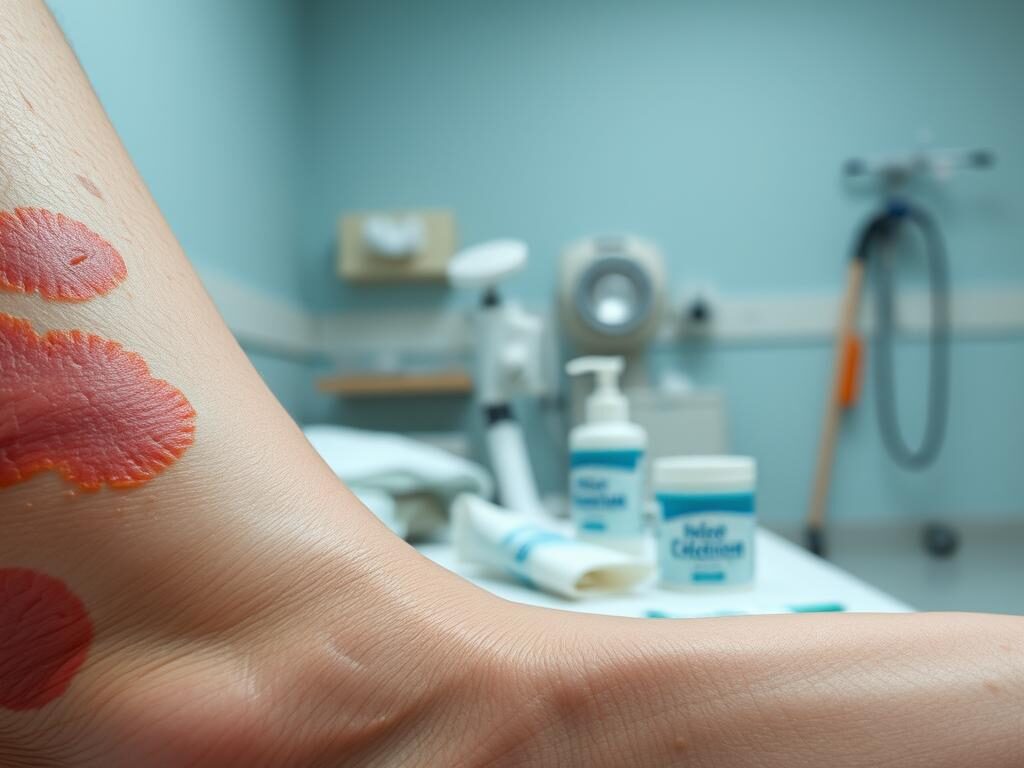
Pressure ulcers, or bedsores, are a big worry for elderly patients, mainly those who can’t move much. These wounds happen when skin stays under pressure too long, cutting off blood flow and causing tissue damage.

Key factors that contribute to pressure ulcers include:

  • Prolonged bed rest or immobility
  • Poor nutrition and hydration
  • Moisture and friction

Prevention and Early Intervention Strategies

To stop pressure ulcers, you, your caregivers, and doctors need to work together. This means moving you regularly, eating well, and keeping your skin dry and clean.

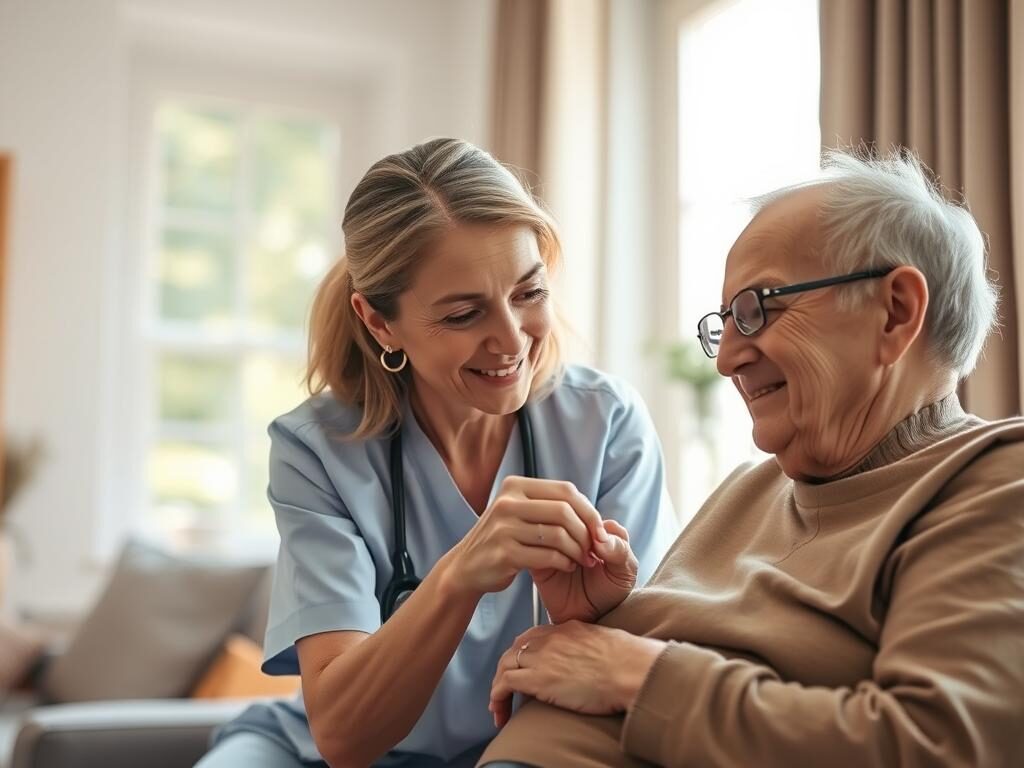
Caregiver support is key in preventing and managing wounds. Caregivers help by moving you, checking your skin, and making sure you eat and drink enough. With the help of healthcare teams, caregivers can stop wounds from getting worse and help them heal.
pressure ulcers prevention

To lower your risk of pressure ulcers, know the risks and take action early. Early action is key to managing wounds well and avoiding more problems.

How Mobile Wound Care Transforms Senior Healthcare Delivery

Mobile wound care lets elderly patients get top-notch treatment at home. This is great for seniors who can’t easily get to hospitals because of mobility issues.

Bringing Clinical Expertise to the Patient’s Home

Mobile wound care brings clinical expertise right to the patient’s home. This ensures they get the same care they would in a hospital. It not only helps wounds heal better but also makes life better for elderly patients.

Specialized Equipment and Treatment Options

Mobile wound care teams have specialized equipment and treatments for each patient. They use advanced dressings and therapies to help wounds heal. This is key for managing complex wounds.

Advanced Dressings and Therapies Available in Mobile Settings

Some advanced treatments include:

  • Negative pressure wound therapy
  • Hyperbaric oxygen therapy
  • Bioengineered dressings

These treatments, along with in-home care, greatly improve elderly wound care. They help by cutting down on hospital visits, which is good for seniors with senior mobility issues.

The Psychological Benefits of In-Home Wound Treatment

Getting wound care at home can really help your mental health. It’s great for elderly patients who have trouble moving or have fallen. They can get care without leaving their home.

Reducing Anxiety and Stress Associated with Facility Visits

Going to a healthcare facility can be scary, even for seniors. They might need help getting there or feel uneasy in new places. Getting care at home means no stress or anxiety from traveling.

Maintaining Dignity and Comfort in Familiar Surroundings

Home care lets you stay in your own space. This is very helpful for those who have fallen or need ongoing care. It keeps them safe and comfortable.

Impact on Overall Mental Wellbeing and Recovery

Home care is good for your mind and body. Studies show people do better and heal faster when they’re in a place they know. It makes recovery easier.

Benefits In-Home Wound Care Facility-Based Care
Anxiety and Stress Levels Reduced Higher
Comfort and Dignity Maintained Compromised
Recovery Time Faster Variable

Choosing home care means a more relaxed recovery. You get the help you need without leaving your home. Caregivers and new technologies make it all possible.

Caregiver Support Through Professional Mobile Wound Care Services

Senior mobility issues are on the rise, making caregiver support more important than ever. As a caregiver, managing the needs of elderly loved ones can be tough, like with wound care. Professional mobile wound care services offer the support and education caregivers need to give top-notch care.

These services bring expert wound care right to the patient’s home. They also give caregivers the knowledge and skills for daily wound care. This helps ease the caregiver’s burden and improves patient care.

Education and Training for Family Caregivers

Mobile wound care services are great for educating family caregivers. They cover everything from basic wound care to handling complex wound conditions. This training gives caregivers the skills they need to care for their loved ones better.

Practical Wound Care Skills for Daily Management

Caregivers learn practical wound care skills for everyday care. They learn how to clean and dress wounds, manage pain, and spot infection signs. This training boosts their confidence and skill in caring for their loved ones.

Wound Care Skill Description Benefit to Caregiver
Wound Cleaning Techniques for cleaning wounds effectively Reduces risk of infection
Dressing Wounds Methods for applying appropriate dressings Promotes healing and comfort
Pain Management Strategies for managing wound-related pain Improves patient comfort and quality of life

By providing caregivers with the education and training they need, mobile wound care services play a vital role in supporting caregivers and improving patient outcomes.
caregiver support

Dominion Mobile Wound Care: Specialized Elderly Wound Care Services

Dominion Mobile Wound Care is changing the game in elderly wound care. As more seniors live longer, they need better wound care. Dominion Mobile Wound Care offers detailed and custom care for elderly patients.

Comprehensive Assessment and Personalized Treatment Plans

At first, Dominion Mobile Wound Care does a comprehensive assessment of the patient’s wound. They look at the patient’s medical history, current health, and lifestyle. This helps them make personalized treatment plans for each patient.

For example, those who have had fall injuries get special care plans. These plans are made to meet their specific needs.

Assessment Criteria Description Benefits
Medical History Review of patient’s medical records Identifies underlying conditions
Current Health Status Evaluation of current wound state Guides treatment decisions
Lifestyle Factors Consideration of patient’s daily activities Enhances recovery and prevention

Advanced Wound Care Technologies at Your Doorstep

Dominion Mobile Wound Care brings advanced wound care technologies right to the patient’s home. They use top-notch mobile equipment for the best treatments.

State-of-the-Art Mobile Equipment

The equipment Dominion Mobile Wound Care uses is top-notch. It includes advanced wound cleaning systems and negative pressure wound therapy devices. They also use bioengineered wound dressings.

With these advanced technologies, Dominion Mobile Wound Care gives elderly patients the best care. This improves their outcomes and quality of life.

Cost Considerations and Insurance Coverage for Mobile Wound Care

Mobile wound care is changing how we care for seniors. It’s important to know about its cost and insurance. For many elderly, the cost of wound care is a big worry.

Medicare and Medicaid Coverage Options

There are insurance options to help with mobile wound care costs. Medicare and Medicaid are two main programs that cover wound care services.

Eligibility Requirements and Documentation

To get Medicare or Medicaid for mobile wound care, you need to meet certain requirements. You also need to provide the right documents. For more details, visit Dominion Mobile Wound Care.

Here’s a table showing what you need for Medicare and Medicaid:

Insurance Program Eligibility Criteria Required Documents
Medicare 65 or older, or disabled Medicare card, ID proof
Medicaid Low income, or disabled Proof of income, ID proof, disability documents (if applicable)

Knowing about the cost and insurance for mobile wound care helps you make better choices. With the right caregiver support and insurance, you can get the care you need without breaking the bank.

For seniors with senior mobility issues, mobile wound care is a great option. It’s affordable and lets you get care at home. By using Medicare and Medicaid, you can get the care you need right where you are.

Conclusion: Embracing Mobile Solutions for Better Health Outcomes

Mobile wound care services have changed how the elderly get treatment. They bring care right to their homes, making it convenient and personalized. This ensures your loved ones get the best care for their wounds.

Dominion Mobile Wound Care focuses on quality, patient-centered care. Their team uses the latest tech and treatments to help wounds heal. Choosing them means your elderly family members are in safe hands.

Looking for a trustworthy mobile wound care provider? Consider Dominion Mobile Wound Care. They specialize in elderly care, ensuring your loved ones get the care they need.

FAQ

What is mobile wound care, and how does it benefit elderly patients?

Mobile wound care brings specialized care to the patient’s home. It offers convenience and personalized care. This is great for elderly patients with wounds, including those with mobility issues and fall injuries.

What are the most common types of wounds in elderly patients?

Elderly patients often get pressure ulcers and bedsores. These wounds are hard to manage because of physical limitations and chronic conditions. It’s important to prevent these complications through proper care and prevention.

How do senior mobility issues affect wound care?

Mobility issues in seniors can make wound care harder. It can lead to longer healing times and more complications. Mobile wound care services help by providing care at home.

What kind of support do family caregivers receive through mobile wound care services?

Family caregivers get training on wound care. They learn how to manage daily care for seniors with mobility issues. This training helps them provide better care and improves patient outcomes.

Does Medicare or Medicaid cover mobile wound care services?

Yes, Medicare and Medicaid cover mobile wound care services. The rules for coverage vary. Family caregivers can help figure out the details to get the care needed.

What advanced wound care technologies are used in mobile wound care?

Services like Dominion Mobile Wound Care use the latest technologies. They have advanced mobile equipment for treating complex wounds, including those from falls.

How does in-home wound treatment impact mental wellbeing and recovery?

In-home treatment reduces anxiety and stress from hospital visits. It keeps patients comfortable in familiar places. This improves mental wellbeing and recovery, helping seniors with mobility issues.
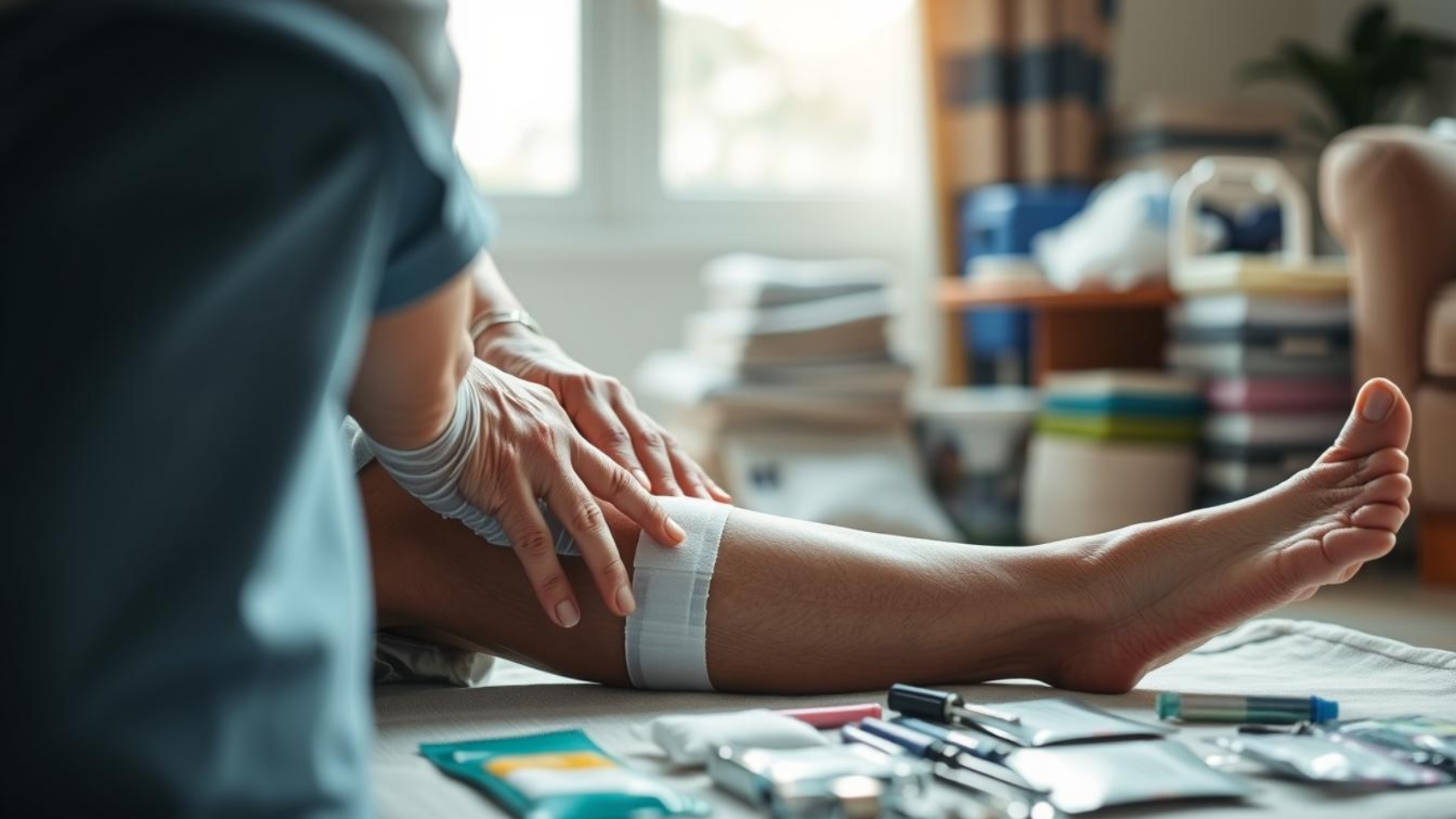
wound care for seniors

The Importance of Specialized Wound Care for Seniors at Home

Dominion Mobile Wound Care explains why targeted support matters when older adults face skin injuries at home.

As people age, thinner skin, slower cell turnover, and fragile blood vessels slow healing. Chronic diseases and certain medications also disrupt clotting and delay recovery.

Timely specialist input can prevent persistent problems, reduce infections, and protect independence and quality of life.

Home-based treatment guided by evidence and regular assessment offers a safe option. Proper assessment, dressing selection, and follow-up lower rehospitalization risk and support daily routines.

This introduction previews practical prevention steps, clear signs to seek medical evaluation, and how mobile services bring expert help today. Readers will see why hiring Dominion Mobile Wound Care can bridge the gap between everyday tasks and advanced clinical treatment.

Key Takeaways

  • Age-related skin changes slow healing and raise risk after injuries.
  • Chronic illness and some medications can impair recovery.
  • Home-based, evidence-led treatment reduces complications.
  • Regular assessment, proper dressings, and follow-up are essential.
  • Mobile specialist services make advanced support accessible today.

Why Specialized Home Care Matters for Older Adults

Aging changes skin structure, making small cuts and tears harder to seal quickly. That shift affects independence and the ability to stay living at home safely.

Dominion Mobile Wound Care brings clinical-grade services into the home to help families balance independence with skilled support. Mobile clinicians assess the area, teach gentle cleaning and dressing, and spot early signs that need escalation.

Present-day realities: aging, independence, and safer healing at home

Older people have less collagen, reduced elasticity, and more fragile blood vessels. These changes make minor injuries more likely to bruise and take longer at healing.

Simple measures at home—gentle cleansing, steady pressure, and added padding beneath a bandage—can help in many cases. If bleeding persists or a cut is deep, trained clinicians provide prompt clinical intervention.

  • Prompt attention: Home routines let caregivers act quickly when signs of delayed healing appear.
  • Personalized oversight: Regular visits coordinate meds, nutrition, and mobility to support whole-person recovery.
  • Safer living: Mobile teams reduce travel stress and close gaps between clinic visits and daily needs.

How aging affects the healing process and skin integrity

Healing slows with age because tissue repair mechanisms become less efficient and local circulation changes. That shift alters each step of the normal healing process.

aging skin

Normal stages of repair

The acute healing process follows four clear stages: coagulation, inflammation, proliferation, and maturation.

When bacteria, necrotic tissue, or poor moisture balance exist, the process can stall in the inflammatory phase and become chronic.

How skin changes with age

Older skin shows a thinner dermis and lower collagen levels. Small blood vessels become fragile and dermal tensile strength drops.

Gland atrophy reduces moisture, causing dryness that weakens the barrier and makes dressings harder to place and remove.

Systemic contributors that slow recovery

Conditions such as diabetes and peripheral vascular disease reduce perfusion and oxygen to tissue. Some drugs—anticoagulants, NSAIDs, and immunosuppressants—affect clotting and immune response.

  • Assessment: Dominion Mobile Wound Care evaluates the area and systemic issues like nutrition, hydration, and mobility.
  • Plan: Clinicians tailor strategies to protect delicate skin, optimize blood flow, and restore moisture balance.

How to perform safe at-home wound care for older adults

Simple, steady steps at home help protect fragile skin and speed safe recovery after a cut.

Start clean

Wash hands before and after the task and set a tidy surface with supplies. Clean technique reduces contamination and makes each step predictable.

Stop bleeding

Apply gentle, sustained pressure with sterile gauze to stop bleeding. If the person takes anticoagulants or antiplatelet medications, expect it may take longer; seek help if bleeding does not slow.

Rinse and clean

Rinse debris with clean running water or saline. Use mild soap around the area only and avoid hydrogen peroxide or harsh antiseptics that damage tissue.

Protect and moisturize the wound bed

Place a thin layer of petroleum jelly on the wound bed to keep moisture balanced. For fragile skin tears, a hydrogel can help maintain hydration; routine antibiotic ointments are often unnecessary.

Dress and secure

Choose a nonstick bandage sized to the injury and add light padding beneath to provide gentle pressure without constriction. Change the bandage daily or sooner if wet or soiled, and avoid adhesives on fragile edges.

Pain and medications

Monitor pain and review medications that affect bleeding or immunity. Avoid routine NSAIDs if a clinician advised otherwise, and contact a mobile clinician if a cut continues to ooze, the area shows new redness, swelling, or foul odor.

  • Tips: Document time, products, and observations to help the care team refine routines.
  • Tips: Dominion Mobile Wound Care offers step-by-step guidance, supplies, and follow-up visits to keep home routines consistent and safe.

wound care for seniors: prevention strategies that reduce complications

A few consistent habits will keep fragile skin stronger and lower complication risk.

pressure skin prevention

Dominion Mobile Wound Care helps set up simple, evidence-based routines at home. These routines include repositioning schedules, moisturizer protocols, off-loading, and nutrition coordination.

Maintain skin balance

Moisturize daily, especially over bony prominences. Use barrier creams to protect against moisture linked to incontinence.

Keep the sacral area clean and dry. Document products and times so family members follow the same plan.

Nutrition and activity

Prioritize protein, calories, and hydration to support tissue repair and healing.

Encourage safe walking each day when possible. For venous conditions, elevate legs and check arterial flow before using compression.

Offloading and pressure relief

  • Reposition at least every two hours in bed and float heels off the mattress.
  • Match support surfaces to need: static for moderate risk, dynamic for those who cannot reposition.
  • Use off-loading devices—total contact casts, wedged shoes, or walkers—when pressure points or ulcers appear so wounds heal.

Diabetic foot prevention

Never walk barefoot. Use protective footwear and arrange regular callus removal by trained professionals.

Reduce infections and friction by keeping dressings clean, watching for drainage changes, and avoiding ill-fitting shoes.

Practical tips: Coach people and families to check heels and sacrum daily, rotate seated positions, and record prevention steps in the home living plan.

When to seek medical attention and what specialized care includes

Timely recognition of worsening signs lets clinicians stop infection early and guide effective treatments.

Recognizing escalating infection

Seek medical attention when redness spreads, swelling increases, pain becomes severe, or drainage turns gray or foul.

Red streaks toward the nearest lymph nodes, a fever over 100.4°F, or new systemic symptoms mean the body is fighting an infection and needs prompt review.

Triaging injuries at home

Minor tears and small cuts often respond to basic measures. Get urgent help in cases of persistent bleeding, deep lacerations, third-degree burns, or wounds larger than three inches.

Vascular and neuropathic clues

Arterial ulcers are usually very painful with pale, punched-out beds and little drainage. Venous ulcers are shallow, irregular, and show heavier exudate and swelling.

Neuropathic ulcers form at pressure points in insensate feet. Adults with sensory loss may not notice pain even when tissue is at high risk.

Evidence-based treatments specialists provide

  • On-site assessment and debridement to remove nonviable tissue and lower bacterial burden.
  • Moisture balance with targeted dressings—hydrogels, foams, alginates, hydrocolloids—matched to the area and drainage.
  • Compression guidance for venous disease after confirming adequate arterial flow and ABI when needed.
  • Pain management tailored to medications and pressure off-loading to help wounds heal.

Dominion Mobile Wound Care brings these diagnostics and treatments to the home, coordinating labs and referrals in place today so adults avoid needless travel and get quicker recovery.

Conclusion

Combining daily protection with prompt clinical oversight improves outcomes after a cut. Simple steps—cleaning with water and mild soap, applying petroleum jelly or a hydrogel, and using a nonstick bandage with daily changes—support faster healing at home.

Recognizing delay related to age helps families seek medical attention early and avoid infections or setbacks. Gentle pressure to stop bleeding, correct dressing choice, and prevention measures like moisturizers and off‑loading matter as much as treatment.

Home-based services reduce strain on living routines by bringing assessment, supplies, and follow-up to the place where recovery happens. Hire Dominion Mobile Wound Care to help heal their wounds and guide safe, evidence-based steps at home.

FAQ

What makes specialized at-home wound support important for older adults?

Older adults have thinner skin, less collagen and fragile blood vessels that slow healing. Specialized home strategies reduce infection risk, prevent complications like pressure injuries and ulcers, and help maintain independence by using safe cleaning, protection, and monitoring techniques tailored to age-related changes and chronic conditions.

How does aging change the normal healing stages?

Healing still follows coagulation, inflammation, proliferation and maturation, but each stage runs slower. Reduced cell turnover, lower immune response and diminished blood flow prolong inflammation and delay tissue formation, which raises the chance of chronic wounds and infection.

What immediate steps should be taken to stop bleeding at home?

Apply gentle, sustained pressure with a clean cloth or gauze for several minutes. Elevate the limb if possible. If bleeding soaks through dressings, add more layers without removing the original bandage. Seek help if bleeding doesn’t slow, if the person is on blood thinners, or if the cut is large or spurting blood.

How should a minor skin injury be cleaned safely at home?

Wash hands and prepare a clean surface. Rinse the area with running water or saline and remove visible debris with gentle irrigation. Use mild soap around the site only; avoid hydrogen peroxide or alcohol on the wound bed because they damage tissue. Pat dry with sterile gauze before dressing.

What topical options help protect and moisturize the wound bed?

Petrolatum-based products or hydrogels maintain a moist healing environment without irritating tissue. Avoid routine use of broad antibiotic ointments unless prescribed, since they can cause contact dermatitis. Barrier creams protect surrounding skin, especially in cases of incontinence or drainage.

How often should dressings be changed and what coverings work best?

Change dressings daily or sooner if they become wet or soiled. Use nonstick primary dressings with an absorbent secondary layer and secure with tape or wrap that does not constrict. Choose products that balance moisture and protection based on drainage and skin fragility.

Which medications affect healing and require extra caution?

Anticoagulants increase bleeding risk and make pressure control harder. Systemic steroids and certain immunosuppressants slow tissue repair. NSAIDs may reduce inflammation but can impair early healing—discuss medication adjustments with the prescribing clinician if wounds are slow to close.

What preventive measures reduce complications at home?

Maintain skin hydration with emollients, use barrier creams for incontinence, encourage protein-rich meals and hydration, support mobility to offload pressure points, and inspect skin daily. Proper footwear, callus control and foot inspection are vital for people with diabetes.

How can caregivers offload pressure and protect bony areas?

Reposition every two hours in bed and every hour in a chair when possible. Use heel floats, pressure-redistributing cushions or specialty mattresses as recommended. Keep skin clean and dry, and cushion vulnerable areas to prevent shear and friction.

What are clear signs that medical attention is needed?

Seek prompt care if there is spreading redness, increased swelling, gray or green drainage, foul odor, fever, red streaks toward the heart, severe pain, or if the wound enlarges or fails to improve after several days. Immediate evaluation is required for large, deep, or burn injuries.

How are vascular or neuropathic ulcers identified?

Vascular ulcers often show discoloration, persistent edema and poor pulses; they may be painful. Neuropathic ulcers, common in diabetes, may appear on pressure points of the foot with callus formation and reduced sensation. Both need specialist assessment for circulation and offloading.

What evidence-based treatments might clinicians use for chronic or complex wounds?

Clinicians use debridement to remove dead tissue, advanced dressings that maintain moisture balance, compression therapy for venous disease, and biologic or device-based therapies when indicated. Treatment plans address underlying issues like nutrition, blood flow and infection control.

How does nutrition support tissue repair in older adults?

Adequate protein, calories, vitamins (A, C), zinc and hydration support collagen production and immune function. Dietitians often recommend lean protein, dairy or supplements when intake is low. Malnutrition slows healing and increases complication risk.

When should someone with diabetes seek specialized foot services?

Anyone with a foot sore, callus with redness, swelling, drainage, or decreased feeling should see podiatry or wound specialists promptly. Early off-loading, debridement and assessment of circulation reduce the risk of infection and amputation.

Can home caregivers manage minor skin tears, and how?

Yes. Clean the area, realign skin edges gently, apply a nonstick dressing or adhesive closure strips for small tears, and protect the surrounding skin with barrier cream. Monitor daily for signs of infection and get medical help if the tear is large or the person has poor circulation or anticoagulation therapy.