Diabetic Ulcer Prevention

Preventing Diabetic Ulcers with At-Home Care Tips

You play a key role in keeping your feet healthy when you have diabetes. Small blisters or cuts can become serious because reduced sensation and slow blood flow raise the risk that a minor problem turns into an infection.

Daily checks and simple habits protect your feet and support your body’s healing. Look for redness, swelling, or drainage and act quickly when you see changes.

This guide gives clear, step-by-step care you can do at home: examine your feet, clean and moisturize correctly, choose well-fitting footwear, and manage blood sugar to aid recovery. The tips also explain when to get fast medical help so a small issue does not become a severe foot ulcer or lead to worse outcomes.

Find practical information on this website and consider local expert support when needed. Hire Dominion Mobile Wound Care to help heal wounds and keep you active and independent.

Key Takeaways

  • Check your feet daily and treat cuts or redness right away.
  • Keep blood sugar and weight in healthy levels to aid healing.
  • Wear protective, well-fitting shoes to lower foot risk.
  • Watch for signs of infection and seek care fast.
  • Use this website for clear information and contact local experts as needed.

Why Your Feet Need Extra Protection Today

When nerves and circulation are impaired, small foot issues can turn serious. Nerve damage often hides pain, so blisters or cuts may go unnoticed until they worsen.

Poor blood flow from lower extremity arterial disease slows healing in the legs and feet. Less blood means fewer immune cells and nutrients reach a wound, so a minor sore can deepen fast.

This combination of nerve and blood problems raises your baseline risk for complications. People diabetes face added danger because a tight shoe or a small scrape can escalate without daily checks.

  • Reduced blood flow limits healing and makes pressure more dangerous.
  • Nerve damage blunts pain, so you may miss early signs like warmth or redness.
  • Acting early reduces risk and helps you stay mobile and independent.

If you notice persistent pain, new numbness, or any non-healing spot on the foot, get professional help. Dominion Mobile Wound Care can evaluate circulation and sensation at home and start treatment before problems deepen into ulcers or reach bone.

Diabetic Ulcer Prevention: Your At-Home Routine

A quick daily foot check takes minutes but can stop minor damage from becoming serious. Commit to a simple routine you perform at the same time each day so it becomes habit.

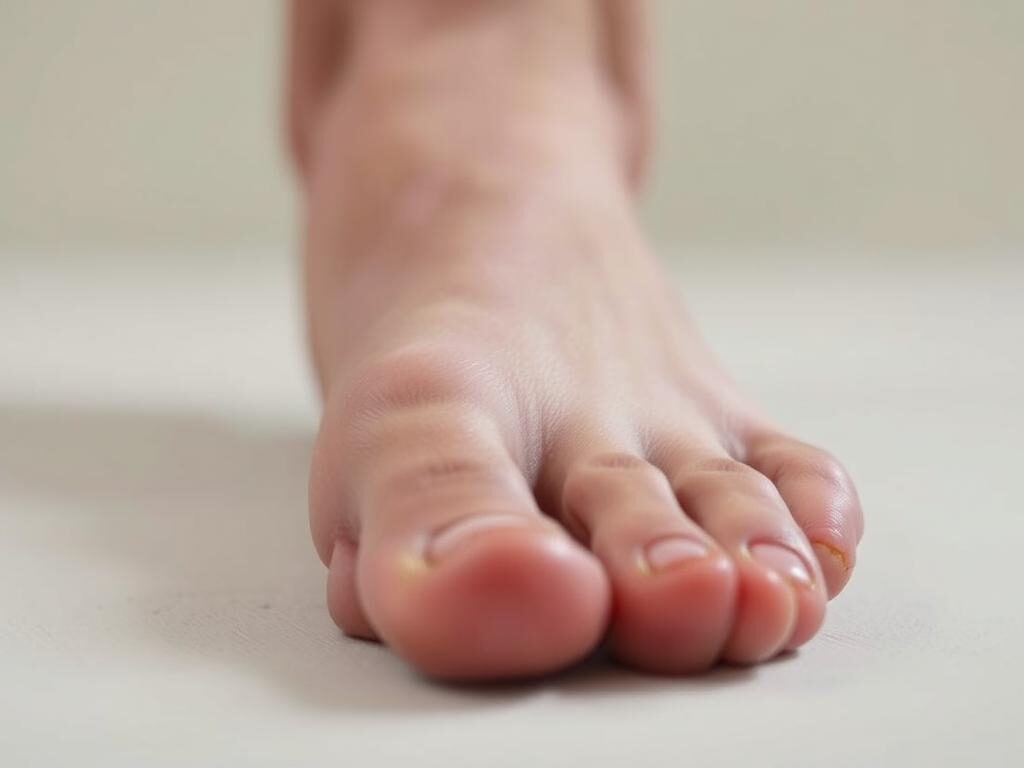
Inspect feet from heel to toes and between toes. Use a mirror to view the bottoms every time. Look for cuts, blisters, redness, swelling, warmth, or pain so you can act before an infection starts.

inspect feet

Wash your feet in lukewarm water, not hot, then pat them dry thoroughly—especially between toes. Moisturize the tops and bottoms of your skin to prevent cracking, but never put lotion between toes where moisture can trap bacteria.

  • Wear clean socks and supportive shoes at home to protect your foot from punctures and friction.
  • Track changes over time and note areas that rub or break down so you can adjust shoes or seek help.
  • Keep blood sugar levels steady; good control supports healing and lowers risk.

Use this website’s checklist until the routine is automatic. Dominion Mobile Wound Care can reinforce your technique and provide timely care if you spot worrying signs.

Footwear and Socks that Protect Your Skin and Blood Flow

Proper shoes and socks help you avoid pressure, pain, and slow healing. A good fit shields the skin and supports healthy blood flow in your legs and feet.

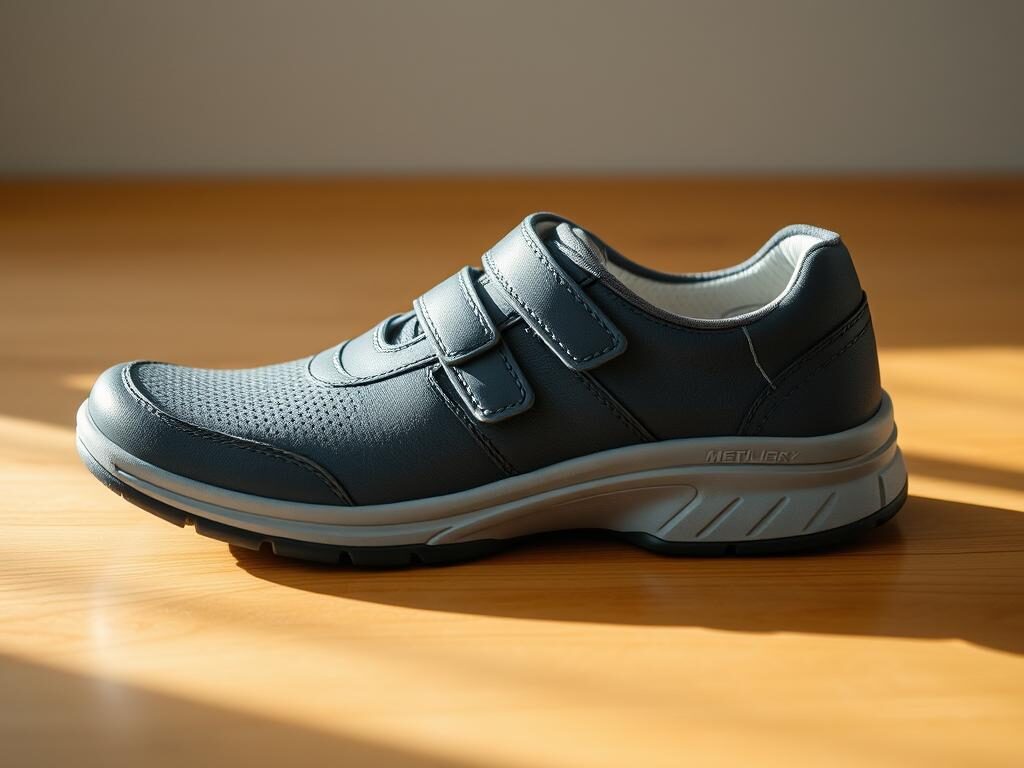
Get properly fitted shoes with toe room and arch support

Measure your foot regularly. Leave about half an inch between your longest toe and the shoe tip and choose stable arch support to stop rubbing and hotspots.

Choose clean, dry socks without tight elastic bands

Wear socks that are dry and nonbinding. Tight bands can restrict circulation and raise the chance of blisters or pain.

Avoid barefoot walking, sandals, and high heels

These expose fragile skin and increase cuts, punctures, and friction that can lead to a foot ulcer or infection.

  • Rotate and replace worn shoes to limit pressure points.
  • Check inside shoes for debris before putting them on.
  • Consider orthotics or specialized diabetic foot shoes if your clinician recommends them.

Dominion Mobile Wound Care can assess your fit at home, suggest insoles, and arrange diabetic shoes or adjustments to protect your feet.

Manage Health Factors that Slow Healing

Managing key health targets helps your body repair damaged skin faster. Focus on glucose control, circulation, weight, and tobacco use to give wounds the best chance to close.
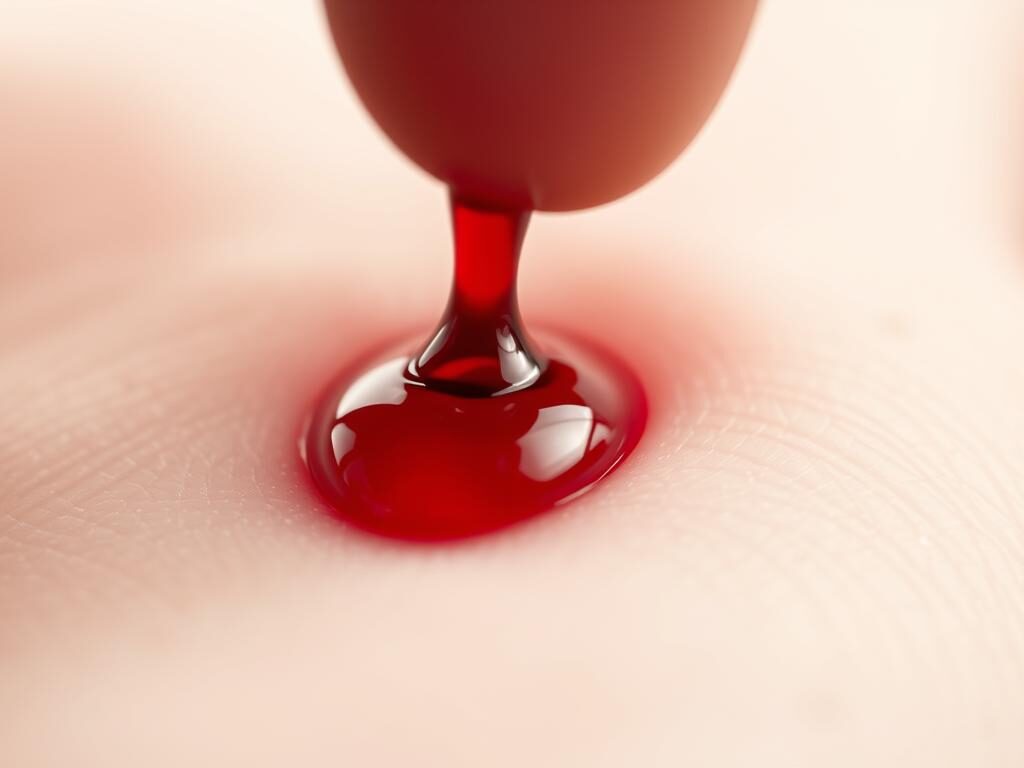
blood sugar

Keep blood sugar levels in target range to aid healing

You work toward steady blood sugar so your body can deliver oxygen and nutrients for repair.

Track sugar and adjust food, activity, and medications with your doctor to keep levels within your target range.

Support blood flow and watch for peripheral arterial disease

Elevated glucose stiffens arteries and narrows vessels, which reduces oxygen delivery needed for healing.

Watch for cold toes, calf cramps, or slow-healing spots and discuss testing for arterial disease with your clinician.

Maintain a healthy weight to reduce shoe friction and pressure

Losing weight lowers pressure points and decreases friction inside shoes that cause blisters and cuts.

Quit tobacco to improve circulation and wound recovery

Nicotine and related chemicals constrict vessels and slow recovery in your legs and feet. Make a quit plan and ask for help.

  • Manage cholesterol and blood pressure alongside glucose to lower complications.
  • Use supportive footwear and activity changes while your foot heals.
  • Schedule follow-up so small changes are caught early.

Dominion Mobile Wound Care collaborates with your clinician to reinforce glucose goals, monitor wound progress, and coach lifestyle changes that support healing.

When to Contact a Doctor About Foot Ulcers

Timely care for a worsening foot wound lowers the chance of deep infection and hospitalization. If you see rapid change, act without delay so treatment can start before the problem spreads.

Urgent warning signs: spreading redness, warmth, drainage, fever, or bone pain

Call your doctor immediately if you notice spreading redness, new warmth, foul drainage, fever, or severe tenderness near a wound.

These signs may mean infection has moved deeper and could reach bone. Quick evaluation often avoids complex treatment and hospital stays.

Schedule regular foot exams and annual podiatry visits

Set routine checks so problems are found early. Annual podiatry exams catch issues before they threaten deeper tissue.

  • Keep a list of warning signs handy and call when changes appear.
  • Ask for a same‑day visit if a wound worsens or your blood sugars spike with new swelling.
  • Bring glucose records, medication info, and a brief wound care summary to appointments.
  • Use mobile services to assess wounds at home when travel is hard or you need urgent care.

Dominion Mobile Wound Care can coordinate same- or next‑day visits, provide home wound care, and liaise with your doctor for imaging, antibiotics, or specialty referrals. If you need options fast, use online tools to find doctor listings and schedule an exam in a timely way.

Conclusion

Consistent home care helps you catch trouble early and keeps you moving with confidence.

Use a short daily checklist: look for cuts or blisters, wash with lukewarm water, dry well, moisturize tops and soles, and wear protective shoes and socks.

Keep steady blood sugar and support blood flow to speed healing. Watch for early change in the foot and act fast to limit complications and foot ulcers.

If a wound looks worse, get a prompt evaluation. Hire Dominion Mobile Wound Care for at-home assessment, timely referrals, and expert help to heal wounds and protect your mobility.

FAQ

How often should you inspect your feet at home?

You should check your feet every day, looking at heels, soles, toes, and between toes. Daily checks help you spot cuts, blisters, redness, swelling, warmth, or pain early so you can act before an infection starts.

What’s the best way to check the bottoms of your feet?

Use a handheld mirror or ask a family member to help if you can’t see the soles. Move the mirror slowly to view every area and take your time to find small wounds or hard skin that could lead to problems.

Which signs mean you should call a doctor right away?

Contact your provider if you notice spreading redness, increased warmth, pus or drainage, a fever, or deep pain that may reach bone. These signs can indicate infection or a serious wound that needs prompt care.

How should you wash and dry your feet?

Wash with lukewarm water and mild soap, then dry carefully, especially between toes. Avoid soaking for long periods; moisture trapped between toes can promote fungal infection.

Where should you apply moisturizer and where should you avoid it?

Apply lotion to the tops and bottoms of your feet to prevent dry, cracked skin. Do not put moisturizer between toes, because excess moisture there raises infection risk.

What footwear choices protect your feet and circulation?

Wear properly fitted shoes with room in the toe box, good arch support, and cushioning. Avoid walking barefoot, sandals that expose skin, and high heels that concentrate pressure. Replace worn shoes and rotate pairs to reduce pressure points.

Are special shoes or inserts necessary?

If your doctor or podiatrist recommends them, custom orthotics or shoes designed for people with nerve damage and poor blood flow can reduce pressure and lower risk of wounds. Ask a clinician for a fitting and prescription when needed.

What sock features should you look for?

Choose clean, dry socks made of moisture-wicking materials that don’t have tight elastic bands. Seamless or padded socks reduce rubbing and blister risk. Change socks daily or sooner if damp.

How does blood sugar control affect healing?

Keeping blood sugar levels in your target range supports immune function and speeds wound healing. High sugar impairs circulation and increases infection risk, so work with your care team on meals, medications, and monitoring.

When should you see a podiatrist for routine care?

Schedule regular foot exams and at least one annual podiatry visit, or more often if you have nerve damage, poor circulation, or a history of wounds. A podiatrist can treat calluses, trim nails safely, and advise on footwear.

What lifestyle changes help improve blood flow to your feet?

Stay active with walking or low-impact exercise to boost circulation, maintain a healthy weight to lower pressure on your lower extremities, and stop tobacco use to improve blood flow and healing capacity.

How do you treat minor cuts or blisters at home?

Clean the area with mild soap and water, dry it, apply an antibiotic ointment if advised, and cover with a sterile dressing. Reduce pressure on the spot with padding or a different shoe. See a clinician if it doesn’t improve in a few days.

Can water activities harm your feet?

Prolonged soaking, such as long baths or hot tubs, can soften skin and increase breakdown. Keep water temperature comfortable, limit soak time, and dry feet thoroughly afterward to avoid skin damage and infection risk.

What are common early signs of nerve damage in the feet?

Numbness, tingling, burning, or reduced ability to feel heat, cold, or pain are warning signs. Nerve damage raises your risk for unnoticed wounds, so report these symptoms to your doctor promptly.

How often should you replace your shoes?

Replace shoes when you notice worn soles, uneven wear, loss of cushioning, or any new pressure spots. As a rule, many shoes need replacement every 300–500 miles of walking, but check frequently for visible wear.

What role does weight play in foot injuries?

Excess weight increases pressure on your feet, raising friction and the chance of skin breakdown and wounds. Maintaining a healthy weight reduces stress on bones, joints, and skin and helps shoes fit better.

Are blisters dangerous if you have nerve or blood flow problems?

Yes. Blisters can quickly become infected or turn into open wounds if you have poor circulation or sensory loss. Avoid popping blisters; protect them with a sterile dressing and seek medical advice if they worsen.

Who should you call for specialized wound care?

If a wound won’t heal, shows signs of infection, or if you have severe peripheral arterial disease or bone pain, ask your primary care doctor for a referral to a wound care clinic or a podiatrist experienced in lower extremity wounds.

How can you prevent pressure points from forming in shoes?

Get professionally fitted shoes, use cushioned insoles or pads where needed, rotate shoes daily, and avoid tight or narrow styles. If a spot rubs, address it immediately with padding or a different shoe to stop skin breakdown.
Diabetic Wound Care

Managing Diabetic Foot Ulcers with At-Home Care

You are reading guidance from Dominion Mobile Wound Care to help manage a common foot problem linked to diabetes.

This short guide lays out simple steps you can follow at home and clear cues for when to get professional help.

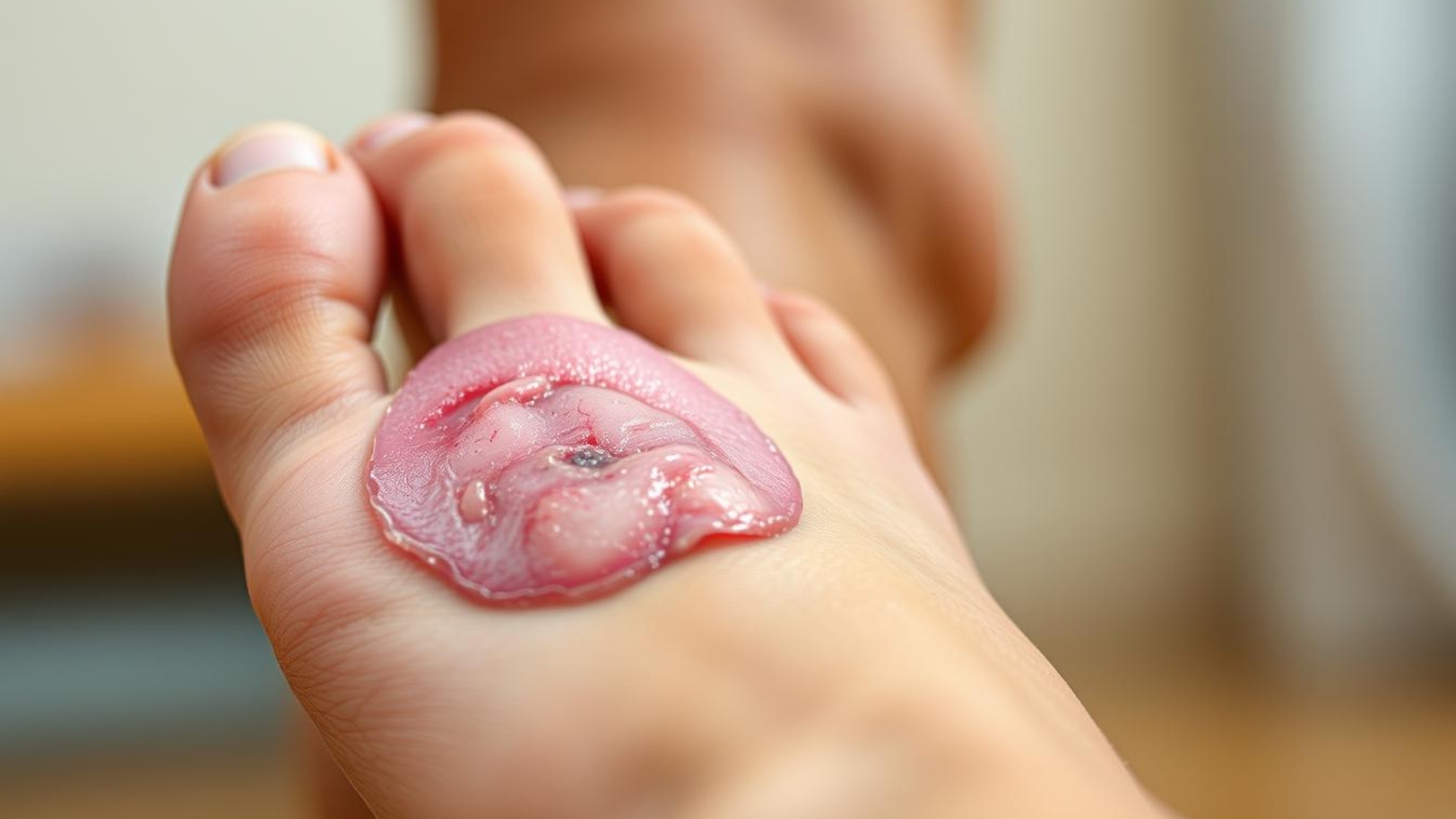
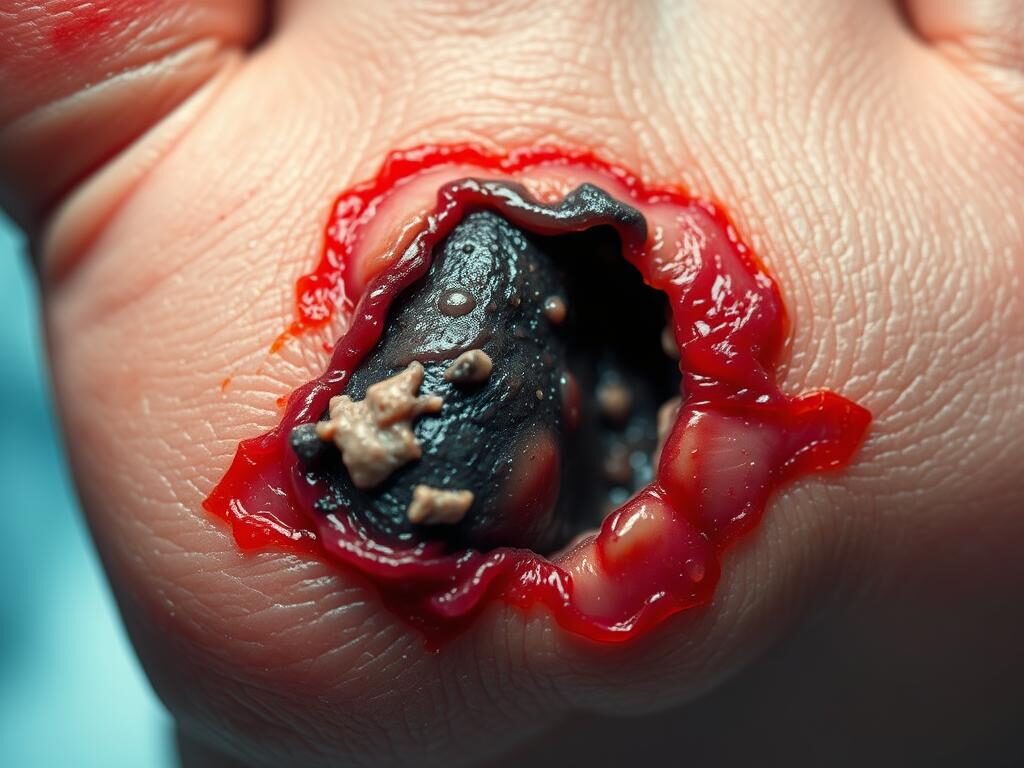
About 15% of people with diabetes develop an open sore on the bottom of the foot. If ignored, these sores raise the risk of infection, hospitalization, and even amputation.

Modern moist methods—keeping the area covered—support faster healing than letting the sore air out. Avoid harsh agents like full-strength betadine or hydrogen peroxide and skip soaking.

In this article, you’ll get practical steps for cleansing, covering, off-loading pressure, and tracking progress. You’ll also learn the warning signs that mean you should seek urgent professional attention.

Key Takeaways

  • Keep the area covered and moist to promote faster healing.
  • Avoid caustic cleansers and soaking that harm tissue.
  • Watch for infection signs and act quickly to lower risk.
  • Off-load pressure from the foot to prevent repeated damage.
  • Coordinate home management with professional support from Dominion Mobile Wound Care.

What You’re Dealing With: Diabetic Foot Ulcers, Risks, and Why Home Care Matters

A sore on the bottom of your foot may seem minor until it signals deeper problems with nerves and circulation. Many people don’t feel pain because long-term high blood glucose can cause neuropathy and nerve damage. That lack of sensation lets a small problem grow unnoticed.

About 15% of people with diabetes develop an ulcer on the sole. Certain groups have higher risk developing serious problems: those using insulin, people with kidney, eye, or heart disease, older men, and some racial groups.

Why ulcers form: reduced sensation from neuropathy, poor circulation that limits blood flow and healing, repeated pressure or friction, foot deformities, and trauma. These factors combine to slow recovery and increase infection chance.

ulcer

Early warning signs you can spot at home

  • Drainage on socks or dressings — clear, cloudy, or bloody.
  • New redness, swelling of the feet or toes, or a foul odor.
  • Skin breakdown on the bottom of the foot or persistent irritation.

If you notice any of these signs, act quickly. Dominion Mobile Wound Care can assess neuropathy, screen circulation, and help start treatment before the problem worsens.

Step-by-Step Diabetic Wound Care at Home

A clear, repeatable at-home routine helps keep an ulcer from worsening and shortens healing time. Start with gentle cleaning, protect the area, off-load pressure, and track progress each day. If you need help, Dominion Mobile Wound Care can visit to guide treatment and dressing choice.

Cleanse correctly

Wash the skin and wound with antibacterial soap and warm water. Rinse and pat dry gently to avoid harming tissue.

Avoid full-strength betadine, hydrogen peroxide, whirlpools, and soaking.

Cover and redress

Apply a topical antibacterial ointment, then a modern bandage to keep a moist environment. Daily changes let you monitor healing; if the ulcer clearly improves, your clinician may advise every other day.

Off-load pressure and support healing

  • Use protective footwear, braces, specialized casts, or temporary crutch/wheelchair use.
  • Control blood glucose and manage swelling to improve circulation and tissue healing.

When to contact a doctor

Call immediately for spreading redness, new warmth, foul odor, increased drainage, fever, or no improvement in about a week. Escalate care if the ulcer fails to heal by 4–6 weeks.

Prevention and Ongoing Foot Management for People with Diabetes

Daily prevention steps can dramatically lower the chance that small foot problems grow into serious issues. Take a few minutes each day to inspect your feet and act on small changes. Routine habits protect circulation and help prevent foot ulcers.

prevention foot

Daily checks, safe skin and nail care, and never going barefoot

Inspect your soles and between toes daily for cuts, blisters, cracks, redness, drainage, or calluses. Use a mirror or ask for help when you cannot see spots easily.

Keep skin hydrated but avoid lotion between toes. Trim nails straight across and never remove calluses at home—see a clinician for debridement or treatment.

Reduce risks with the right shoes, habits, and health checks

  • Wear well-fitted shoes with a roomy toe box and cushioned insoles; choose moisture-wicking socks without tight bands.
  • Quit smoking, limit alcohol, and control cholesterol and blood pressure to support blood flow and lower risk of disease progression.
  • Keep blood glucose stable, report nerve or neuropathy symptoms, and schedule regular podiatry and circulation exams.

Make a simple home checklist to stay consistent. Dominion Mobile Wound Care can provide at-home monitoring, footwear guidance, and education to help prevent recurrence. Hire Dominion Mobile Wound Care for ongoing support in healing and prevention.

Conclusion

A prompt, steady routine at home gives your body the best chance for steady foot healing. Cleanse gently, keep the ulcer covered with a moist bandage, off-load pressure, and control blood glucose to support repair. Monitor for increasing redness, swelling, odor, or more drainage and call your doctor without delay if these infection signs appear.

Fast, proper treatment reduces the risk of hospitalization or amputations. When debridement, circulation assessment, or advanced dressings are needed, get professional help so healing stays on track.

Partner with specialists who come to your home. Dominion Mobile Wound Care offers in-home evaluation, advanced dressings, off-loading strategies, and close follow-up to help you heal and prevent future ulcers.

FAQ

What is a foot ulcer and who is most at risk right now?

A foot ulcer is a break in the skin on the sole or toe that can become deeper and infected. You are at higher risk if you have nerve damage (neuropathy), poor blood flow, long-standing high blood sugar, prior ulcers, or a history of foot deformities. Age, smoking, and kidney or heart disease also raise your risk.

Why do these ulcers form — what causes them?

They form from a mix of problems: loss of feeling in the feet means you don’t sense pressure or injury, poor circulation slows healing, repeated pressure or friction creates skin breakdown, and high blood sugar impairs your immune response. Together, these factors let small cuts become serious quickly.

What early warning signs should I watch for at home?

Check daily for redness, swelling, warmth, new drainage or pus, skin that’s breaking down, areas that are darker or pale, and a foul odor. Also note any changes in skin temperature or nails. Act fast if you see any of these to avoid infection.

How should I clean a minor foot wound at home?

Gently wash with mild, antibacterial soap and warm water, rinse thoroughly, and pat dry with a clean towel. Avoid harsh scrubbing. Apply a sterile dressing or modern moisture-retentive bandage to protect the area and promote healing.

What type of dressing is best for healing and protection?

Use dressings that keep a balanced moisture level, such as hydrocolloid or foam dressings for many ulcers. These protect from bacteria and reduce trauma during changes. Change dressings per your provider’s instructions or at least once daily while monitoring the site.

How often should I change the dressing and check the wound?

Inspect the site every day. Change the dressing daily or sooner if it becomes wet, soiled, or loose. Keep a simple photo or journal to track size, drainage, and color changes so you can spot stalled healing or infection.

What does “off-loading” mean and how do I do it at home?

Off-loading means removing pressure from the sore. Use supportive shoes, cushioned insoles, or removable boots to keep weight off the area. Avoid walking barefoot and limit standing. For serious ulcers, your clinician may prescribe custom footwear, braces, or casts.

How important is blood sugar and swelling control for healing?

Very important. Keeping glucose in your target range helps immune function and tissue repair. Control swelling with elevation, compression if advised, and treating any underlying vein or heart issues. Work with your care team on medications, diet, and activity to support recovery.

When should I call my doctor or go to urgent care immediately?

Seek immediate care if you have spreading redness, increased pain, fever, foul-smelling drainage, rapid swelling, numbness that gets worse, new dark tissue, or if the wound fails to improve after two weeks. Also call if you can’t control bleeding or if you develop signs of systemic infection.

What daily habits help prevent new foot problems?

Inspect your feet every day, wash and dry them carefully, moisturize dry areas but not between toes, trim nails straight across, and avoid self-removal of calluses. Never go barefoot indoors or outdoors. Choose well-fitting shoes and breathable socks.

How do proper shoes and socks reduce risk?

Shoes with a roomy toe box, firm heel support, shock-absorbing sole, and no internal seams reduce pressure and friction. Socks that wick moisture and fit well prevent blisters. Consider diabetic footwear or custom orthotics if you have deformities or a history of ulcers.

Can lifestyle changes lower my chance of developing another ulcer?

Yes. Quit smoking to improve circulation, maintain a healthy weight, control blood pressure and cholesterol, stay active within limits, and follow your treatment plan for glucose control. Regular foot exams with your provider also catch problems early.

What treatments might my clinician recommend beyond home methods?

Your clinician may suggest debridement to remove dead tissue, topical antimicrobial agents, specialized dressings, off-loading devices, antibiotics for infection, or advanced therapies like negative-pressure devices or skin grafts for stubborn ulcers. Referral to a podiatrist or vascular specialist may be needed.

How can I tell if circulation is a problem in my foot?

Signs of poor circulation include persistent coldness, pale or bluish skin, slow nail growth, hair loss on the toes, and weak pulses in the foot. If you notice these, ask your provider for a vascular assessment and tests like an ankle-brachial index.

Are amputation risks high and how can I reduce them?

Amputation risk rises with delayed treatment, deep infection, severe poor circulation, or uncontrolled blood sugar. Early detection, proper off-loading, infection control, vascular assessment, and adherence to medical advice greatly lower that risk.

How should I manage minor cuts, blisters, or calluses to avoid escalation?

Clean minor injuries promptly, apply a sterile dressing, and monitor closely. For blisters, keep the skin intact when possible or drain under sterile conditions if needed. Have a podiatrist handle thick calluses and never cut them yourself.

What role do professional follow-ups play in healing?

Regular follow-ups let clinicians track progress, perform necessary procedures, adjust dressings, manage infections, and recommend footwear or vascular care. Consistent follow-up shortens healing time and prevents complications.

Signs of diabetic foot ulcers

Best Practices for Managing Diabetic Foot Ulcers at Home

Managing diabetic foot ulcers at home is tough but very important. In San Antonio, it’s key to take care of these wounds well. If we don’t, we might get infections or even lose a limb.

This article will teach us how to take care of our feet at home. We’ll learn how to watch our feet, manage wounds, and choose the right shoes. This will help us keep our feet healthy and happy.

Key Takeaways

  • Understanding the seriousness of diabetic foot ulcers is crucial for effective management.
  • Regular foot inspections help us catch potential issues early.
  • Consistent wound care routines promote faster healing.
  • Proper footwear can prevent further complications.
  • Collaboration with healthcare professionals is essential for ongoing support.

Understanding Diabetic Foot Ulcers

To manage diabetic foot ulcers, we must first understand them. These open sores happen on the feet of people with diabetes. They come from many factors, so knowing the causes is key to preventing them.

Definition and Causes

Diabetic foot ulcers are linked to diabetes’s effects on the body. Neuropathy, or nerve damage, is a big cause. It makes it hard to feel injuries like cuts or blisters on the feet.

Poor blood flow also plays a part. It slows healing, turning small injuries into big ulcers. Shoes that don’t fit right or too much stress can make things worse.

Risks Associated with Untreated Ulcers

Ignoring a diabetic foot ulcer is risky. It can lead to infections like cellulitis or osteomyelitis. In the worst cases, it might even cause gangrene, which could mean losing a limb.

Spotting and treating ulcers early is crucial. It helps avoid these serious problems and keeps our feet healthy.

Signs and Symptoms of Diabetic Foot Ulcers

Knowing the signs of diabetic foot ulcers helps us manage them better. Spotting them early means we can act fast. We need to watch for signs that might mean ulcers or infections are coming.

Common Signs to Watch For

When looking for signs of diabetic foot ulcers, we should watch for:

  • Redness around the skin
  • Swelling in the affected area
  • Persistent pain, mostly in areas prone to ulcers
  • Open wounds or sores that may or may not hurt

Spotting these signs early helps us get care quickly. This can prevent bigger problems later.

Recognizing Infection

It’s important to know the signs of infection to keep our feet healthy. Infections can get worse fast. So, tell your doctor if you see:

  • Increased warmth in the affected area
  • Unusual drainage, like pus or too much moisture
  • A bad smell that’s not normal
  • Fever or chills
  • Pain that gets worse even with treatment

Checking your feet often is key, even more so if you have nerve damage. It helps us find problems early and get the right help.

Signs of diabetic foot ulcers

Diabetic Foot Ulcer Care San Antonio: Home Management Tips

It’s very important to take care of our feet if we have diabetes. By using good home care, we can lower the risk of foot ulcers. This part will give us tips on how to keep our feet healthy and cared for.

Daily Foot Care Routines

Doing the same foot care every day is a great way to prevent problems. First, wash your feet in warm water and dry them well, including between your toes. This stops moisture from building up.

Check your feet often for cuts or blisters. This way, you can treat them right away. Use special socks that keep your feet dry and comfy.

Proper Wound Management

To manage a wound right, follow what your doctor says. Clean and dress the wound as told. This keeps it clean and stops infection.

Make sure to check the wound often and keep it dressed. This helps the wound heal and stay safe.

Footwear and Mobility Considerations

Choosing the right shoes is key to avoid injuries for people with diabetes. We have many diabetic shoe options that are comfy and safe. Shoes that fit well give our feet the support they need.

Choosing Proper Shoes

Look for shoes with extra cushioning and orthotic insoles. These help prevent foot ulcers. When picking shoes, remember:

  • Fit: Shoes should fit our foot shape well.
  • Cushioning: Stuff that absorbs shock makes walking comfy.
  • Stability: A strong heel helps keep our feet stable.

Choosing the right shoes helps keep our feet healthy.

Importance of Not Going Barefoot

It’s also important to wear shoes, even at home. Without shoes, we risk cuts, sores, and infections. Wear socks that reduce friction to protect our feet more.

diabetic footwear

Working with Your Healthcare Team

Working with your healthcare team is key to keeping your diabetic foot healthy. Regular talks and actions help stop and handle problems. It’s important to get regular check-ups for your feet.

Regular Foot Examinations

Getting your feet checked often is a big part of managing diabetes. Try to see your doctor or podiatrist often. They can check your feet and find any problems early.

Seeking Immediate Medical Attention

If you see something odd or your foot gets worse, get help right away. Quick action can prevent big problems. Being careful and quick can help keep your feet safe.

Conclusion

We can manage diabetic foot ulcers at home with care and the right shoes. By following good prevention steps, we can avoid big problems. Keeping an eye on our feet is key when we have diabetes.

Staying healthy means seeing doctors often and talking to them. Regular visits and talking to our doctors help us catch problems early. This keeps our feet safe.

If you need extra help, think about services like Dominion Mobile Wound Care. Let’s all work together to keep our feet healthy. This helps us feel better overall.

FAQ

What are diabetic foot ulcers?

Diabetic foot ulcers are open sores on the feet of people with diabetes. They happen because of nerve damage, bad blood flow, and injury. If not treated, they can cause big problems.

How can we prevent diabetic foot ulcers?

To stop diabetic foot ulcers, take good care of your feet. Wear the right shoes. Keep your feet clean and dry. Check your feet often for any injuries.

What should we do if we notice signs of infection in a foot ulcer?

If you see signs of infection like warmth, drainage, pus, or fever, call your doctor right away. This helps stop the problem from getting worse.

How often should we have foot examinations?

See your doctor for foot checks at least once a year. If you have foot problems or ulcers, go more often.

What are the signs and symptoms to monitor for in diabetic foot ulcers?

Watch for redness, swelling, pain, and open sores. Also, look for signs of infection like warmth and bad smell.

Why is proper footwear important for diabetic foot health?

Good shoes are key to avoiding foot injuries and ulcers in people with diabetes. They help spread out pressure and reduce rubbing.

Can we manage diabetic foot ulcers at home?

Yes, you can take care of diabetic foot ulcers at home. Just follow your doctor’s advice on wound care and keep your feet clean. Always watch for any changes.

What should we do if a diabetic foot ulcer doesn’t heal?

If a foot ulcer doesn’t get better, see your doctor. They can check it out and find ways to treat it to avoid serious issues.