Discover essential San Antonio caregivers’ wound care tips to help your loved ones heal. Hire Dominion Mobile Wound Care to provide expert care.


Promoting Healthy Skin
Discover essential San Antonio caregivers’ wound care tips to help your loved ones heal. Hire Dominion Mobile Wound Care to provide expert care.

Your role at home matters when a loved one has a cut, burn, pressure area, or surgical incision. You can learn a simple, step-by-step approach that keeps skin protected and supports wound healing with safe, practical actions.
Start with basic first aid: gentle pressure for bleeding, rinsing with clean water, and elevation when possible. Daily dressing changes, clean technique, and the right products help prevent infection and speed recovery.
Wounds vary by severity and by the person’s overall health. You will learn which tasks you can do confidently as a family member and when to get professional help for your loved one.
Dominion Mobile Wound Care can partner with you at home to provide expert support, guidance, and hands-on care. Hire Dominion Mobile Wound Care to help heal their wounds and keep your family safe.
Learn simple actions that keep your loved one safe and speed recovery at home. This short article section outlines the practical care steps you can do each day to support skin healing and prevent problems.
Core skills you will master:
Set up a clean care space and wash hands every time you handle the area. Track drainage, odor, and pain so you can spot changes quickly. If bleeding is hard to stop, debris is embedded, or the opening is large or deep, seek help promptly.
Follow a consistent routine—clean, protect, dress—so healing stays on track. If you want professional support at home, Dominion Mobile Wound Care is available to help heal their wounds and give you confidence. Hire Dominion Mobile Wound Care for skilled at‑home care when you need it.
Aging changes the skin’s make-up, so common injuries behave differently in older adults. Thinner skin with less collagen and reduced elasticity tears and bruises more easily. Fragile blood vessels mean more visible bruising and slower healing times.
Delicate skin and fragile vessels: You’ll notice that minor knocks or friction can cause big marks. Reduced circulation also slows repair, so redness and swelling may last longer.
Cuts, lacerations, and abrasions: Cuts are clean breaks in the skin, while abrasions remove the top layer. Clean minor cuts gently with mild soap and water or saline to avoid further damage.
Skin tears: Skin tears separate like paper. Gently reposition the flap, keep the area moist with hydrogel, and cover with a nonstick dressing. Avoid placing adhesive directly on the torn edge.
Burns and blisters: First-degree burns are red and blanch with pressure. Second-degree injuries have intact blisters. Third-degree burns look white or charred and need emergency care.
Pressure sores: Sustained pressure reduces blood flow and damages tissue. Immobilized people are at high risk; watch for early redness over bony areas and reposition to protect skin.
Dominion Mobile Wound Care can assess fragile skin and recommend protective strategies tailored to your loved one to help prevent and manage these common wounds.
When a cut or tear happens, quick action reduces blood loss and lowers infection risk. Start by following a simple, calm sequence so you can give safe treatment at home.

Apply direct, gentle pressure with clean gauze or cloth and keep the area elevated to reduce blood loss. If the person takes blood thinners, hold pressure longer and add layers if blood soaks through.
Rinse under clean running water or use a saline spray. Pat the area dry; avoid scrubbing fragile skin. Seek medical attention if debris remains or the opening is deep.
Smear petroleum jelly or medical‑grade honey to shield the site and support healing. Antibiotic ointment is often unnecessary.
Dominion Mobile Wound Care can demonstrate these methods in your home and help you assemble a safe supply kit for future care and quick treatment.
Prepare a tidy, well-lit station before every dressing change. Gather supplies, lay a clean towel, and place used items in a sealed bag. This simple setup reduces contamination and saves time.
Wash with soap and water before and after each session. Use gloves if available. A clean surface and good light help you see drainage, color, and edges clearly.
Keep the area slightly moist so new tissue can form. Apply a thin layer of petroleum jelly or hydrogel for skin tears to prevent dressings from sticking and to ease pain.
Match the dressing to purpose: protect, absorb drainage, and maintain moisture. Use nonstick pads for tears and burns, bordered dressings for small cuts, and extra padding for fragile skin.
Time dressing changes after prescribed analgesics. Offer water and protein-rich meals to support health and healing. Note pain levels each day so trends are clear.
Reposition on a schedule to reduce pressure on heels, hips, and sacrum. Use pillows, wedges, and soft clothing to protect skin and prevent shearing during transfers.
Wounds move through clear phases; recognizing each phase guides your daily care. Knowing what is typical at each stage helps you track healing and set realistic expectations for timeframes.
In the first hours, clots form to stop bleeding and a scab begins to protect the area.
Over the next days, inflammation delivers immune cells and increases blood flow. Expect redness, warmth, tenderness, and some swelling as the body clears debris.
Over the following weeks, fibroblasts rebuild tissue and new blood vessels form. The wound may look pink or bumpy as it contracts.
Itching is common—discourage scratching and keep a moist barrier under the dressing to protect new tissue.
Maturation can take months to years. Collagen reorganizes and the scar flattens and gains strength over time.
Gentle movement supports blood flow and reduces stiffness without stressing the repair.
Watch closely for quick changes in color, smell, or drainage that may signal a problem. Early recognition helps you get timely care and protect your loved one.
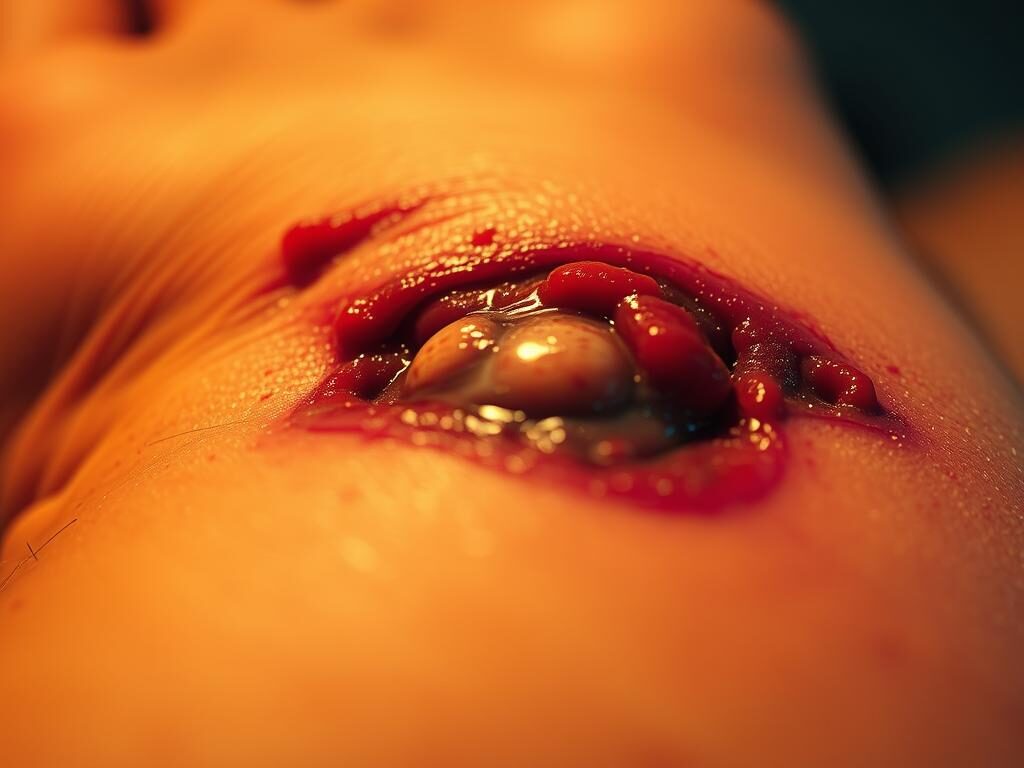
If edges reopen, stitches break, or a site shows black or gray tissue (necrosis), get medical attention right away. Little to no healing after a week also needs evaluation.
Document changes with photos and times. Reduce pressure on the area while you arrange help. Dominion Mobile Wound Care can assess your situation at home the same day and coordinate escalation when needed.
Some health issues mean standard at‑home routines must be adjusted to keep recovery on track. Know when to adapt your actions and when to call for prompt professional help.
If your loved one takes anticoagulants, expect longer bleeding times. Hold steady, direct pressure longer to stop bleeding and avoid frequent bandage removal unless instructed.
Coordinate with clinicians about safe pain control and activity limits while anticoagulated to reduce risk.
Diabetes, heart, or kidney conditions reduce blood flow and weaken immunity. These factors slow healing and raise infection risk.
Schedule closer monitoring and keep strict hygiene, nutrition, and hydration to support overall health.
Pressure ulcers form when pressure exceeds blood flow. Reposition people on a schedule, float heels, and use cushions or wedges in bed or chair.
Dominion Mobile Wound Care can customize protocols for anticoagulation, chronic conditions, and mobility limits and train your family in prevention and treatment routines.
Choose dressings that match the type of skin injury and the amount of drainage for safer healing at home. The right product protects fragile skin, manages moisture, and reduces pain during changes.
For skin tears, apply hydrogel to keep the area hydrated and ease pain. Cover with a nonabsorbent, nonstick dressing and secure the edges without placing adhesive over the tear.
Minor burns with intact blisters can be cooled, coated with petroleum jelly or medical‑grade honey, and covered with a nonstick pad. For deeper burns, seek emergency care.
Change dressings once a day unless the pad is saturated or your clinician advises otherwise. Check for increased pain, spreading redness, swelling, pus, foul odor, or excessive bleeding—these are signs to change materials and get help.
Dominion Mobile Wound Care can recommend and source the right dressing, set your change schedule, and teach you when to switch products as the wound evolves.
A clear daily routine makes it much easier to support healing for a loved one at home.
Keep it simple: use clean technique, maintain gentle moisture, and choose the right dressing for each wound type.
Protect fragile skin with padding and minimal adhesives. Reposition people in bed or chair to reduce pressure and avoid new injuries.
Watch for red flags—spreading redness, pus, foul odor, fever, dehiscence, or bleeding that won’t stop—and seek medical attention without delay.
Use this article as your how-to guide, then refine the plan with expert help. For trusted at-home wound care and to tailor treatment and monitoring, Hire Dominion Mobile Wound Care to help heal their wounds.
Stop bleeding first by applying gentle pressure with a clean cloth. If bleeding is heavy or won’t stop after 10–15 minutes, get emergency care. Once bleeding slows, gently clean with mild soap and water or saline, pat dry, apply a thin layer of petroleum jelly or a medical-grade barrier, and cover with a nonstick dressing.
Apply firm pressure to control bleeding and seek medical advice quickly. Expect longer bleeding times; keep the wound clean and monitored for expanding bruising or continued bleeding. Inform their prescribing clinician — do not stop or change medications without guidance.
Seek medical attention if the wound is deep, gaping, caused by animal or dirty objects, has foreign material embedded, shows signs of infection (increasing redness, swelling, pus, warmth, foul odor, or fever), reopens, or if bleeding won’t stop. Also consult a clinician for wounds in people with diabetes, poor circulation, or immune issues.
Change dressings daily or sooner if they become wet, soiled, or loose. For moist healing dressings like hydrogel or hydrocolloid, follow product instructions—often every 2–3 days—while checking the skin around the wound daily for redness or drainage.
Use soft, nonadhesive dressings—silicone or nonstick pads—plus gentle tape or wrap to secure. Hydrogels and thin foam dressings help maintain moisture without sticking. Avoid strong adhesive tapes that tear thin skin when removed.
Control pain with acetaminophen or ibuprofen if allowed, keep the wound clean and moist, ensure good hydration and protein-rich nutrition, and encourage gentle movement to improve circulation. Elevate the injured area to reduce swelling when appropriate.
Look for spreading redness, increasing warmth, swelling, pus or cloudy drainage, a bad smell, tender lumps, or systemic signs like fever or chills. A clinician can inspect the wound and prescribe antibiotics if appropriate.
Pressure injuries form where skin and tissue get compressed against a surface, cutting off blood flow. Prevent them by repositioning every two hours in bed, using pressure-relief cushions, keeping skin clean and dry, and ensuring adequate nutrition and hydration.
Monitor closely for slow healing and infection. Keep glucose under control, inspect feet and other at-risk areas daily, avoid tight shoes, and seek medical care early for any breaks in the skin. Wounds that don’t show improvement in a week need clinician review.
Use plain petroleum jelly to keep wounds moist and prevent scabs. Medical-grade honey (Manuka) can help some wounds but buy products labeled for wound care and follow instructions. Avoid applying raw substances or untested folk remedies that may contaminate the wound.
Keep the area clean and apply gentle pressure if it’s bleeding. Cover with a sterile dressing and contact the clinician who performed the closure or go to urgent care. Do not attempt to restitch at home.
Superficial cuts and minor skin tears often improve within 1–2 weeks. Deeper wounds, burns, or pressure injuries can take weeks to months depending on health, blood flow, and care. Look for steady improvement: less pain, shrinking size, and formation of healthy tissue.
Use a well-lit surface, clean towels, sterile dressings, mild soap, saline or wound cleanser, gloves, adhesive tape or wraps, and a waste bag. Wash hands thoroughly before and after each change and avoid touching the wound with bare fingers.
Keep wounds moist but not soaked. Use dressings designed to balance fluid—alginate or foam for heavier drainage, thin films or hydrogel for lighter wounds. Change dressings when wet or every 24–72 hours based on product instructions and wound condition.
If dressings become saturated with fresh blood, show increasing foul odor, reveal expanding redness or swelling, or cause sudden increased pain, contact a clinician immediately. Also watch for systemic symptoms like fever or confusion.
Yes. Relieve pressure on vulnerable spots by repositioning frequently, using pillows or foam pads, and avoiding prolonged sitting or lying on the injured area. For limb wounds, elevate when possible to reduce swelling and improve circulation.
Poor circulation slows oxygen and nutrient delivery, delaying repair. Encourage light activity as tolerated, avoid tight clothing, keep the limb warm (not hot), manage cardiovascular conditions per provider instructions, and seek vascular evaluation if wounds persist.
Over-the-counter acetaminophen or ibuprofen can reduce pain and inflammation if there are no contraindications. Topical anesthetic gels are sometimes used for dressing changes. Always check with the person’s clinician about interactions and dosing.
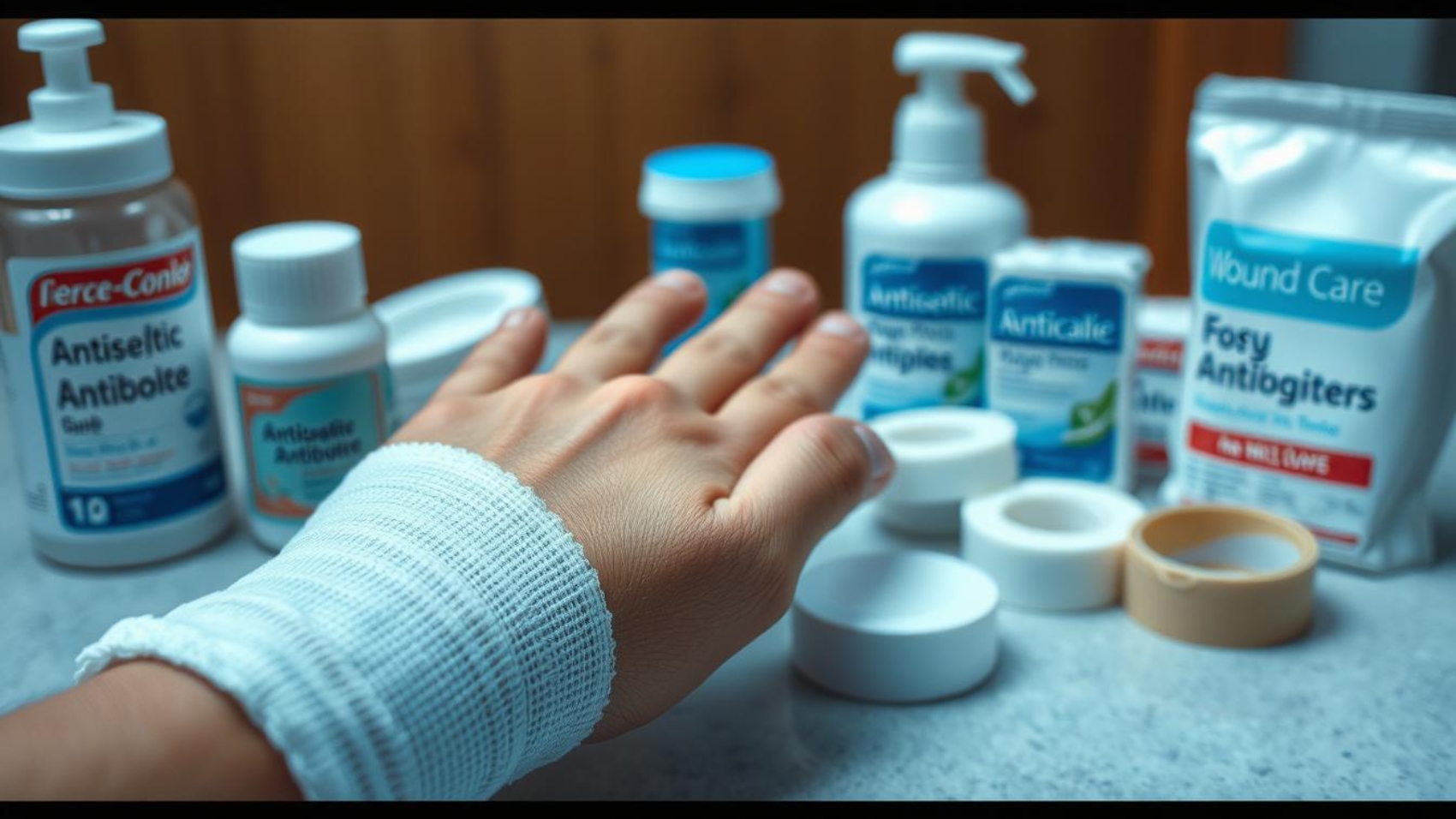
At-home routines matter. Simple daily steps help keep a break in the skin clean and guarded against bacteria like Staphylococcus aureus or Streptococcus. When people act quickly, they often reduce the chance of cellulitis, osteomyelitis, or sepsis developing over time.
Effective home care uses gentle cleansing with clean water or saline, removal of visible debris, a thin protective ointment layer, and a proper dressing. These habits help protect tissue and promote healing without harsh agents that can slow recovery.
Most minor wounds improve within a couple of weeks if kept clean and monitored. If pain worsens, redness spreads beyond a thumb’s width, or there is unusual discharge, patients should seek clinical help promptly.
Dominion Mobile Wound Care offers convenient, expert services for people who need evaluation or support at home. Hire Dominion Mobile Wound Care to help heal their wounds.
A simple cut or puncture opens a doorway for bacteria that live on the skin or in the environment. When microbes colonize a damaged site, they can multiply and lead to local problems if not cleaned and covered promptly.
A break in the skin allows germs from soil, water, or the person’s own flora to enter. Bacteria such as Staphylococcus aureus, Escherichia coli, and Streptococcus species commonly cause issues.
Local involvement can progress to cellulitis (skin and soft tissue) or osteomyelitis (bone). If bacteria or toxins reach the bloodstream, systemic symptoms like fever, chills, nausea, or aches may follow.
For expert home evaluation and care, hire Dominion Mobile Wound Care to help heal their wounds.
A clear routine at home helps keep a minor skin injury clean and moving toward healing. Small steps done in order can greatly reduce risk and make follow-up easier.

Before touching the site, wash hands with soap and warm water. If soap and water are not available, use an alcohol-based sanitizer.
Rinse the area with clean running water or a saline solution. Use soapy water on the skin around the injury. Avoid hydrogen peroxide and iodine; they can irritate tissue and delay healing.
If visible debris like dirt or grass remains, gently remove it with tweezers sterilized in rubbing alcohol. Work slowly to avoid introducing new germs.
Apply a thin barrier if advised and cover with a nonstick dressing that keeps the site moist but not wet. Change the cover at least once daily and discard used supplies safely.
Protect the area from urine, stool, pet hair, and fingernail scabs. Record daily changes to help spot problems and reduce risk early.
Hire Dominion Mobile Wound Care to help heal their wounds.
Early clues on the skin and in the body point to when to contact a clinician without delay. Quick recognition helps patients avoid complications and keeps care focused and effective.
Redness, warmth, swelling, and increasing tenderness around the site are hallmark changes. A foul odor or green/yellow discharge (pus) also signals the need for evaluation.
If a person develops fever, chills, nausea, or body aches, these symptoms may show the problem is spreading beyond the skin. Seek medical attention promptly when systemic signs appear.
Red streaks moving away from the area, a wound that reopens, severe worsening pain, or delayed healing are all reasons to contact a doctor. Also seek care if debris cannot be removed or the injury came from a bite or dirty object.
Hire Dominion Mobile Wound Care to help heal their wounds.
Surgical incisions need layered protection before leaving the hospital and during recovery at home. Good pre-op steps and clear post-op habits lower the chance of wound infections and other complications.

Patients may be asked to shower with soap or use antibacterial wipes before arrival. Hospitals often screen for MRSA and give perioperative antibiotics just prior to incision to reduce risk.
Nurses monitor surgical sites closely. If concerning signs appear, a nurse or doctor may swab the area for lab testing.
Do not remove the primary dressing unless told to do so. Keep your hands off drains and the incision to avoid introducing germs.
Some centers use secure photo-based remote monitoring so clinicians can review changes and respond as soon as possible.
Dominion Mobile Wound Care coordinates post-op education and home wound care services. Hire Dominion Mobile Wound Care to help heal their wounds.
Practical supplies paired with clear habits help people manage treatment and support healing at home.
Pack the basics: saline solution, sterile gauze, nonadherent dressings, medical tape, sterile gloves, alcohol‑based sanitizer, tweezers, and a clean waste container for safe disposal.
Good nutrition speeds recovery. Include protein, vitamin C, zinc, and plenty of fluids to help the immune system and promote healing.
Keep a simple log of daily observations and photos to spot changes and coordinate with care services. Dominion Mobile Wound Care offers in‑home wound care services, education, and follow‑up tailored to goals and clinical needs. Hire Dominion Mobile Wound Care to help heal their wounds.
Conclusion
A routine of clean hands, gentle cleansing, and proper dressings is the clearest path to safer recovery. Consistent at‑home care that removes debris, protects the site, and watches for warning signs helps reduce risk and support healing.
Watch for key signs of infection: increasing redness, swelling, heat, foul odor, or pus. Different types of injuries, including surgical sites, may need targeted follow‑up so patients get the right treatment at the right time.
Partnering with a doctor early guides safe care and can prevent problems from affecting the whole body. For in‑home evaluation and expert support, Hire Dominion Mobile Wound Care to help heal their wounds.
They should wash hands with soap and water or use an alcohol-based sanitizer before touching the area. Clean the site gently with clean water or saline to remove dirt and debris, pat dry with a sterile gauze, and apply a protective dressing to keep the area covered and moist but not soaked. Regularly change dressings and avoid touching the site with unclean hands to lower the chance of bacterial growth.
Redness that spreads, increasing warmth, swelling, new or worsening tenderness, foul odor, or pus are all local signs to watch. If any of these appear or the area fails to improve within a few days, they should contact a healthcare provider for evaluation.
If they develop fever, chills, nausea, muscle aches, lightheadedness, or feel generally unwell after an injury, they should seek prompt medical attention. These systemic signs can mean the condition is spreading and may require antibiotics or urgent treatment.
Yes. Strong antiseptics like full-strength hydrogen peroxide, iodine scrub, or undiluted alcohol can damage healthy tissue and delay repair. Instead, rinse with clean water or sterile saline and use mild soap around the area if needed. If unsure, follow clinician guidance or a wound care service recommendation.
A compact kit should include mild soap, sterile saline or sterile irrigation, nonstick dressings, sterile gauze, hypoallergenic tape, alcohol-free hand sanitizer, disposable gloves, and clean scissors. Keeping these items on hand helps maintain hygiene and limits contamination during dressing changes.
Surgical sites often receive perioperative antibiotics and sterile closure to reduce risk, but they still need protection. Patients should follow pre-op shower instructions, avoid removing approved dressings early, keep drains secured, and follow surgeon advice on activity limits. Monitoring the site for redness, drainage, or fever during the days and weeks after surgery is essential.
Yes. Adequate protein, vitamins (especially C and A), minerals such as zinc, and good fluid intake support tissue repair and immune function. Patients should aim for balanced meals and sufficient fluids; a dietitian or clinician can advise if special supplementation is needed.
Caregivers should perform hand hygiene before and after contact, wear disposable gloves if there is active drainage, use clean supplies for each dressing change, dispose of contaminated materials safely, and avoid sharing towels or clothing that touch the affected area. These steps reduce cross-contamination and protect both the patient and household members.
Red streaks moving away from the site, rapidly increasing pain, sudden swelling, or any signs of systemic illness—such as high fever, confusion, or low blood pressure—warrant urgent medical evaluation. These findings can indicate rapid spread and require immediate medical intervention.
Not always, but pus suggests bacterial activity and often prompts clinical assessment. A provider will evaluate severity, location, patient health, and may prescribe oral antibiotics, perform drainage, or refer to a specialist. Early assessment ensures appropriate treatment and reduces complications.