


Your role at home matters when a loved one has a cut, burn, pressure area, or surgical incision. You can learn a simple, step-by-step approach that keeps skin protected and supports wound healing with safe, practical actions.
Start with basic first aid: gentle pressure for bleeding, rinsing with clean water, and elevation when possible. Daily dressing changes, clean technique, and the right products help prevent infection and speed recovery.
Wounds vary by severity and by the person’s overall health. You will learn which tasks you can do confidently as a family member and when to get professional help for your loved one.
Dominion Mobile Wound Care can partner with you at home to provide expert support, guidance, and hands-on care. Hire Dominion Mobile Wound Care to help heal their wounds and keep your family safe.
Key Takeaways
- Learn clear first-aid steps to control bleeding and clean skin at home.
- Use daily dressing changes and moisture balance to promote wound healing.
- Watch for infection, persistent bleeding, or nonhealing and seek care.
- Match care to common wounds like cuts, burns, and pressure sores.
- Handle older adult skin gently to avoid further damage.
- Partner with Dominion Mobile Wound Care for expert at-home help.
What You’ll Learn and How to Keep Your Loved One Safe at Home
Learn simple actions that keep your loved one safe and speed recovery at home. This short article section outlines the practical care steps you can do each day to support skin healing and prevent problems.
Core skills you will master:
- Clean, dry technique and daily dressing changes to reduce infection risk.
- Moisture maintenance and gentle barriers to protect fragile skin.
- How to spot early signs of infection, dehiscence, or bleeding that needs medical attention.
Set up a clean care space and wash hands every time you handle the area. Track drainage, odor, and pain so you can spot changes quickly. If bleeding is hard to stop, debris is embedded, or the opening is large or deep, seek help promptly.
Follow a consistent routine—clean, protect, dress—so healing stays on track. If you want professional support at home, Dominion Mobile Wound Care is available to help heal their wounds and give you confidence. Hire Dominion Mobile Wound Care for skilled at‑home care when you need it.
Why Older Adult Skin Needs Extra Care and the Common Wounds You’ll See
Aging changes the skin’s make-up, so common injuries behave differently in older adults. Thinner skin with less collagen and reduced elasticity tears and bruises more easily. Fragile blood vessels mean more visible bruising and slower healing times.
Delicate skin and fragile vessels: You’ll notice that minor knocks or friction can cause big marks. Reduced circulation also slows repair, so redness and swelling may last longer.
Cuts, lacerations, and abrasions: Cuts are clean breaks in the skin, while abrasions remove the top layer. Clean minor cuts gently with mild soap and water or saline to avoid further damage.
Skin tears: Skin tears separate like paper. Gently reposition the flap, keep the area moist with hydrogel, and cover with a nonstick dressing. Avoid placing adhesive directly on the torn edge.
Burns and blisters: First-degree burns are red and blanch with pressure. Second-degree injuries have intact blisters. Third-degree burns look white or charred and need emergency care.
Pressure sores: Sustained pressure reduces blood flow and damages tissue. Immobilized people are at high risk; watch for early redness over bony areas and reposition to protect skin.
Dominion Mobile Wound Care can assess fragile skin and recommend protective strategies tailored to your loved one to help prevent and manage these common wounds.
Step-by-Step First Aid: Stop Bleeding, Clean, Protect, and Dress
When a cut or tear happens, quick action reduces blood loss and lowers infection risk. Start by following a simple, calm sequence so you can give safe treatment at home.

Stop bleeding safely
Apply direct, gentle pressure with clean gauze or cloth and keep the area elevated to reduce blood loss. If the person takes blood thinners, hold pressure longer and add layers if blood soaks through.
Clean with mild soap or saline and pat dry
Rinse under clean running water or use a saline spray. Pat the area dry; avoid scrubbing fragile skin. Seek medical attention if debris remains or the opening is deep.
Create a protective barrier
Smear petroleum jelly or medical‑grade honey to shield the site and support healing. Antibiotic ointment is often unnecessary.
Bandaging basics
- Use a nonstick dressing for open areas and pad beneath for older skin.
- Secure so circulation is not cut off; check color and warmth past the bandage.
- Manage pain early and seek prompt attention if bleeding won’t stop.
Dominion Mobile Wound Care can demonstrate these methods in your home and help you assemble a safe supply kit for future care and quick treatment.
Caregiver Wound Tips for Everyday Home Wound Care
Prepare a tidy, well-lit station before every dressing change. Gather supplies, lay a clean towel, and place used items in a sealed bag. This simple setup reduces contamination and saves time.
Set up a clean care space and wash your hands every time
Wash with soap and water before and after each session. Use gloves if available. A clean surface and good light help you see drainage, color, and edges clearly.
Moisture balance: why not to let wounds dry out
Keep the area slightly moist so new tissue can form. Apply a thin layer of petroleum jelly or hydrogel for skin tears to prevent dressings from sticking and to ease pain.
Choosing the right dressing for cuts, skin tears, and burns
Match the dressing to purpose: protect, absorb drainage, and maintain moisture. Use nonstick pads for tears and burns, bordered dressings for small cuts, and extra padding for fragile skin.
Pain control, hydration, and nutrition to support wound healing
Time dressing changes after prescribed analgesics. Offer water and protein-rich meals to support health and healing. Note pain levels each day so trends are clear.
Positioning, pressure relief, and daily routines in bed or chair
Reposition on a schedule to reduce pressure on heels, hips, and sacrum. Use pillows, wedges, and soft clothing to protect skin and prevent shearing during transfers.
- Change dressings daily or as directed and track drainage, odor, and color.
- Keep a simple log by day to record dressing type, pain, and appearance.
- Ask Dominion Mobile Wound Care to review your routine and teach dressing changes at home.
How Wounds Heal: The Four Stages and What Progress Looks Like
Wounds move through clear phases; recognizing each phase guides your daily care. Knowing what is typical at each stage helps you track healing and set realistic expectations for timeframes.
Hemostasis and inflammation
In the first hours, clots form to stop bleeding and a scab begins to protect the area.
Over the next days, inflammation delivers immune cells and increases blood flow. Expect redness, warmth, tenderness, and some swelling as the body clears debris.
Proliferation
Over the following weeks, fibroblasts rebuild tissue and new blood vessels form. The wound may look pink or bumpy as it contracts.
Itching is common—discourage scratching and keep a moist barrier under the dressing to protect new tissue.
Maturation
Maturation can take months to years. Collagen reorganizes and the scar flattens and gains strength over time.
Gentle movement supports blood flow and reduces stiffness without stressing the repair.
- Take photos and simple measurements to document steady progress.
- Expect gradual improvement; if healing stalls or worsens, reassess care and dressing choice.
- Dominion Mobile Wound Care can monitor healing milestones, adjust your plan, and document progress for your records.
Red Flags: Signs of Infection and When to Seek Medical Attention
Watch closely for quick changes in color, smell, or drainage that may signal a problem. Early recognition helps you get timely care and protect your loved one.
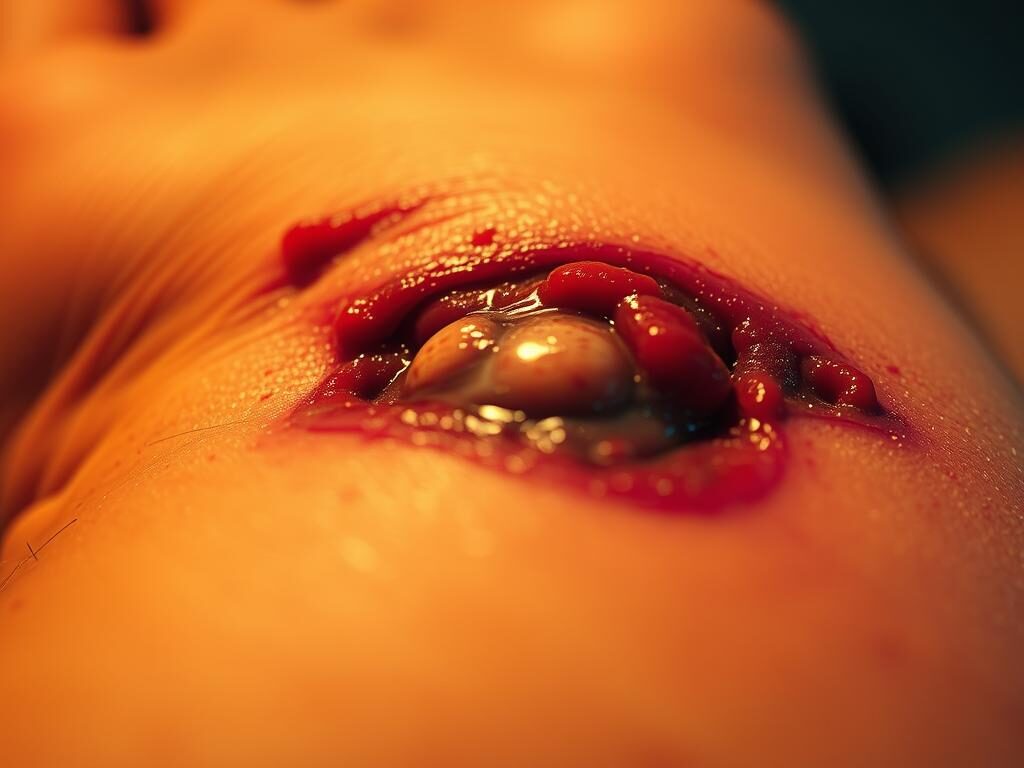
Common infection signs to watch for
- Spreading redness, increasing warmth, swelling, or a red streak toward the heart.
- Thick pus, a foul odor, rising fever, or other systemic symptoms that suggest serious infection.
- Worsening pain instead of steady improvement.
- Excessive blood loss or bleeding that soaks dressings and won’t stop with firm pressure—seek urgent care or the ER.
Dehiscence, nonhealing, and necrosis
If edges reopen, stitches break, or a site shows black or gray tissue (necrosis), get medical attention right away. Little to no healing after a week also needs evaluation.
Document changes with photos and times. Reduce pressure on the area while you arrange help. Dominion Mobile Wound Care can assess your situation at home the same day and coordinate escalation when needed.
Special Situations That Change Your Care Plan
Some health issues mean standard at‑home routines must be adjusted to keep recovery on track. Know when to adapt your actions and when to call for prompt professional help.
Blood thinners and prolonged bleeding
If your loved one takes anticoagulants, expect longer bleeding times. Hold steady, direct pressure longer to stop bleeding and avoid frequent bandage removal unless instructed.
Coordinate with clinicians about safe pain control and activity limits while anticoagulated to reduce risk.
Chronic disease, poor circulation, and infection risk
Diabetes, heart, or kidney conditions reduce blood flow and weaken immunity. These factors slow healing and raise infection risk.
Schedule closer monitoring and keep strict hygiene, nutrition, and hydration to support overall health.
Limited mobility and preventing pressure injury at home
Pressure ulcers form when pressure exceeds blood flow. Reposition people on a schedule, float heels, and use cushions or wedges in bed or chair.
- Keep skin clean, dry, and supported.
- Elevate swollen limbs when appropriate to improve blood flow.
- Set family roles for turns, hygiene, and supply checks so care stays consistent.
Dominion Mobile Wound Care can customize protocols for anticoagulation, chronic conditions, and mobility limits and train your family in prevention and treatment routines.
At-Home Wound Dressing Choices and Change Schedules
Choose dressings that match the type of skin injury and the amount of drainage for safer healing at home. The right product protects fragile skin, manages moisture, and reduces pain during changes.
Hydrogel and nonstick options for skin tears and burns
For skin tears, apply hydrogel to keep the area hydrated and ease pain. Cover with a nonabsorbent, nonstick dressing and secure the edges without placing adhesive over the tear.
Minor burns with intact blisters can be cooled, coated with petroleum jelly or medical‑grade honey, and covered with a nonstick pad. For deeper burns, seek emergency care.
Daily changes, observation cues, and when to switch materials
Change dressings once a day unless the pad is saturated or your clinician advises otherwise. Check for increased pain, spreading redness, swelling, pus, foul odor, or excessive bleeding—these are signs to change materials and get help.
- Use hydrogel + nonstick for skin tears to maintain moisture and comfort for your loved one.
- For small cuts, a nonstick pad with light compression is often enough; avoid adhesives on fragile skin.
- Protect blisters; do not pop intact blisters. If a blister breaks, cover it with clean, moist dressing.
- Switch to more absorbent dressings if drainage stays high, or to silicone‑bordered options for delicate skin.
- Write the date and time on the outer dressing so everyone knows when the next change is due.
Dominion Mobile Wound Care can recommend and source the right dressing, set your change schedule, and teach you when to switch products as the wound evolves.
Conclusion
A clear daily routine makes it much easier to support healing for a loved one at home.
Keep it simple: use clean technique, maintain gentle moisture, and choose the right dressing for each wound type.
Protect fragile skin with padding and minimal adhesives. Reposition people in bed or chair to reduce pressure and avoid new injuries.
Watch for red flags—spreading redness, pus, foul odor, fever, dehiscence, or bleeding that won’t stop—and seek medical attention without delay.
Use this article as your how-to guide, then refine the plan with expert help. For trusted at-home wound care and to tailor treatment and monitoring, Hire Dominion Mobile Wound Care to help heal their wounds.
FAQ
What are the most important first actions when your loved one has a cut or skin tear?
Stop bleeding first by applying gentle pressure with a clean cloth. If bleeding is heavy or won’t stop after 10–15 minutes, get emergency care. Once bleeding slows, gently clean with mild soap and water or saline, pat dry, apply a thin layer of petroleum jelly or a medical-grade barrier, and cover with a nonstick dressing.
How do you care for someone who is on blood thinners and has a new wound?
Apply firm pressure to control bleeding and seek medical advice quickly. Expect longer bleeding times; keep the wound clean and monitored for expanding bruising or continued bleeding. Inform their prescribing clinician — do not stop or change medications without guidance.
When should you see a clinician for a wound instead of treating it at home?
Seek medical attention if the wound is deep, gaping, caused by animal or dirty objects, has foreign material embedded, shows signs of infection (increasing redness, swelling, pus, warmth, foul odor, or fever), reopens, or if bleeding won’t stop. Also consult a clinician for wounds in people with diabetes, poor circulation, or immune issues.
How often should you change dressings for a skin tear or minor burn at home?
Change dressings daily or sooner if they become wet, soiled, or loose. For moist healing dressings like hydrogel or hydrocolloid, follow product instructions—often every 2–3 days—while checking the skin around the wound daily for redness or drainage.
What dressing types work best for fragile, older skin?
Use soft, nonadhesive dressings—silicone or nonstick pads—plus gentle tape or wrap to secure. Hydrogels and thin foam dressings help maintain moisture without sticking. Avoid strong adhesive tapes that tear thin skin when removed.
How do you reduce pain and support healing at home?
Control pain with acetaminophen or ibuprofen if allowed, keep the wound clean and moist, ensure good hydration and protein-rich nutrition, and encourage gentle movement to improve circulation. Elevate the injured area to reduce swelling when appropriate.
What signs suggest a wound is infected and needs antibiotics?
Look for spreading redness, increasing warmth, swelling, pus or cloudy drainage, a bad smell, tender lumps, or systemic signs like fever or chills. A clinician can inspect the wound and prescribe antibiotics if appropriate.
How do pressure injuries form and how can you prevent them at home?
Pressure injuries form where skin and tissue get compressed against a surface, cutting off blood flow. Prevent them by repositioning every two hours in bed, using pressure-relief cushions, keeping skin clean and dry, and ensuring adequate nutrition and hydration.
What special care do you take for wounds in people with diabetes?
Monitor closely for slow healing and infection. Keep glucose under control, inspect feet and other at-risk areas daily, avoid tight shoes, and seek medical care early for any breaks in the skin. Wounds that don’t show improvement in a week need clinician review.
Can you use household remedies like honey or petroleum jelly on wounds?
Use plain petroleum jelly to keep wounds moist and prevent scabs. Medical-grade honey (Manuka) can help some wounds but buy products labeled for wound care and follow instructions. Avoid applying raw substances or untested folk remedies that may contaminate the wound.
How do you handle a wound that reopens after stitches or closure?
Keep the area clean and apply gentle pressure if it’s bleeding. Cover with a sterile dressing and contact the clinician who performed the closure or go to urgent care. Do not attempt to restitch at home.
How long does it normally take for common wounds to heal?
Superficial cuts and minor skin tears often improve within 1–2 weeks. Deeper wounds, burns, or pressure injuries can take weeks to months depending on health, blood flow, and care. Look for steady improvement: less pain, shrinking size, and formation of healthy tissue.
What should you include in a clean home care space for dressing changes?
Use a well-lit surface, clean towels, sterile dressings, mild soap, saline or wound cleanser, gloves, adhesive tape or wraps, and a waste bag. Wash hands thoroughly before and after each change and avoid touching the wound with bare fingers.
How do you manage moisture to support healing without causing maceration?
Keep wounds moist but not soaked. Use dressings designed to balance fluid—alginate or foam for heavier drainage, thin films or hydrogel for lighter wounds. Change dressings when wet or every 24–72 hours based on product instructions and wound condition.
When is a dressing change routine considered a red flag?
If dressings become saturated with fresh blood, show increasing foul odor, reveal expanding redness or swelling, or cause sudden increased pain, contact a clinician immediately. Also watch for systemic symptoms like fever or confusion.
Are there mobility or positioning strategies to protect healing areas?
Yes. Relieve pressure on vulnerable spots by repositioning frequently, using pillows or foam pads, and avoiding prolonged sitting or lying on the injured area. For limb wounds, elevate when possible to reduce swelling and improve circulation.
How does poor circulation affect healing, and what can you do at home?
Poor circulation slows oxygen and nutrient delivery, delaying repair. Encourage light activity as tolerated, avoid tight clothing, keep the limb warm (not hot), manage cardiovascular conditions per provider instructions, and seek vascular evaluation if wounds persist.
What are safe pain control options during at-home care?
Over-the-counter acetaminophen or ibuprofen can reduce pain and inflammation if there are no contraindications. Topical anesthetic gels are sometimes used for dressing changes. Always check with the person’s clinician about interactions and dosing.