

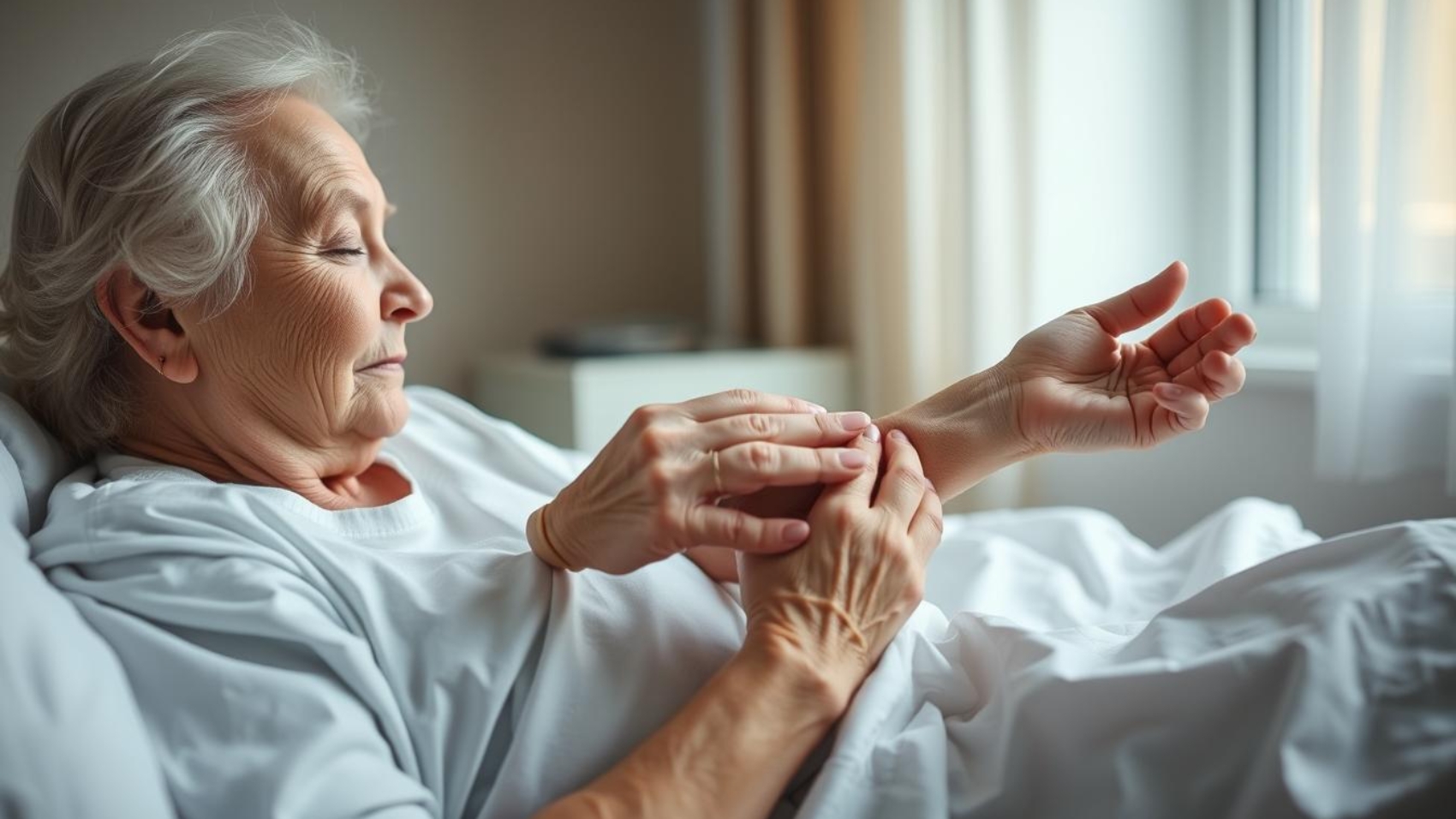
Managing wound care can be tough, whether for yourself or a loved one. For elderly patients, it’s even harder, mainly because they might not be as mobile.
Mobile wound care brings care right to the patient, whether at home, a clinic, or a long-term care facility. This way, care is customized to fit the patient’s needs. It helps wounds heal faster and improves health overall.
Choosing mobile wound care means getting more focused care. This leads to better healing and a more comfortable recovery.
Key Takeaways
- Mobile wound care provides expert treatment at the patient’s location.
- Personalized care promotes faster healing and improved health.
- Elderly patients benefit from the convenience and tailored approach.
- Mobile wound care services are available at various locations, including private residences and long-term care homes.
- Dominion Mobile Wound Care offers professional and compassionate care.
The Current State of Elderly Wound Care in America
The state of elderly wound care in the U.S. is facing many challenges. These issues affect how well patients heal. As more people get older, more seniors have chronic wounds.
Rising Wound Care Challenges Among Seniors
Elderly people often struggle with senior mobility issues that make wounds harder to treat. Not being able to move well can slow down healing. It also raises the chance of infections and other problems.
Chronic conditions like diabetes and vascular disease make things even tougher. These conditions slow down the healing process.
Research shows that chronic wounds will likely become more common as the population ages. In the U.S., a big part of the elderly population has some kind of wound. Pressure ulcers are very common in those who can’t move much.
If you’re a caregiver or healthcare worker, you’re key to solving these problems. Knowing how big the issue is is the first step to better wound care for seniors.
Understanding Senior Mobility Issues and Their Impact on Healthcare
Many seniors struggle with mobility problems. These issues make it hard for them to get to healthcare services. As a result, their health, including wounds, can get worse, leading to more serious problems.
Physical Limitations That Affect Healthcare Access
Seniors often face physical challenges that make it tough to get to healthcare. Conditions like arthritis, stroke, and neurological disorders can really limit how they move. Even simple tasks become hard.
Common physical limitations include:
- Reduced strength and flexibility
- Balance and coordination issues
- Chronic pain
Chronic Conditions and Mobility Restrictions
Chronic conditions linked to aging can make moving around even harder. For example, diabetes can cause nerve damage, while heart diseases can lead to tiredness and breathing problems. These issues make it hard for seniors to stay active.
The risk of fall injuries is also a big worry for the elderly. Falls can cause serious injuries, like broken bones and head trauma. These injuries can make health and mobility even worse.
| Chronic Condition | Mobility Impact | Healthcare Challenge |
|---|---|---|
| Arthritis | Reduced flexibility and pain | Difficulty in accessing healthcare facilities |
| Diabetes | Neuropathy and mobility issues | Wound care complications |
| Cardiovascular Disease | Fatigue and shortness of breath | Limited ability to attend healthcare appointments |
It’s important to understand these challenges to help seniors. By recognizing how mobility issues affect healthcare, we can improve care for the elderly.
Common Wound Types and Complications in Elderly Patients
As people age, they face a higher risk of various wounds. These wounds need careful management to avoid serious issues. Elderly patients often get wounds because of less mobility, poor circulation, and other age-related issues.
If you have limited mobility or certain health conditions, you might get pressure ulcers or diabetic foot ulcers. It’s important to know about these wounds to prevent and treat them effectively.
Pressure Ulcers and Bedsores
Pressure ulcers, or bedsores, are a big worry for elderly patients, mainly those who can’t move much. These wounds happen when skin stays under pressure too long, cutting off blood flow and causing tissue damage.
Key factors that contribute to pressure ulcers include:
- Prolonged bed rest or immobility
- Poor nutrition and hydration
- Moisture and friction
Prevention and Early Intervention Strategies
To stop pressure ulcers, you, your caregivers, and doctors need to work together. This means moving you regularly, eating well, and keeping your skin dry and clean.
Caregiver support is key in preventing and managing wounds. Caregivers help by moving you, checking your skin, and making sure you eat and drink enough. With the help of healthcare teams, caregivers can stop wounds from getting worse and help them heal.
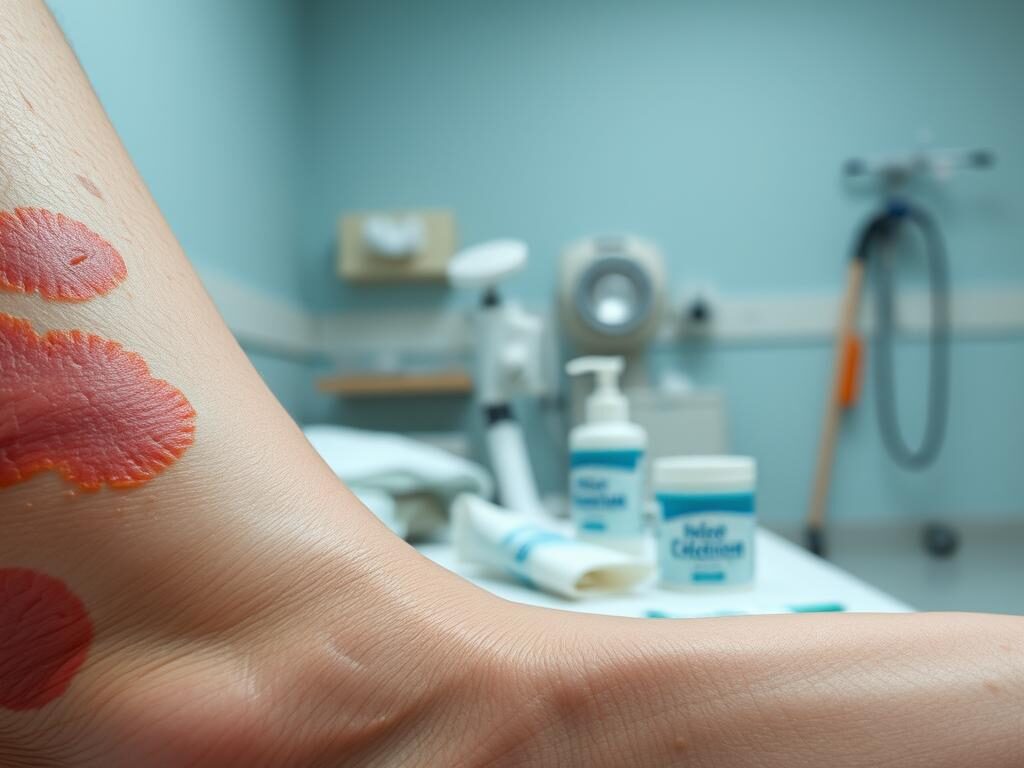
To lower your risk of pressure ulcers, know the risks and take action early. Early action is key to managing wounds well and avoiding more problems.
How Mobile Wound Care Transforms Senior Healthcare Delivery
Mobile wound care lets elderly patients get top-notch treatment at home. This is great for seniors who can’t easily get to hospitals because of mobility issues.
Bringing Clinical Expertise to the Patient’s Home
Mobile wound care brings clinical expertise right to the patient’s home. This ensures they get the same care they would in a hospital. It not only helps wounds heal better but also makes life better for elderly patients.
Specialized Equipment and Treatment Options
Mobile wound care teams have specialized equipment and treatments for each patient. They use advanced dressings and therapies to help wounds heal. This is key for managing complex wounds.
Advanced Dressings and Therapies Available in Mobile Settings
Some advanced treatments include:
- Negative pressure wound therapy
- Hyperbaric oxygen therapy
- Bioengineered dressings
These treatments, along with in-home care, greatly improve elderly wound care. They help by cutting down on hospital visits, which is good for seniors with senior mobility issues.
The Psychological Benefits of In-Home Wound Treatment
Getting wound care at home can really help your mental health. It’s great for elderly patients who have trouble moving or have fallen. They can get care without leaving their home.
Reducing Anxiety and Stress Associated with Facility Visits
Going to a healthcare facility can be scary, even for seniors. They might need help getting there or feel uneasy in new places. Getting care at home means no stress or anxiety from traveling.
Maintaining Dignity and Comfort in Familiar Surroundings
Home care lets you stay in your own space. This is very helpful for those who have fallen or need ongoing care. It keeps them safe and comfortable.
Impact on Overall Mental Wellbeing and Recovery
Home care is good for your mind and body. Studies show people do better and heal faster when they’re in a place they know. It makes recovery easier.
| Benefits | In-Home Wound Care | Facility-Based Care |
|---|---|---|
| Anxiety and Stress Levels | Reduced | Higher |
| Comfort and Dignity | Maintained | Compromised |
| Recovery Time | Faster | Variable |
Choosing home care means a more relaxed recovery. You get the help you need without leaving your home. Caregivers and new technologies make it all possible.
Caregiver Support Through Professional Mobile Wound Care Services
Senior mobility issues are on the rise, making caregiver support more important than ever. As a caregiver, managing the needs of elderly loved ones can be tough, like with wound care. Professional mobile wound care services offer the support and education caregivers need to give top-notch care.
These services bring expert wound care right to the patient’s home. They also give caregivers the knowledge and skills for daily wound care. This helps ease the caregiver’s burden and improves patient care.
Education and Training for Family Caregivers
Mobile wound care services are great for educating family caregivers. They cover everything from basic wound care to handling complex wound conditions. This training gives caregivers the skills they need to care for their loved ones better.
Practical Wound Care Skills for Daily Management
Caregivers learn practical wound care skills for everyday care. They learn how to clean and dress wounds, manage pain, and spot infection signs. This training boosts their confidence and skill in caring for their loved ones.
| Wound Care Skill | Description | Benefit to Caregiver |
|---|---|---|
| Wound Cleaning | Techniques for cleaning wounds effectively | Reduces risk of infection |
| Dressing Wounds | Methods for applying appropriate dressings | Promotes healing and comfort |
| Pain Management | Strategies for managing wound-related pain | Improves patient comfort and quality of life |
By providing caregivers with the education and training they need, mobile wound care services play a vital role in supporting caregivers and improving patient outcomes.
Dominion Mobile Wound Care: Specialized Elderly Wound Care Services
Dominion Mobile Wound Care is changing the game in elderly wound care. As more seniors live longer, they need better wound care. Dominion Mobile Wound Care offers detailed and custom care for elderly patients.
Comprehensive Assessment and Personalized Treatment Plans
At first, Dominion Mobile Wound Care does a comprehensive assessment of the patient’s wound. They look at the patient’s medical history, current health, and lifestyle. This helps them make personalized treatment plans for each patient.
For example, those who have had fall injuries get special care plans. These plans are made to meet their specific needs.
| Assessment Criteria | Description | Benefits |
|---|---|---|
| Medical History | Review of patient’s medical records | Identifies underlying conditions |
| Current Health Status | Evaluation of current wound state | Guides treatment decisions |
| Lifestyle Factors | Consideration of patient’s daily activities | Enhances recovery and prevention |
Advanced Wound Care Technologies at Your Doorstep
Dominion Mobile Wound Care brings advanced wound care technologies right to the patient’s home. They use top-notch mobile equipment for the best treatments.
State-of-the-Art Mobile Equipment
The equipment Dominion Mobile Wound Care uses is top-notch. It includes advanced wound cleaning systems and negative pressure wound therapy devices. They also use bioengineered wound dressings.
With these advanced technologies, Dominion Mobile Wound Care gives elderly patients the best care. This improves their outcomes and quality of life.
Cost Considerations and Insurance Coverage for Mobile Wound Care
Mobile wound care is changing how we care for seniors. It’s important to know about its cost and insurance. For many elderly, the cost of wound care is a big worry.
Medicare and Medicaid Coverage Options
There are insurance options to help with mobile wound care costs. Medicare and Medicaid are two main programs that cover wound care services.
Eligibility Requirements and Documentation
To get Medicare or Medicaid for mobile wound care, you need to meet certain requirements. You also need to provide the right documents. For more details, visit Dominion Mobile Wound Care.
Here’s a table showing what you need for Medicare and Medicaid:
| Insurance Program | Eligibility Criteria | Required Documents |
|---|---|---|
| Medicare | 65 or older, or disabled | Medicare card, ID proof |
| Medicaid | Low income, or disabled | Proof of income, ID proof, disability documents (if applicable) |
Knowing about the cost and insurance for mobile wound care helps you make better choices. With the right caregiver support and insurance, you can get the care you need without breaking the bank.
For seniors with senior mobility issues, mobile wound care is a great option. It’s affordable and lets you get care at home. By using Medicare and Medicaid, you can get the care you need right where you are.
Conclusion: Embracing Mobile Solutions for Better Health Outcomes
Mobile wound care services have changed how the elderly get treatment. They bring care right to their homes, making it convenient and personalized. This ensures your loved ones get the best care for their wounds.
Dominion Mobile Wound Care focuses on quality, patient-centered care. Their team uses the latest tech and treatments to help wounds heal. Choosing them means your elderly family members are in safe hands.
Looking for a trustworthy mobile wound care provider? Consider Dominion Mobile Wound Care. They specialize in elderly care, ensuring your loved ones get the care they need.
FAQ
What is mobile wound care, and how does it benefit elderly patients?
Mobile wound care brings specialized care to the patient’s home. It offers convenience and personalized care. This is great for elderly patients with wounds, including those with mobility issues and fall injuries.
What are the most common types of wounds in elderly patients?
Elderly patients often get pressure ulcers and bedsores. These wounds are hard to manage because of physical limitations and chronic conditions. It’s important to prevent these complications through proper care and prevention.
How do senior mobility issues affect wound care?
Mobility issues in seniors can make wound care harder. It can lead to longer healing times and more complications. Mobile wound care services help by providing care at home.
What kind of support do family caregivers receive through mobile wound care services?
Family caregivers get training on wound care. They learn how to manage daily care for seniors with mobility issues. This training helps them provide better care and improves patient outcomes.
Does Medicare or Medicaid cover mobile wound care services?
Yes, Medicare and Medicaid cover mobile wound care services. The rules for coverage vary. Family caregivers can help figure out the details to get the care needed.
What advanced wound care technologies are used in mobile wound care?
Services like Dominion Mobile Wound Care use the latest technologies. They have advanced mobile equipment for treating complex wounds, including those from falls.
How does in-home wound treatment impact mental wellbeing and recovery?
In-home treatment reduces anxiety and stress from hospital visits. It keeps patients comfortable in familiar places. This improves mental wellbeing and recovery, helping seniors with mobility issues.