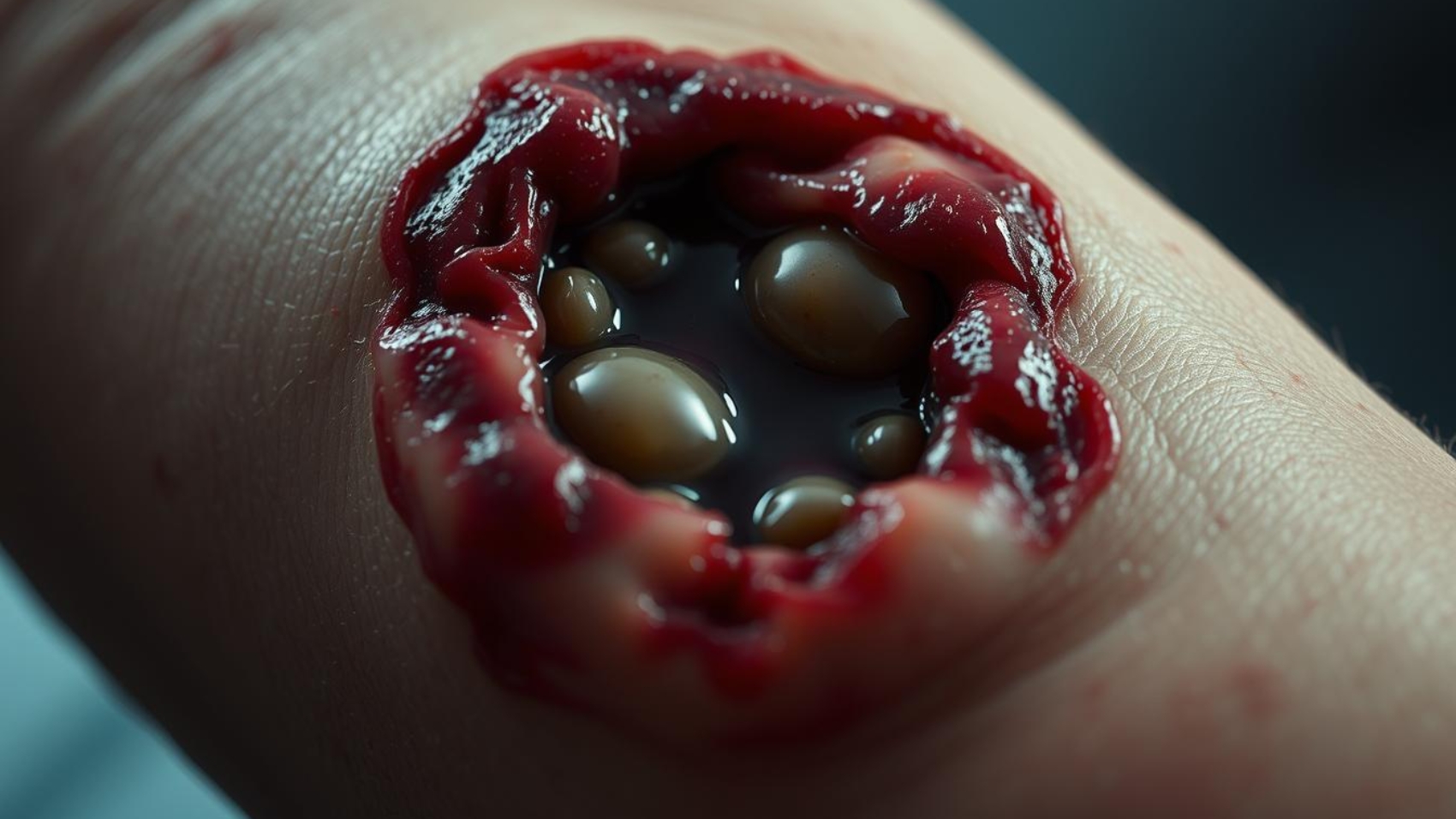
You need to know early cues so you can act before a minor issue becomes serious. This short guide helps you tell normal healing from changes that warrant quick attention.
Incisions break your skin’s first barrier and let bacteria enter. Common surgical symptoms include draining pus, redness, pain, warmth, and sometimes fever. Hand hygiene is one of the best ways to lower risk.
Minor problems can often be handled at home with basic care. But if redness spreads, red streaks form, swelling increases, or you develop chills, get medical help right away.
Dominion Mobile Wound Care helps you monitor changes, escalate treatment when needed, and support healing at home. If you are unsure about the area or the time since your procedure, call a specialist without delay. Hire Dominion Mobile Wound Care to help heal your wounds.
Key Takeaways
- Learn how to spot early warning patterns so you can act in time.
- Know normal healing versus problematic changes around the skin and incision.
- Watch for increasing pain, warmth, swelling, discharge, or fever.
- Use good hand hygiene and simple home care when appropriate.
- Seek prompt clinical care if redness spreads or systemic symptoms appear.
- Contact a specialist like Dominion Mobile Wound Care when in doubt.
Why catching infection early matters for safe wound healing
Early detection keeps a small problem local and gives you time to act before bacteria spread deeper into tissue or the bloodstream. Prompt care limits damage to healthy tissue and shortens the overall healing period.
You can reduce risk with simple steps:
- Wash your hands and clean wound gently under warm running water to remove debris.
- Finish prescribed antibiotics when ordered to protect your immune system and prevent resistance.
- Monitor daily for changes, especially if you have conditions like diabetes or are immunosuppressed.
Because bacteria may come from skin, the object that caused the cut, or the environment, timely cleaning and coverage help block recontamination. Acting in time can prevent escalation into cellulitis or sepsis, which threaten vital systems in the body.
Dominion Mobile Wound Care focuses on early ID and quick intervention so your healing stays on track. If you notice a persistent change, get advice without delay.
Wound Infection Signs
Pay attention to how the area behaves day to day—changes are often the first clue. Dominion Mobile Wound Care educates you on practical, observable cues so you can act promptly.
Key local symptoms include increasing pain or tenderness that builds instead of easing. If touching the site becomes more uncomfortable, document the change and get advice.
- Redness that expands or forms an intensifying ring around the site.
- Skin that feels warm or hot and swelling that worsens after 48 hours.
- New discharge, colored fluid, or visible pus and an unpleasant odor.
More serious patterns include red streaks moving away from the area, swollen or tender lymph nodes nearby, and systemic symptoms such as fever, chills, or nausea.
A soft, soggy scab or pimple-like bumps near the site commonly mark an infected wound. Because bacteria can spread quickly, don’t wait if several cues appear together. Contact a specialist when multiple signs cluster or worsen in a single day.
How a healing wound should look compared to an infected wound
Healing follows a clear pattern you can track day by day. Watch for steady improvement in color, comfort, and surface texture.
Normal healing: reduced redness, firm dry scab, less pain and swelling
In normal healing, the area shows daily gains: redness fades, the scab firms, and the skin edges begin to knit.
Pain and swelling decrease so movement becomes easier and the site is less tender.
Clear, light moisture may appear briefly but then stops as the wound heals and the surface stabilizes.
Warning pattern: persistent redness, increasing drainage, and worsening pain
Warning patterns include persistent or expanding redness, deeper color, or irregular borders.
Worsening pain or growing swelling after initial improvement is not normal.
Also note a soft, soggy scab, increasing cloudy or colored drainage, or new pimple-like bumps near the site.
- Track progress with a daily photo to compare how the area changes.
- If you cannot tell wound improvements from setbacks, get help sooner.
- Dominion Mobile Wound Care helps you tell wound changes apart and advises next steps.
High-risk wounds and conditions that increase infection risk
Not all breaks in the skin carry the same level of risk; some require faster attention. Below are common scenarios and health conditions that raise concern so you know when to act.
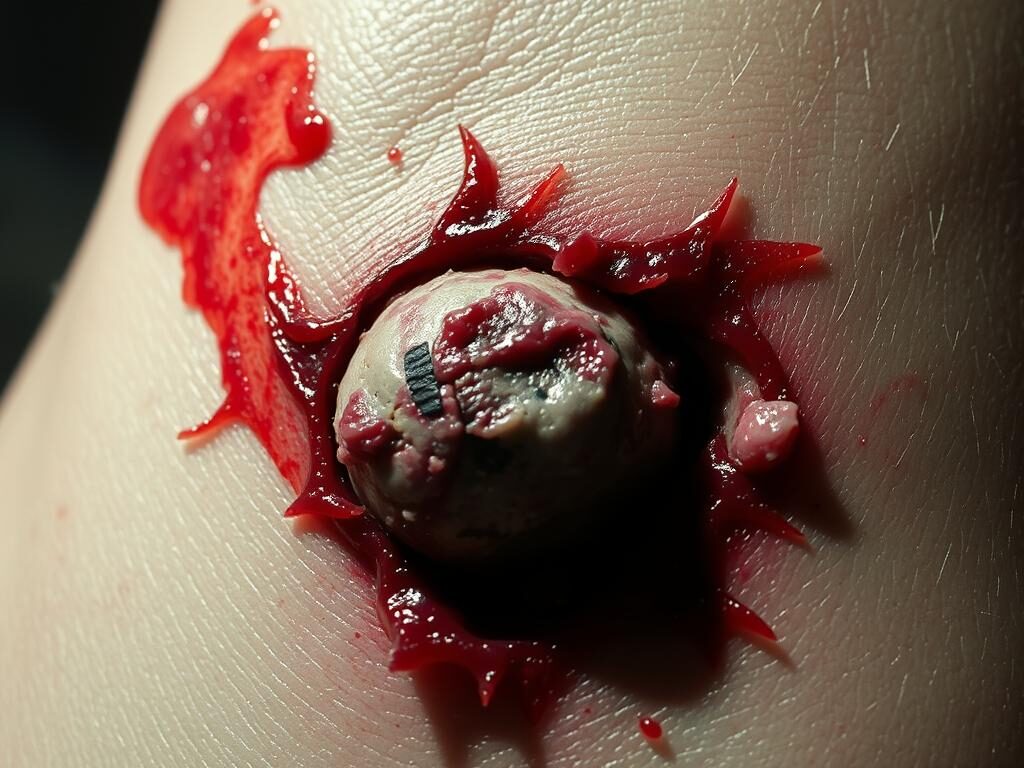
Large, deep, or jagged injuries
Large, deep, or jagged wounds are harder to close. Irregular edges can let bacteria track inward and increase the chance of complications.
Bites, dirty objects, and embedded debris
Bites and injuries from rusty or soiled items often carry heavy contamination. Gravel, grass, or metal under the surface gives bacteria a foothold and raises risk.
Underlying health conditions and immune factors
Diabetes, older age, limited mobility, poor nutrition, or use of immunosuppressant medicines reduce your immune system response. These conditions make healing slower and increase risk infection.
- Edges that won’t stay together keep the site exposed.
- Hand punctures or foot injuries are a common example that often need clinical review.
- Check tetanus status after bites or dirty-object incidents.
- Watch closely during the first 24–48 hours for any new drainage, odor, or spreading redness.
Dominion Mobile Wound Care prioritizes fast triage for high-risk cases. We can assess, remove debris, coordinate tetanus checks, and arrange specialist referral when needed to protect your health.
When to call a wound care specialist versus seeking emergency care
Know when a change demands same-day evaluation so you avoid preventable complications.
If you notice rapid worsening, act right away. Some developments need emergency attention while others can wait for a specialist.
Urgent red flags
Go to emergency care immediately for red streaks moving away from the site, high fever, or severe, unrelenting pain.
Uncontrolled bleeding or spurting blood is an emergency—apply firm pressure and seek help.
Within 24–48 hours: when to see a doctor
See a doctor if there is no improvement after 1–2 days, drainage increases, or you cannot remove debris safely.
Lack of progress in this 24–48 days-hours window often means prescription-level treatment is needed.
- Call a specialist promptly if symptoms escalate within hours: spreading redness across the area, intensifying pain, or foul-smelling drainage.
- If you are immunocompromised, elderly, or have diabetes, seek care earlier—changes can accelerate quickly.
- Document timing and changes to inform clinicians about the speed and severity of developments.
Dominion Mobile Wound Care offers rapid access to specialist evaluation and coordinates emergency referrals when indicated. After stabilization, follow-up with a specialist supports safer recovery and helps prevent recurrence.
Surgical wound infections: what to watch for after an operation
Surgical recovery hinges on early attention to the incision—small shifts can matter fast. After surgery, inspect the area daily. Early detection helps you and your care team act before problems spread.
Pus, warmth, redness, or pain at the incision site
Look for new pus or thick drainage, increasing redness, warmth at the skin, or pain that does not ease. Any of these can point to a surgical wound infection and deserve prompt evaluation.
Prevention basics: hand hygiene and incision care instructions
Keep your hands clean before you touch dressings. Follow your surgeon’s care plan exactly: how to change dressings, when to shower, and what to avoid.
- Measure and photograph the incision from the same angle each day to track subtle change.
- Avoid unapproved creams or sprays; they can introduce bacteria or irritate skin.
- If you have diabetes or take immunosuppressants, arrange closer follow-up—your risk is higher.
If you suspect an infected wound after surgery, antibiotics are commonly started quickly. Dominion Mobile Wound Care reinforces your surgeon’s instructions, optimizes dressings on-site, and coordinates with the surgical team to protect your outcome.
At-home wound care basics that reduce infection risk
A few reliable habits at home make a big difference in how fast healing occurs. Follow simple steps each day to lower bacteria exposure and protect your skin.
Handwashing, gentle cleaning with warm water, and debris removal
Wash your hands with soap and warm water, then dry thoroughly. Clean hands cut the chance you transfer bacteria when you touch the area.
Run warm water over the site for several minutes and gently wash surrounding skin with mild soap. Avoid scrubbing the actual clean wound.
Remove visible debris like grass or gravel; fragments left behind can seed problems and slow closure.
Proper use of dressings and when to change them
Apply a thin layer of antiseptic ointment or petroleum jelly if recommended, then cover with a sterile dressing that fits without constricting.
- Change dressings at least once every day, and sooner if damp or dirty.
- Check for new discharge or odor during each dressing change.
- Keep a brief log across days to spot patterns — for example, note if drainage becomes cloudy or if pain rises after activity.
Avoid common irritants: hydrogen peroxide and iodine
Avoid hydrogen peroxide or iodine if they cause irritation. Red, burning skin delays healing and can make assessment harder.
Protect the area from friction and excess moisture. Dominion Mobile Wound Care can coach you through daily routines and dressing changes to support safe recovery.
Complications of untreated wound infections
Small local problems can escalate quickly into conditions that affect deeper tissue or the whole body. Left unchecked, these complications change how you are treated and may require hospital care.
Cellulitis: deeper skin infection with swelling and pain
Cellulitis affects deeper layers of the skin and soft tissue. You may notice expanding redness, warmth, swelling, and increasing pain across the area.
Osteomyelitis: bone infection with fatigue and fever
If bacteria reach the bone, osteomyelitis can follow. Expect localized pain, warmth, swelling, and sometimes fatigue or fever that does not improve.
Sepsis: life-threatening systemic reaction
Sepsis occurs when an infection triggers a body-wide inflammatory response. This is an emergency. Rapid hospital care is essential to protect organs and life.
Necrotizing fasciitis: rare but emergent fast-spreading infection
Necrotizing fasciitis spreads along tissue planes very fast. Sudden severe pain, skin color change, and rapid spread demand immediate surgical review.
- Untreated infections can extend into deeper layers and bone, raising the risk of serious complications.
- These problems advance faster if you have diabetes, poor circulation, or a weakened immune system.
- Watch for rapid change, new fever, shaking chills, or dizziness — these may mean systemic spread.
- Prompt antibiotics and surgical evaluation often protect function and life.
- Dominion Mobile Wound Care escalates quickly and coordinates urgent referrals to prevent worse outcomes.
How healthcare providers diagnose and treat infected wounds
Your care begins with a focused physical check that guides testing and therapy. A clinician notes size, depth, drainage, odor, color, warmth, and pain to decide next steps.
Clinical exam, cultures, and imaging when needed
Your doctor may swab or take a tissue sample so labs can identify the bacteria causing the problem. Targeted cultures let providers tailor therapy instead of relying only on broad-spectrum drugs.
Imaging such as X-ray or MRI is an option when deeper involvement is suspected, for example to check for osteomyelitis or a hidden abscess.
Antibiotics and why completing the course matters
Antibiotics are prescribed when a bacterial process is confirmed or strongly suspected. Finish the full course to avoid resistance and reduce the chance of recurrence.
Advanced care: dressings, cleansing, and debridement
Advanced dressings control moisture, manage exudate, and protect edges to speed closure. Cleansing solutions and periodic debridement remove dead tissue and biofilm so healthy tissue can grow.
Tetanus protection after certain injuries
If the injury follows a bite or a dirty/rusty puncture, your vaccination status is reviewed and updated when indicated. This simple step helps prevent a rare but serious complication.
- A clinician evaluates and orders cultures or imaging as needed.
- Targeted antibiotics and proper dressing selection form the core of treatment.
- Coordination with your surgeon or doctor ensures seamless post-surgery adjustments.
- Teams also address glucose control, nutrition, and pressure offloading to aid healing.
- Dominion Mobile Wound Care integrates diagnostics, dressing selection, and follow-up so your plan stays coherent and effective.
Typical healing timeline and signs it’s time to re-evaluate
Tracking small daily changes makes it easier to tell when care needs adjustment. In the first few days, mild redness and tenderness are normal. Each day should trend toward less discomfort and more stability.
Watch the pattern over 48 hours. By day 2, if symptoms have not improved—or if pain, increased drainage, or spreading redness appear—you should re-evaluate your plan and seek clinical advice.
- Reduced drainage, a drier firmer scab, and less sensitivity around edges indicate positive wound healing.
- New odor, thicker drainage, or spreading color change around wound are prompts to contact a specialist.
- If you cannot tell progress from setbacks, take daily photos and brief notes to tell wound changes clearly.
- Increased pain with motion after initial improvement or new systemic symptoms like chills suggest the plan needs review.
Re-clean and re-dress daily and adjust dressings or offloading if friction or moisture delay closure. If you have diabetes or vascular disease, shorten checkpoints and seek earlier follow-up. Dominion Mobile Wound Care can review your timeline markers and modify care to help your wound heals safely.
Preventive habits that support your immune system and wound healing
What you eat, drink, and how you move strongly affects how quickly your body recovers. Small daily steps build resilience and set the stage for steady healing.
Nutrition and hydration
Give your immune system the fuel it needs: protein, vitamins A and C, zinc, and enough calories to repair tissue. Stay well hydrated so nutrients and immune cells move efficiently through your body and to the wound bed.
Glucose control and mobility
Keep blood sugar stable if you have diabetes; high glucose can slow recovery and increase risk infection. Move within your provider’s guidance to boost circulation, but avoid friction or pressure that may harm the area.
Daily care and environment
- Follow a consistent routine of gentle cleaning and timely dressing changes to keep the site optimal for closure.
- Avoid harsh chemicals that irritate skin; mild approaches usually speed repair.
- Offload pressure points with supportive footwear or cushions to prevent new breakdowns around chronic sites.
Infection may be less likely when you balance rest and activity, address smoking or poor sleep, and practice hand hygiene before touching dressings.
Dominion Mobile Wound Care coaches you on daily habits tailored to your health profile and schedules follow-up to keep recovery on track.
How Dominion Mobile Wound Care supports faster, safer recovery
Dominion Mobile Wound Care brings expert assessment to your home so issues are checked quickly. You get prompt, focused care that shortens delays and lowers risk.

On-site assessment, evidence-based treatment, and personalized dressings
On-site assessment reduces time to clinical decision. A clinician evaluates depth, location, and skin around the area to choose the right plan.
Evidence-based treatment means targeted care, not one-size-fits-all. We select dressings that manage moisture, protect edges, and speed closure.
Monitoring for infection, antibiotic coordination, and complication prevention
Ongoing monitoring helps catch early changes so your care can be adjusted before complications develop. We document progress and compare daily photos when needed.
- We coordinate antibiotic review with your healthcare team and track response.
- If you had recent surgery, we align with your surgeon’s plan and escalate for new drainage, redness, or pain.
- We coach on hand hygiene, dressing schedules, and safe cleaning to lower the chance of wound infections.
- Our care addresses glucose control, offloading, and nutrition to support your overall health.
Dominion Mobile Wound Care partners with you from first visit through closure. Hire Dominion Mobile Wound Care to help heal your wounds.
Conclusion
A timely check can stop a small problem from becoming a major medical issue.
You now know key wound and infection cues—expanding redness, warmth, swelling, new discharge or pus, red streaks, and fever—that call for prompt action.
Early response limits spread, protects nearby skin and deeper tissue, and lowers the risk of cellulitis, osteomyelitis, or systemic problems.
Support healing with daily cleaning, correct dressings, nutrition, hydration, glucose control, and careful hand hygiene after surgery. Complete prescribed antibiotics when ordered.
When in doubt, seek professional care early. Dominion Mobile Wound Care offers on-site assessment, monitoring, and coordination to keep your recovery on track. Hire Dominion Mobile Wound Care to help heal their wounds.
FAQ
What are the earliest clues that a healing cut may be becoming infected?
Watch for increasing pain at the site, redness that spreads, warmth to the touch, growing swelling, or any new drainage or foul odor. If you notice red streaks moving away from the area, seek care promptly.
Why does catching problems early matter for safe recovery?
Early detection prevents deeper tissue damage, lowers the chance of needing surgery or IV antibiotics, and reduces risk of systemic illness like sepsis. Treating issues quickly also speeds overall healing and limits scarring.
How should a healthy healing area look compared to one that’s troubled?
A normal recovery shows gradually fading redness, a firm dry protective covering, and steadily less pain and swelling. A troubled site keeps or increases redness, has more drainage or pus, and causes worsening discomfort.
Which wounds and health problems raise your risk of complications?
Large or deep cuts, jagged edges, animal or human bites, dirty or rusty-object injuries, or wounds with debris raise risk. Chronic conditions like diabetes, immune suppression, poor nutrition, and older age also increase chances of trouble.
When should you call a specialist versus go to the emergency room?
Call a wound care specialist if you see increasing drainage, spreading redness, or no improvement within 24–48 hours. Seek emergency care immediately for high fever, rapid red streaks, severe pain, confusion, or signs of spreading illness.
What should you watch for after surgery around an incision?
Look for persistent or worsening incision redness, warmth, swelling, new or increasing pain, pus, or separation of the edges. Follow your surgeon’s dressing and hygiene instructions and report concerning changes right away.
What basic home steps reduce the chance of complications?
Clean hands before and after touching the area, rinse gently with warm water, remove visible dirt, and keep the site covered with a clean dressing. Change dressings as instructed and avoid harsh agents like hydrogen peroxide or undiluted iodine, which can slow healing.
What are serious complications if problems go untreated?
Untreated issues can spread to surrounding skin causing cellulitis, reach bone causing osteomyelitis, or enter the bloodstream causing sepsis. Rarely, fast-spreading tissue infection requires immediate surgical care.
How do clinicians confirm and treat a problematic area?
Providers perform a focused exam, may take a culture, and use imaging if deep infection is suspected. Treatment can include oral or IV antibiotics, specialized dressings, cleansing protocols, debridement, and tetanus update when indicated.
How long should you expect typical healing to take before re-evaluating?
Superficial cuts often show clear improvement within a few days and close by two weeks. If pain, redness, or drainage worsen or don’t improve within 48–72 hours, re-evaluate with a clinician for possible treatment change.
What lifestyle steps support your immune system and repair?
Eat a balanced diet rich in protein, vitamins, and minerals, stay hydrated, control blood sugar if you have diabetes, avoid smoking, and keep moving to promote circulation. These habits speed tissue repair and lower complication risk.
How can mobile wound care services help speed safer recovery?
Mobile teams perform on-site assessments, apply evidence-based dressings, coordinate antibiotics with your primary clinician, and monitor for early complications so you get timely, personalized care without unnecessary travel.