


When you need faster recovery, skilled care at home makes a real difference. Dominion Mobile Wound Care sends licensed clinicians to your residence to perform precise Wound Dressing Changes and teach safe routines. This approach reduces travel and exposure while keeping your care consistent.
A trained clinician evaluates your skin, inspects the wound bed, and applies the correct dressing every visit. That hands-on review helps catch subtle problems early and supports steady wound healing with a plan fit to your diagnosis and daily life.
At-home visits also let you learn practical steps: where to place water and supplies, how to protect surrounding skin, and when to call for help. Expect guidance on pain control, positioning, and offloading to reduce pressure that can delay healing.
Hire Dominion Mobile Wound Care to help heal your wounds with medical-grade techniques, tailored product selection, and coordination with your providers so your care stays focused and effective.
Key Takeaways
- Professional visits speed recovery and reduce setbacks.
- Clinicians assess skin and adjust care for better wound healing.
- Home care lowers infection risk from travel and clinic exposure.
- Education and supplies make at-home routines safe and organized.
- Dominion Mobile Wound Care coordinates with your medical team.
Why expert at-home wound care matters right now
Professional home visits give you real-time checks and fast adjustments to care. When a licensed clinician comes to your home, they monitor moisture, fluid, and the condition of surrounding skin at every visit. That oversight keeps healing moving forward and reduces avoidable setbacks.
Skilled oversight matters for both new injuries and long-standing ulcers. A clinician tracks how an old dressing performed and recommends product upgrades so the area does not macerate. You also get hands-on coaching to clean wound safely and handle supplies to avoid contamination.
- Clinicians spot early warning signs—odor shifts, increased drainage, or color changes—so infected wounds are treated promptly.
- Consistent visits teach you and your caregiver how to change dressing correctly between appointments.
- For chronic wounds, care teams coordinate compression, offloading, or referrals to speed healing.
Hire Dominion Mobile Wound Care to help wound heal. At-home care reduces missed visits, saves time, and builds your confidence that each step supports steady wound healing.
Safety first: clean technique, not sterile, for Wound Dressing Changes
Start every at‑home procedure by setting a clean zone and gathering all supplies you will need. This simple step keeps the process organized and reduces contamination risk. You do not need a sterile field at home—just a consistent clean technique taught by professionals.
Wash your hands for 20-30 seconds and use clean gloves
Wash hands with soap and warm water for 20-30 seconds before and after the procedure. Dry them, then put on clean gloves; sterile gloves are not required for routine home care.
Set up a clean surface and assemble supplies before you begin
Use a fresh sheet of paper or foil as a clean surface. Keep new dressings in their packages until use and lay out saline, gauze, tape, and a trash bag so the procedure flows without interruption.
When to use saline or cleanser and lukewarm water
Clean the site with saline or a wound cleanser, wiping from the center outward to protect the skin around the area. If you prefer the shower, use lukewarm water and gentle gauze—avoid high‑pressure streams.
- Support intact skin when removing the old dressing to protect the skin around the site.
- Move from cleaner to dirtier areas and repeat cleansing if dried drainage remains.
- After cleaning, remove soiled gloves, discard used items, then don fresh gloves before applying new products.
Dominion Mobile Wound Care teaches you and your caregiver clean technique that’s practical at home—no sterile field required, just consistent steps that reduce risk. Hire Dominion Mobile Wound Care to help heal your wounds.
Step-by-step: change a dressing and clean the wound correctly
Follow a clear, evidence-based sequence so each at‑home procedure is safe and repeatable. Gather supplies first: new dressing, gauze, saline or cleanser, tape, and a trash bag. This keeps the procedure efficient and reduces interruptions.
Remove the old layer, observe drainage, and dispose safely
Wash hands for 20-30 seconds, dry, and put on clean gloves. Gently remove the old dressing while supporting the skin around the site. Look for fluid amount, color, and residue; discard used items into a trash bag.
Clean from the center outward and the skin around the area
Use saline or a wound cleanser and wipe from the center outward in small strokes. Clean the skin around to prevent maceration. If debris remains, use fresh gauze passes—avoid scrubbing to protect tissue.
Rewash hands, apply treatments, and apply a new dressing securely
Remove soiled gloves, wash hands again, and don new gloves. Apply ordered medication thinly, place the primary dressing on the wound bed, then add a secondary layer if recommended. Ensure the new dressing lies flat and is secured without tension.
Document what you did, how the site looked, and when to change next. Dominion Mobile Wound Care follows this sequence and can teach these steps at home to help heal your wounds.
Measure, monitor, and document to help the wound heal
Start tracking length, width, and depth right after you clean the skin so measurements reflect true size. Consistent notes make trends obvious and let clinicians act fast.

- Measure length head-to-toe, then width side-to-side, then depth from base to surface.
- If you lack a ruler, use household references: a dollar bill (~6 inches), quarter (~1 inch), dime (~0.5 inch), or cotton swab (~3 inches).
- Place a clean sheet of paper beside the area, mark sizes, then copy them into your log.
- Measure at least weekly or any time the skin around the site looks different.
Record drainage amount, odor, tissue type (granulation or slough), pain level, and what dressing or product you used and how long it stayed applied. These notes support better wound management and show whether a chronic wound is improving or needs referral.
Dominion Mobile Wound Care standardizes your measurements and documentation, so trends are clear and actionable for your entire care team. Hire Dominion Mobile Wound Care to help wound heal.
Choosing the right dressing: gauze, foams, alginates, and more
Match product features to your goals—comfort, absorption, wear time, and protection—to support steady healing. Your clinician helps pick options that fit your skin type, leakage level, and daily routine.
Gauze: protection and secondary coverage
Gauze often serves as a dry protective layer or a temporary cover after cleaning with saline. It holds a primary product in place and helps blot excess fluid.
Because gauze gives limited moisture control, you may need a primary product underneath for better tissue balance.
Foam: cushioning and absorption
Foam dressings are thin polyurethane sponges that cushion fragile skin and absorb drainage. They help keep a moist environment that aids healing.
Foams are flexible, cut-to-size, and usually stay in place 2–3 days unless saturated, which reduces how often you must apply new supplies.
Calcium alginates: heavy exudate management
Alginate fibers absorb 20–30 times their weight and form a gel that conforms to the wound bed while protecting tissue. Use sheets or rope every 1–3 days for high drainage.
If fibers stick to intact skin, moisten with saline to avoid damage. You may need combinations—an alginate primary with a foam secondary early, then lighter options as fluid decreases.
- Product selection also considers comfort, odor control, and how easy it is for you or a caregiver to apply new dressing safely at home.
- Your clinician will document performance and adjust supplies as needed.
For product matching and supply management at home, hire Dominion Mobile Wound Care to help heal your wounds.
Know the red flags: signs of wound infection and when to seek urgent care
Quick recognition of warning signs at home can prevent a minor problem from becoming an emergency. Dominion Mobile Wound Care teaches you what to watch for and how to get rapid help when needed.
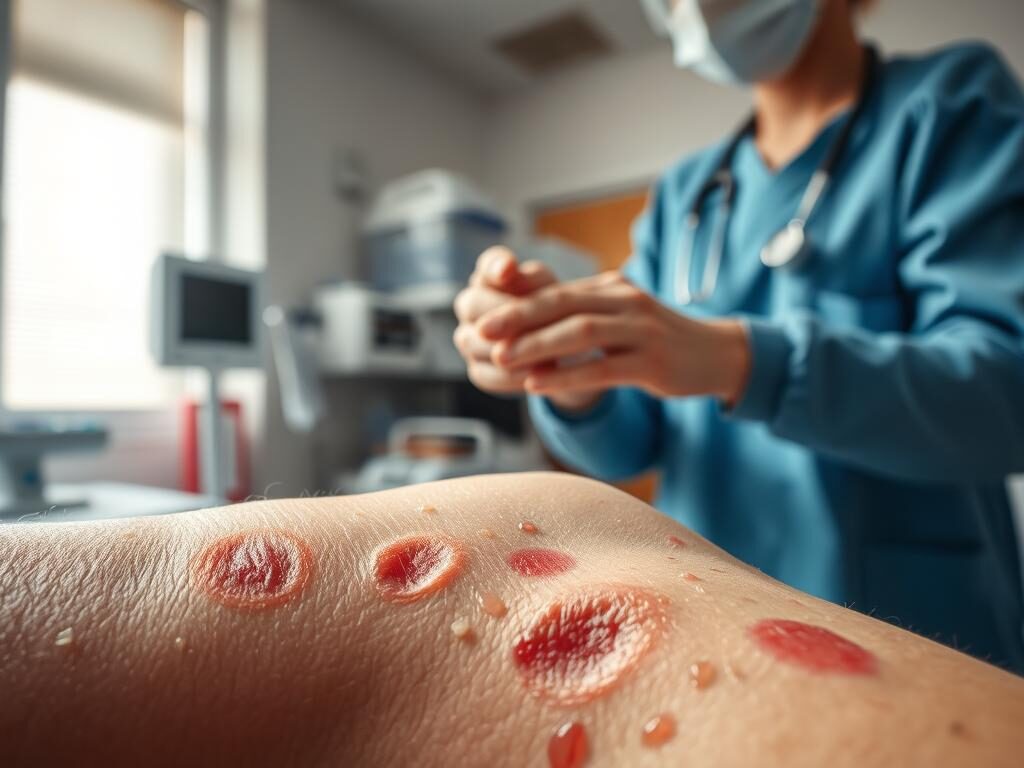
Local changes to watch
Pay attention to the area around the site. Look for rising pain, spreading redness, warmth, foul odor, or increasing fluid output. If dressings saturate sooner than expected or tissue near the area becomes fragile, contact your clinician.
Systemic signs that need prompt action
Fever, deep fatigue, loss of appetite, or feeling generally unwell suggest the infection may be spreading. These signs require urgent evaluation and may need immediate antibiotics.
Sepsis risk and immediate steps
Germs can move through lymph or blood and cause severe sepsis or septic shock. If you suspect spreading infection, clinicians often take a swab, irrigate the area, and start antibiotics while awaiting cultures.
- Use clean technique: perform hand hygiene and wear gloves when you touch dressings or tissue.
- Document temperature and symptom times to speed decisions.
- Report sudden odor change, color shifts, or rapid drainage growth right away.
Dominion Mobile Wound Care prioritizes rapid triage and coordinates next steps—hire Dominion Mobile Wound Care to help heal your wounds.
Conclusion
Professional home visits combine clinical assessment with simple, repeatable routines that reduce stress and speed recovery.
You and your clinician work together to protect skin, prepare supplies, wash hands, and use clean technique so the area heals safely.
Consistent observation of the wound, the dressing, and any fluid changes lets your team fine‑tune care for both acute and chronic wounds.
Document photos, notes about the old dressing, and comfort or fit at each visit. Those records improve wound management and help your clinician decide when to apply new products.
If red flags appear, put on gloves, check vitals if directed, and contact your clinician right away so concerns are handled early.
Dominion Mobile Wound Care brings hospital‑grade expertise to your door and coordinates with your providers—hire Dominion Mobile Wound Care to help heal your wounds.
FAQ
Why does professional at-home wound care matter right now?
Having expert oversight at home helps you prevent complications, speeds healing, and reduces hospital visits. A trained clinician can assess tissue health, advise on appropriate products such as gauze, foam, or alginate, and tailor care for acute or chronic skin injuries while ensuring clean technique and proper documentation.
How does professional oversight accelerate healing?
Professionals spot early signs of infection, optimize moisture balance with the right products, and recommend evidence-based treatments. They also teach you how to clean using saline or cleanser with lukewarm water, measure changes consistently, and adjust therapy so your tissue can repair faster.
How do you follow a clean technique at home without full sterility?
Wash your hands for 20–30 seconds, use clean disposable gloves, prepare a tidy surface, and arrange supplies before starting. Clean technique reduces contamination risk even when you can’t achieve a sterile field, and it’s sufficient for most non-surgical care at home.
When should you use saline or a wound cleanser versus plain lukewarm water?
Use sterile saline or a recommended wound cleanser for routine irrigation of moderate drainage or when debris is present. Lukewarm water is acceptable for light cleansing on intact surrounding skin. Follow clinician guidance for wound-specific needs.
What is the correct method to remove the old dressing and inspect drainage?
Gently lift the edges and peel toward the wound to avoid new trauma. Observe color, amount, and odor of any fluid. Place used materials in a sealed bag and dispose of them following local guidance. Note any increase in bloody or purulent fluid and report it.
How should you clean from the center outward and care for the skin around the wound?
Use a fresh swab or irrigation for each outward stroke, moving from the wound center to surrounding skin to avoid dragging contaminants inward. Pat the area dry and protect fragile skin with barrier cream if recommended before applying a new cover.
After cleaning, what are the steps before applying a new cover?
Rewash your hands, don clean gloves, apply any prescribed topical agent, and place the selected product securely without tension. Ensure adhesion across surrounding skin and avoid wrinkles that can trap moisture or cause shear.
How do you measure length, width, and depth consistently?
Use a disposable ruler or sterile measuring strip. Measure the longest length, the perpendicular width, and estimate depth with a moistened cotton swab held vertically into the deepest point. Record the method and units so measurements remain comparable over time.
What should you track weekly and report to your clinician?
Track size, depth, type and amount of fluid, presence of odor, changes in tissue color, and pain level. Photograph the area with a date stamp when possible and tell your clinician about worsening signs or lack of improvement after planned intervals.
How do you choose between gauze, foam, and calcium alginate products?
Pick gauze for protection and as a secondary layer, foam for cushioning and moderate absorption, and calcium alginate for high-exudate situations where gel formation helps manage fluid. Match the product to drainage level and clinician recommendations.
What local signs indicate a developing infection?
Watch for increasing pain, expanding redness, warmth, new or worsening foul odor, and increased or purulent fluid. Also note changes in the skin around the area, such as maceration or breakdown.
Which systemic symptoms mean you need urgent medical attention?
Seek care if you develop fever, chills, profound fatigue, confusion, or loss of appetite. These may signal a spreading infection that requires prompt evaluation and possibly antibiotics.
When does a situation risk severe sepsis or septic shock?
Rapidly worsening mental status, very low blood pressure, fast heart rate, or difficulty breathing are emergency signs. If you suspect severe sepsis, call emergency services immediately—timely antibiotics and hospital care can be lifesaving.