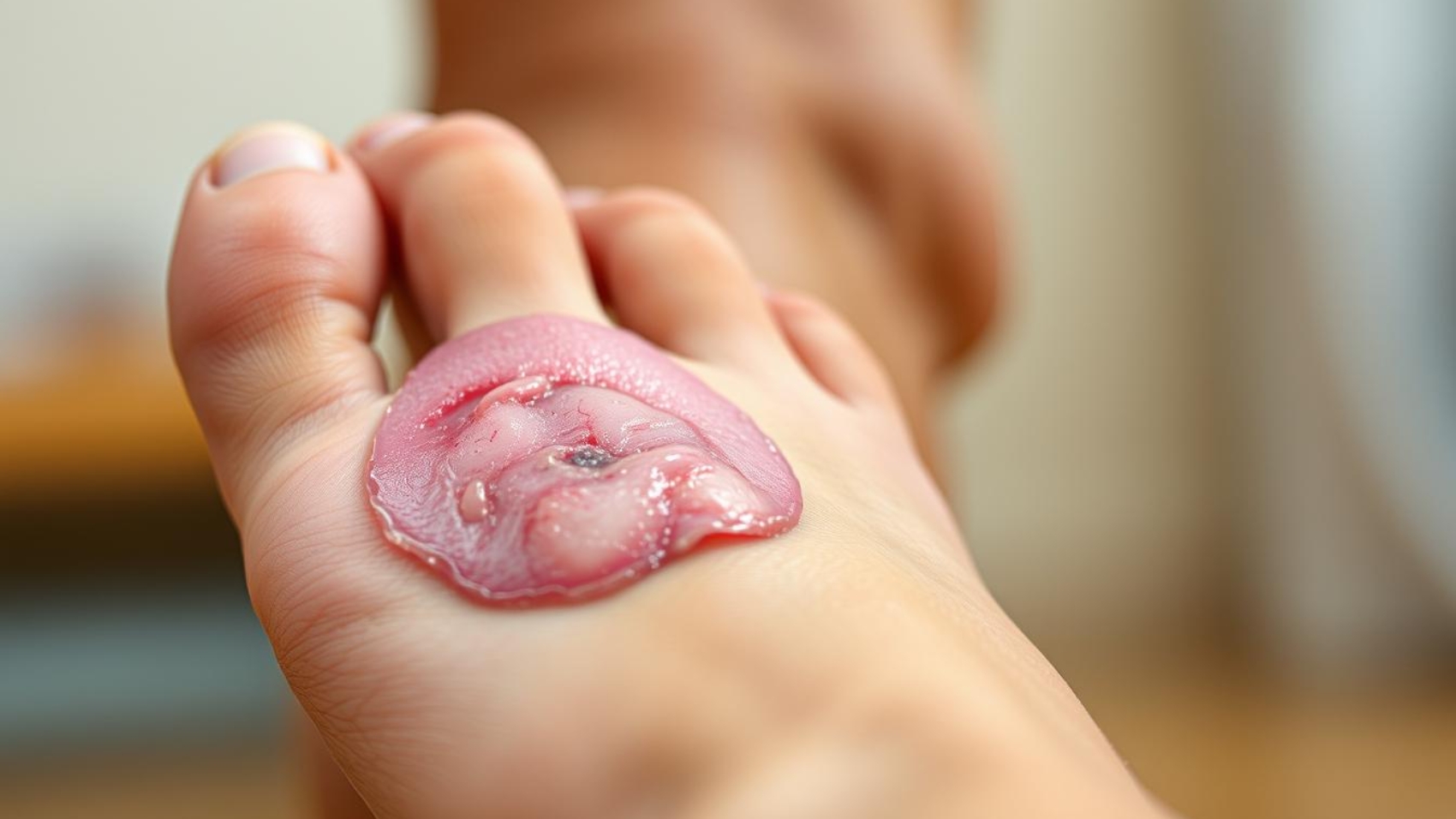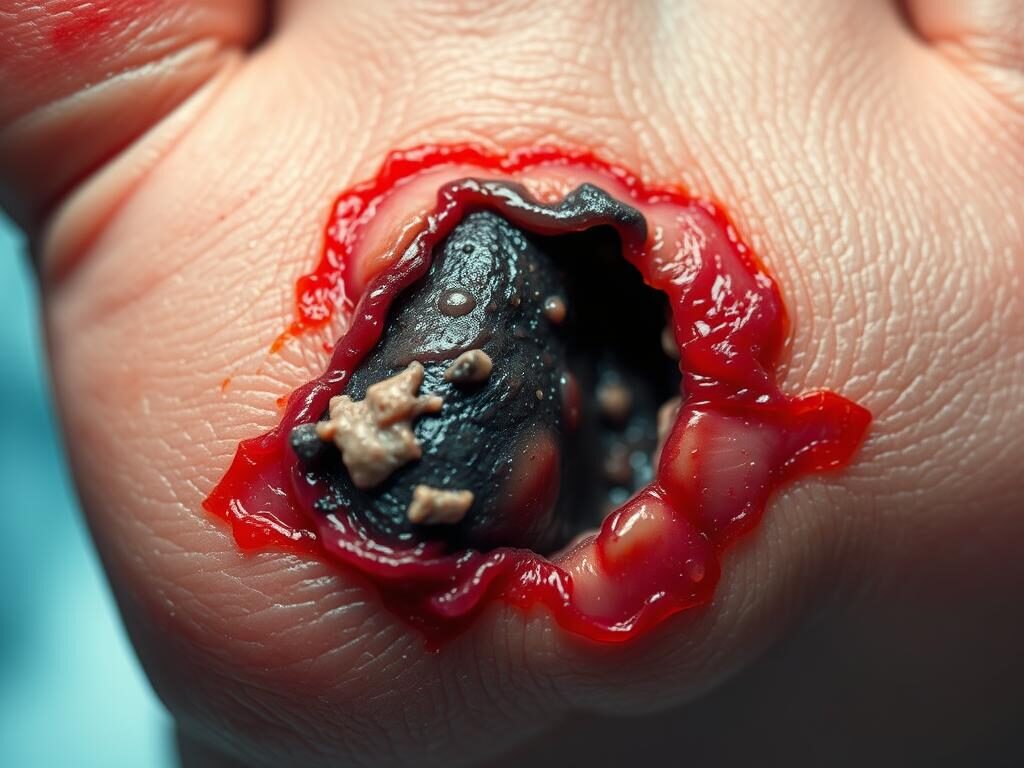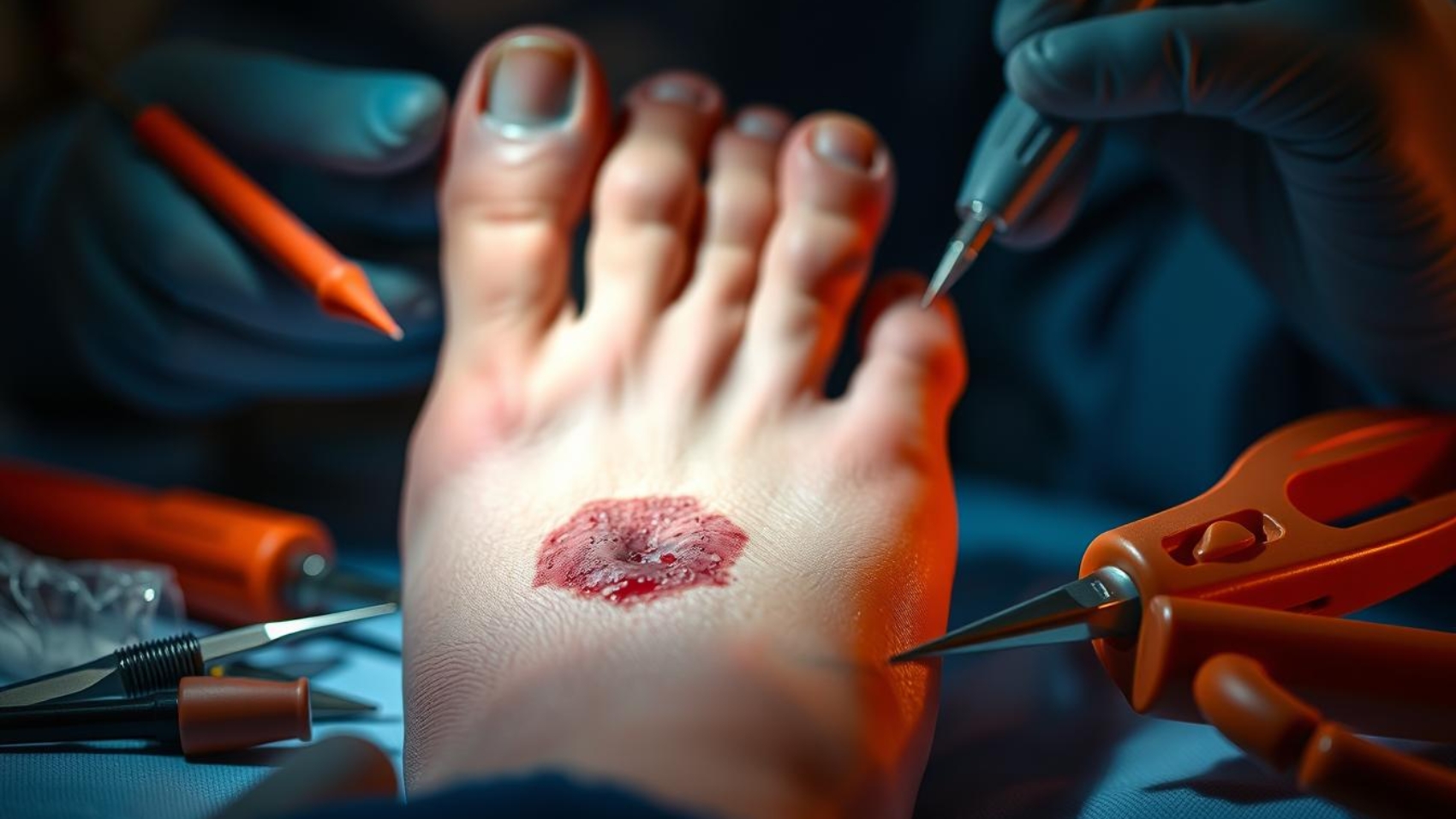
If you have diabetes, you’re more likely to get chronic wounds that are hard to heal. Diabetes is a common disease that makes your blood sugar levels stay high for a long time. This can lead to serious health problems.
Having a wound that won’t heal is tough. Getting help from a diabetic wound specialist is very important. Dominion Mobile Wound Care offers top-notch podiatric wound care to help you get better.
Key Takeaways
- Diabetes increases the risk of developing chronic wounds.
- A diabetic wound specialist plays a vital role in recovery.
- Dominion Mobile Wound Care provides expert podiatric wound care services.
- Seeking professional help is key for effective wound healing.
- Good wound care can stop long-term health issues.
The Hidden Dangers of Diabetic Wounds
Diabetes can turn a small cut into a big health problem. It hides dangers that aren’t easy to see. When you have diabetes, your body can’t heal well because of high blood sugar. This can cause nerve damage and poor blood flow. It’s key to know the risks of diabetic wounds.
How Diabetes Compromises Your Healing Process
Diabetes messes with your healing in many ways. High blood sugar harms nerves and blood vessels. This reduces feeling in your feet and legs and cuts off blood flow. It makes wounds hard to heal and raises the chance of infection.
Also, diabetes weakens your immune system. This makes it tough for your body to fight off infections.
| Complication | Description | Impact on Wound Healing |
|---|---|---|
| Nerve Damage | High blood sugar damages nerve endings, reducing sensation. | Increased risk of unnoticed wounds. |
| Poor Circulation | Damaged blood vessels reduce blood flow to extremities. | Slower healing due to inadequate oxygen and nutrient delivery. |
| Immune System Impairment | Diabetes weakens the body’s ability to fight infections. | Increased risk of wound infection. |
The Silent Progression of Diabetic Wounds
Diabetic wounds can grow quietly, often without clear signs until they’re serious. This quiet growth is because of neuropathy, or nerve damage. It hides pain and other signs that would normally make you seek help. It’s important to check wounds often and treat them quickly to avoid big problems.
If you have diabetes, seeing a healthcare provider like Dominion Mobile Wound Care is key for good wound care.
Alarming Statistics: Why Diabetic Wounds Require Immediate Attention
Diabetic wounds can cause serious problems if not treated quickly. About 25% of people with diabetes will get a foot ulcer. This can lead to losing a leg. It’s very important to know the risks and act fast.
The Link Between Untreated Wounds and Amputations
Wounds that don’t get treated can get worse and might need to be cut off. This is a serious problem. Getting treatment right away can help avoid losing a limb.
Infection Risks Specific to Diabetic Patients
People with diabetes are more likely to get infections because their bodies can’t fight off germs well. These infections can spread fast and cause big problems. It’s key to know the higher risk of infections and get help from experts like Dominion Mobile Wound Care to heal wounds.
- Diabetic foot ulcers are a common complication.
- Infections can lead to severe consequences, including amputation.
- Prompt treatment is key to avoid long-term damage.
The Critical Role of a Diabetic Wound Specialist in Your Recovery
Dealing with diabetic wounds can be tough. A diabetic wound specialist can make a big difference. They know how to handle these wounds, which are more than just skin problems.
These specialists have the right training and skills. By choosing them, you’re making sure your wounds get the best care.
Specialized Training and Certification
Diabetic wound specialists get special training and certification. This lets them diagnose and treat wounds well. They learn about wound healing, infections, and new treatments.
They also know about the latest technologies and techniques. This means they can create treatment plans that really work for you.
| Certification | Description | Benefits |
|---|---|---|
| Wound Care Certification | Advanced training in wound care | Improved wound healing outcomes |
| Diabetic Foot Care Certification | Specialized knowledge in diabetic foot care | Reduced risk of amputations |
How Specialists Differ from General Practitioners
General practitioners are important, but specialists are more focused. They know the latest about diabetic wounds. They also understand nerve damage wounds.
Choosing a specialist, like those at Dominion Mobile Wound Care, means better care. Their knowledge can really help your recovery.
Warning Signs That You Need Professional Wound Care
Diabetic patients need to watch for warning signs that mean they should see a wound care specialist. This is because your body heals slower when you have diabetes. It’s very important to keep an eye on your health.
Physical Symptoms That Shouldn’t Be Ignored
Look out for these signs: discolored skin, swelling, blisters, cuts, or areas that don’t heal. These could mean a serious problem. If not treated, it could lead to diabetes complications.
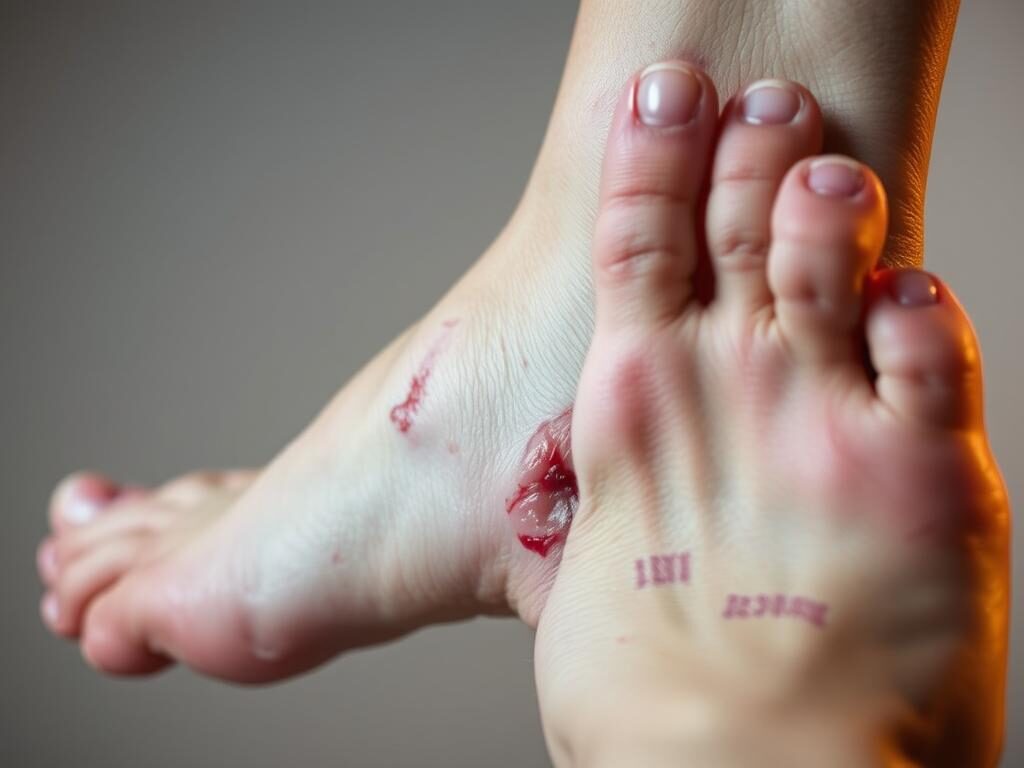
When to Seek Emergency Care for Diabetic Wounds
Seek emergency care if you see more redness, warmth, or pus around the wound. Also, if you have a fever. These signs might mean an infection that needs quick treatment to avoid diabetes complications. If you’re not sure, call a wound care specialist or go to the emergency room.
Getting help from a service like Dominion Mobile Wound Care is a good idea. They have the skills to help your wounds heal. Their team can take care of many wound care needs, giving you the best treatment.
The Complete Assessment Process at Dominion Mobile Wound Care
At Dominion Mobile Wound Care, healing starts with a detailed assessment. If you have diabetic wounds, a thorough check is key. It helps understand the wound’s size and its health impact. This step is essential for a treatment plan that fits your needs.
Advanced Diagnostic Techniques
Dominion Mobile Wound Care uses advanced diagnostic techniques for accurate wound checks. They look at the wound’s size, depth, and tissue type. They also check for infection or nerve damage signs. These methods help the specialist fully understand your condition.
Developing Your Personalized Treatment Plan
After the detailed assessment, a personalized treatment plan is made for you. This plan might include special dressings, infection control, and healing strategies. The aim is to give you the best care for your diabetic wounds, including those with nerve damage. This ensures a quick and safe recovery.
Choosing Dominion Mobile Wound Care means you’re on the path to healing. You’ll get the help of a dedicated diabetic wound specialist.
Cutting-Edge Treatments for Diabetic Wound Management
Dominion Mobile Wound Care leads in diabetic wound care with new treatments. As a patient, you get the latest in wound care. This makes your recovery fast and safe.
Innovative Dressings and Bioengineered Tissues
Innovative dressings and bioengineered tissues change diabetic wound care. These materials help wounds heal faster, lower infection risk, and reduce scarring. Bioengineered tissues, for example, help wounds heal like they would naturally.
| Treatment Type | Description | Benefits |
|---|---|---|
| Innovative Dressings | Advanced materials for wound care | Faster healing, reduced infection risk |
| Bioengineered Tissues | Tissues engineered to promote healing | Enhanced recovery, minimal scarring |
Advanced Therapies Offered by Dominion Mobile Wound Care
Dominion Mobile Wound Care has advanced therapies like hyperbaric oxygen therapy. This therapy uses pure oxygen in a pressurized room to help wounds heal. These treatments improve your recovery and lower diabetes complication risks.
Podiatric Wound Care: Protecting Your Feet from Diabetes Complications
Keeping your feet safe from diabetes problems needs more than basic care. It requires specialized podiatric wound care. Diabetes can harm nerves and reduce blood flow, making your feet prone to ulcers and infections. It’s key to understand the role of podiatric wound care in avoiding serious foot issues.
Why Diabetic Foot Ulcers Develop
Diabetic foot ulcers happen for several reasons, like nerve damage (neuropathy) and poor circulation. Neuropathy can make it hard to feel injuries or irritations in your feet. Poor circulation also hinders your body’s healing, turning small problems into big ulcers.
Preventative Strategies to Protect Your Feet
To keep your feet safe, you need to take preventive steps. This includes daily foot checks to spot issues early, wearing the right shoes to avoid pressure, and keeping them clean to stop infections. Also, seeing a podiatric specialist regularly can help catch problems before they get worse. By doing these things, you can lower your risk of getting diabetic foot ulcers.
Getting help from a service like Dominion Mobile Wound Care can give you the care you need. They can help heal your wounds and prevent future problems.
Managing Nerve Damage Wounds: The Neuropathy Challenge
For people with diabetes, nerve damage can slow down wound healing. Neuropathy, a common diabetes complication, can hide wound signs. This makes it hard to spot and treat wounds.
How Neuropathy Masks Wound Development
Neuropathy can make your feet numb and less sensitive. This makes it hard to notice wounds as they start. Regular checks with a doctor are key to catch and treat wounds early.
Specialized Approaches for Neuropathic Wound Care
Dealing with nerve damage wounds needs a detailed plan. This includes advanced wound dressings, bioengineered tissues, and personalized treatment plans. At Dominion Mobile Wound Care, experts are ready to handle these complex cases.
Getting help from Dominion Mobile Wound Care can greatly improve your recovery. Their team offers top-notch care at home. This lowers the chance of infections and keeps treatment consistent.

The Advantages of Mobile Diabetic Wound Specialists
Dominion Mobile Wound Care brings expert care right to your home. This changes how you recover. You get top-notch care in your own space.
Receiving Expert Care in Your Home Environment
Getting treated at home can make you feel less stressed and heal faster. Our team at Dominion Mobile Wound Care offers full care. This includes checking you out, treating you, and following up.
Benefits of home care include:
- Reduced risk of hospital-acquired infections
- Increased comfort and reduced stress
- More flexible scheduling for treatment
Eliminating Transportation Barriers to Consistent Treatment
Going to a healthcare facility can be hard for many. Mobile diabetic wound specialists solve this problem. They make sure you get the care you need without the trouble of traveling.
Consistent treatment is key for wound management. Our mobile service lets you keep up with your treatment schedule without any breaks.
Reducing Exposure to Hospital-Based Infections
Hospitals can be places where you might catch infections. Getting care at home lowers this risk. It makes your healing place safer.
Key advantages include:
- Lower risk of infection
- Personalized care tailored to your needs
- Family involvement in the care process
How Dominion Mobile Wound Care Transforms Recovery Outcomes
At Dominion Mobile Wound Care, we change the healing journey with top technology and care. You get treatment made just for you, for the best results.
State-of-the-Art Mobile Equipment and Techniques
Dominion Mobile Wound Care uses the newest in wound care tech to fight diabetic wounds. Our methods include:
- Advanced wound dressings for a healthy healing spot
- Bioengineered tissues to grow new tissue
- Negative pressure wound therapy to help wounds close
Our new treatments and a diabetic wound specialist’s skill greatly boost recovery.
Real Patient Success Stories and Testimonials
Our patients have seen real changes. Here are a few:
- A patient with a non-healing foot ulcer got better fast with our care.
- Another, with nerve damage wounds, healed fully with our help.
These stories show how our care and treatments change lives. Choosing Dominion Mobile Wound Care is a big step towards healing. Hire us to heal your wounds and change your recovery.
Understanding the Financial Aspects of Specialized Wound Care
If you have diabetes, knowing about wound care costs is key to getting better. Specialized care can be pricey, but knowing your options can help you save money.
Insurance Coverage for Diabetic Wound Treatment
Most insurance, including Medicare, covers diabetic wound care. It’s important to check your coverage and any costs you might face. You can find more info on what to ask your wound care nurse here.
The Cost-Effectiveness of Prevention vs. Complications
Preventing problems with early wound care can save you money in the long run. Here are some important points:
- Acting fast can stop expensive issues.
- Special care lowers the chance of amputations and infections.
- Good wound care improves your life and cuts healthcare costs.
Investing in specialized care now can save you from expensive treatments later. Think about getting help from Dominion Mobile Wound Care to heal your wounds well.
Conclusion: Take the First Step Toward Healing Today
Getting help from a diabetic wound specialist is the first step to healing. If you’re dealing with diabetic wounds, like nerve damage wounds, it’s key to see a specialist. They can give you care that fits your needs.
Dominion Mobile Wound Care offers top-notch wound care services. They bring the latest treatments right to your home. Their team is committed to helping you heal and live better.
Choosing Dominion Mobile Wound Care means you get advanced tests and new treatments. Don’t let diabetic wounds stop you. Take charge of your healing today.
With the right care and support, you can beat diabetic wounds and feel better overall. Contact Dominion Mobile Wound Care to begin your healing journey.
FAQ
What is a diabetic wound specialist, and how can they help me?
A diabetic wound specialist is a healthcare expert with special training in wound care. They help with diabetic wounds by diagnosing, treating, and preventing them. This improves your life quality.
Why are diabetic wounds so hard to heal?
Diabetic wounds are tough to heal because of diabetes-related issues. These include high blood sugar, nerve damage, poor blood flow, and a weak immune system.
What are the warning signs that I need professional wound care?
Look out for signs like redness, swelling, more pain, or discharge from the wound. If you see these, get medical help right away.
How does Dominion Mobile Wound Care diagnose and treat diabetic wounds?
At Dominion Mobile Wound Care, they use detailed assessments and advanced tests to diagnose and treat wounds. They create a treatment plan just for you.
What are some cutting-edge treatments available for diabetic wound management?
At Dominion Mobile Wound Care, they use new dressings, bioengineered tissues, and therapies for diabetic wounds. These methods help wounds heal faster and improve your life.
Why is podiatric wound care essential for diabetic patients?
Podiatric care is key for diabetic patients to avoid foot ulcers. By taking care of your feet and getting help quickly, you can avoid serious problems.
How does neuropathy affect wound development and management?
Neuropathy makes it hard to notice wounds because it damages nerves. Dominion Mobile Wound Care uses special methods to handle these wounds.
What are the benefits of mobile diabetic wound care?
Mobile diabetic wound care, like Dominion Mobile Wound Care, offers many benefits. You get care at home, avoid travel, and stay safe from hospital infections.
How does Dominion Mobile Wound Care ensure successful recovery outcomes?
At Dominion Mobile Wound Care, they use the latest mobile equipment and techniques. This leads to better recovery for diabetic patients. They also share success stories and testimonials.
What are the financial aspects of specialized wound care, and how can I navigate insurance coverage?
Specialized wound care can be expensive, but knowing about insurance is key. Dominion Mobile Wound Care helps with the financial side and insurance questions.