Diabetic home care

Best Diabetic Foot Care Tips for Home

Taking care of your feet is key when you have diabetes. Nerve damage and poor blood flow can cause serious foot problems. So, daily foot care is a must.

By following simple foot care tips, you can keep your feet safe. This article will show you the best ways to care for your feet at home. It will help you keep your feet healthy.

At Dominion Mobile Wound Care, we know how vital proper wound care is. If you’re dealing with foot issues, our experts can help you heal.

Key Takeaways

  • Daily foot inspections are key for catching problems early.
  • Keep your feet clean and dry to avoid infections.
  • Wear shoes that fit well to lessen pressure.
  • Control your blood sugar to prevent nerve damage.
  • Don’t smoke, as it cuts blood flow to your feet.

The Critical Importance of Diabetic Foot Health

Diabetic foot care is very important for people with diabetes. It affects their quality of life. Neglecting foot care can lead to serious complications, including infections and hospitalizations. Understanding the importance of diabetic foot health helps prevent these issues.

Recent Statistics on Diabetic Foot Complications

Recent studies show how common diabetic foot complications are. They can cause serious infections and hospital stays. Some important statistics are:

  • About 15% of diabetic patients will get a foot ulcer in their lifetime.
  • Diabetic foot ulcers lead to 85% of lower limb amputations.
  • The annual rate of foot ulcers in diabetic patients is about 2%.

These numbers show why diabetic patients need to take care of their feet.

How Proper Home Care Prevents Hospitalizations

Proper home care is key to avoiding diabetic foot problems that can lead to hospital stays. Good foot hygiene, daily foot checks, and the right shoes can help a lot. Simple daily habits can make a big difference in keeping feet healthy. Important steps include:

  1. Daily foot checks to spot any changes or issues.
  2. Keeping feet clean and moisturized to avoid dry skin and cracks.
  3. Wearing comfortable, well-fitting shoes that don’t cause pressure points.

By doing these things, you can avoid many common foot problems linked to diabetes.

Diabetic Home Care: Essential Practices for Foot Health

Starting with a routine that focuses on foot health is key to effective diabetic home care. This approach can greatly lower the chance of foot problems linked to diabetes.

Setting Up Your Daily Foot Care Station

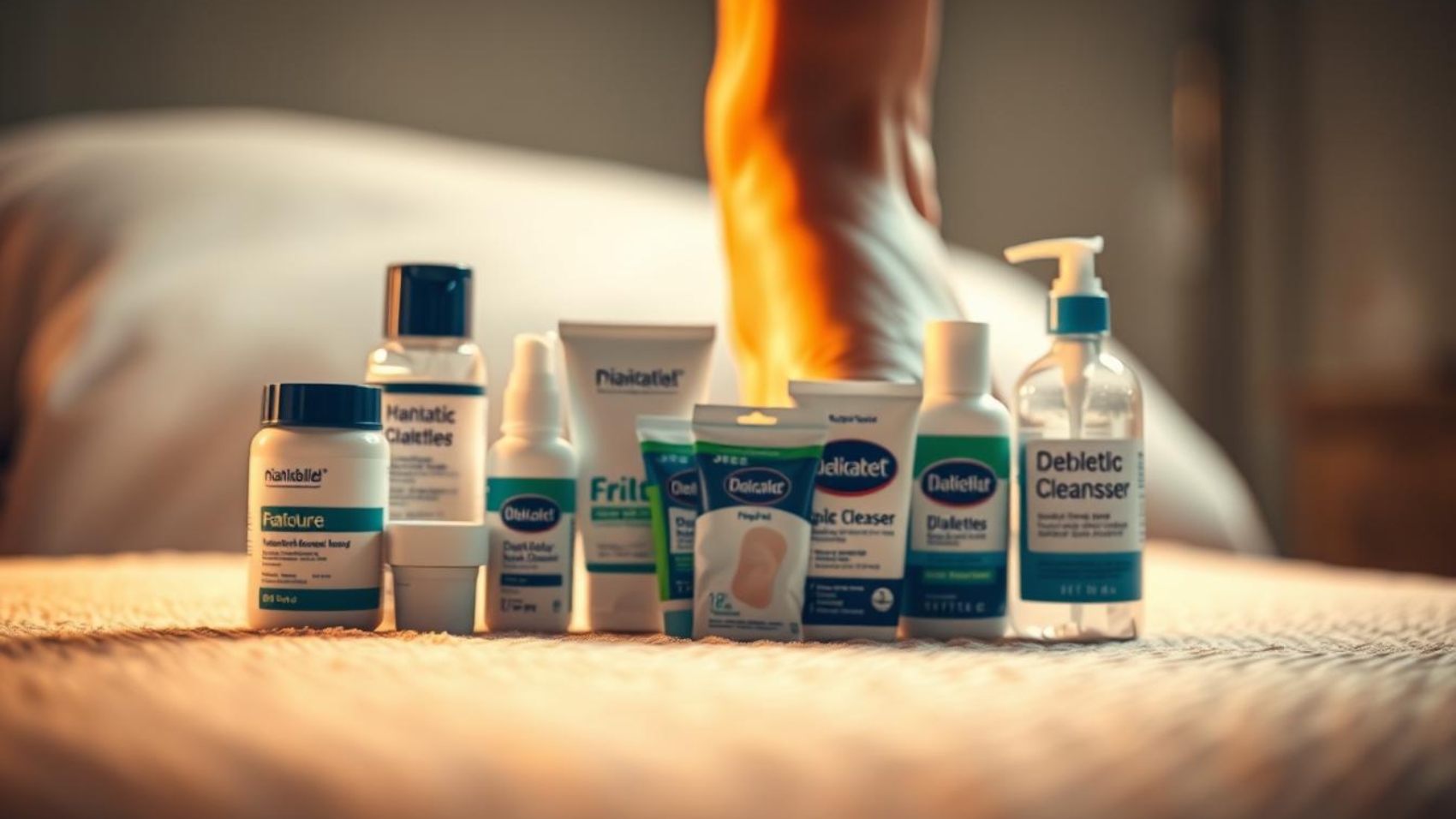
Creating a daily foot care station at home is essential. It should have all you need, like a basin for soaking, mild soap, a towel, nail clippers, and moisturizer. Having these items ready makes it simpler to stick to a regular foot care routine.

When picking products for your station, choose gentle ones that are right for diabetic foot care. Look for a moisturizer that won’t harm your skin and a fragrance-free soap to avoid irritation.

New Technologies Supporting Home Foot Care

New tech has brought innovative solutions to diabetic home care. For example, smart socks can track foot temperature and spot issues early. Also, mobile apps help track foot health, remind you to check your feet daily, and teach you how to care for them properly.

These technologies are great for improving your foot care routine. They help you keep up with your foot health and quickly notice any changes that need medical help.

Mastering Daily Foot Inspections

Daily foot inspections are key to diabetic foot care. They help you spot problems early. This habit can lower the risk of serious issues. Regular checks also make you more aware of your feet, helping you notice any changes.

Step-by-Step Inspection Process

To check your feet well, follow these steps:

  • First, wash and dry your feet well.
  • Look at the tops, soles, and sides for cuts, sores, or color changes.
  • Check between your toes for irritation or infection signs.
  • Look at your toenails for shape, color, or thickness changes.

Using Mirrors and Magnifiers Effectively

Right tools make foot checks easier. A handheld mirror or a floor mirror helps see the bottoms of your feet. A magnifying glass is good for small areas. Good lighting is key; make sure the area is well-lit to spot issues.

Digital Tools for Tracking Foot Changes

There are digital tools to track foot health changes. Some apps let you take foot photos and compare them. This is great for noticing changes you might miss. You can also use digital calendars for daily inspection reminders.

Tool Purpose Benefit
Handheld Mirror Inspect bottoms of feet Easier to spot issues
Magnifying Glass Examine small areas Detailed inspection
Digital Apps Track foot changes Monitor progress over time

daily foot inspection

Proper Cleansing and Moisturizing Techniques

Keeping your feet healthy is key for diabetics. It all starts with the right way to clean and moisturize them. Doing this right can stop problems like infections and ulcers.

Water Temperature and Testing Methods

It’s important to use the right water temperature when washing your feet. Use your elbow or a thermometer to check the water. It should be between 90°F and 95°F (32°C to 35°C). This keeps your feet from getting burned or uncomfortable.

Recommended Diabetic-Friendly Soaps

Go for mild, fragrance-free soaps that are easy on your skin. Soaps with moisturizing properties help keep your skin healthy. Stay away from harsh or rough cleansers that can dry out your skin.

Moisturizers That Won’t Compromise Skin Integrity

Use a moisturizer made for diabetic skin, focusing on dry areas. Look for creams or lotions with aloe vera or shea butter. But don’t put moisturizer between your toes to avoid fungal infections.

Product Type Key Ingredients Benefits
Moisturizing Soap Glycerin, Aloe Vera Gentle cleansing, moisturizes
Foot Cream Shea Butter, Vitamin E Hydrates, protects skin
Foot Lotion Coconut Oil, Olive Oil Nourishes, softens skin

For more info on making a diabetic wound care plan, check out Dominion MWC. They offer expert advice.

Blood Sugar Management for Optimal Foot Health

Keeping blood sugar levels stable is key to avoiding foot problems in diabetes. This means using medicine, making lifestyle changes, and keeping an eye on your levels. It’s all about preventing foot issues.

Latest Research on Glucose Levels and Circulation

Studies show a strong connection between blood sugar and blood flow. High sugar can harm blood vessels and nerves. This can lead to poor circulation and foot problems.

A study in the Journal of Diabetes and Its Complications found that controlling blood sugar well can lower foot ulcer risk. Keeping your glucose levels in check is vital for your feet.

  • Regular monitoring of glucose levels helps in adjusting treatment plans.
  • Improved circulation reduces the risk of foot ulcers and amputations.
  • Tight glucose control is associated with better overall foot health.

Meal Planning Strategies to Support Foot Health

Planning your meals is important for managing blood sugar. Eating a balanced diet with lots of nutrients and fiber helps keep glucose stable. Foods with a low glycemic index (GI) are good because they don’t cause blood sugar spikes.

Key Meal Planning Tips:

  1. Incorporate a variety of vegetables and lean proteins.
  2. Choose whole grains over refined carbohydrates.
  3. Limit foods high in sugar and saturated fats.

By following these meal planning tips, you can help your foot health and overall health.

Safe Nail Care Practices for Diabetic Patients

Safe nail care is key for people with diabetes to keep their feet healthy. It helps avoid infections and other problems caused by nerve damage or poor blood flow.

Proper Trimming Tools and Techniques

Using the right tools and techniques is vital for healthy nails. Always use clean, sterilized toenail clippers. Trim your nails straight across to prevent ingrown toenails.

  • Use nail clippers with a straight edge
  • Trim nails straight across
  • Avoid sharing nail clippers

Warning Signs of Nail Infections

Knowing the signs of nail infections is important. Look for redness, swelling, pain, or discharge around the nail.

Common signs include:

  • Redness or swelling around the nail
  • Pain or tenderness
  • Discharge or pus

When to Schedule Professional Podiatry Services

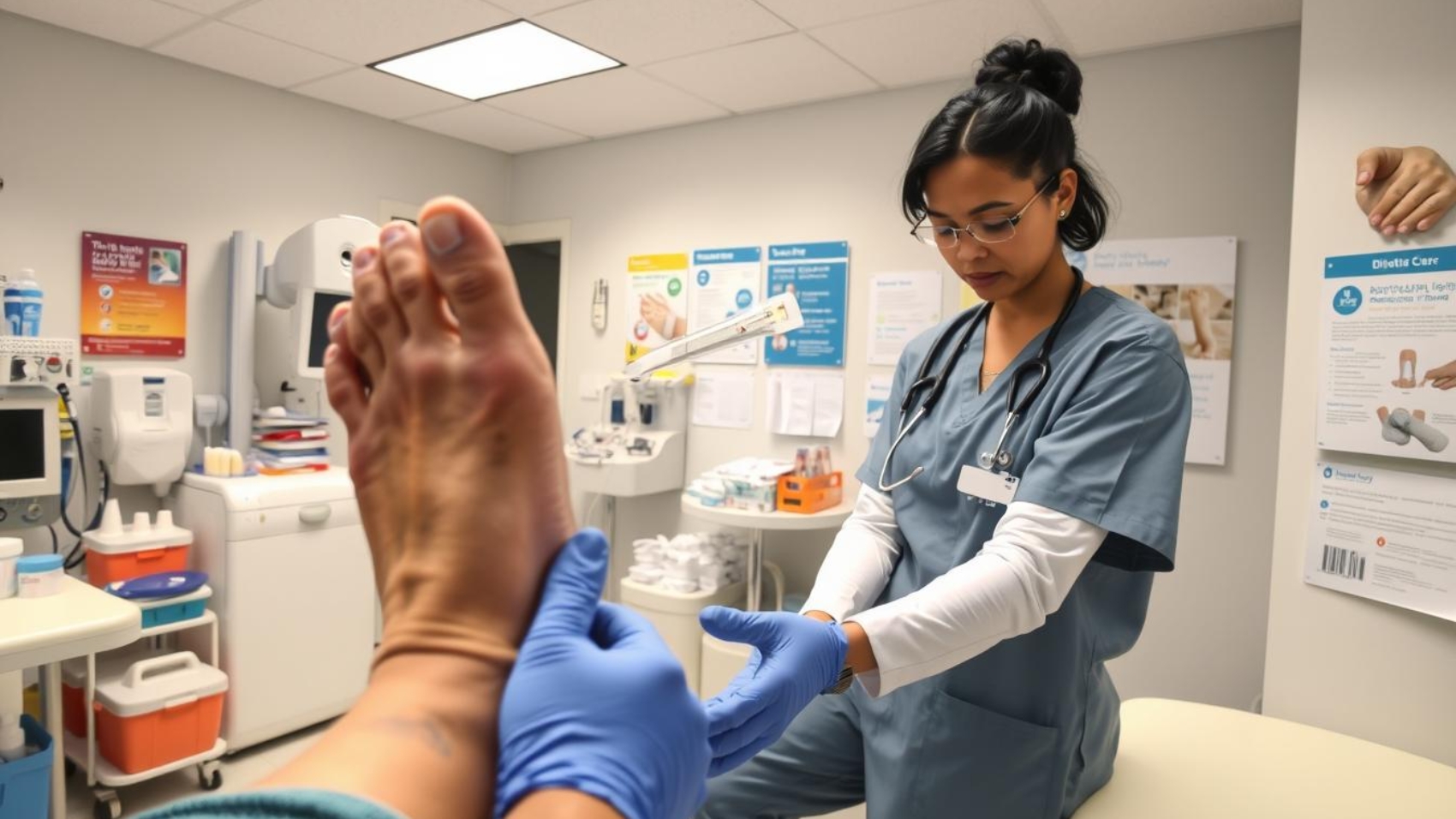
If you see signs of infection or struggle to trim your nails, see a professional. Regular visits to a podiatrist can prevent serious issues.

nail care for diabetics

  • Notice signs of infection
  • Have difficulty trimming your nails
  • Experience foot pain

Selecting Therapeutic Footwear and Socks

Choosing the right footwear and socks is key for diabetic foot care. The right shoes can help keep your feet healthy or make problems worse. Therapeutic footwear is made to be comfortable, supportive, and protective for diabetic feet.

Latest Innovations in Diabetic Shoe Design

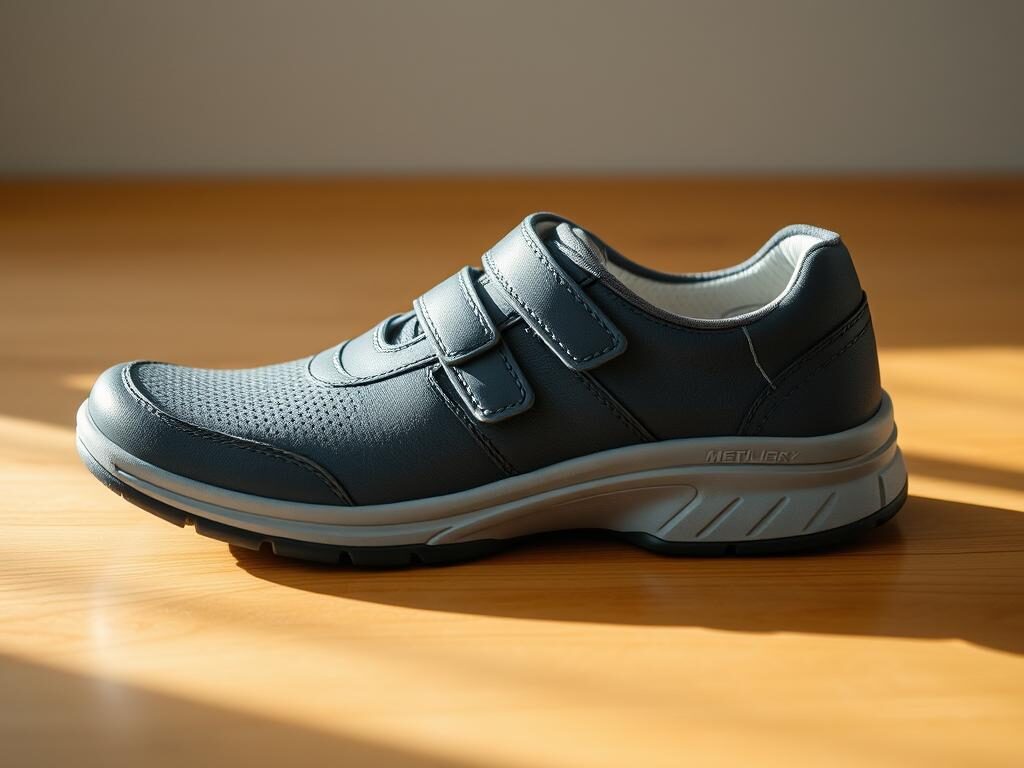
New shoe designs for diabetics include extra depth, seamless interiors, and rocker soles. These features help avoid pressure on sore spots and prevent irritation. Now, shoes also have breathable materials and adjustable closures to fit different foot shapes and sizes.

Pressure-Relief Features to Look For

When picking shoes, look for pressure-relief features like cushioning, arch support, and soft insoles. These help spread out pressure, lowering the chance of ulcers and other issues. Shoes with removable insoles can be customized for extra support and comfort.

Moisture-Wicking Sock Materials and Benefits

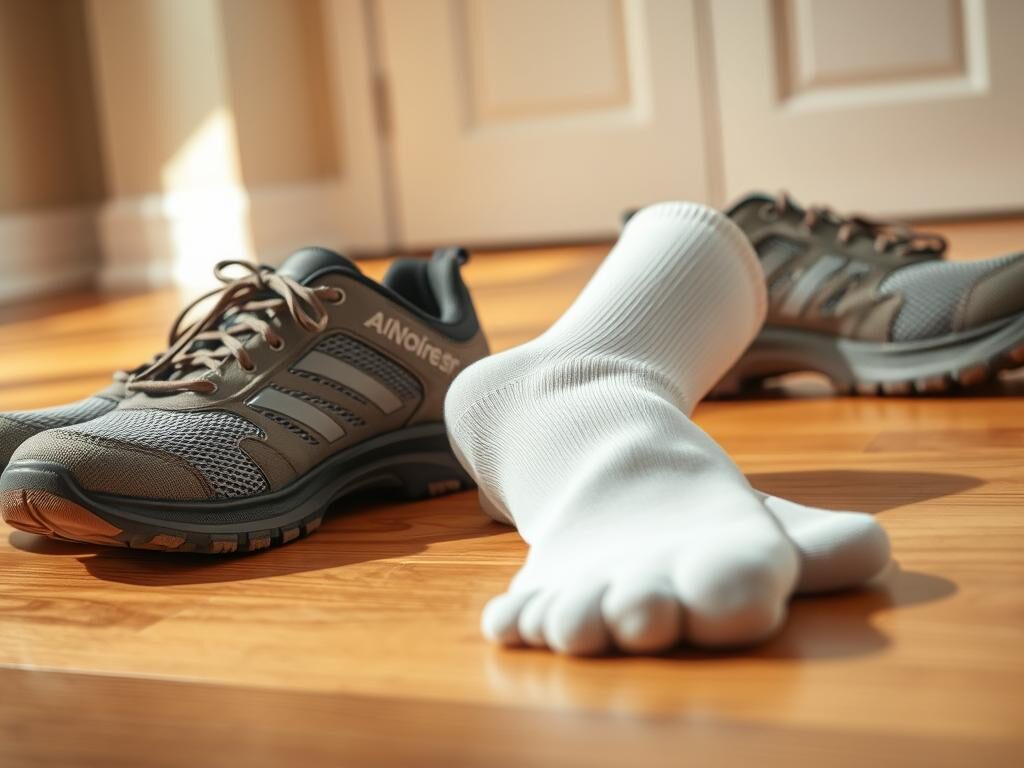
Moisture-wicking socks are vital for diabetic foot care. They pull moisture away from the skin, keeping feet dry and preventing fungal infections. Choose socks with seamless toes to avoid irritation and friction.

By picking the right shoes and socks, you can greatly improve your foot health and overall well-being.

Circulation-Boosting Exercises for Diabetic Feet

Exercise is key for diabetic foot care. It boosts blood flow and lowers risk of problems. Simple exercises daily can keep your feet healthy.

Seated Exercises for Limited Mobility Patients

Seated exercises are great for those who can’t move much. Toe curls, ankle rotations, and leg lifts can be done sitting down. They help blood flow and prevent stiffness.

Walking Programs Designed for Diabetics

Walking is good for all fitness levels. Start with short walks and slowly increase the distance and speed. Always wear the right shoes and watch how your body reacts.

Monitoring Foot Response to Exercise

Watch your feet after starting new exercises. Look for swelling, numbness, or irritation. Catching issues early is key to quick action.

Exercise Type Benefits Precautions
Seated Exercises Improves circulation, reduces stiffness Start slowly, avoid overexertion
Walking Programs Enhances cardiovascular health, improves circulation Wear proper footwear, monitor body response

Recognizing Emergency Warning Signs

Learning to spot emergency warning signs for diabetes can save your foot health. Diabetic foot problems can pop up fast. Knowing the signs helps you get medical help quickly.

Color Changes That Require Immediate Attention

Foot color changes can mean big trouble. Blue or purple might show poor blood flow. Redness could mean infection or swelling. Watch for any odd color shifts and talk to your doctor.

Temperature Variations as Danger Signals

Feeling a big difference in foot temperature is a warning. A foot that’s way hotter or colder than the other might have a problem. This could be an infection or bad blood flow.

Wound Development and Proper Response

Slow-healing wounds or cuts on your feet are serious. If you see redness, swelling, or discharge, get medical help fast.

When to Call Your Doctor vs. Seeking Emergency Care

Knowing when to call your doctor or go to the emergency room is key. For severe pain, a lot of bleeding, or infection signs like fever, get emergency care. For milder issues, start with your doctor.

Staying alert to these warning signs helps protect your feet. It keeps you from facing serious problems later.

Conclusion: Building a Sustainable Foot Care Routine

By following the tips in this article, you can create a foot care routine that keeps you healthy. A daily routine is key for diabetic foot care. It helps spot problems early on.

Good foot care means checking your feet daily, cleaning them well, and using moisturizer. Wearing the right shoes is also important. These steps can lower your risk of foot problems.

If you’re having trouble with wounds or foot issues, get help from Dominion Mobile Wound Care. Their team can assist you in healing and keeping your feet healthy.

FAQ

How often should I inspect my feet if I have diabetes?

Check your feet every day. Use mirrors, magnifiers, and apps to keep an eye on them.

What is the ideal water temperature for washing diabetic feet?

Use water between 90°F and 95°F (32°C to 35°C) for washing your feet. Test it with your elbow or a thermometer to avoid burns.

What type of soap is recommended for diabetic foot care?

Use a mild, fragrance-free soap. Harsh soaps can dry out and irritate your skin.

How can I manage my blood sugar levels to support foot health?

Follow a meal plan that supports your feet. Stay updated on glucose levels and circulation research. Work with your healthcare provider to create a plan that’s right for you.

What are the warning signs of nail infections, and when should I seek professional help?

Look out for redness, swelling, pain, or discharge around your nails. If you notice these signs or are unsure about trimming your nails, see a podiatrist.

What features should I look for in therapeutic footwear and socks?

Choose footwear with pressure-relief features and a comfortable fit. Socks should be breathable and moisture-wicking to keep your feet dry.

What types of exercises can help improve circulation in diabetic feet?

Try seated exercises like toe curls and ankle rotations. Walking programs can also help. Always check with your healthcare provider before starting any new exercise.

What are the emergency warning signs that require immediate medical attention?

Watch for color changes, temperature changes, and wounds that won’t heal. If you see any of these, get medical help right away.

How can I incorporate daily foot inspections and nail safety into my daily routine?

Set up a foot care station with the right tools. Make it a habit by doing it at the same time every day.

Foot Ulcer Treatment

At-Home Treatment Options for Diabetic Foot Ulcers

This short guide helps you take clear, practical steps at home to support healing and lower your risk of complications from a diabetic foot ulcer.

About 15% of people with diabetes develop a sore on a toe or sole, and those wounds precede most diabetes-related amputations. Prompt care, pressure relief, and coordinated follow-up matter.

You’ll learn how to cleanse and protect the wound safely, maintain a moist healing environment, and reduce pressure with the right footwear or off-loading. We explain when to keep managing at home and when to seek urgent in-person help for spreading infection or worsening signs.

Dominion Mobile Wound Care can coordinate professional steps with your daily life so you stay on track. Hire Dominion Mobile Wound Care to help heal your wounds and protect your body.

Key Takeaways

  • Early attention to any sore greatly lowers the chance of serious infection or amputation.
  • Simple daily care—cleaning, dressing, and pressure management—supports healing.
  • Keep a moist but not macerated wound environment and check blood sugar control.
  • Use proper footwear and off-loading to reduce risk of repeat damage.
  • Know warning signs that require urgent in-person care and follow clinical plans.
  • Mobile services like Dominion Mobile Wound Care can blend care with your routine.

Understanding Diabetic Foot Ulcers and Why Prompt Care Matters

Prompt action matters because a small sore can become a serious problem fast. About 15% of people with diabetes will develop a diabetic foot ulcer, and roughly 6% need hospital care for infection or complications.

Between 14–24% of those who develop an ulcer may face amputation later, and ulceration precedes about 85% of diabetes-related amputations. That makes early, coordinated care central to reducing risk and protecting your body.

You should treat any ulcer on your foot as urgent. Quick attention lowers the chance of spreading infection and reduces the odds of hospitalization.

Coordinated wound care tackles the factors that slow healing: high blood sugar, pressure on the wound, and poor circulation. Professional checks also look for bone involvement and circulation problems so home steps stay safe and effective.

Dominion Mobile Wound Care can evaluate wounds in your home, start timely care, and set follow-up plans that include off-loading and dressing choices. With prompt guidance, you can fold simple at-home routines into a larger plan that supports recovery.

  • Act fast for any new wound on your foot.
  • Watch for drainage, odor, redness, or swelling.
  • Get coordinated care to lower the chance of amputation.

What Causes Diabetic Foot Ulcers: Neuropathy, Poor Blood Flow, and Pressure

When nerves stop sending clear signals and arteries deliver less oxygen, even minor pressure can cause a lasting sore.

Diabetic peripheral neuropathy is a leading cause. It plays a role in nearly 90% of diabetic foot ulcers. Sensory loss means you may not feel a cut. Motor changes shift weight to new areas under your toes and sole. Autonomic nerve damage lowers sweat, drying skin and creating cracks.

Peripheral artery disease narrows arteries and reduces blood flow. PAD is 2–8 times more common in diabetes and can slow healing by cutting off oxygen and nutrients. Many people have both neuropathy and PAD at once, which raises risk further.

  • Types include neuropathic (nerve-driven), ischemic (arterial disease), and neuroischemic (both).
  • Repeated pressure on bony areas and rubbing from shoes can start tissue breakdown.
  • Recognizing the type helps guide off-loading and dressing choices.

Dominion Mobile Wound Care educates you about causes and tailors care plans to your specific ulcer type so healing follows the right path.

Early Signs, Progression, and Diagnosis You Should Know

Spotting early changes in your skin can make the difference between a simple irritation and a serious wound. Look daily at pressure areas and between your toes for dryness, cracking, redness, or scaly patches. Small problems can worsen if you miss them.

Recognizing advanced signs matters too. A callus or a firm halo around a sore often means deeper injury and added pressure. Drainage on socks, brown discoloration, or a strong odor suggests possible infection and needs prompt evaluation.

skin

How clinicians assess depth, infection, and bone involvement

Providers inspect the wound location, borders, and surrounding skin to stage the problem. Systems like the Wagner scale grade depth from intact skin to full‑foot gangrene and guide next steps.

If bone involvement is suspected, clinicians order imaging—X‑ray, CT, or MRI—to check for osteomyelitis. Signs such as spreading warmth, redness, or tenderness may indicate cellulitis that needs antibiotics.

  • Watch for early skin changes—dryness, cracking, redness, or scaling—especially on pressure points and between toes.
  • A callus or firm ring around a sore suggests deepening injury and rising pressure that can worsen a foot ulcer.
  • Drainage, brown discoloration, or strong odor can mean infection and requires timely assessment.
  • Pain may be absent because of neuropathy, so daily visual checks are vital to catch problems in time.
  • Document size and depth weekly to track progress or spot stalled healing.

Dominion Mobile Wound Care can evaluate your wound at home and arrange imaging or specialty referrals when indicated, helping you act quickly and stay on the right plan.

How-To: At-Home Foot Ulcer Treatment Essentials

Practical at-home care helps protect tissue, lower infection risk, and support steady wound healing. Start with a simple daily routine and adjust as your clinician recommends.

Cleanse and protect

Wash the area gently with lukewarm water or saline. Pat the surrounding skin dry—do not rub—and apply a clean, sterile dressing.

Avoid harsh antiseptics that injure tissue. Use products your provider approves and change dressings on the schedule they give you.

Off-loading pressure

Reducing pressure is essential. Limit weight-bearing and use physician-recommended shoes, casts, or crutches to protect the spot.

Blood glucose and general care

Keep blood glucose in your target range to support immunity and wound repair. Good glucose control speeds healing and lowers the risk of infections.

Maintain moisture without maceration

Choose dressings that match drainage levels to keep the wound moist but not waterlogged. Replace them as instructed to avoid maceration of surrounding skin.

Medication guidance

If you see spreading redness, increasing drainage, warmth, or fever, contact your provider. Systemic antibiotics may be needed for deeper infections; Dominion Mobile Wound Care can coordinate this care and provide in‑home dressing changes and off‑loading guidance.

  • Keep shoes and insoles clean and avoid barefoot walking.
  • Protect fragile skin with barrier creams where needed.
  • Call your clinician promptly for signs of worsening or new drainage.

The Right Dressings and Supplies to Support Wound Healing

Matching the dressing to the wound’s needs helps you keep a moist environment that speeds wound healing and lowers infection risk.

Moisture-managing options let you control drainage and protect tissue. Hydrogels suit dry wounds, hydrocolloids or composites fit low to moderate exudate, and alginates absorb heavy drainage.

Advanced choices

Collagen and antimicrobial dressings or skin substitutes can jumpstart repair when simple options stall. These products may be used when deeper tissue support is needed or when a patient shows slow progress.

Debridement and topical agents

Debridement removes nonviable tissue and slough to reduce bacterial load and encourage healthy granulation. Technique matters: gentle debridement preserves viable skin and blood supply while clearing debris.

  • Choose dressings by drainage level to optimize healing.
  • Protect surrounding skin with barrier films and proper sizing.
  • Monitor for infection signs; topical agents help but don’t replace clinical oversight.
  • Ensure adequate circulation—reassess blood flow if progress stalls.

Dominion Mobile Wound Care brings professional-grade supplies and safe debridement to your home, selecting the right type for your diabetic foot to support steady improvement.

When At-Home Care Isn’t Enough: Red Flags That Need Urgent Medical Attention

Recognizing urgent warning signs early can stop a small sore from becoming a limb‑threatening problem. If you notice worsening signs, act quickly to lower the risk of serious infection or loss.

infection signs

Signs of infection or osteomyelitis

If drainage increases, a foul odor appears, fever develops, or severe pain starts, seek immediate care. Spreading redness, warmth, and tenderness often mean cellulitis and need prompt treatment.

Deep infections can reach bone. Imaging (X‑ray, CT, or MRI) and IV antibiotics or surgery may be required to control the problem and reduce the chance of amputation.

Poor circulation warnings

Color changes, new rest pain, cold toes, or tissue that stops improving suggest impaired flow in the arteries. Black or grey tissue and nonhealing areas need vascular assessment without delay.

  • Seek care for increased drainage, odor, fever, or rising pain.
  • Spreading warmth/redness can indicate cellulitis; deep infection may probe to bone.
  • Rest pain, pallor, or persistent nonhealing tissue signal poor blood flow.
  • Rapid intervention lowers the risk of amputation by treating infection and circulation issues early.

Dominion Mobile Wound Care triages urgent warning signs at home and expedites referrals for imaging, IV antibiotics, or vascular evaluation so you get timely, expert care.

Prevention at Home: Daily Foot Care, Footwear, and Risk Reduction

A few practical habits each day reduce the chance of new sores and keep small issues from getting worse.

Daily inspections matter. Check soles, between your toes, and around nail edges for cuts, blisters, or color changes.
If neuropathy reduces sensation, use a mirror or ask someone to help so you don’t miss subtle problems.

Footwear and off-loading

Wear properly fitted shoes and seamless socks to lower pressure on vulnerable skin. Avoid tight spots or seams that rub.
Use cushioned insoles or prescribed devices to off-load pressure if you have bony prominences or prior ulcers.

Lifestyle factors to cut risk

Prioritize glucose, cholesterol, and blood pressure control to support blood flow and healing.
Stop smoking and limit alcohol—both raise the chance that tissue won’t recover.
Maintain gentle activity approved by your provider to boost circulation without stressing the ankle or foot.

  • Inspect daily—soles, toes, and nail edges.
  • Trim toenails straight; avoid aggressive clipping that can break skin.
  • Schedule regular preventive checks; a trained team can spot problems early.

Dominion Mobile Wound Care provides in-home education, footwear guidance, and periodic checks to tailor prevention for your patient profile.

Healing Timeline and Factors That Influence Recovery

How fast a sore closes depends less on luck and more on size, circulation, and whether pressure is relieved.

Wound size, location, and pressure load

Expect healing to take weeks to months. Larger or deeper wounds on high‑pressure spots need more time and careful off‑loading.

Key factors that slow or speed recovery include ulcer size, where it sits on your foot, and daily pressure from standing or walking.

Circulation status, swelling control, and consistent follow-up

Good blood flow is essential. Poor circulation or ongoing infection can stall wound healing and may lead to debridement or even surgery to correct pressure points.

Swelling control, glucose management, and regular follow‑up let your care team adjust dressings and therapies quickly.

  • Expect gradual size reduction each week; track progress with photos or measurements.
  • Off‑loading and edema control create a favorable environment for healing foot progress.
  • If healing plateaus, advanced therapies or surgical correction can restart repair and reduce amputation risk.

Dominion Mobile Wound Care measures these factors at every visit and adjusts the plan over time so you stay on a clear path to healing.

Conclusion

A clear, consistent home routine plus timely medical steps gives you the best chance to heal and avoid serious complications.

Use daily cleansing, the right dressings, off‑loading, and tight glucose control to create an environment that supports recovery. Monitor for worsening pain, spreading redness, odor, or increased drainage—these signs may mean infection or cellulitis and need prompt care.

Address neuropathy, pressure points, and arterial disease with proper shoes, protective devices, and medical evaluation. If bone involvement or stalled healing appears, imaging and surgical removal of infected tissue can protect your limb.

Dominion Mobile Wound Care brings expert debridement, advanced dressings, and personalized follow‑up to your home. Hire Dominion Mobile Wound Care to help heal your wounds and protect your body so you can get back to what matters.

FAQ

What at-home steps can you take to help heal a diabetic foot wound?

Start by gently washing the area with mild soap and warm water, then pat dry with a clean towel. Protect the site with a sterile dressing that maintains moisture but prevents maceration. Keep weight off the wound using a recommended off-loading device or supportive shoe. Check your blood glucose and work to keep levels within your target range to support immune function and tissue repair. Change dressings as advised and call your provider if you see increased drainage, redness, or pain.

Why does prompt care matter for diabetic foot problems?

Diabetes can reduce sensation and impair circulation, so small breaks in the skin can worsen quickly without you noticing. Early care lowers the risk of infection, speeds healing, and helps prevent deep tissue damage, bone infection, or the need for surgery. Acting quickly improves outcomes and preserves mobility.

How do neuropathy and poor blood flow cause these wounds?

Nerve damage reduces feeling, so you may not sense pressure, heat, or cuts. Muscle changes and foot deformities increase pressure points. At the same time, peripheral artery disease limits blood flow, slowing delivery of oxygen and nutrients that wounds need to heal. Both factors often combine, producing neuropathic, ischemic, or mixed (neuroischemic) sores.

What early signs should you watch for versus advanced warning signs?

Early signs include a small open sore, redness, callus overlying a soft spot, or minor drainage. Advanced warning signs include spreading redness, foul odor, increasing pain, fever, swelling, black or pale tissue, or visible bone. Any of the latter require urgent medical evaluation.

How do clinicians check a wound for depth, infection, or bone involvement?

Providers inspect and probe the wound, measure its size and depth, and assess surrounding tissue. They may take wound cultures, order blood tests, and use imaging like X-ray or MRI to check for bone infection (osteomyelitis). Vascular testing, such as ankle-brachial index or duplex ultrasound, evaluates blood flow.

How should you cleanse and protect a sore safely at home?

Use lukewarm water and mild soap; avoid harsh antiseptics unless directed. Gently rinse and pat dry. Apply a sterile, moisture-balancing dressing and secure it without restricting circulation. Keep the area clean and change dressings with clean hands or gloves.

What does off-loading mean, and why is it important?

Off-loading removes pressure from the wound so tissue can repair. That may mean using a cast boot, specialized sandal, or cushioned insole, and avoiding activities that load the area. Continuous pressure delays healing and increases risk of deeper injury.

When should you expect antibiotics, and which symptoms indicate infection?

Antibiotics are prescribed when signs of infection appear: increasing warmth, redness, swelling, purulent drainage, odor, fever, or spreading cellulitis. Your clinician chooses oral or IV antibiotics based on infection severity and test results.

Which dressings and supplies support a healthy wound environment?

Moisture-managing options—hydrogels, hydrocolloids, and alginates—help maintain a moist bed without soaking surrounding skin. Antimicrobial dressings and collagen products can assist when infection or tissue loss is present. Your clinician will pick a dressing based on exudate level, depth, and surrounding skin condition.

What role does debridement and topical care play?

Removing nonviable tissue (debridement) promotes healing and reduces bacterial load. Providers use sharp, mechanical, or enzymatic methods depending on the wound. Topical agents—such as antimicrobial ointments or moisture-balancing gels—support the healing environment but should follow professional guidance.

What are urgent red flags that mean you need immediate medical attention?

Seek urgent care if you notice spreading redness, increasing or severe pain, fever, foul-smelling drainage, exposed bone, numbness with new color changes, or signs of poor circulation like rest pain or cool, pale skin. These can indicate deep infection or ischemia that requires prompt treatment.

How can you check circulation and what signs suggest poor blood flow?

Look for coolness, weak or absent pulses, color changes, delayed capillary refill, and persistent numbness or rest pain. Ask your clinician for ankle-brachial index testing or a vascular ultrasound to quantify blood flow and guide treatment.

What daily care habits reduce your risk of recurrence?

Inspect your skin daily—soles, between toes, and nail edges—and wash and dry carefully. Wear properly fitting shoes and moisture-wicking socks. Avoid walking barefoot. Manage glucose, stop smoking, control blood pressure and cholesterol, and keep regular podiatry and diabetes clinic visits.

How do shoes, socks, and off-loading devices help prevent new wounds?

Proper footwear redistributes pressure and reduces friction. Diabetic shoes, custom orthotics, padded socks, and boots designed for off-loading protect vulnerable areas and reduce the chance of new sores forming.

How long does healing usually take and what factors influence recovery?

Timeline varies widely. Small, superficial wounds can close in weeks, while larger or deeper lesions may take months. Healing depends on wound size and location, pressure control, blood flow, infection status, glucose control, and consistent follow-up care.

When is surgery or more advanced care considered?

Surgery or revascularization is considered when wounds fail to progress despite proper care, when there is significant tissue loss, severe infection, or poor blood flow that limits healing. Procedures range from focused debridement to vascular bypass or angioplasty, always tailored to your situation.

Diabetic Ulcer Prevention

Preventing Diabetic Ulcers with At-Home Care Tips

You play a key role in keeping your feet healthy when you have diabetes. Small blisters or cuts can become serious because reduced sensation and slow blood flow raise the risk that a minor problem turns into an infection.

Daily checks and simple habits protect your feet and support your body’s healing. Look for redness, swelling, or drainage and act quickly when you see changes.

This guide gives clear, step-by-step care you can do at home: examine your feet, clean and moisturize correctly, choose well-fitting footwear, and manage blood sugar to aid recovery. The tips also explain when to get fast medical help so a small issue does not become a severe foot ulcer or lead to worse outcomes.

Find practical information on this website and consider local expert support when needed. Hire Dominion Mobile Wound Care to help heal wounds and keep you active and independent.

Key Takeaways

  • Check your feet daily and treat cuts or redness right away.
  • Keep blood sugar and weight in healthy levels to aid healing.
  • Wear protective, well-fitting shoes to lower foot risk.
  • Watch for signs of infection and seek care fast.
  • Use this website for clear information and contact local experts as needed.

Why Your Feet Need Extra Protection Today

When nerves and circulation are impaired, small foot issues can turn serious. Nerve damage often hides pain, so blisters or cuts may go unnoticed until they worsen.

Poor blood flow from lower extremity arterial disease slows healing in the legs and feet. Less blood means fewer immune cells and nutrients reach a wound, so a minor sore can deepen fast.

This combination of nerve and blood problems raises your baseline risk for complications. People diabetes face added danger because a tight shoe or a small scrape can escalate without daily checks.

  • Reduced blood flow limits healing and makes pressure more dangerous.
  • Nerve damage blunts pain, so you may miss early signs like warmth or redness.
  • Acting early reduces risk and helps you stay mobile and independent.

If you notice persistent pain, new numbness, or any non-healing spot on the foot, get professional help. Dominion Mobile Wound Care can evaluate circulation and sensation at home and start treatment before problems deepen into ulcers or reach bone.

Diabetic Ulcer Prevention: Your At-Home Routine

A quick daily foot check takes minutes but can stop minor damage from becoming serious. Commit to a simple routine you perform at the same time each day so it becomes habit.

Inspect feet from heel to toes and between toes. Use a mirror to view the bottoms every time. Look for cuts, blisters, redness, swelling, warmth, or pain so you can act before an infection starts.

inspect feet

Wash your feet in lukewarm water, not hot, then pat them dry thoroughly—especially between toes. Moisturize the tops and bottoms of your skin to prevent cracking, but never put lotion between toes where moisture can trap bacteria.

  • Wear clean socks and supportive shoes at home to protect your foot from punctures and friction.
  • Track changes over time and note areas that rub or break down so you can adjust shoes or seek help.
  • Keep blood sugar levels steady; good control supports healing and lowers risk.

Use this website’s checklist until the routine is automatic. Dominion Mobile Wound Care can reinforce your technique and provide timely care if you spot worrying signs.

Footwear and Socks that Protect Your Skin and Blood Flow

Proper shoes and socks help you avoid pressure, pain, and slow healing. A good fit shields the skin and supports healthy blood flow in your legs and feet.

Get properly fitted shoes with toe room and arch support

Measure your foot regularly. Leave about half an inch between your longest toe and the shoe tip and choose stable arch support to stop rubbing and hotspots.

Choose clean, dry socks without tight elastic bands

Wear socks that are dry and nonbinding. Tight bands can restrict circulation and raise the chance of blisters or pain.

Avoid barefoot walking, sandals, and high heels

These expose fragile skin and increase cuts, punctures, and friction that can lead to a foot ulcer or infection.

  • Rotate and replace worn shoes to limit pressure points.
  • Check inside shoes for debris before putting them on.
  • Consider orthotics or specialized diabetic foot shoes if your clinician recommends them.

Dominion Mobile Wound Care can assess your fit at home, suggest insoles, and arrange diabetic shoes or adjustments to protect your feet.

Manage Health Factors that Slow Healing

Managing key health targets helps your body repair damaged skin faster. Focus on glucose control, circulation, weight, and tobacco use to give wounds the best chance to close.

blood sugar

Keep blood sugar levels in target range to aid healing

You work toward steady blood sugar so your body can deliver oxygen and nutrients for repair.

Track sugar and adjust food, activity, and medications with your doctor to keep levels within your target range.

Support blood flow and watch for peripheral arterial disease

Elevated glucose stiffens arteries and narrows vessels, which reduces oxygen delivery needed for healing.

Watch for cold toes, calf cramps, or slow-healing spots and discuss testing for arterial disease with your clinician.

Maintain a healthy weight to reduce shoe friction and pressure

Losing weight lowers pressure points and decreases friction inside shoes that cause blisters and cuts.

Quit tobacco to improve circulation and wound recovery

Nicotine and related chemicals constrict vessels and slow recovery in your legs and feet. Make a quit plan and ask for help.

  • Manage cholesterol and blood pressure alongside glucose to lower complications.
  • Use supportive footwear and activity changes while your foot heals.
  • Schedule follow-up so small changes are caught early.

Dominion Mobile Wound Care collaborates with your clinician to reinforce glucose goals, monitor wound progress, and coach lifestyle changes that support healing.

When to Contact a Doctor About Foot Ulcers

Timely care for a worsening foot wound lowers the chance of deep infection and hospitalization. If you see rapid change, act without delay so treatment can start before the problem spreads.

Urgent warning signs: spreading redness, warmth, drainage, fever, or bone pain

Call your doctor immediately if you notice spreading redness, new warmth, foul drainage, fever, or severe tenderness near a wound.

These signs may mean infection has moved deeper and could reach bone. Quick evaluation often avoids complex treatment and hospital stays.

Schedule regular foot exams and annual podiatry visits

Set routine checks so problems are found early. Annual podiatry exams catch issues before they threaten deeper tissue.

  • Keep a list of warning signs handy and call when changes appear.
  • Ask for a same‑day visit if a wound worsens or your blood sugars spike with new swelling.
  • Bring glucose records, medication info, and a brief wound care summary to appointments.
  • Use mobile services to assess wounds at home when travel is hard or you need urgent care.

Dominion Mobile Wound Care can coordinate same- or next‑day visits, provide home wound care, and liaise with your doctor for imaging, antibiotics, or specialty referrals. If you need options fast, use online tools to find doctor listings and schedule an exam in a timely way.

Conclusion

Consistent home care helps you catch trouble early and keeps you moving with confidence.

Use a short daily checklist: look for cuts or blisters, wash with lukewarm water, dry well, moisturize tops and soles, and wear protective shoes and socks.

Keep steady blood sugar and support blood flow to speed healing. Watch for early change in the foot and act fast to limit complications and foot ulcers.

If a wound looks worse, get a prompt evaluation. Hire Dominion Mobile Wound Care for at-home assessment, timely referrals, and expert help to heal wounds and protect your mobility.

FAQ

How often should you inspect your feet at home?

You should check your feet every day, looking at heels, soles, toes, and between toes. Daily checks help you spot cuts, blisters, redness, swelling, warmth, or pain early so you can act before an infection starts.

What’s the best way to check the bottoms of your feet?

Use a handheld mirror or ask a family member to help if you can’t see the soles. Move the mirror slowly to view every area and take your time to find small wounds or hard skin that could lead to problems.

Which signs mean you should call a doctor right away?

Contact your provider if you notice spreading redness, increased warmth, pus or drainage, a fever, or deep pain that may reach bone. These signs can indicate infection or a serious wound that needs prompt care.

How should you wash and dry your feet?

Wash with lukewarm water and mild soap, then dry carefully, especially between toes. Avoid soaking for long periods; moisture trapped between toes can promote fungal infection.

Where should you apply moisturizer and where should you avoid it?

Apply lotion to the tops and bottoms of your feet to prevent dry, cracked skin. Do not put moisturizer between toes, because excess moisture there raises infection risk.

What footwear choices protect your feet and circulation?

Wear properly fitted shoes with room in the toe box, good arch support, and cushioning. Avoid walking barefoot, sandals that expose skin, and high heels that concentrate pressure. Replace worn shoes and rotate pairs to reduce pressure points.

Are special shoes or inserts necessary?

If your doctor or podiatrist recommends them, custom orthotics or shoes designed for people with nerve damage and poor blood flow can reduce pressure and lower risk of wounds. Ask a clinician for a fitting and prescription when needed.

What sock features should you look for?

Choose clean, dry socks made of moisture-wicking materials that don’t have tight elastic bands. Seamless or padded socks reduce rubbing and blister risk. Change socks daily or sooner if damp.

How does blood sugar control affect healing?

Keeping blood sugar levels in your target range supports immune function and speeds wound healing. High sugar impairs circulation and increases infection risk, so work with your care team on meals, medications, and monitoring.

When should you see a podiatrist for routine care?

Schedule regular foot exams and at least one annual podiatry visit, or more often if you have nerve damage, poor circulation, or a history of wounds. A podiatrist can treat calluses, trim nails safely, and advise on footwear.

What lifestyle changes help improve blood flow to your feet?

Stay active with walking or low-impact exercise to boost circulation, maintain a healthy weight to lower pressure on your lower extremities, and stop tobacco use to improve blood flow and healing capacity.

How do you treat minor cuts or blisters at home?

Clean the area with mild soap and water, dry it, apply an antibiotic ointment if advised, and cover with a sterile dressing. Reduce pressure on the spot with padding or a different shoe. See a clinician if it doesn’t improve in a few days.

Can water activities harm your feet?

Prolonged soaking, such as long baths or hot tubs, can soften skin and increase breakdown. Keep water temperature comfortable, limit soak time, and dry feet thoroughly afterward to avoid skin damage and infection risk.

What are common early signs of nerve damage in the feet?

Numbness, tingling, burning, or reduced ability to feel heat, cold, or pain are warning signs. Nerve damage raises your risk for unnoticed wounds, so report these symptoms to your doctor promptly.

How often should you replace your shoes?

Replace shoes when you notice worn soles, uneven wear, loss of cushioning, or any new pressure spots. As a rule, many shoes need replacement every 300–500 miles of walking, but check frequently for visible wear.

What role does weight play in foot injuries?

Excess weight increases pressure on your feet, raising friction and the chance of skin breakdown and wounds. Maintaining a healthy weight reduces stress on bones, joints, and skin and helps shoes fit better.

Are blisters dangerous if you have nerve or blood flow problems?

Yes. Blisters can quickly become infected or turn into open wounds if you have poor circulation or sensory loss. Avoid popping blisters; protect them with a sterile dressing and seek medical advice if they worsen.

Who should you call for specialized wound care?

If a wound won’t heal, shows signs of infection, or if you have severe peripheral arterial disease or bone pain, ask your primary care doctor for a referral to a wound care clinic or a podiatrist experienced in lower extremity wounds.

How can you prevent pressure points from forming in shoes?

Get professionally fitted shoes, use cushioned insoles or pads where needed, rotate shoes daily, and avoid tight or narrow styles. If a spot rubs, address it immediately with padding or a different shoe to stop skin breakdown.

diabetic wound care mistakes

Common Mistakes to Avoid in Diabetic Wound Care

Early, accurate assessment changes outcomes for people with foot ulcers and similar problems. A lifetime risk of 15%–20% for these ulcers and a real amputation threat means clinicians must act promptly.

Precise staging, using Wagner or University of Texas systems, and metric measurements (L x W x D in centimeters) guide proper management. Clear descriptions of edges, base, drainage, odor, and progression improve communication and reduce legal risk.

Fundamentals such as regular sharp debridement, proper offloading (total contact casts are the gold standard), moist approaches, targeted antibiotics, and timely revascularization for ischemic limbs are proven to help healing. NPWT fits selective nonischemic cases to promote granulation.

Documentation discipline and system-level pathways prevent delays when bedside staff must act. Dominion Mobile Wound Care provides mobile, evidence-based support across settings. Hire Dominion Mobile Wound Care to help heal their wounds.

Key Takeaways

  • Early, accurate assessment and staging (Wagner/University of Texas) are essential.
  • Measure lesions in centimeters (L x W x D) and describe edges, base, and drainage.
  • Sharp debridement, offloading (total contact cast), moist methods, and infection control drive healing.
  • Revascularization must precede aggressive surgery in ischemic limbs; NPWT helps select nonischemic cases.
  • Strong documentation and care pathways reduce delays and protect limb salvage.

Why avoiding errors in diabetic foot care matters for healing and limb salvage

Timely, coordinated interventions in the clinic can change whether a foot lesion closes or leads to limb loss.

Ulcers on the diabetic foot raised morbidity and mortality when neuropathy (45%–60%) or ischemia were present. Infection remains a dominant driver of amputation, so early culture-guided antibiotics and prompt source control are urgent priorities for patients.

Avoiding small lapses in assessment prevents cascading problems. Accurate classification, metric measurement, and clear documentation let teams track real change and escalate when progress stalls.

  • Consistent fundamentals: frequent sharp debridement, offloading, and moisture-balanced dressings improve healing trajectories.
  • Multidisciplinary management: endocrinology, podiatry, vascular surgery, orthotics, and nutrition align systemic and local plans.
  • Address ischemia first: revascularization should precede extensive local interventions in ischemic limbs.
  • System pathways: standardized protocols and services like Dominion Mobile Wound Care reduce variability and speed intervention.

Understanding how diabetes impairs the healing process

Metabolic disease alters cellular signals and vascular support, so the normal repair timeline stalls. This creates longer inflammation, weak granulation, and poor closure in the affected foot and other sites.

Excessive inflammation and delayed macrophage shift

Diabetes prolongs the inflammatory phase when macrophages fail to switch from proinflammatory M1 to reparative M2. High levels of proinflammatory cytokines, NETs, and oxidative stress continue to harm surrounding tissue and slow wound healing.

Impaired angiogenesis and consequences for the wound bed

Blood vessel growth is blunted by low VEGF and reduced maturation signals like PDGF. Antiangiogenic microRNAs further limit perfusion, so the wound bed stays hypoxic and granulation is thin.

  • Clinical effects: altered collagen deposition reduces tensile strength and raises dehiscence risk.
  • Infection risk: poor perfusion and impaired leukocyte function increase susceptibility.
  • Therapeutic implication: systemic optimization and early escalation to therapies that boost microperfusion (for example, NPWT in appropriate nonischemic cases) can improve outcomes for patients.

Diabetic foot ulcer risk factors that clinicians often overlook

Many clinicians miss subtle drivers that turn a simple break in skin into a chronic foot lesion.

Peripheral neuropathy removes protective sensation, so repetitive trauma can progress unnoticed. Ischemia from arterial disease limits perfusion and slows healing, raising infection risk for diabetic foot ulcers.

High plantar pressure over a weight-bearing area forces ongoing tissue breakdown. Offloading with a total contact cast remains the gold standard to reduce that mechanical load at the site.

  • Deformities & callus: focal pressure points accelerate skin breakdown, especially with rigid footwear.
  • Systemic contributors: uncontrolled hyperglycemia, renal disease, poor nutrition, and visual impairment compound local problems.
  • History matters: prior ulcers or amputation predict recurrence; protective insoles and surveillance cut risk.

A concise assessment should document footwear, gait, deformities (for example Charcot), callus, pulses, and ABI/TBI. Early orthotist and vascular referrals improve management and reduce failed healing from unchecked mechanical stress.

Assessment pitfalls: misclassification and misuse of staging systems

Using the right staging system avoids confusion and keeps treatment focused on the lesion’s true cause. Accurate initial assessment sets the path for effective management and reliable trend tracking.

Use Wagner or University of Texas—not pressure stages

Pressure injury stages (NPIAP/EPUAP) are for pressure injuries only. For diabetic foot ulcers, teams should default to the Wagner or University of Texas systems. Misclassification distorts etiology and leads to wrong interventions, delayed vascular workup, or improper offloading.

Describe depth, tissue types, edges, drainage and progression

Every wound record must list location and metric size: length × width × depth in centimeters. Note edges, undermining or tunneling, and the bed composition.

Document tissue types (slough, eschar, granulation), drainage amount and character, odor, pain, and periwound skin. Weekly serial notes improve detection of stalled wound healing.

  • Do not apply pressure stages to non-pressure lesions—this alters clinical practice and billing.
  • Use templates or EMR forms to standardize classification and trend analysis.
  • Photographs with a scale support objective comparison but do not replace written detail of tissue and bed.

Documentation mistakes that distort clinical practice

Small phrasing errors in notes can misdirect treatment and obscure true clinical trends. Accurate records support safe transitions, timely interventions, and legal clarity. Teams must adopt metric standards and plain, correct terminology.

documentation

Incorrect terminology and spelling that change clinical meaning

Misspelling key terms like slough as “sloth” or rendering purulent phrases incorrectly can alter management. Such errors erode credibility and carry medico-legal risk.

Clinicians should proof dictations and dropdown choices. Clear language about periwound skin, erythema, warmth, and odor improves interprofessional communication.

Measuring wounds: abandon coins and foods—use consistent metric L x W x D

Stop using coins or food analogies. Always record length × width × depth in centimeters.

  • Length: longest vertical dimension.
  • Width: widest horizontal measurement.
  • Depth: deepest point, measured with a sterile probe; note undermining or tunneling.

Reassess at least every 7 days to detect real change. Photographs may help, but include calibrated scales and narrative detail.

Standardized, metric-based documentation makes progress visible across days and supports quality improvement. Dominion Mobile Wound Care emphasizes precise, metric records to guide assessment and timely plan adjustments.

diabetic wound care mistakes

A structured review cadence prevents avoidable delays in escalation and clarifies next steps for the team.

Minimum reassessment: formal reassessment should occur at least every 7 days with updated measurements and tissue descriptions. If a lesion is changing or looks worse, clinicians must assess sooner than seven days.

“Will continue to monitor” is passive and vague. Replace it with specific orders that name who will reassess, what tests or interventions are planned, and an exact time frame.

Make plans actionable

When size increases or necrosis appears, the plan must change. Escalation options include debridement, culture-guided antibiotics, vascular review, or advanced therapies.

  • Document who will do what and by when to create closed-loop communication.
  • Use checklists that trigger interventions when milestones fail (for example, no area reduction after four weeks).
  • Empower bedside teams to start standard bundles after hours to avoid time-related delays.

Outcome focus: improving reassessment cadence shortens time to escalation and improves patient outcomes. Dominion Mobile Wound Care embeds schedules and rapid plan updates into protocols to reduce variability and speed effective action.

Debridement errors that delay granulation and closure

Choosing the right debridement method at the right time speeds readiness of the bed for definitive treatment.

When sharp or surgical debridement is essential

Sharp debridement is the fastest option for adherent eschar and infected necrotic tissue. It removes devitalized material and reduces bioburden so granulation can emerge.

Alternative methods and safe practice

Autolytic strategies use moist occlusion for selective liquefaction but are not for infected sites. Mechanical methods—such as irrigation at 4–15 psi—clear debris but must spare viable tissue.

Enzymatic and biological options

Enzymatic agents (for example, collagenase) help when surgery is contraindicated and should be time-limited and targeted. Maggot therapy with Lucilia sericata is validated for stubborn slough and biofilm.

Contraindications and timing in ischemic sites

In ischemic or arterial lesions, extensive removal may be harmful. Revascularization should precede aggressive debridement when perfusion is limited.

  • Delaying sharp removal slows progress from inflammation to repair.
  • Document tissue removed, bleeding points, and hemostasis method.
  • Regular, scheduled debridement correlates with faster closure and better outcomes.

Practical note: Dominion Mobile Wound Care offers bedside debridement and coordinates vascular evaluation to optimize timing and safety, especially for the foot site.

Misuse of collagenase and other enzymatic agents

Selective enzymatic debridement can clear sloughy, necrotic material when clinicians apply clear limits and stop rules.

Key principles: Collagenase digests human collagen in devitalized tissue and is intended for necrotic/sloughy areas only. It is not a closure agent and should be discontinued once granulation predominates.

Apply the enzyme confined to the wound bed to avoid periwound injury. Protect intact skin because healthy collagen supports barrier function and healing.

Practical cautions

Do not layer collagenase beneath topical antibiotics; the enzyme blocks penetration and reduces antimicrobial effect. In rapidly progressing infections such as wet or gas gangrene, urgent sharp debridement and systemic antibiotics are required rather than waiting weeks for enzymatic effect.

  • Write orders that specify indication, daily application, and clear stop criteria tied to tissue change.
  • Combine with moisture-balanced dressings and reassess tissue every few days.
  • Track progress with measurements and photos; switch to mechanical or sharp methods when progress stalls.

System note: Dominion Mobile Wound Care standardizes enzymatic protocols to maximize benefit and avoid collateral damage.

Ignoring signs of infection and delaying intervention

New malodorous drainage or escalating local inflammation signals a need for urgent source control.

Purulent, malodorous drainage requires urgent action—not tomorrow

New purulence at the site indicates active infection and can extend to deeper spaces or the bloodstream. Immediate evaluation prevents progression to sepsis and limits tissue loss.

Key actions:

  • Treat abscesses with prompt incision and drainage; do not postpone source control until the next day.
  • Document local signs (erythema, warmth, tenderness) and systemic markers like fever and leukocytosis.
  • Offload the area and manage glucose concurrently to support host defenses and the wound bed.

Culture-guided antibiotic selection and source control

Obtain cultures before starting antibiotics when feasible, but never delay urgent procedures for unstable patients. Empiric regimens should cover likely organisms—gram-positive, gram-negative, and anaerobes—and be narrowed once cultures return.

Route and duration must match severity and whether soft tissue or bone is involved. Involve surgery or hospital teams early for deep space infection, necrotizing changes, or gas in tissues.

Practical note: Dominion Mobile Wound Care coordinates rapid bedside assessment, culture collection, source control, and antibiotic optimization to speed safe, effective treatment.

Antibiotic selection and duration mistakes

Selecting the right antimicrobial and duration must align with clinical severity and source control to improve outcomes for patients.

Match route and duration to severity. Mild soft tissue infections usually respond to topical or oral antibiotics for 1–2 weeks, extending to 4 weeks if progress is slow. Moderate cases may need oral or an initial parenteral course for 1–3 weeks. Severe infections typically start with IV therapy and total 2–4 weeks, switching to oral when cultures and clinical signs permit.

Bone and post‑operative scenarios

Osteomyelitis with residual infected bone requires 4–6 weeks of targeted therapy. After amputation with no residual infected tissue, 2–5 days is often sufficient. If infected soft tissue remains, plan 1–3 weeks. When surgery is impossible and dead bone persists, courses may extend to three months or more.

Institutional stewardship and practical steps

  • Antibiotic errors include mismatching route and duration to severity; follow culture guidance where possible.
  • Hospital stewardship should list first‑line, restricted, and reserve agents and update antibiograms annually.
  • Regular reassessment, documentation of suspected pathogens, and integration of glycemic control and offloading improve overall treatment outcomes.

Offloading oversights that perpetuate pressure on the ulcer bed

Reducing repetitive stress on the plantar surface stops the cycle of breakdown and allows the bed to recover.

Failure to offload maintains destructive pressure on the area and undermines debridement and dressings. Persistent pressure is a leading reason foot ulcers persist once they develop.

Total contact casts remain the gold standard for neuropathic diabetic foot problems. They distribute load across the entire foot and limit shear and repetitive trauma.

When casting is contraindicated or not tolerated, removable cast walkers, wedge footwear, half shoes, or temporary wheelchair use offer practical alternatives. Pressure mapping and orthotist consultation help identify focal high‑load zones and guide device selection.

  • Reassess devices regularly as edema falls or the lesion shrinks to maintain proper fit.
  • Pair offloading with callus debridement to remove local pressure spikes at margins.
  • Provide clear patient education so adherence shortens healing time and improves outcomes.

Include gait and balance assessment to reduce fall risk while offloading, especially in older adults. Initiate offloading early and continue through epithelialization to prevent recurrence. Dominion Mobile Wound Care coordinates rapid device initiation and follow‑up to sustain pressure relief.

Dressing selection errors and moisture balance mismanagement

Selecting the right dressing for the bed changes daily management and the pace of wound healing. Dressings must maintain moisture, absorb exudate, protect from microbes, and allow gas exchange without harming periwound skin.

Choosing materials by tissue type: necrotic, sloughy, granulating, epithelializing

Match dressing choice to the predominant tissue and exudate level. Hydrogels and hydrocolloids support autolysis for necrotic tissue only when infection is absent; otherwise prioritize sharp debridement.

Foams and alginates work well for sloughy or highly exudative lesions. Polyurethane foam can aid desloughing while protecting fragile granulation.

Maintaining a moist environment while preventing maceration

Balance moisture to promote wound healing yet avoid periwound maceration. Use absorptive dressings for high exudate and nonadherent interfaces for granulation and epithelializing phases.

  • Reassess exudate and adjust dressing frequency and type regularly.
  • Use short-term antimicrobial dressings when bioburden is high, then stop.
  • Avoid “set and forget” orders; change regimen as tissue type and exudate evolve.

Practical note: Dominion Mobile Wound Care applies decision trees that tie dressing selection to tissue type and moisture balance to support consistent, effective treatment.

Systemic care gaps: nutrition, glycemic control, and vascular status

Address protein needs, glucose, and perfusion early. These systemic factors shaped healing more than many single local treatments. When they were ignored, stalled wound healing and poor outcomes followed.

Underestimating protein‑calorie needs and micronutrient deficits

Healing is catabolic. Many patients have higher protein and calorie needs and hidden micronutrient shortfalls that slow repair.

Early dietitian involvement helps set targets, add supplements such as whey protein, and correct deficiencies that block progress.

Glycemic targets and the impact of elevated HbA1c on outcomes

Higher HbA1c linked to more infections, dehiscence, and delayed healing. Aiming for HbA1c below 7% improved outcomes when done safely.

Perioperative and hospital protocols must adjust insulin dynamically to avoid hypoglycemia and support recovery.

Revascularization timing in ischemic limbs before aggressive local treatment

Vascular assessment with ABI/TBI and toe pressures should be routine. Ischemic findings required vascular referral without delay.

  • Key point: revascularization should precede aggressive debridement or NPWT in ischemic limbs.
  • Document targets, responsible team members, and expected time frames for systemic optimization.
  • Screen for psychosocial barriers—depression and low support affect glycemic control and healing.

Integrated management that combines nutrition, endocrine, and vascular interventions improved healing rates and shortened time to recovery. Dominion Mobile Wound Care coordinated these services to support better outcomes for diabetic foot patients.

Process and team-based mistakes in clinical settings

Process breakdowns often begin when bedside teams wait for specialty consults instead of starting proven interventions. This delay harms patients and lengthens hospital stays.

Empower bedside staff. Nurses should measure, classify, and begin evidence‑based interventions rather than waiting days for a specialist. Units need measurement tools, dressing decision trees, and authority to order pressure redistribution devices.

Protocols, delegation, and after‑hours readiness

After‑hours algorithms and designated skin champions reduce gaps during the many hours without specialist coverage. Staggered nurse schedules expand expert access and smooth handoffs.

  • Standardized intake and reassessment workflows cut variability and trigger timely escalation.
  • Delegation requires the right task, person, supervision, and clear communication.
  • Multidisciplinary huddles align nursing, therapy, orthotics, nutrition, vascular, and provider teams.

Measure to improve. Leadership should track time‑to‑offloading, time‑to‑debridement, and reassessment compliance. Embedding checklists and order sets into the EMR supports correct classification and dressing selection from the first use.

Practical partnership: Dominion Mobile Wound Care helps hospitals implement protocols, training, and workflows so care keeps moving between specialist visits.

Advanced therapies: when not to delay escalation

When standard protocols stall, timely escalation to advanced modalities often changes the healing trajectory. Clinicians should set clear criteria and act once optimal basics fail to produce measurable progress.
wound healing

Negative pressure therapy for appropriate nonischemic cases

Negative pressure wound therapy (NPWT) promotes granulation, improves perfusion to the bed, and lowers bacterial burden. It is recommended for nonischemic diabetic wounds when infection is controlled and offloading is in place.

Verify vascular adequacy before applying NPWT. Avoid use in critically ischemic limbs until revascularization is achieved.

Growth factors, dermal matrices, and cellular templates

PDGF is FDA‑approved for diabetic foot ulcers and may be considered as part of escalation. Dermal matrices such as Integra, GraftJacket, and PriMatrix, plus amniotic/placental templates like Grafix and Epifix, can shorten time to closure and lower complications.

PRP shows mixed evidence; some studies report smaller wounds and faster closure but variable recurrence data. Before advanced therapy, ensure optimized offloading, regular debridement cadence, and infection control.

  • Escalate when area fails to reduce by 40–50% after four weeks of optimal standard treatment.
  • Document goals, timelines, and reevaluation points to measure benefit and cost‑effectiveness.
  • Dominion Mobile Wound Care evaluates candidacy and coordinates timely initiation at the bedside.

From pitfalls to best practices: a prevention checklist for better outcomes

A concise prevention checklist turns common process gaps into repeatable best practices that improve healing and outcomes.

Checklist for reliable bedside practice:

  • Classification: Use Wagner or University of Texas systems for foot lesions; do not apply pressure stages to non‑pressure ulcers.
  • Metric measurements: Record length × width × depth in centimeters; note edges, tissue type, drainage, odor, and periwound findings at baseline and weekly.
  • Offloading: Start immediately to reduce pressure—total contact cast if appropriate—and reassess device fit often.
  • Debridement: Schedule timely removal of nonviable tissue while respecting ischemia contraindications.
  • Infection action: Act fast on signs of infection; obtain cultures when feasible and match antibiotic route and duration to severity.
  • Dressing selection: Match materials to predominant tissue and exudate to maintain moisture balance and prevent maceration.
  • Systemic optimization: Nutrition consults, glycemic targets (safe HbA1c goals), and reduction of dietary AGEs support healing.
  • Vascular evaluation: Check perfusion early and arrange revascularization before aggressive local therapy in ischemic limbs.
  • Escalation triggers: If area reduces
  • Team algorithms: Implement after‑hours protocols and empower bedside staff with clear actions to avoid delays.

Use this checklist as a daily reference to keep teams aligned and outcomes measurable.

Hire Dominion Mobile Wound Care to help heal their wounds.

Conclusion

Small process errors can add up and change the course of healing more than any single therapy.

This article showed how lapses in classification, documentation, and reassessment can cascade into slower progress and worse outcomes. Avoiding delays in debridement, correcting offloading oversights, and matching antibiotics to severity shifts results toward faster closure and limb preservation.

Accurate terminology, metric measurements, and weekly checks keep plans aligned with the lesion’s true status. Systemic optimization—nutrition, glycemic targets, and timely vascular work—amplifies local benefit and reduces complications.

Teams that act early on infection and escalate to advanced options like NPWT when standard measures plateau see improved wound healing and overall healing rates. Dominion Mobile Wound Care brings these best practices to the bedside. Hire Dominion Mobile Wound Care to help heal their wounds.

FAQ

What are the most common clinical errors when managing diabetic foot ulcers?

Clinicians often under-recognize peripheral neuropathy and ischemia, misclassify ulcers using the wrong staging system, fail to reassess weekly, and delay necessary debridement or offloading. Inaccurate documentation and inconsistent measurement methods also skew treatment decisions and outcomes.

Why is accurate staging and description of the wound bed essential?

Proper staging—using systems like Wagner or University of Texas for foot ulcers—guides treatment choice, predicts prognosis, and helps determine need for imaging or surgery. Clear descriptions of depth, tissue types, edges, drainage, and odor prevent under- or overtreatment and improve communication among team members.

When is sharp or surgical debridement necessary versus enzymatic or autolytic methods?

Sharp or surgical debridement is essential for thick necrotic tissue, advancing infection, or when rapid removal is needed to permit healing. Enzymatic agents (like collagenase) or autolytic methods suit stable patients with slough and limited infection. Choice depends on perfusion, infection status, and overall limb viability.

How should enzymatic agents such as collagenase be used safely?

Enzymatic agents should target slough and eschar, not healthy granulation. Stop use when granulation tissue predominates. Protect the periwound skin to avoid irritation, and avoid combining with topical antibiotics that can inactivate enzymes. Follow product instructions and reassess frequently.

What signs indicate an infection that requires urgent action?

Purulent drainage, increasing erythema, rapid tissue breakdown, malodor, rising pain, or systemic signs like fever require immediate attention. Obtain cultures, start source control (debridement, drainage), and begin culture-guided antibiotics without unnecessary delay.

How should antibiotic therapy be selected and for how long?

Match antibiotic route and duration to the infection severity: oral agents for mild soft tissue infections, intravenous for severe or systemic cases, and prolonged therapy with tailored agents for osteomyelitis. Use culture results and follow institutional antimicrobial stewardship to avoid unnecessary broad-spectrum exposure.

What common dressing mistakes interfere with healing?

Selecting dressings without matching tissue type (necrotic, sloughy, granulating, epithelializing) or failing to balance moisture lead to maceration or desiccation. Overpacking, inadequate exudate management, and infrequent dressing changes also slow progress. Choose materials that support the current wound bed and reassess regularly.

How important is offloading for foot ulcer management?

Offloading is critical. Continued high plantar pressures perpetuate tissue breakdown and delay closure. Use total contact casts, removable cast walkers, or custom footwear as appropriate, and reassess adherence—lack of proper offloading is a frequent reason ulcers fail to heal.

What systemic factors are often overlooked that impair healing?

Protein-calorie malnutrition, micronutrient deficits, poor glycemic control, and unrecognized peripheral arterial disease hinder progress. Elevated HbA1c correlates with worse outcomes. Address nutrition, optimize glucose, and consider vascular testing and revascularization when ischemia limits healing.

How should clinicians document wound measurements to avoid errors?

Use consistent metric measurements (length × width × depth) and describe tissue type, edges, and drainage. Avoid informal comparators like coins or food items. Standardized photos with scale and a consistent anatomical reference improve trend tracking.

When is advanced therapy appropriate and when should escalation not be delayed?

Consider negative pressure wound therapy for nonischemic, adequately debrided wounds with moderate exudate. Advanced biologics—growth factors, dermal matrices, cellular templates—are indicated for stalled chronic ulcers after optimization of perfusion, infection control, and offloading. Don’t delay escalation if standard care fails to show progress.

What team and process errors reduce effectiveness in clinical settings?

Relying solely on specialty referral without empowering bedside teams, lack of algorithms or decision trees, poor coordination among podiatry, vascular surgery, nutrition, and nursing, and absence of weekly reassessment all harm outcomes. Implement multidisciplinary pathways and clear escalation criteria.

How often should wounds be reassessed and the plan of care updated?

At minimum, wounds should be reassessed weekly. Failure to reassess and replace vague notes like “will continue to monitor” with specific interventions delays healing. Document objective changes and update treatment goals on each review.

Are there contraindications for certain debridement methods in ischemic limbs?

Yes. Aggressive debridement in poorly perfused, ischemic tissue may worsen outcomes if revascularization is not feasible. In ischemic limbs, prioritize vascular assessment and consider conservative or staged debridement until blood flow improves.

What preventive checklist items help reduce complications and improve outcomes?

Regular sensory and vascular screening, consistent metric measurements, weekly reassessment, prompt infection control, appropriate debridement, correct offloading, tailored dressing selection, nutrition and glycemic optimization, and multidisciplinary coordination form an effective prevention checklist.

diabetic foot ulcer prevention

7 Tips to Prevent Diabetic Foot Ulcers Without Leaving Home

Dominion Mobile Wound Care presents a clear, practical guide that helps people with diabetes protect each foot at home. The guide explains simple daily habits that reduce risk over time and fit into busy lives.

The article notes that 15–25% of people with diabetes may develop an ulcer in their lifetime, and every 30 seconds an extremity is amputated globally due to related complications. Treating a minor wound can cost thousands, while late-stage care after amputation can exceed six figures.

This short how-to resource shows step-by-step actions to check skin, manage circulation and nerves, and limit trauma to the soles and toes. It also explains when at-home care is enough and when to call a professional fast.

Readers are invited to hire Dominion Mobile Wound Care if a wound appears or if they want expert help to keep small issues from becoming large problems.

Key Takeaways

  • Simple daily checks and safe hygiene lower long-term risk.
  • Early spotting of small changes matters for faster healing.
  • Proper footwear and gentle routines reduce pressure and trauma.
  • Costs rise sharply when minor wounds become severe.
  • Dominion Mobile Wound Care can provide fast, on-site support.

Why preventing foot ulcers matters now: risks, costs, and what’s at stake

When nerves and blood flow are impaired, minor injuries can escalate into major health and financial burdens. Every 30 seconds a limb is amputated worldwide because of complications that often start as small sores.

The numbers are striking: a lifetime chance of an ulcer sits around 15–25%, and over 70% of patients see a recurrence within five years. Treating an early wound can cost a few thousand dollars, but costs may exceed six figures when an amputation occurs.

  • Common factors include neuropathy, peripheral arterial disease, prior wounds or amputation, poor glucose control, smoking, and obesity.
  • Simple daily checks and fast action stop many small wounds from becoming severe complications.
  • Early care can prevent up to 85% of amputations linked to these wounds.

Preventing harm now saves mobility, reduces rehospitalization, and protects independence. For help treating a new wound or to set up regular on-site support, hire Dominion Mobile Wound Care to act quickly and lower long-term risk.

Daily at-home foot checks that catch problems early

A simple at-home exam can reveal early signs of trouble on the soles and toes. A short routine each day helps people spot changes before they become serious. Good light and a handheld mirror make viewing the plantar surface, heels, and between toes easier.

daily foot check

How to inspect soles, heels, toes, and between toes

Set a consistent day and time to check both feet. Sit comfortably, use a mirror for the plantar surface, and lift each heel to inspect the edges and nails.

Ask a caregiver to help if bending or vision is limited. Gently dry between toes after washing to avoid interdigital maceration and fungal problems.

Early warning signs to watch for

Look for redness, new cracks, scaly or dry skin, callus with a hard halo, or any drainage that soils socks. Smell for odor and note hot spots or changes in toenail edges.

Pay attention to new numbness, tingling, burning, or reduced sensation — neuropathy can hide injury and allow small wounds to worsen.

When to contact a clinician

If there is active drainage, spreading redness, warmth, rapidly worsening pain, or a new open area, contact primary care the same day. Persistent sores or signs of infection deserve a podiatrist or wound specialist prompt review.

  • Document findings on a simple checklist each day.
  • Avoid hot soaks and heating pads; test bath water with the elbow.
  • Invite mobile evaluation if anything seems abnormal — Hire Dominion Mobile Wound Care for fast on-site assessment and peace of mind.

Skin and nail care that protects against infection and complications

A short, consistent hygiene routine protects skin and nails and reduces infection risk around the toes. Good daily care keeps skin soft, lowers pressure spots, and helps spot trouble early.

Safe washing and moisturizing

Wash the feet at least once a day in lukewarm water and verify the water with the elbow or forearm. Dry carefully, paying special attention to the spaces between toes to avoid maceration and infection.

  • Keep water below 37°C and test before use.
  • Apply a urea-based cream to dry plantar skin only; do not put cream between toes.
  • Change to clean, breathable socks each day and turn seams outward.

Nails and callus management

Trim nails straight across with a sanitized clipper and smooth edges with a gentle file. Avoid rounded trims that can create ingrown edges and painful toe irritation.

  • Never use chemical pads or harsh agents on calluses.
  • Skip bathroom razors for callus removal; ask a clinician about safe reduction if thickened areas persist.
  • Set a simple day and time for nail care to keep a steady routine.

Inspect skin after bathing for new cracks, scaling, or color change and act quickly if anything looks abnormal. For persistent thick nails, painful toe edges, or recurring calluses, hire Dominion Mobile Wound Care for professional trimming and safe on-site management.

Footwear and socks at home: your first line of defense

Wearing protective shoes indoors and choosing the right socks reduces daily risk for the toes and plantar surface. Simple choices cut rubbing, hidden pressure, and moisture that can lead to skin breakdown or infection.

protective footwear

Fit checklist: enclosed toe, cushioned insoles, no tight seams, inspect shoes daily

Wear protective shoes at home, not just outside. A closed toe box shields the forefoot from bumps and lowers the chance of a small wound becoming worse.

Select shoes with cushioned insoles and enough depth so toes do not rub. A firm heel counter adds stability while a soft upper reduces shear on the foot.

  • Inspect the inside daily for pebbles, ridges, or worn insoles that increase pressure.
  • Pair shoes with breathable, non-tight socks and turn seams outward to limit friction.
  • Change footwear right away if calluses or new rubbing appear to offload the plantar area.

For deformities or prior problems, consider specialty footwear or custom insoles. Dominion Mobile Wound Care recommends protective choices and offers expert fitting and on-site guidance. Hire Dominion Mobile Wound Care for help if a wound or persistent spot appears.

Diabetic foot ulcer prevention at home: seven practical tips that improve blood flow and reduce pressure

Seven easy actions at home focus on better circulation, lower pressure, and safer skin. These steps help protect tissue, cut infection risk, and support healing when small problems appear.

Manage glucose, blood pressure, and lipids consistently to lower risk

Keep glycemic control and routine follow-up. Stable diabetes management supports microcirculation and helps tissue repair.

Monitor blood pressure and cholesterol as part of care. Healthier arteries improve blood flow to the legs and feet.

Stop smoking and avoid heat sources; protect feet indoors and outdoors

Quit smoking and avoid secondhand smoke. Tobacco narrows vessels and reduces oxygen, which worsens pressure-related harm.

Avoid heating pads, hot soaks, and close contact with space heaters. Sensory loss can hide burns and allow serious injury.

  • Wear protective shoes inside and outside; use cushioned insoles to disperse pressure.
  • Add gentle daily activity—short walks, ankle pumps, and calf stretches—to boost local flow.
  • Rotate shoes and offload sore spots; use padding or rest when areas become callused or painful.

Dominion Mobile Wound Care promotes these seven simple actions and offers mobile support for early intervention. Hire Dominion Mobile Wound Care to assess concerns, treat small wounds, and guide safe home care.

Know your risks and tests: neuropathy, PAD, and when imaging helps

Knowing which tests to request can speed diagnosis when sensation or blood flow changes appear in the toes or forefoot. Annual comprehensive exams should check pulses, neurologic status, and risk classification to spot early problems.

Who to contact

Start with primary care for new numbness, burning, or reduced sensation. They can arrange baseline tests and urgent referrals.

See a podiatrist for persistent callus, a nonhealing sore, or repeated toe edge problems. A podiatrist can trim, offload pressure, and manage minor wounds.

Ask for vascular surgery review when pulses are faint, ABI or toe pressures are abnormal, or an ulcer fails to heal. Wound specialists join teams for complex cases.

What tests can show

A 10 g monofilament screens protective sensation and detects neuropathy early. Loss of sensation raises the risk for future wounds and unnoticed trauma.

  • ABI (ankle‑brachial index): ABI < 0.80 is abnormal; < 0.45 suggests severe ischemia.
  • Toe systolic pressure: < 45 mm Hg indicates poor perfusion to the toes.
  • X‑ray, MRI, or CT: imaging helps find bone involvement or deep infection when probe‑to‑bone, persistent drainage, or odor is present.

Act fast if redness spreads, night pain increases, or a toe becomes pale on elevation—these signs may point to arterial disease and greater amputation risk.

Dominion Mobile Wound Care coordinates with primary care, podiatry, vascular surgery, and imaging services to speed tests and treatment. Hire Dominion Mobile Wound Care for on‑site evaluation and a coordinated plan to heal wounds sooner.

Conclusion

Acting early when a sore or new redness appears often keeps care simple and healing fast.

Early detection and proper treatment can prevent up to 85% of amputations linked to these conditions. Regular checks, safe hygiene, good shoes, and timely tests lower risk and protect toes, skin, and overall mobility.

Keep a short daily checklist, inspect shoes weekly, and call a podiatrist or primary clinician for any drainage, spreading redness, or increased pain.

Hire Dominion Mobile Wound Care to help heal their wounds. They offer on‑site evaluation, prompt treatment, and clear follow‑up to keep recovery short and complications rare.

FAQ

What are simple daily checks to spot problems early?

They should inspect soles, heels, toes, and between toes with a hand mirror if needed. Look for redness, drainage on socks, unusual odor, new calluses, cracks in skin, pain or new numbness. Check inside shoes each day for debris or uneven wear that could cause pressure points.

How often should someone perform these at-home inspections?

A daily quick check is recommended. If they notice any change — such as drainage, increased warmth, spreading redness, or persistent pain — they should contact primary care, a podiatrist, or a wound specialist promptly.

What water temperature and washing routine is safest?

Use warm, not hot, water and a gentle soap. They should dry thoroughly, especially between toes, to prevent maceration. Urea-based creams can be applied to dry skin but should be kept away from interdigital spaces.

How should nails and calluses be managed at home?

Trim nails straight across and file sharp edges. Avoid cutting into corners or using chemical pads or harsh agents on calluses. If calluses become painful or thick, refer to a podiatrist rather than attempting aggressive removal at home.

What footwear and sock features reduce pressure and injury risk?

Choose shoes with an enclosed toe box, cushioned insoles, smooth linings, and no tight seams. Socks should fit well, wick moisture, and have no tight elastic. They should inspect shoes daily for foreign objects and uneven wear.

Which lifestyle steps help improve blood flow and lower risk?

Consistent control of glucose, blood pressure, and lipids reduces complications. Quitting smoking and avoiding direct heat sources, like hot water bottles or space heaters, protects skin. Regular gentle activity that improves circulation also helps.

When should someone call a clinician rather than wait?

Call primary care, a podiatrist, or wound care if they see drainage, spreading redness, fever, new or worsening pain, loss of sensation, or any wound that does not show improvement within a few days. Immediate care is needed for suspected deep infection or bone involvement.

What tests help assess risk or diagnose problems?

Sensation testing with a 10-gram monofilament checks neuropathy. An ankle‑brachial index (ABI) assesses peripheral arterial disease and blood flow. X-ray or MRI may be ordered if clinicians suspect deep infection or bone involvement.

Who should be on the care team for higher-risk patients?

Care often involves primary care physicians, podiatrists, vascular surgeons for blood flow issues, and wound care specialists. Coordination with endocrinology, physical therapy, and diabetes education improves long-term outcomes.

How can shoes be adapted at home to reduce pressure?

They can use cushioned insoles, seamless socks, and off-the-shelf orthotic inserts that distribute pressure. Ensure any modification does not create new tight spots; a podiatrist or certified pedorthist can fit custom options when needed.

Are there warning signs that suggest immediate risk of amputation?

Signs include spreading infection, gangrene, severe ischemia (cold, pale limb), and lack of response to initial treatment. These require urgent evaluation by vascular surgery and wound care to preserve tissue and limb function.

diabetic foot ulcer care San Antonio

Best Practices for Managing Diabetic Foot Ulcers at Home – Part 2

We’re learning more about caring for diabetic foot ulcers at home. We want to know how to prevent and treat them. This is important because it can stop serious problems like infections and amputations.

Diabetes is a big health issue in our country. We need to take good care of our feet to heal wounds well. Let’s find out some key tips for foot care at home.

Key Takeaways

  • Diabetic foot ulcers need good home care to avoid big problems.
  • Checking and keeping feet clean is very important.
  • Choosing the right dressings is key for wound care.
  • San Antonio has special care options that are very helpful.
  • Wearing the right shoes can stop foot ulcers.
  • Keeping blood sugar levels healthy is also very important.

Understanding Diabetic Foot Ulcers

Diabetic foot ulcers are open sores on the feet of people with diabetes. They happen because of diabetes complications. Knowing what they are helps us manage and prevent them.

Definition and Causes

These ulcers come from peripheral neuropathy and decreased blood flow. Neuropathy makes feet numb, so we can’t feel injuries. Poor blood flow also slows healing.

Knowing why they happen helps us prevent them.

Signs and Symptoms to Watch For

It’s important to spot diabetic foot ulcers early. Look for:

  • Redness or irritation around the wound
  • Swelling in the affected area
  • Increased warmth, indicating inflammation
  • Drainage, which may be purulent or clear

Watching for these signs helps us get medical help fast. This can prevent bigger problems like cellulitis or osteomyelitis.

Importance of Regular Foot Care

For those with diabetes, taking care of our feet is key. We need to check our feet every day to stop ulcers and keep them healthy. It’s important to watch for cuts, blisters, or changes in skin temperature.

Keeping our feet clean and moisturized is also crucial. This helps keep our feet in good shape.

Daily Inspections and Cleanliness

Checking our feet daily helps us find problems early. We should look at the tops and bottoms of our feet for injuries or changes. Keeping our feet clean is also important.

Washing our feet every day and drying them well, including between our toes, helps prevent infections. Making foot checks a daily habit is essential for our health.

Moisturizing Strategies

It’s important to moisturize our diabetic feet to keep the skin healthy. But, we should avoid putting lotion between our toes. This prevents moisture buildup that can cause fungal infections.

Finding the right balance in moisturizing helps keep our skin hydrated. This improves our foot health and lowers diabetes risks.

Strategies for Effective Wound Care

Managing diabetic foot ulcers is very important. We need to focus on cleaning and dressing them right. This helps them heal faster. By cleaning them often and using the right dressings, we can see better results.

Cleaning and Dressing the Ulcer

Cleaning the ulcers with saline or a gentle cleanser is key. It removes dirt and stops infections. We should clean them every day or more if needed.

After cleaning, we need to apply a dressing. This keeps the area moist, which helps it heal. We want to protect it from more harm but keep it moist for healing.

Types of Dressings and Their Benefits

The dressing we choose is very important for healing. There are different types:

  • Hydrocolloid dressings: These keep the area moist and are good for less wet wounds.
  • Foam dressings: These are for wounds that have some wetness. They cushion and manage fluids.
  • Antimicrobial dressings: These help fight off infections. They’re good for wounds that look infected.

Choosing the right dressing for the ulcer’s needs helps it heal better.

When to Seek Professional Help

We need to watch the ulcers closely. If we see:

  • Too much drainage.
  • Bad smells that mean infection.
  • Fever, which means infection in the body.

We should get help right away. This stops bigger problems and helps the wound heal.

Diabetic Foot Ulcer Care San Antonio

In San Antonio, many resources help us manage diabetic foot ulcers. Getting help from local healthcare is key. Many places have clinics just for treating these ulcers.

Local Resources and Support

Our community has lots of help for diabetic foot ulcers. You can find:

  • Podiatrists who know a lot about diabetes and foot care.
  • Teams of experts working together for better care.
  • Programs teaching us how to take care of our feet.

Specialized Care Options Available

If you need more help, there are special treatments. Doctors can talk about:

  • Amniotic tissue grafts to help wounds heal faster.
  • Hyperbaric oxygen therapy to help tissues get more oxygen.

These special treatments can really help us get better in San Antonio.

diabetic foot ulcer care San Antonio

Preventive Measures to Avoid Foot Ulcers

Preventing foot ulcers is key for people with diabetes. We can lower the risk by taking steps ahead of time. Wearing the right shoes and keeping blood sugar in check are important.

Proper Footwear Choices

Choosing the right shoes is crucial for diabetics. Shoes should be comfy and protect our feet. Look for shoes that support well and fit right.

Diabetic shoes or custom orthotics can help. They spread out the weight and ease pressure. This choice is vital for our foot health.

The Role of Blood Sugar Management

Keeping blood sugar stable is vital for preventing foot ulcers. Stable blood sugar helps avoid nerve damage and improves blood flow. This helps our feet heal better and lowers ulcer risk.

Eating right and exercising regularly help manage diabetes. These actions lead to better health for our feet.

Integrating a Multidisciplinary Approach

Managing diabetic foot ulcers is better with a team effort. Working with many healthcare experts helps us understand and meet patient needs. Doctors who focus on diabetes and foot specialists are key to good care.

Collaborating with Healthcare Professionals

Teamwork is the heart of good care. Talking with many doctors helps us make plans just for each patient. A dietitian can teach about food and a podiatrist can talk about foot care.

This team effort stops problems and makes patients healthier.

The Importance of Education in Self-Care

Teaching patients about diabetes is very important. Learning how to take care of their feet helps them feel in control. Programs teach them to spot and handle foot issues early.

multidisciplinary care in diabetes self-care education

Conclusion

Managing diabetic foot ulcers at home is key. We need to know how to care for our feet well. Keeping our feet clean and using the right treatments at home is important.

Working with doctors is also vital. If we need help, we should ask for it. For extra support, consider hiring Dominion Mobile Wound Care.

With the right steps, we can keep our feet healthy. This helps us live a better life without worries.

FAQ

What are diabetic foot ulcers and what causes them?

Diabetic foot ulcers are open sores on the feet of people with diabetes. They happen because of poor blood flow and nerve damage. These issues make it hard for wounds to heal.

How can we prevent diabetic foot ulcers?

To prevent them, take good care of your feet. Check for cuts or skin changes every day. Keep your feet clean and dry. Wear shoes that fit well. Also, keep your blood sugar levels in check.

What signs should we look for that indicate a foot ulcer may be developing?

Look for redness, swelling, warmth, drainage, and skin texture changes. Catching these signs early can stop infections.

How do we properly care for a diabetic foot ulcer at home?

Clean the ulcer with saline and use the right dressings. Keep it moist to help it heal. Watch for infection signs and see a doctor if needed.

When should we seek medical attention for a foot ulcer?

Get medical help if there’s a lot of drainage, a bad smell, or fever. These are signs of infection. Quick action can avoid serious problems.

What resources are available for diabetic foot ulcer care in San Antonio?

San Antonio has clinics for wound care. They have podiatrists and diabetes educators. There are also programs for learning how to care for your feet.

Why is footwear selection important for preventing foot ulcers?

The right shoes are key. They support your feet and reduce pressure. You might need special shoes or orthotics to prevent ulcers.

How can we improve overall diabetes management to prevent foot issues?

Keep your blood sugar levels under control. Eat well and exercise regularly. These steps help avoid nerve damage and improve blood flow.

Signs of diabetic foot ulcers

Best Practices for Managing Diabetic Foot Ulcers at Home

Managing diabetic foot ulcers at home is tough but very important. In San Antonio, it’s key to take care of these wounds well. If we don’t, we might get infections or even lose a limb.

This article will teach us how to take care of our feet at home. We’ll learn how to watch our feet, manage wounds, and choose the right shoes. This will help us keep our feet healthy and happy.

Key Takeaways

  • Understanding the seriousness of diabetic foot ulcers is crucial for effective management.
  • Regular foot inspections help us catch potential issues early.
  • Consistent wound care routines promote faster healing.
  • Proper footwear can prevent further complications.
  • Collaboration with healthcare professionals is essential for ongoing support.

Understanding Diabetic Foot Ulcers

To manage diabetic foot ulcers, we must first understand them. These open sores happen on the feet of people with diabetes. They come from many factors, so knowing the causes is key to preventing them.

Definition and Causes

Diabetic foot ulcers are linked to diabetes’s effects on the body. Neuropathy, or nerve damage, is a big cause. It makes it hard to feel injuries like cuts or blisters on the feet.

Poor blood flow also plays a part. It slows healing, turning small injuries into big ulcers. Shoes that don’t fit right or too much stress can make things worse.

Risks Associated with Untreated Ulcers

Ignoring a diabetic foot ulcer is risky. It can lead to infections like cellulitis or osteomyelitis. In the worst cases, it might even cause gangrene, which could mean losing a limb.

Spotting and treating ulcers early is crucial. It helps avoid these serious problems and keeps our feet healthy.

Signs and Symptoms of Diabetic Foot Ulcers

Knowing the signs of diabetic foot ulcers helps us manage them better. Spotting them early means we can act fast. We need to watch for signs that might mean ulcers or infections are coming.

Common Signs to Watch For

When looking for signs of diabetic foot ulcers, we should watch for:

  • Redness around the skin
  • Swelling in the affected area
  • Persistent pain, mostly in areas prone to ulcers
  • Open wounds or sores that may or may not hurt

Spotting these signs early helps us get care quickly. This can prevent bigger problems later.

Recognizing Infection

It’s important to know the signs of infection to keep our feet healthy. Infections can get worse fast. So, tell your doctor if you see:

  • Increased warmth in the affected area
  • Unusual drainage, like pus or too much moisture
  • A bad smell that’s not normal
  • Fever or chills
  • Pain that gets worse even with treatment

Checking your feet often is key, even more so if you have nerve damage. It helps us find problems early and get the right help.

Signs of diabetic foot ulcers

Diabetic Foot Ulcer Care San Antonio: Home Management Tips

It’s very important to take care of our feet if we have diabetes. By using good home care, we can lower the risk of foot ulcers. This part will give us tips on how to keep our feet healthy and cared for.

Daily Foot Care Routines

Doing the same foot care every day is a great way to prevent problems. First, wash your feet in warm water and dry them well, including between your toes. This stops moisture from building up.

Check your feet often for cuts or blisters. This way, you can treat them right away. Use special socks that keep your feet dry and comfy.

Proper Wound Management

To manage a wound right, follow what your doctor says. Clean and dress the wound as told. This keeps it clean and stops infection.

Make sure to check the wound often and keep it dressed. This helps the wound heal and stay safe.

Footwear and Mobility Considerations

Choosing the right shoes is key to avoid injuries for people with diabetes. We have many diabetic shoe options that are comfy and safe. Shoes that fit well give our feet the support they need.

Choosing Proper Shoes

Look for shoes with extra cushioning and orthotic insoles. These help prevent foot ulcers. When picking shoes, remember:

  • Fit: Shoes should fit our foot shape well.
  • Cushioning: Stuff that absorbs shock makes walking comfy.
  • Stability: A strong heel helps keep our feet stable.

Choosing the right shoes helps keep our feet healthy.

Importance of Not Going Barefoot

It’s also important to wear shoes, even at home. Without shoes, we risk cuts, sores, and infections. Wear socks that reduce friction to protect our feet more.

diabetic footwear

Working with Your Healthcare Team

Working with your healthcare team is key to keeping your diabetic foot healthy. Regular talks and actions help stop and handle problems. It’s important to get regular check-ups for your feet.

Regular Foot Examinations

Getting your feet checked often is a big part of managing diabetes. Try to see your doctor or podiatrist often. They can check your feet and find any problems early.

Seeking Immediate Medical Attention

If you see something odd or your foot gets worse, get help right away. Quick action can prevent big problems. Being careful and quick can help keep your feet safe.

Conclusion

We can manage diabetic foot ulcers at home with care and the right shoes. By following good prevention steps, we can avoid big problems. Keeping an eye on our feet is key when we have diabetes.

Staying healthy means seeing doctors often and talking to them. Regular visits and talking to our doctors help us catch problems early. This keeps our feet safe.

If you need extra help, think about services like Dominion Mobile Wound Care. Let’s all work together to keep our feet healthy. This helps us feel better overall.

FAQ

What are diabetic foot ulcers?

Diabetic foot ulcers are open sores on the feet of people with diabetes. They happen because of nerve damage, bad blood flow, and injury. If not treated, they can cause big problems.

How can we prevent diabetic foot ulcers?

To stop diabetic foot ulcers, take good care of your feet. Wear the right shoes. Keep your feet clean and dry. Check your feet often for any injuries.

What should we do if we notice signs of infection in a foot ulcer?

If you see signs of infection like warmth, drainage, pus, or fever, call your doctor right away. This helps stop the problem from getting worse.

How often should we have foot examinations?

See your doctor for foot checks at least once a year. If you have foot problems or ulcers, go more often.

What are the signs and symptoms to monitor for in diabetic foot ulcers?

Watch for redness, swelling, pain, and open sores. Also, look for signs of infection like warmth and bad smell.

Why is proper footwear important for diabetic foot health?

Good shoes are key to avoiding foot injuries and ulcers in people with diabetes. They help spread out pressure and reduce rubbing.

Can we manage diabetic foot ulcers at home?

Yes, you can take care of diabetic foot ulcers at home. Just follow your doctor’s advice on wound care and keep your feet clean. Always watch for any changes.

What should we do if a diabetic foot ulcer doesn’t heal?

If a foot ulcer doesn’t get better, see your doctor. They can check it out and find ways to treat it to avoid serious issues.