

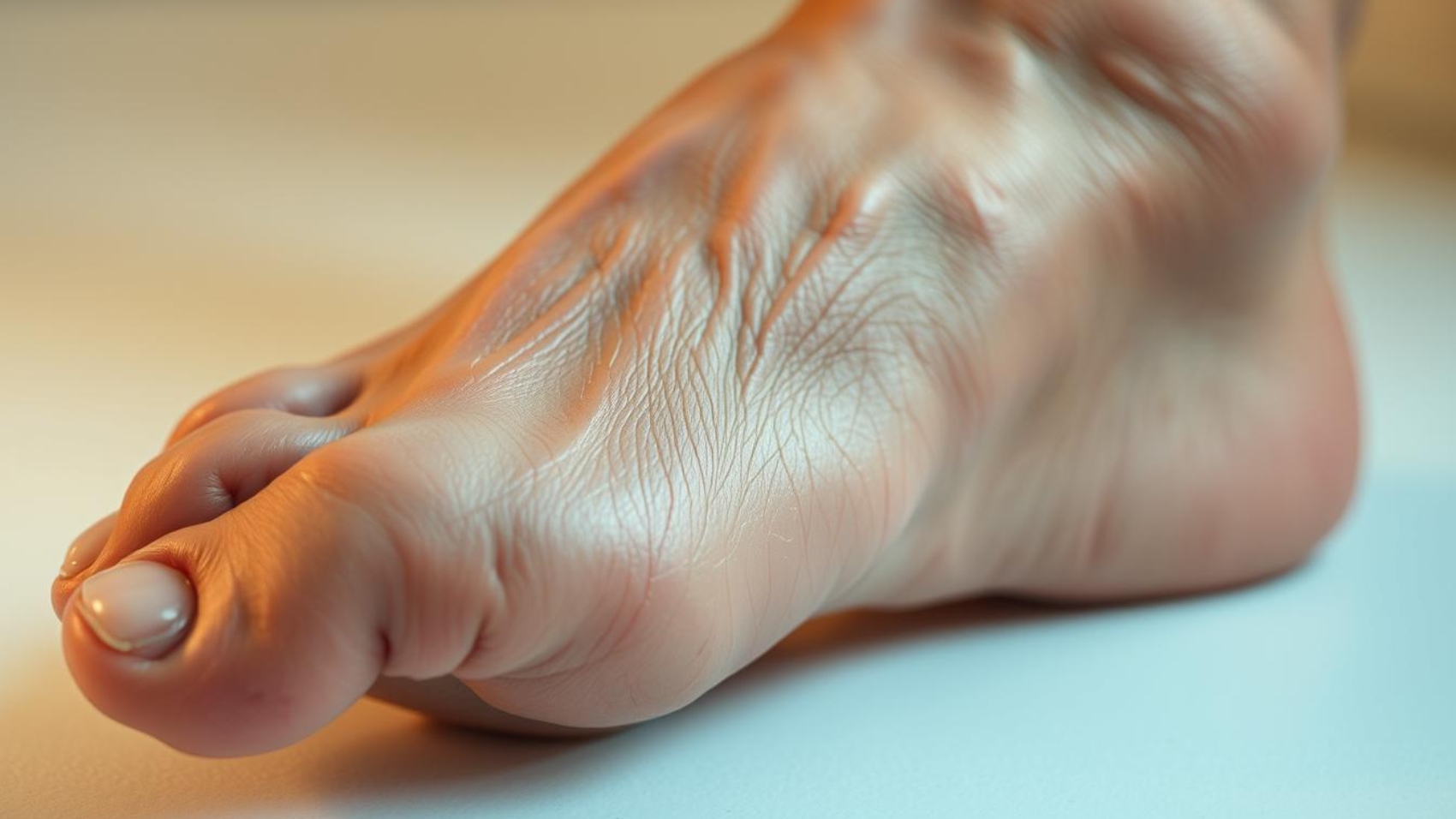
Dominion Mobile Wound Care presents a clear, practical guide that helps people with diabetes protect each foot at home. The guide explains simple daily habits that reduce risk over time and fit into busy lives.
The article notes that 15–25% of people with diabetes may develop an ulcer in their lifetime, and every 30 seconds an extremity is amputated globally due to related complications. Treating a minor wound can cost thousands, while late-stage care after amputation can exceed six figures.
This short how-to resource shows step-by-step actions to check skin, manage circulation and nerves, and limit trauma to the soles and toes. It also explains when at-home care is enough and when to call a professional fast.
Readers are invited to hire Dominion Mobile Wound Care if a wound appears or if they want expert help to keep small issues from becoming large problems.
Key Takeaways
- Simple daily checks and safe hygiene lower long-term risk.
- Early spotting of small changes matters for faster healing.
- Proper footwear and gentle routines reduce pressure and trauma.
- Costs rise sharply when minor wounds become severe.
- Dominion Mobile Wound Care can provide fast, on-site support.
Why preventing foot ulcers matters now: risks, costs, and what’s at stake
When nerves and blood flow are impaired, minor injuries can escalate into major health and financial burdens. Every 30 seconds a limb is amputated worldwide because of complications that often start as small sores.
The numbers are striking: a lifetime chance of an ulcer sits around 15–25%, and over 70% of patients see a recurrence within five years. Treating an early wound can cost a few thousand dollars, but costs may exceed six figures when an amputation occurs.
- Common factors include neuropathy, peripheral arterial disease, prior wounds or amputation, poor glucose control, smoking, and obesity.
- Simple daily checks and fast action stop many small wounds from becoming severe complications.
- Early care can prevent up to 85% of amputations linked to these wounds.
Preventing harm now saves mobility, reduces rehospitalization, and protects independence. For help treating a new wound or to set up regular on-site support, hire Dominion Mobile Wound Care to act quickly and lower long-term risk.
Daily at-home foot checks that catch problems early
A simple at-home exam can reveal early signs of trouble on the soles and toes. A short routine each day helps people spot changes before they become serious. Good light and a handheld mirror make viewing the plantar surface, heels, and between toes easier.

How to inspect soles, heels, toes, and between toes
Set a consistent day and time to check both feet. Sit comfortably, use a mirror for the plantar surface, and lift each heel to inspect the edges and nails.
Ask a caregiver to help if bending or vision is limited. Gently dry between toes after washing to avoid interdigital maceration and fungal problems.
Early warning signs to watch for
Look for redness, new cracks, scaly or dry skin, callus with a hard halo, or any drainage that soils socks. Smell for odor and note hot spots or changes in toenail edges.
Pay attention to new numbness, tingling, burning, or reduced sensation — neuropathy can hide injury and allow small wounds to worsen.
When to contact a clinician
If there is active drainage, spreading redness, warmth, rapidly worsening pain, or a new open area, contact primary care the same day. Persistent sores or signs of infection deserve a podiatrist or wound specialist prompt review.
- Document findings on a simple checklist each day.
- Avoid hot soaks and heating pads; test bath water with the elbow.
- Invite mobile evaluation if anything seems abnormal — Hire Dominion Mobile Wound Care for fast on-site assessment and peace of mind.
Skin and nail care that protects against infection and complications
A short, consistent hygiene routine protects skin and nails and reduces infection risk around the toes. Good daily care keeps skin soft, lowers pressure spots, and helps spot trouble early.
Safe washing and moisturizing
Wash the feet at least once a day in lukewarm water and verify the water with the elbow or forearm. Dry carefully, paying special attention to the spaces between toes to avoid maceration and infection.
- Keep water below 37°C and test before use.
- Apply a urea-based cream to dry plantar skin only; do not put cream between toes.
- Change to clean, breathable socks each day and turn seams outward.
Nails and callus management
Trim nails straight across with a sanitized clipper and smooth edges with a gentle file. Avoid rounded trims that can create ingrown edges and painful toe irritation.
- Never use chemical pads or harsh agents on calluses.
- Skip bathroom razors for callus removal; ask a clinician about safe reduction if thickened areas persist.
- Set a simple day and time for nail care to keep a steady routine.
Inspect skin after bathing for new cracks, scaling, or color change and act quickly if anything looks abnormal. For persistent thick nails, painful toe edges, or recurring calluses, hire Dominion Mobile Wound Care for professional trimming and safe on-site management.
Footwear and socks at home: your first line of defense
Wearing protective shoes indoors and choosing the right socks reduces daily risk for the toes and plantar surface. Simple choices cut rubbing, hidden pressure, and moisture that can lead to skin breakdown or infection.
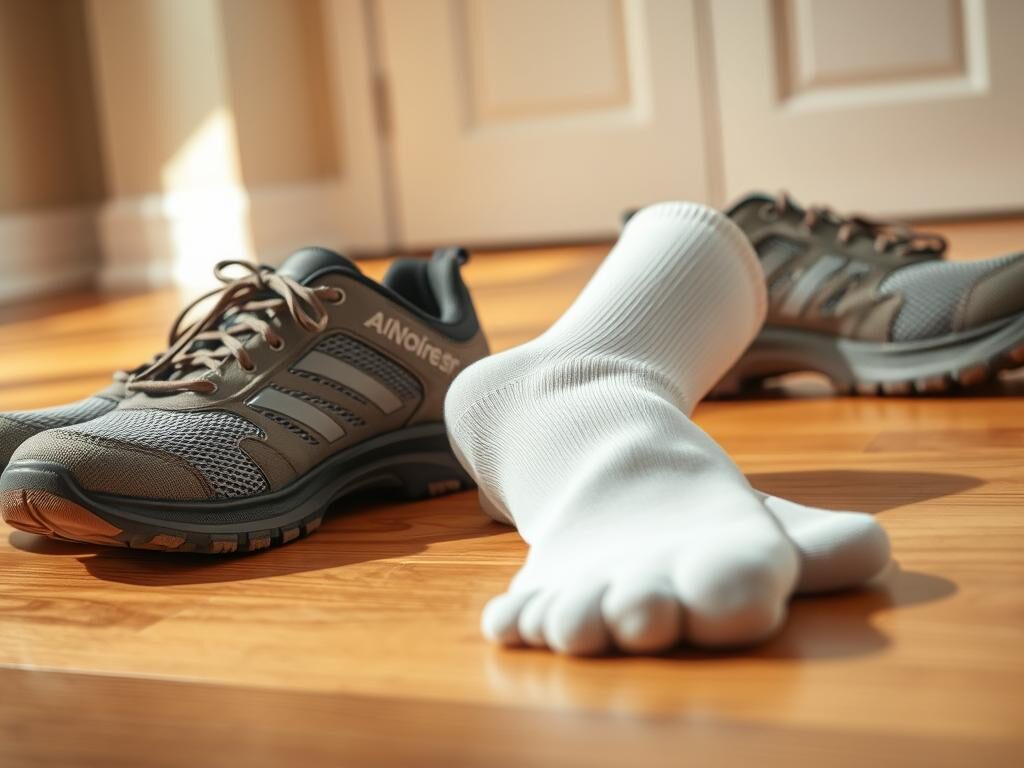
Fit checklist: enclosed toe, cushioned insoles, no tight seams, inspect shoes daily
Wear protective shoes at home, not just outside. A closed toe box shields the forefoot from bumps and lowers the chance of a small wound becoming worse.
Select shoes with cushioned insoles and enough depth so toes do not rub. A firm heel counter adds stability while a soft upper reduces shear on the foot.
- Inspect the inside daily for pebbles, ridges, or worn insoles that increase pressure.
- Pair shoes with breathable, non-tight socks and turn seams outward to limit friction.
- Change footwear right away if calluses or new rubbing appear to offload the plantar area.
For deformities or prior problems, consider specialty footwear or custom insoles. Dominion Mobile Wound Care recommends protective choices and offers expert fitting and on-site guidance. Hire Dominion Mobile Wound Care for help if a wound or persistent spot appears.
Diabetic foot ulcer prevention at home: seven practical tips that improve blood flow and reduce pressure
Seven easy actions at home focus on better circulation, lower pressure, and safer skin. These steps help protect tissue, cut infection risk, and support healing when small problems appear.
Manage glucose, blood pressure, and lipids consistently to lower risk
Keep glycemic control and routine follow-up. Stable diabetes management supports microcirculation and helps tissue repair.
Monitor blood pressure and cholesterol as part of care. Healthier arteries improve blood flow to the legs and feet.
Stop smoking and avoid heat sources; protect feet indoors and outdoors
Quit smoking and avoid secondhand smoke. Tobacco narrows vessels and reduces oxygen, which worsens pressure-related harm.
Avoid heating pads, hot soaks, and close contact with space heaters. Sensory loss can hide burns and allow serious injury.
- Wear protective shoes inside and outside; use cushioned insoles to disperse pressure.
- Add gentle daily activity—short walks, ankle pumps, and calf stretches—to boost local flow.
- Rotate shoes and offload sore spots; use padding or rest when areas become callused or painful.
Dominion Mobile Wound Care promotes these seven simple actions and offers mobile support for early intervention. Hire Dominion Mobile Wound Care to assess concerns, treat small wounds, and guide safe home care.
Know your risks and tests: neuropathy, PAD, and when imaging helps
Knowing which tests to request can speed diagnosis when sensation or blood flow changes appear in the toes or forefoot. Annual comprehensive exams should check pulses, neurologic status, and risk classification to spot early problems.
Who to contact
Start with primary care for new numbness, burning, or reduced sensation. They can arrange baseline tests and urgent referrals.
See a podiatrist for persistent callus, a nonhealing sore, or repeated toe edge problems. A podiatrist can trim, offload pressure, and manage minor wounds.
Ask for vascular surgery review when pulses are faint, ABI or toe pressures are abnormal, or an ulcer fails to heal. Wound specialists join teams for complex cases.
What tests can show
A 10 g monofilament screens protective sensation and detects neuropathy early. Loss of sensation raises the risk for future wounds and unnoticed trauma.
- ABI (ankle‑brachial index): ABI < 0.80 is abnormal; < 0.45 suggests severe ischemia.
- Toe systolic pressure: < 45 mm Hg indicates poor perfusion to the toes.
- X‑ray, MRI, or CT: imaging helps find bone involvement or deep infection when probe‑to‑bone, persistent drainage, or odor is present.
Act fast if redness spreads, night pain increases, or a toe becomes pale on elevation—these signs may point to arterial disease and greater amputation risk.
Dominion Mobile Wound Care coordinates with primary care, podiatry, vascular surgery, and imaging services to speed tests and treatment. Hire Dominion Mobile Wound Care for on‑site evaluation and a coordinated plan to heal wounds sooner.
Conclusion
Acting early when a sore or new redness appears often keeps care simple and healing fast.
Early detection and proper treatment can prevent up to 85% of amputations linked to these conditions. Regular checks, safe hygiene, good shoes, and timely tests lower risk and protect toes, skin, and overall mobility.
Keep a short daily checklist, inspect shoes weekly, and call a podiatrist or primary clinician for any drainage, spreading redness, or increased pain.
Hire Dominion Mobile Wound Care to help heal their wounds. They offer on‑site evaluation, prompt treatment, and clear follow‑up to keep recovery short and complications rare.
FAQ
What are simple daily checks to spot problems early?
They should inspect soles, heels, toes, and between toes with a hand mirror if needed. Look for redness, drainage on socks, unusual odor, new calluses, cracks in skin, pain or new numbness. Check inside shoes each day for debris or uneven wear that could cause pressure points.
How often should someone perform these at-home inspections?
A daily quick check is recommended. If they notice any change — such as drainage, increased warmth, spreading redness, or persistent pain — they should contact primary care, a podiatrist, or a wound specialist promptly.
What water temperature and washing routine is safest?
Use warm, not hot, water and a gentle soap. They should dry thoroughly, especially between toes, to prevent maceration. Urea-based creams can be applied to dry skin but should be kept away from interdigital spaces.
How should nails and calluses be managed at home?
Trim nails straight across and file sharp edges. Avoid cutting into corners or using chemical pads or harsh agents on calluses. If calluses become painful or thick, refer to a podiatrist rather than attempting aggressive removal at home.
What footwear and sock features reduce pressure and injury risk?
Choose shoes with an enclosed toe box, cushioned insoles, smooth linings, and no tight seams. Socks should fit well, wick moisture, and have no tight elastic. They should inspect shoes daily for foreign objects and uneven wear.
Which lifestyle steps help improve blood flow and lower risk?
Consistent control of glucose, blood pressure, and lipids reduces complications. Quitting smoking and avoiding direct heat sources, like hot water bottles or space heaters, protects skin. Regular gentle activity that improves circulation also helps.
When should someone call a clinician rather than wait?
Call primary care, a podiatrist, or wound care if they see drainage, spreading redness, fever, new or worsening pain, loss of sensation, or any wound that does not show improvement within a few days. Immediate care is needed for suspected deep infection or bone involvement.
What tests help assess risk or diagnose problems?
Sensation testing with a 10-gram monofilament checks neuropathy. An ankle‑brachial index (ABI) assesses peripheral arterial disease and blood flow. X-ray or MRI may be ordered if clinicians suspect deep infection or bone involvement.
Who should be on the care team for higher-risk patients?
Care often involves primary care physicians, podiatrists, vascular surgeons for blood flow issues, and wound care specialists. Coordination with endocrinology, physical therapy, and diabetes education improves long-term outcomes.
How can shoes be adapted at home to reduce pressure?
They can use cushioned insoles, seamless socks, and off-the-shelf orthotic inserts that distribute pressure. Ensure any modification does not create new tight spots; a podiatrist or certified pedorthist can fit custom options when needed.
Are there warning signs that suggest immediate risk of amputation?
Signs include spreading infection, gangrene, severe ischemia (cold, pale limb), and lack of response to initial treatment. These require urgent evaluation by vascular surgery and wound care to preserve tissue and limb function.