

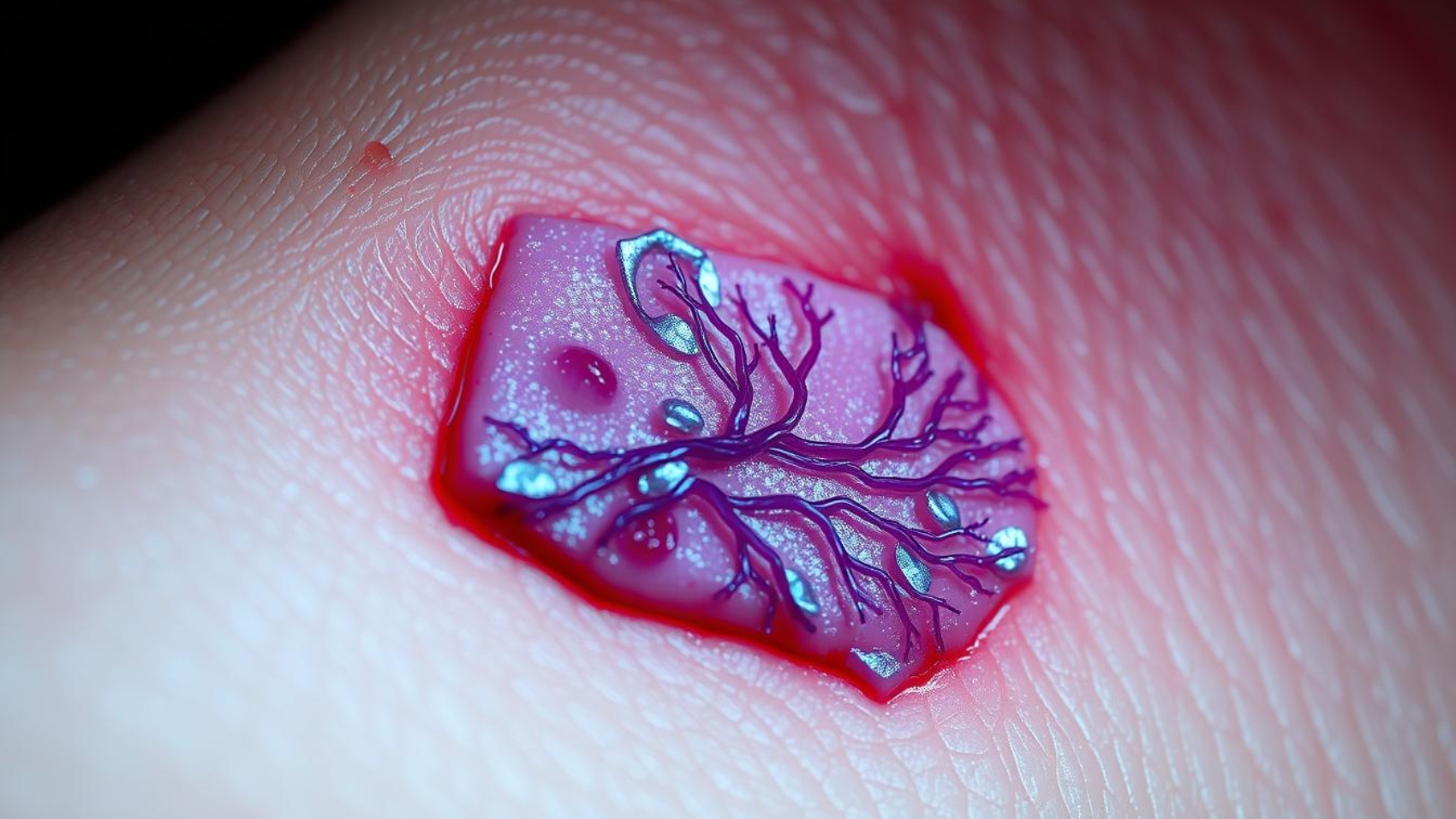
When you have a wound, taking good care of it is key for healing. But sometimes, complications can arise, slowing down the healing. Knowing about these issues helps your wound heal right.
As you go through wound recovery, watching out for tissue damage is important. If wound care is tough, get help from experts like Dominion Mobile Wound Care.
Key Takeaways
- Proper wound care is vital for healing.
- Complications can happen during recovery.
- Knowing about these issues helps healing.
- Tissue damage is a big problem to watch for.
- Professional help is there for wound care.
Understanding the Wound Healing Process
When you get hurt, your body starts the wound healing process. This complex process is key to fixing damaged tissue and getting back to normal. Knowing the stages of healing and what affects it can help spot problems early.
The Four Stages of Normal Wound Healing
The healing process has four stages: hemostasis, inflammation, proliferation, and remodeling. Hemostasis is the first stage where your body stops the bleeding. Then, inflammation kicks in, with your immune system cleaning the wound and fighting off infection.
The proliferation stage is about rebuilding tissue. New collagen and tissue start forming here. Lastly, in the remodeling stage, the new tissue gets stronger and more organized, like the original tissue.
What Constitutes a “Normal” Recovery Timeline
The time it takes to heal can vary a lot. It depends on the wound’s size and depth, and your age and health. Small wounds might heal in days or weeks, but bigger ones can take months.
Watching your wound and knowing the signs of trouble is key. Dominion Mobile Wound Care experts say knowing these timelines helps catch any problems early.
Factors That Influence Healing Speed
Many things can affect how fast a wound heals. Circulation is very important, as it brings oxygen and nutrients to the wound. Other factors include nutrition, age, and underlying health conditions like diabetes or vascular disease.
- Nutrition: Eating enough proteins, vitamins, and minerals is vital for healing.
- Age: Older people might heal slower because of less circulation and other age-related issues.
- Underlying Health Conditions: Conditions like diabetes can slow healing by affecting blood sugar and circulation.
By knowing these factors and stages, you can better track your wound’s healing. This helps spot any issues that might need professional help.
Common Home Wound Complications You Might Miss
When you’re healing a wound at home, it’s important to watch for complications. Many wounds heal well, but knowing the signs of trouble can help. This way, you can catch problems early and recover faster.
Subtle Signs of Infection Often Overlooked
Infection is a big risk when you’re healing a wound. But not all signs are easy to spot. Look out for:
- Increased redness around the wound site
- Swelling that doesn’t get better when you elevate it
- Pain that gets worse over time
- Unusual discharge or a bad smell from the wound
If you see any of these signs, get help from a doctor. Dominion Mobile Wound Care can offer advice and treatment.
Delayed Healing: When to Be Concerned
Wounds usually heal in a certain amount of time. But sometimes, they heal slower. Things that can slow healing include:
| Factor | Description | Impact on Healing |
|---|---|---|
| Poor Circulation | Less blood flow to the wound area | Slows down the delivery of oxygen and nutrients |
| Infection | Bacteria or other pathogens in the wound | Causes more inflammation and slows healing |
| Nutritional Deficiencies | Not enough vitamins and minerals | Makes it harder for the body to fix the tissue |
If your wound isn’t getting better, get professional help. They can find and fix any problems.
Pain Patterns That Signal Problems
Pain is normal when you’re healing, but some patterns mean trouble. Watch for:
- Increasing pain over time
- Sharp or stabbing pain that wasn’t there before
- Pain that spreads beyond the wound site
These pain signs could mean infection, nerve damage, or other serious issues. You should see a doctor right away.
Infection: The Most Dangerous Complication
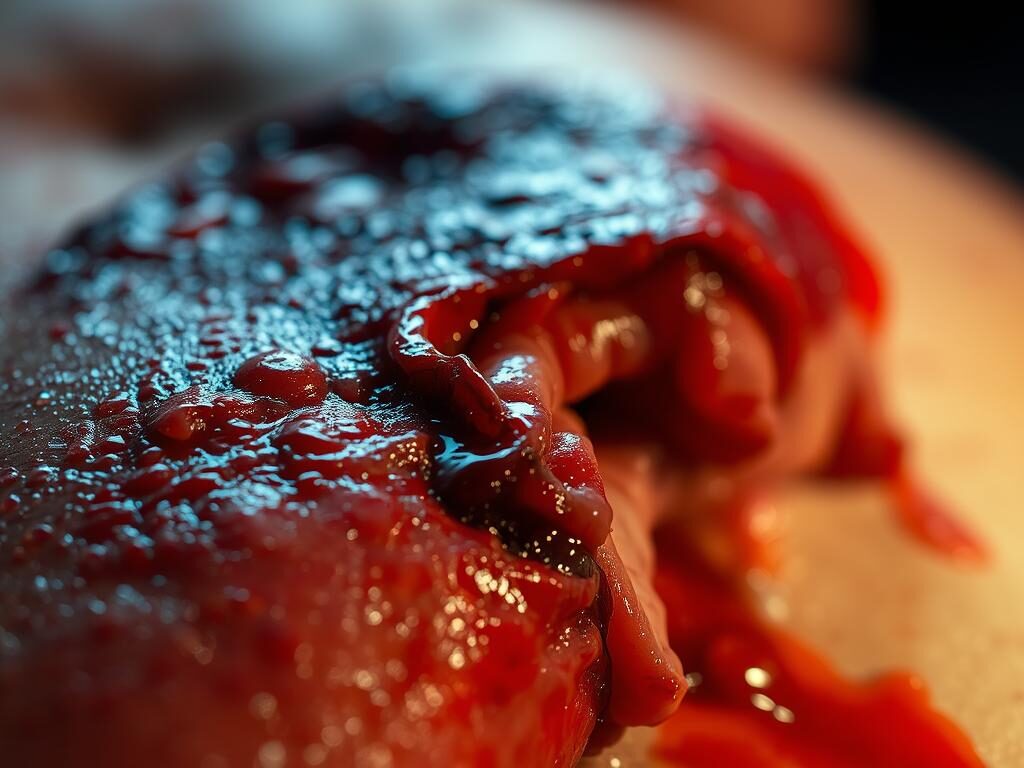
When you have a wound, infection is a big worry. It can slow down healing, cause more pain, and even be dangerous. Knowing the signs of infection is key to healing right.
Early Warning Signs of Wound Infection
Spotting infection signs early is very important. Look out for:
- Increased redness and swelling around the wound site
- Warmth or tenderness to the touch
- Pus or discharge, which may have a foul odor
- A fever, indicating that your body is fighting an infection
Types of Wound Infections and Their Symptoms
Wound infections come from different causes like bacteria, viruses, and fungi. The symptoms depend on the infection type:
- Bacterial infections often cause increased redness, swelling, and pus
- Fungal infections may result in a white, cheesy discharge or a foul odor
Knowing the infection type helps choose the right treatment.
How Infections Can Spread Beyond the Wound Site
Untreated infections can spread, causing bigger health problems. These include:
- Cellulitis, a bacterial infection of the skin and underlying tissues
- Sepsis, a life-threatening condition that occurs when the infection enters the bloodstream
- Osteomyelitis, an infection of the bone that can result from deep or untreated wounds
Watching your wound closely and getting help if you think it’s infected is vital. Dominion Mobile Wound Care can help manage infections and aid in recovery.
Tissue Damage Complications
Wound healing can face challenges from tissue damage, like necrosis and maceration. These issues can slow down recovery. It’s key to know what causes them and how to spot them.
Necrosis: Causes and Identification
Necrosis happens when tissue dies because it lacks blood. It can be caused by injury, infection, or poor blood flow. Spotting necrosis early is vital to avoid more damage.
Look out for these signs of necrosis:
- Discoloration of the skin, turning black or dark brown
- Coldness to the touch
- Pain or numbness in the affected area
- A foul odor from the wound
If you see these signs, get medical help fast. Dominion Mobile Wound Care experts can help manage necrosis and aid in healing.
Maceration: When Wounds Get Too Wet
Maceration happens when skin gets too wet, making it soft and break down. This can be due to too much drainage, bad dressing, or being wet for too long.
Watch for these maceration signs:
- Soft, white, or soggy skin around the wound
- Periwound skin that is fragile and easily damaged
- Increased risk of infection due to the compromised skin barrier
To manage maceration, control moisture and use the right dressings to keep the environment balanced.
Tissue Adhesion and Scarring Issues
Tissue adhesion happens when healing tissue sticks together, which can cause more harm when removed. Scarring can also occur, affecting how the area looks and works.
| Complication | Causes | Consequences |
|---|---|---|
| Tissue Adhesion | Inadequate wound care, improper dressing | Further tissue damage, delayed healing |
| Scarring Issues | Deep wounds, improper wound closure | Aesthetic concerns, functional impairment |
Good wound care and help from Dominion Mobile Wound Care can reduce these problems. This ensures a smoother healing journey.
Circulation Issues That Compromise Healing
Circulation problems can really slow down wound healing. It’s key for bringing oxygen and nutrients to the wound. Without good circulation, wounds may not get what they need to heal.
Signs of Poor Blood Flow to Wound Areas
Poor blood flow can really slow down healing. Look for cool skin, pale color, and weak pulses. Slower capillary refill is another sign of poor blood flow.
If you see these signs, get help from a doctor. Places like Dominion Mobile Wound Care can check and fix circulation problems.
How Swelling Affects Wound Recovery
Swelling can also slow down healing. It puts pressure on the wound and tissues. This pressure can block blood flow and nutrients.
To fight swelling, try elevating the limb, using compression, or other methods. These can help wounds heal better.
Vascular Complications in Chronic Wounds
Chronic wounds face big challenges with blood flow. Conditions like PAD can make healing even harder.
Knowing about vascular problems in chronic wounds is important. Doctors at Dominion Mobile Wound Care can help with these complex issues.
Chronic Wound Development
Dealing with a wound that won’t heal can be tough. Chronic wounds affect your health and happiness. They can make life hard.
When Acute Wounds Become Chronic Problems
Acute wounds usually heal quickly. But, if they don’t, they can turn into chronic wounds. This happens because of health problems or complications that slow healing.
Things like poor circulation, infection, or irritation can make wounds chronic. Knowing these causes helps manage them better.
Risk Factors for Developing Non-Healing Wounds
Some health issues and lifestyle choices raise the risk of chronic wounds. Diabetes, vascular disease, and obesity are big risks. They affect blood flow and healing.
- Diabetes: It messes with glucose levels, slowing healing.
- Vascular disease: It cuts off blood flow, making repair hard.
- Obesity: It puts pressure on wounds, making healing tough.
The Psychological Impact of Chronic Wounds
Chronic wounds can really get to you. They cause frustration, anxiety, and depression. This is because they last forever and limit your life.
But, help from places like Dominion Mobile Wound Care can help a lot. They provide care that helps both your body and mind.
Special Considerations for Diabetic Wounds
Managing diabetic wounds starts with knowing how they heal. These wounds are a big worry because of issues like neuropathy and poor blood flow. These problems can really slow down healing.
Why Diabetic Wounds Heal Differently
Diabetic wounds heal slower for many reasons. Neuropathy, or nerve damage, makes it hard to feel pain. This means injuries can go unnoticed. Also, poor circulation doesn’t bring enough oxygen and nutrients to the wound.
High blood sugar levels also slow healing. They damage blood vessels and make it harder to fight off infections. Keeping your blood sugar in check is key to healing wounds.
Hidden Dangers in Diabetic Foot Ulcers
Diabetic foot ulcers are a big problem. They can start from small injuries or pressure points, unnoticed because of neuropathy. If not treated, they can cause serious infections and even amputation.
Knowing the infection warning signs is vital. Look for increased redness, swelling, or pus. Regular foot checks and early medical help can stop serious issues.
Monitoring Techniques for Diabetic Wound Care
Watching your wounds closely is important. Check for signs of infection or slow healing. Always use a clean, sterile area when checking your wounds to avoid infection.
- Keep the wound clean and dressed right.
- Watch for changes in wound size, color, or discharge.
- Control your blood sugar to help healing.
Understanding diabetic wounds and using the right care can help a lot. For expert help, contact Dominion Mobile Wound Care.
Medication and Treatment Complications
Medications and treatments in wound care can sometimes cause problems. These issues are not always expected. They need to be fixed quickly.
When Antibiotics Aren’t Working
Antibiotics are key in wound care to fight infections. But, they might not work sometimes. This could be due to antibiotic resistance, wrong dosage, or a different infection.
Signs that antibiotics aren’t working include:
- Increased redness and swelling around the wound
- Persistent or increased pain
- Continued drainage or pus
- Fever or chills
Allergic Reactions to Wound Care Products
Allergic reactions to wound care products can slow healing. These reactions can be mild or severe. They might need quick medical help.
Common allergens in wound care products include:
- Latex
- Certain antibiotics
- Adhesives
- Topical creams or ointments
Medication Interactions That Affect Healing
Medication interactions can really affect wound healing. Some drugs can slow healing or cause more problems.
| Medication Type | Potential Effect on Wound Healing |
|---|---|
| Corticosteroids | Can slow healing by reducing inflammation |
| Chemotherapy drugs | Can impair healing by affecting cell division |
| Nonsteroidal anti-inflammatory drugs (NSAIDs) | Can affect clotting and inflammation |
Knowing about these complications can help manage wound care better. If you think there’s a problem with your medications or treatments, talk to your healthcare provider. They can help adjust your treatment plan.
Environmental Factors Affecting Home Wound Recovery
Your home environment can either help or hurt your wound recovery. It’s important to know what factors can affect healing. Several environmental elements can either help or hinder the healing process.
Humidity and Temperature Considerations
Keeping your home’s humidity and temperature right is key for wound healing. High humidity can lead to maceration, making the skin around the wound too moist. This can cause more damage. On the other hand, low humidity can cause dryness, slowing down healing.
Extreme temperatures can also affect blood flow to the wound. Cold temperatures can reduce circulation. High temperatures can increase inflammation.

| Environmental Factor | Ideal Condition | Impact on Wound Healing |
|---|---|---|
| Humidity | 40-60% | Optimal moisture balance for healing |
| Temperature | 68-72°F (20-22°C) | Promotes normal healing processes |
Household Contaminants That Impair Healing
Household contaminants can harm wound healing. Dust, pet dander, and smoke are common culprits. Keeping your home clean and avoiding these contaminants can help prevent infection and support healing.
- Dust: Regularly clean surfaces and change air filters.
- Pet dander: Frequent vacuuming and grooming pets can help.
- Smoke: Avoid smoking and secondhand smoke exposure.
Creating an Optimal Healing Environment
To create a healing environment, consider these steps:
- Maintain a clean and dust-free home.
- Regulate humidity and temperature levels.
- Minimize exposure to irritants.
By making these simple changes, you can improve wound healing. For more complex wounds, seek help from professionals like those at Dominion Mobile Wound Care for personalized advice.
When to Seek Professional Help for Your Wounds
It’s important to know when to get help for your wound. Some wounds can be treated at home. But, some need medical help right away to avoid more problems.
Red Flags That Require Immediate Medical Attention
Knowing the signs of a wound problem is key. Look out for:
- Increased pain or tenderness around the wound site
- Swelling or redness that gets worse over time
- Pus or discharge that is thick, cloudy, or smells bad
- A foul smell that keeps coming back, even with good care
- A wound that’s not healing or getting better
If you see any of these signs, get help fast. Dominion Mobile Wound Care is great at treating tough wounds. They can help you heal faster.
Benefits of Professional Wound Assessment
A pro can find issues that slow healing. The benefits are:
- Right diagnosis of wound problems
- Custom treatment plans for you
- Use of the latest wound care tools and methods
Getting professional care early can make a big difference. It helps fix problems fast and gets you better sooner.
How Dominion Mobile Wound Care Can Help
Dominion Mobile Wound Care brings expert care to you. This makes recovery easier and more comfortable. Their team handles all kinds of wounds, giving you top-notch care.
Choosing Dominion Mobile Wound Care means you get:
- Expert assessment and treatment plans
- Personal care that fits your wound needs
- Easy service that cuts down on hospital visits
If your wound is giving you trouble, don’t wait. Dominion Mobile Wound Care is ready to help you heal.
Conclusion: Ensuring Successful Wound Recovery at Home
Proper wound care at home is key for a successful recovery. Understanding how wounds heal and knowing about possible problems helps a lot. It’s important to watch your wound for signs of infection or damage.
To care for your wound well at home, keep the dressing dry for 48 hours. If it gets wet, change it. After 48 hours, you can shower with waterproof dressings. Just gently pat your skin dry. Watch for signs like more pain, redness, swelling, or bad smells. These could mean something’s wrong. For more info on wound care after the hospital, check out Dominion Mobile Wound Care.
If you notice anything odd or have questions, get professional advice. Dominion Mobile Wound Care is ready to help you heal. By following the right steps and getting help when needed, you can recover well and avoid complications.
FAQ
What are the signs of infection in a wound?
Signs of infection include redness, swelling, warmth, or pus around the wound. You might also notice a foul odor or fever. If you see these symptoms, get medical help right away.
How long does it take for a wound to heal normally?
Healing time varies based on the wound’s size, depth, and location, and your health. Generally, healing starts within a few days to a week.
What factors can influence the speed of wound healing?
Healing speed can be affected by circulation, nutrition, age, and health conditions like diabetes. Poor circulation, in particular, can slow healing down a lot.
What is necrosis, and how is it identified?
Necrosis is when tissue dies due to lack of blood or infection. It’s identified by black or dark brown tissue around the wound, often with a foul smell.
How can I prevent tissue damage complications?
To prevent complications, keep the wound clean and dry. This helps avoid issues like necrosis and maceration.
What are the risks associated with diabetic foot ulcers?
Diabetic foot ulcers can lead to serious issues like infection, amputation, and even death if not treated or managed well.
How can I create an optimal healing environment at home?
For a good healing environment, keep the wound area clean and dry. Also, maintain a comfortable temperature and avoid contaminants.
When should I seek professional help for my wound?
Get professional help if you see signs of infection, delayed healing, or have a chronic wound. Dominion Mobile Wound Care offers expert care and advice.
What are the benefits of professional wound assessment?
Professional assessment can spot complications early, offer personalized care, and improve healing chances.
Can certain medications affect wound healing?
Yes, some medications like steroids and certain antibiotics can affect healing. Always talk to your healthcare provider about your meds.
How can circulation issues affect wound healing?
Poor circulation can block oxygen and nutrients to the wound. This can cause delayed healing or chronic wounds.