Discover essential San Antonio caregivers’ wound care tips to help your loved ones heal. Hire Dominion Mobile Wound Care to provide expert care.


Promoting Healthy Skin
Discover essential San Antonio caregivers’ wound care tips to help your loved ones heal. Hire Dominion Mobile Wound Care to provide expert care.

Dominion Mobile Wound Care offers a clear, practical guide to help families support a loved one who is mostly confined to bed. People who are immobile face a higher risk of pressure injuries because constant pressure, friction, and moisture can harm fragile skin.
This introduction explains how simple daily routines and smart positioning reduce pressure on vulnerable areas. It also stresses early detection of small changes in color or warmth so they can act before problems progress.
The guide covers immediate offloading, gentle cleansing, appropriate removal of nonviable tissue, and choosing dressings that promote healing and a balanced moisture level. It highlights nutrition, hydration, pain control, and when to seek clinical help.
Families who follow these steps can lower complications and support overall health at home. To bring expert support directly to the residence, hire Dominion Mobile Wound Care to help heal their wounds.
Sustained pressure and friction silently starve skin of oxygen, making certain areas especially vulnerable.
When someone stays in one position, constant pressure compresses tiny vessels and reduces blood flow. That deprives skin and deeper tissue of oxygen and nutrients and starts tissue breakdown.
These problems can develop in just a few hours without movement, especially in older adults or those with poor nutrition. Dominion Mobile Wound Care can assess the home, identify high-risk parts and positions, and set up tailored prevention plans to lower the risk of bedsores.
Early color shifts and subtle texture changes often signal a developing bedsore before open skin appears. Prompt recognition helps limit severity and prevent deeper pressure ulcers.
When to act: Any sudden increase in pain, warmth, swelling, drainage, or odor needs urgent evaluation to limit infection and preserve skin integrity. Dominion Mobile Wound Care can perform bedside assessments to stage the injury accurately and guide next steps.
Act quickly to shift weight away from the affected area and lower ongoing strain. Prompt offloading helps stop further damage and supports skin recovery.
Prop the limb or nearby area using pillows or foam cushions to redistribute pressure. Place a soft pad under the lower legs so the heels float and do not touch the bed surface.
Use smooth linens and remove folds in sheets and clothing to prevent added focal pressure on the skin. Lift and turn with draw sheets or mechanical aids rather than dragging the person, which reduces shear.

Ring-shaped pads concentrate force at their edges and can make pressure sores worse. Avoid these devices and choose broad, supportive foam wedges that spread load evenly.
A predictable turning schedule and smart angles reduce pressure and limit friction during repositioning.
Repositioning every two hours in a bed dramatically lowers the risk of pressure damage. Keep the head-of-bed at or below 30 degrees unless a clinician advises otherwise. That small limit reduces shear on the lower back and sacrum.
For people who use a wheelchair, encourage weight shifts every 10–15 minutes. If self-shifts are not possible, assist at least once each hour. Simple wheelchair “pushups” or leaning forward help unload sensitive spots.
Dominion Mobile Wound Care can design individualized turning schedules, demonstrate safe angles in the home, and coach family members so routines fit daily life without overwhelm.
A well-matched mattress system can reduce tissue stress and limit the chance of new ulcers forming. Choosing static or dynamic support depends on mobility, weight, and ulcer status.
High-density foam, gel, water, or air overlays spread load and are often the first step in prevention. These static surfaces lower pressure compared with standard mattresses and fit many home settings.
Alternating pressure, low-air-loss, and air-fluidized systems actively redistribute load and control microclimate. They are useful when someone cannot reposition or when ulcers are slow to heal.
Rule of thumb: if a caregiver can feel less than one inch of material under a bony prominence through the surface, consider an upgrade. Combine mattress choices with properly fitted chair cushions and consistent heel offloading.
Proper flushing and selective debridement keep the area clean while preserving new tissue. Use normal saline to irrigate ulcers with enough force to flush debris but not damage healthy tissue. A 35 mL syringe with a 19‑gauge catheter gives controlled pressure to clear contaminants from pressure sites.
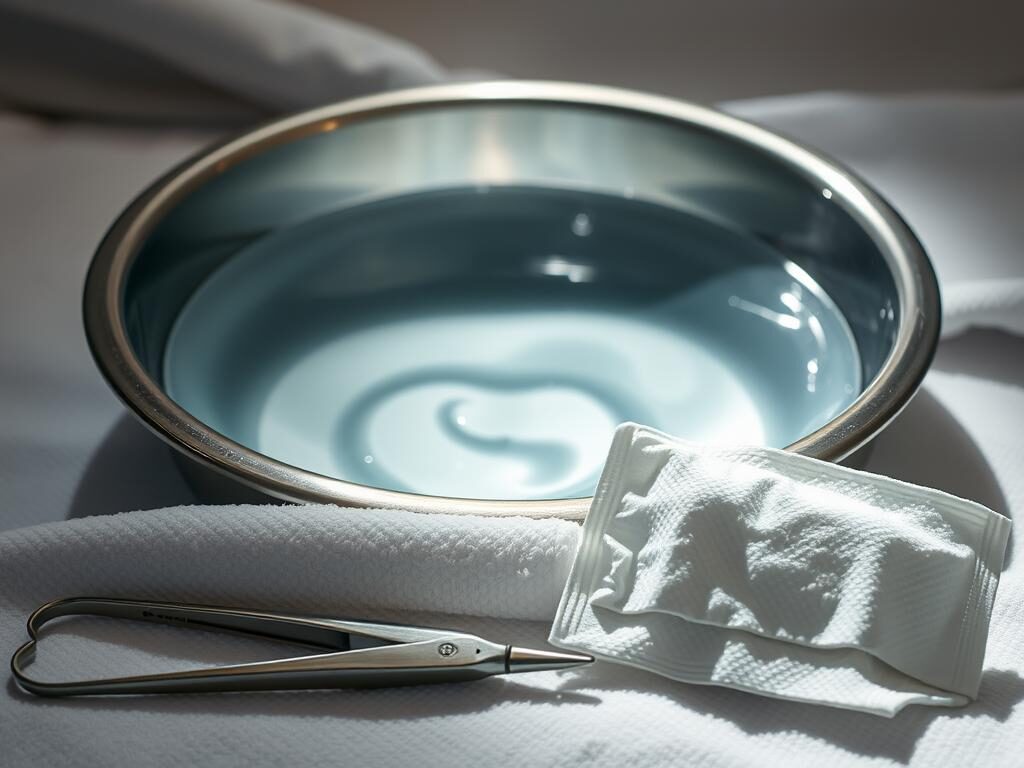
Irrigate with saline because antiseptics like povidone‑iodine or hydrogen peroxide harm granulation tissue and delay closure. Avoid agents that strip delicate tissue; they reduce healing potential and can increase infection risk.
Options include sharp, mechanical, enzymatic, and autolytic methods. Sharp removal suits thick eschar or suspected infection. Mechanical helps remove adherent debris; enzymatic or autolytic methods suit those who cannot tolerate sharp approaches.
Dominion Mobile Wound Care can perform or coordinate debridement, teach saline irrigation, and reassess the area frequently to detect changes that require a different plan.
The correct dressing balances wetness and protection to support gradual tissue regrowth. A moist environment helps autolytic debridement and encourages healthy granulation while avoiding maceration of the surrounding skin.
Light drainage and early stage ulcers do well with transparent films or hydrogels. These choices keep the area moist without heavy absorption.
Moderate to heavy drainage needs alginates or foams that absorb excess fluid and protect adjacent skin.
Saline-moistened gauze suits deep tracts or tunneling to prevent premature surface closure. Wet-to-dry is appropriate only as a debridement technique, not as a long-term strategy.
Dominion Mobile Wound Care can select and supply appropriate dressings by stage and exudate level, and train caregivers to change products as healing evolves.
Managing pain and spotting early infection signs at home keeps healing on track and avoids emergencies.
Plan ahead. Schedule turns and dressing changes around prescribed pain medicine or topical anesthetic so movement and procedures cause less discomfort.
Use pillows and wedges to reduce shear and pressure during moves. Gentle transfers help the skin settle quickly and lower the chance of added damage.
Watch for new odor, increased drainage, warmth, spreading redness, swelling, fever, or rising pain. These signals often mean infection and need prompt action.
Good nutrition and steady hydration are essential building blocks that speed healing and lower complications.
Aim for roughly 30–35 kcal per kg of body weight each day and about 1.25–1.5 g of protein per kg to support new tissue formation. Fluids matter too; target roughly 8–10 cups daily to help blood flow and temperature control.
Use vitamin C and zinc selectively when intake is low or deficiency is suspected. Evidence for routine supplementation is mixed, so a dietitian consult is advisable.
Control of diabetes and attention to vascular disease directly affects blood delivery to an ulcer site. Better glucose control reduces inflammation and speeds repair.
A clear, consistent plan ties pressure reduction, hygiene, nutrition, and monitoring into one effective path to recovery. This approach limits pressure and lowers the chance of pressure injuries while it helps promote healing and overall health.
Appropriate cleansing with saline, selective debridement, and moisture-balanced dressings create an environment that supports healing. Matching treatment to the ulcer or sore stage, and using proper support surfaces, reduces pressure and shear that worsen damage.
Pain control, infection surveillance, and nutrition complete a whole-person treatment plan. Families benefit when clinicians coordinate these steps and adjust strategies as needs change.
Dominion Mobile Wound Care brings skilled, in-home support and personalized plans. Hire Dominion Mobile Wound Care to help heal their wounds.
Pressure, friction, shear, and moisture all reduce blood flow to the skin and underlying tissue. When a person lies in one position for long periods, constant pressure over bony prominences like the heels, hips, tailbone, elbows, and shoulders compresses blood vessels. Friction and shear during sliding or repositioning strip and stretch fragile skin, and moisture from sweat, incontinence, or wound drainage softens tissue and raises risk of breakdown. Together these factors increase the chance of skin breakdown and ulcers.
Pressure injuries are described as Stage 1 through Stage 4, plus unstageable and deep tissue pressure injury. Stage 1 shows nonblanchable redness or persistent discoloration. Stage 2 involves partial-thickness loss with a shallow open area or blister. Stage 3 shows full-thickness tissue loss, possibly with fat visible. Stage 4 exposes deeper structures such as muscle or bone. An unstageable injury has full-thickness loss covered by slough or eschar so depth cannot be determined. Deep tissue injury appears as a purple or maroon area of damaged underlying tissue.
On light skin, red or blue patches that do not fade with pressure indicate early injury. On darker skin tones, early damage may look purplish, brown, or darker than surrounding skin and can feel warm, firm, or boggy. Loss of normal skin tension, increased pain, or a different texture (soft or hard) are important clues. When in doubt, treat the area as at risk and reduce pressure while seeking professional evaluation.
The first actions are to relieve pressure on the area, inspect and document the skin, and keep the area clean and dry. Use pillows, foam wedges, or dedicated heel protectors to offload the site. Avoid ring or doughnut cushions, which can increase shear and worsen tissue damage. If there is drainage, protect surrounding skin and consider contacting a clinician for assessment and dressing recommendations.
Ring or doughnut cushions concentrate pressure on the wound edges and increase shear forces on surrounding skin. That uneven pressure reduces blood flow to adjacent tissue and can enlarge an ulcer. Safer alternatives distribute weight more evenly, such as specialty foam or air cushions designed for pressure redistribution.
Repositioning every two hours is a standard for people at high risk, but individual plans may vary. Caregivers should avoid directly elevating the head of the bed above 30 degrees for long periods when pressure on the sacrum is a concern; using 30-degree side-lying turns reduces shear over the coccyx. Use safe handling techniques and pillows or wedges to maintain the chosen position without sliding.
People who sit should perform pressure relief “push-ups” or forward leans every 10–15 minutes when they can, and get assistance to shift weight at least hourly if they cannot self-relieve. Proper cushion selection, frequent skin checks of the buttocks and heels, and avoiding prolonged forward flexion help prevent breakdown. Schedule regular transfers to a bed when feasible.
Keep skin dry by using absorbent briefs and moisture-wicking pads. Use gentle lifts rather than dragging when turning; a slide sheet or transfer device reduces friction and shear. Apply barrier creams to intact, moisture-exposed skin and change linens promptly if wet. Maintain good perineal hygiene after incontinence episodes to prevent maceration.
Static options include high-density foam, gel, and water overlays that redistribute weight. Dynamic systems—alternating pressure mattresses, low-air-loss, and air-fluidized beds—actively shift pressure and manage microclimate, aiding healing for established ulcers. Heel offloading boots and properly sized cushions and mattresses ensure targeted protection. Choose a surface based on ulcer severity, mobility, and clinician recommendation.
Upgrade when an ulcer fails to improve with standard repositioning and static supports, when multiple high-risk sites exist, or when mobility is very limited. Nonhealing ulcers, increasing wound depth, or significant pain and drainage warrant evaluation for alternating pressure or low-air-loss devices. Insurance coverage and clinician orders often guide the choice and funding.
Use normal saline irrigation to gently cleanse the area; avoid harsh antiseptics such as povidone-iodine (Betadine) or hydrogen peroxide, which damage healthy tissue. Debridement—removal of slough or necrotic tissue—can be done by sharp, mechanical, enzymatic, or autolytic methods under clinician direction. Caregivers should not attempt aggressive sharp debridement at home; trained professionals should perform it.
Stable, dry heel eschar that is hard, adherent, and without signs of infection often serves as a natural biological cover and may be left intact. Debridement of eschar on the heel can expose bone and increase infection risk. Clinicians assess vascular status and infection risk before recommending removal.
Match dressing type to the ulcer’s exudate level and tissue status. Low-exudate shallow ulcers may suit transparent films or hydrogels; moderate-to-high exudate wounds often need foams or alginates. Hydrocolloids support autolytic debridement for certain stages. When cavities exist, saline-moistened gauze or packing may be appropriate under clinician guidance. Regular assessment ensures dressings are changed before leakage or maceration occurs.
Schedule dressing changes at times when analgesics peak if short-acting medication is used. Use gentle technique, nonadherent dressings, and slow, supportive handling during turns. Topical analgesic dressings or local anesthetic sprays may be recommended by clinicians. Document pain levels and report any increase to the care team for adjustment of the plan.
Watch for increasing foul odor, new or worsening purulent drainage, spreading redness, rising warmth around the site, increased pain, swelling, and systemic signs like fever or chills. Rapid deterioration, exposed bone, or new malodorous necrotic tissue also require prompt evaluation by a healthcare professional.
Adequate calories, sufficient high-quality protein, and hydration are essential. Vitamin C and zinc support tissue repair; however, supplementation should follow clinical assessment. Encourage nutrient-dense meals, oral supplements if intake is poor, and address swallowing issues. Dietitians can tailor plans for people with diabetes, renal disease, or other comorbidities that affect nutrition.
Diabetes and peripheral vascular disease impair blood flow and immune response, slowing tissue repair and increasing infection risk. Tight glycemic control, smoking cessation, and optimizing cardiovascular health improve outcomes. Clinicians may coordinate wound management with endocrinology or vascular specialists when circulation or metabolic control is poor.