Discover the essential wound care supplies every home should have. Learn how to properly care for wounds and prevent infections. Hire Dominion Mobile Wound Care to help heal your wounds.


Promoting Healthy Skin
Discover the essential wound care supplies every home should have. Learn how to properly care for wounds and prevent infections. Hire Dominion Mobile Wound Care to help heal your wounds.
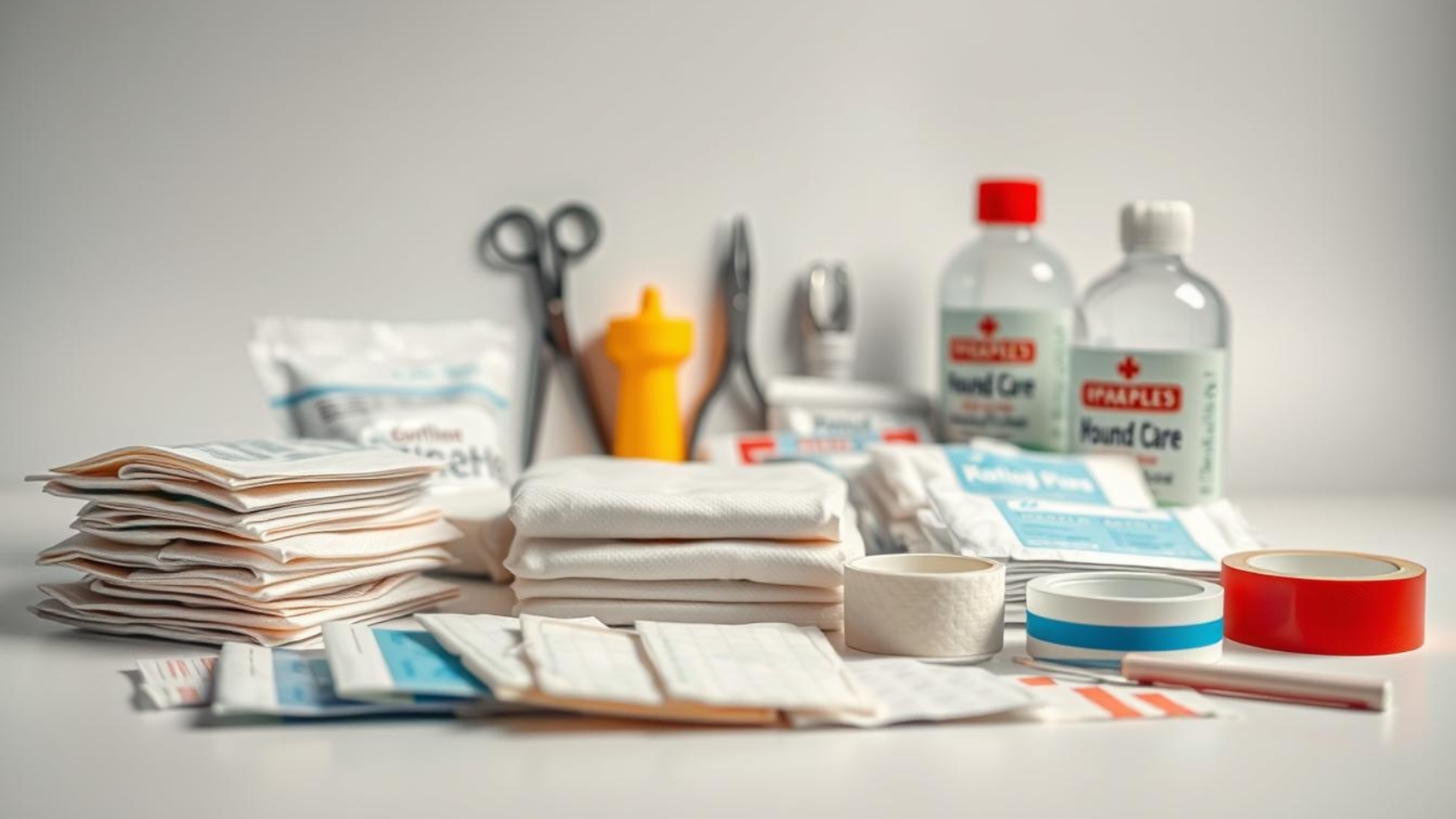
This guide outlines essential medical supplies and advanced products every household in the United States should keep ready. It helps readers build a balanced kit that blends everyday items with select advanced dressings to support healing between clinician visits.
The article shows how to evaluate quality across brands and product categories, and when to add clinician-recommended items for specific conditions. It also covers practical tips for storage, hygiene, and organization so items remain sterile and within use dates.
Readers will find brand-agnostic guidance that highlights key features, safe practices, and when to contact healthcare professionals for escalation. For expert help, consider hiring Dominion Mobile Wound Care to provide quality support and speed recovery.
Clear guidance on everyday medical items makes managing minor issues safer between visits.
Search intent: people usually want a concise list of medical supplies arranged by task—cleansing, dressing, securing, and pain control—and straightforward instructions for safe use.
Users also ask which items are over-the-counter and which need clinician direction. Matching products to tissue type and drainage level helps avoid delays in healing. Follow evidence-based practices for change frequency and skin protection.
For coordinated guidance and in-home support, consider hiring Dominion Mobile Wound Care to help patients follow safe practices and recover more quickly.
Every household benefits from a compact kit of core medical items chosen for common incidents and quick response.
Keep items grouped by function: cleansing, protection, fixation, and documentation. A small, labeled station makes routine tasks faster and reduces contamination risk.
Include sterile gauze in multiple sizes and ply counts. Thin pads work for low drainage. Thicker rolls cushion and help fill pockets.
Choose gauze pads that remain non-adherent and inspect packaging before use. Rotate stock by expiry date.
Stock fabric and waterproof bandages to match activity levels. Hypoallergenic tapes reduce irritation for fragile skin.
Select brands that list adhesive composition to avoid reactions. Store bandages up front for quick access.
Use saline for routine irrigation and reserve antiseptic solutions for guided situations to limit tissue irritation. Keep small ampoules for single use.
Also include non-adherent contact layers, cotton swabs, and small scissors saved for medical use only.
For expert guidance and to streamline purchases, consider hiring Dominion Mobile Wound Care to help heal their wounds.
Selecting advanced dressings speeds recovery by matching moisture balance, absorption, and atraumatic removal to clinical goals. Clinicians choose products based on depth, location, and drainage level.
Hydrogel dressings donate moisture to rehydrate dry tissue and loosen slough. They suit low-exudate beds and promote autolytic debridement when used per clinician direction.
Hydrocolloids and foam dressings control exudate while keeping a moist environment. They reduce change frequency and protect periwound skin, improving comfort and adherence.
Alginates and hydrofibers absorb heavy drainage and convert to a gel. Proper sizing prevents maceration and matches absorption to output.
Contact layers and non-adherent products prevent adherence to delicate tissue and grafts. They allow exudate to pass to secondary layers without trauma on removal.
When in doubt, consult a clinician. To streamline product selection and implementation, consider hiring Dominion Mobile Wound Care to help heal their wounds.
Selecting the right compression system helps control edema and supports tissue recovery. Proper selection balances pressure, comfort, and daily function so patients can follow prescribed management safely.
Short-stretch wraps deliver higher working pressure during movement and lower resting pressure. Many find them more tolerable for long days and activity-based management.
Tubular sleeves provide consistent, easy-to-apply support for mild edema. They can be layered to increase compression without complex fitting.
Graduated stockings require accurate sizing and may be prescribed by mmHg class. Donning aids improve adherence and ensure even pressure distribution.
Healthcare guidance is recommended to choose the right class and to teach safe use and wear schedules. When exudate is present, professionals may pair compression with absorbent dressings to optimize healing pathways.
For coordinated selection and training, consider hiring Dominion Mobile Wound Care to help heal their wounds.
Simple, reliable irrigation methods make routine cleaning safer and less messy for caregivers.
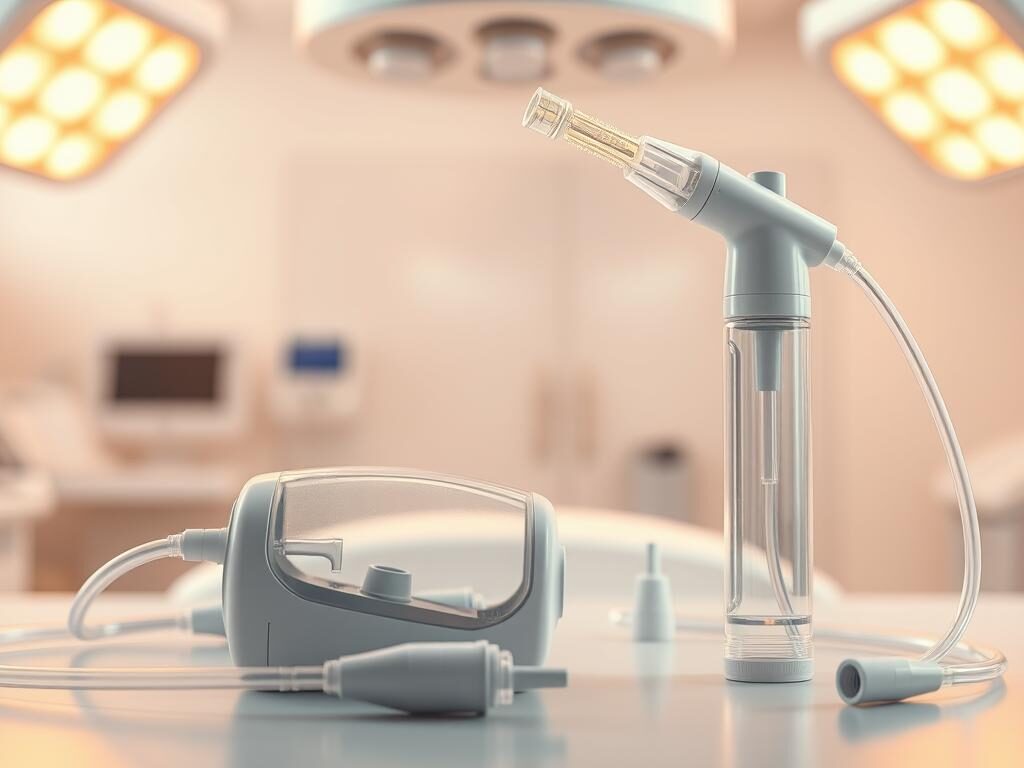
Pre-filled saline ampoules deliver consistent sterility and are easy to use. They reduce contamination risk compared with mixing fluids in the kitchen.
If a clinician directs mixing, users must follow correct concentration, use clean containers, and discard any unused solution per safety guidance.
Irrigation syringes with splash shields provide controlled pressure to dislodge debris while limiting aerosolization and mess.
Choose a device sized for hand strength so the user can maintain steady flow without fatigue. Label single-patient devices and follow disposal or cleaning instructions.
Healthcare teams may specify cleansing frequency for high-exudate or biofilm risk. Choose medical supplies and devices that match the user’s dexterity and follow clinician instructions.
For coordinated product selection and practical training, consider hiring Dominion Mobile Wound Care to help heal their wounds.
Simple strategies for pain relief and skin protection make dressing changes less stressful for patients and caregivers.
Topical analgesics or local anesthetics may be applied before cleansing or dressing changes when approved by healthcare providers. This reduces procedural pain and improves tolerance.
Periwound barrier films and creams protect intact skin from moisture and adhesives. They preserve skin integrity and reduce irritation for frequent users.
Track pain scores and document photos to share with healthcare teams. Check for contact dermatitis and test new products on a small area first. These practices support quality outcomes and safer product use.
For tailored guidance and practical training, consider hiring Dominion Mobile Wound Care to help heal their wounds.
Persistent moisture undermines skin integrity and slows recovery unless managed with the right products and routines.
Pair absorbent pads, briefs, and underpads with a schedule for checks and timely changes to prevent maceration. Select breathable products with clear absorbency ratings to avoid excess bulk while keeping skin dry.
Management includes using barrier creams, selecting odor-control options, and staging supplies near the bedside or bathroom for fast access. Documenting intake and output patterns helps anticipate peak moisture times.
Patients with sacral or perineal injuries benefit from frequent position changes and brief periods of airflow to vulnerable areas. For tailored selection and skilled support, consider hiring Dominion Mobile Wound Care to help heal their wounds.
Choosing the right tape or wrap matters for both stability and skin protection. Proper fixation prevents dressing migration, leakage, and friction that can impair healing.
Options include cohesive wraps, paper and cloth tapes, silicone tape, and tubular retention nets. Low-tack choices suit fragile skin and help avoid stripping during changes.
Simple tips improve performance: round tape corners to reduce lift and apply to clean, dry, lotion-free skin. Anchor strips can replace full circumferential taping when circulation is a concern.
Practical practices and the right medical supplies make securing safer and more reliable. For personalized selection and training, hire Dominion Mobile Wound Care to help heal their wounds.
Reliable measurement methods reduce ambiguity and support effective management plans. Simple tools and steady routines help clinicians and families see true trends.
Measure length, width, and depth with single-use rulers at consistent intervals. Keep the same orientation and method each time to avoid misleading changes.
Smartphone cameras and measurement apps create dated photo logs. Maintain consistent lighting and add a dated scale marker to every image.
Track pain, exudate amount, odor, and dressing wear time. Secure records and share them with healthcare teams at scheduled check-ins.
For coordinated measurement strategies and practical device selection, hire Dominion Mobile Wound Care to help heal their wounds.
Setting up a dedicated area for medical supplies improves efficiency and promotes safer practices. A clear station helps families follow routines and reduces the risk of contamination.

Key items include labeled storage bins to separate sterile items from everyday tools, a glove dispenser for quick hand protection, and a locked sharps container for needles and lancets.
For families with pets or children, use lockable bins and place the station out of reach. If using delivery, unpack shipments promptly, inspect packaging, and rotate stock so older items are used first.
Coordinate the layout with healthcare teams to match the plan and the space. For tailored setup and practical training, hire Dominion Mobile Wound Care to help heal their wounds.
Trusted brands and verified vendors bring consistent performance and predictable delivery.
Selecting quality single-use disposable products reduces infection risk, improves comfort, and supports predictable outcomes during healing.
Products should list absorbency, adhesive type, wear time, and material composition. Clear specs let families match features to the plan and skin needs.
Tip: Leverage product guides and clinician input when building a kit to improve adherence and reduce waste.
For coordinated selection and skilled support, hire Dominion Mobile Wound Care to help heal their wounds.
Certain delivery networks and broad in-network coverage can make a measurable difference in affordability and access for patients. Byram Healthcare, for example, serves over 260 million covered lives and often reduces co-pays and deductibles through in-network routes.
Home delivery simplifies access, cuts travel, and helps patients keep consistent stock aligned with change schedules. In-network status often lowers cost and eases billing for families managing chronic conditions.
Suppliers that coordinate with clinicians reduce administrative burden and help patients when substitutions are needed. Byram offers a Wound Care Center of Excellence (1-877-742-1972) and a WOCN-staffed CareLine (1-877-902-9726 ext.43312) for clinical guidance.
Tip: Schedule refills before stock runs low and share changes in condition with the supplier so orders match current needs.
For practical help with ordering, access, and affordability, hire Dominion Mobile Wound Care to help heal their wounds.
Finding reliable vendors and clear product information makes ordering medical items less stressful for families. Start by using published catalogs and online product guides to compare features, sizes, and performance before placing orders.
Online guides let buyers view brands, read specs, and confirm compatibility with a clinician’s plan. Byram Healthcare, founded in 1968, offers detailed wound product guides and works with doctors to match products to needs.
Preferred, in-network suppliers simplify access and billing. They often assist with insurance paperwork, speeding orders and reducing financial burden.
The difference between suppliers shows in paperwork support, speed to doorstep, and transparent availability. For expert selection and practical support, hire Dominion Mobile Wound Care to help heal their wounds.
Consistent hygiene, careful handling, and correct disposal make routine changes safer and cleaner. These steps reduce infection risk, limit odors, and protect household members and visitors.
Hand washing with soap and water or an alcohol-based sanitizer before and after each step is the single most important safety measure.
Establish a clear change frequency based on drainage level and clinician direction to balance moisture control with minimal disturbance.
Set up a clean field, open packages only when ready, and avoid touching sterile surfaces to reduce contamination risk.
Tip: Educate family members about safety boundaries around the station and keep a spare checklist nearby to reduce errors.
For hands-on training and personalized guidance, hire Dominion Mobile Wound Care to help heal their wounds.
A practical checklist groups recommended items by condition so patients and caregivers can prepare for common treatment scenarios.
Key items: gauze pads, sterile gauze rolls, small bandages, saline ampoules, and non-sting barrier wipes.
Change dressings when saturation occurs and watch for rising pain or increased drainage.
Follow discharge directions closely. Use sterile dressings, reinforcement bandages, skin-friendly tape, and abdominal pads for added protection.
Contact the surgeon for unusual redness, warmth, or separation along the incision.
Prioritize offloading devices, moisture-balancing dressings, and periwound protection. Regular repositioning and clinician-led debridement help with healing.
Combine absorbent dressings with appropriate compression wraps or stockings per clinician instructions. Elevate legs frequently to support venous return.
For tailored planning and trained support, hire Dominion Mobile Wound Care to help heal their wounds.
A focused approach to product selection, clear routines, and simple monitoring helps families keep healing on track. Choosing fit-for-purpose items and following proven steps supports safer, more comfortable recovery and improves overall quality of daily life.
Organize a clean station, keep concise records, and use practical tips to limit complications. Match supplies and products to the plan and check progress regularly to align with clinical advice.
Reliable access, in-network options, and timely exchanges with a clinician make a real difference in continuity and cost. For expert-informed planning and hands-on support, hire Dominion Mobile Wound Care to help heal their wounds.
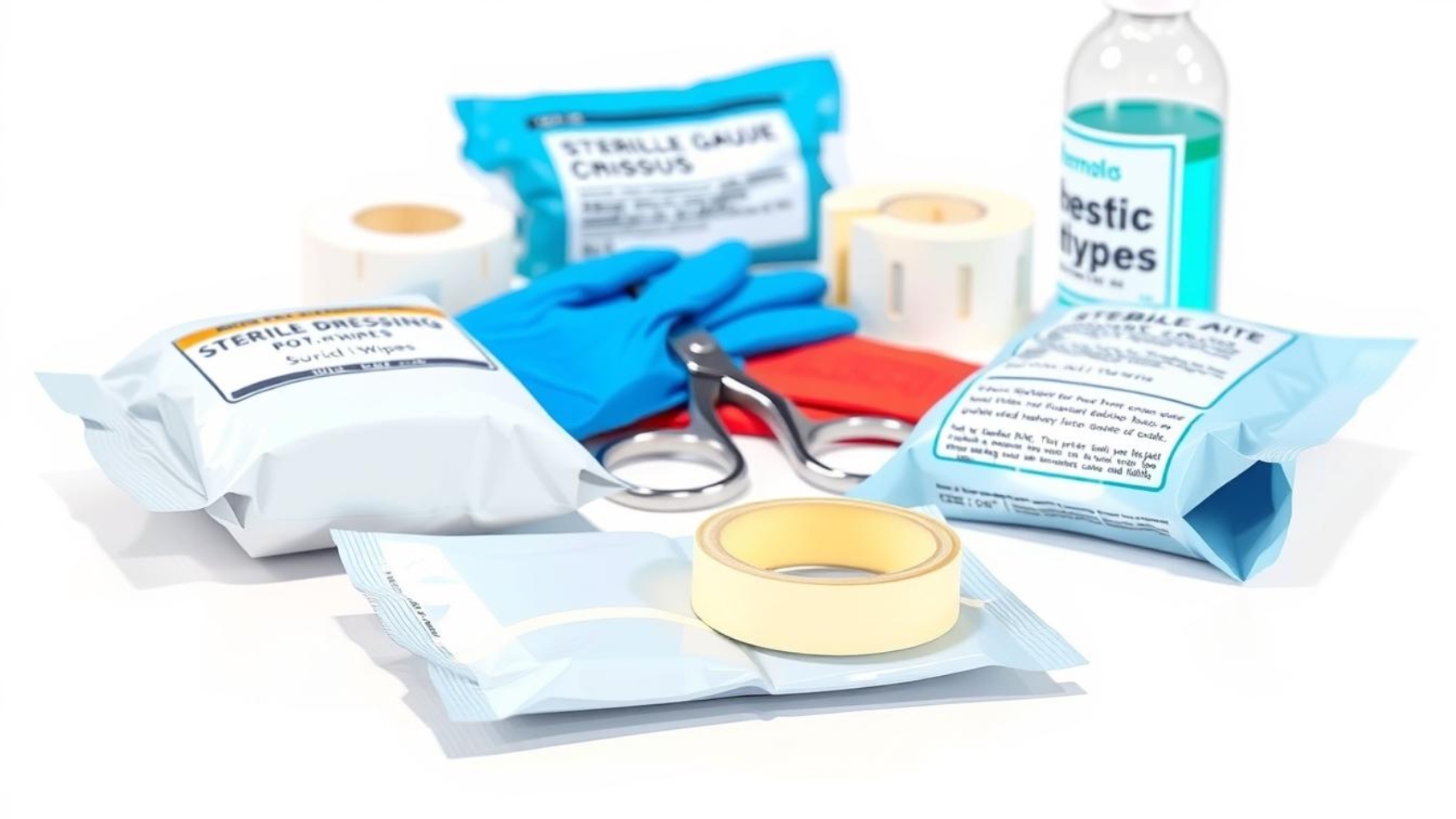
Every household should have sterile gauze pads in multiple sizes, adhesive bandages, hypoallergenic tape, saline or antiseptic solution, sterile gloves, and disposable scissors. Adding antibiotic ointment, sterile gauze rolls, and a small supply of hydrogel dressings helps with dry skin injuries. These items support safe first response and reduce infection risk until a clinician evaluates the person if needed.
Seek professional help if bleeding won’t stop after 10–15 minutes of pressure, signs of spreading redness or increasing pain develop, fever appears, or an injury exposes deep tissue, tendon, or bone. Also contact a clinician for wounds with heavy drainage, foul odor, or if the person has diabetes, peripheral arterial disease, or compromised immunity. Documentation and photos can help triage by a nurse or physician.
Keep a mix: 2×2 and 4×4 sterile gauze pads for small to moderate wounds, gauze rolls for securing dressings, and non-adherent contact pads for fragile skin. Choose 8–12 ply for high absorbency when needed and single-use sterile packs to reduce contamination. Disposable rulers and photo logs help track healing.
Hydrogel dressings suit dry wounds that need moisture to promote healing. Hydrocolloids and foams better manage light to moderate exudate and protect against contamination. Alginates or hydrofibers are appropriate for moderate to heavy drainage. Clinicians or WOCN nurses can match dressing type to wound characteristics and exudate level.
Compression stockings, tubular sleeves, and short-stretch bandages help control edema and support venous leg ulcers when prescribed. Proper compression reduces swelling, improves circulation, and speeds recovery. Use only under guidance from a healthcare professional to avoid harm, especially with arterial disease.
Use pre-filled sterile saline ampoules or commercially prepared wound cleansing solutions for irrigation. If using syringes, apply gentle pressure with a 35 mL syringe and an appropriate-tip catheter to remove debris without damaging tissue. Avoid harsh antiseptics on open tissue unless instructed by a clinician.
Topical analgesics approved for wound use, silicone-based adhesive dressings, and periwound barrier films or creams protect fragile skin and reduce pain during dressing changes. Non-adherent contact layers minimize trauma on removal. Discuss systemic pain control with a prescriber if needed.
High-absorbency underpads, briefs, and disposable liners reduce maceration and protect healing tissue. Skin-protective barrier creams and frequent changing schedules are essential. Using breathable products and ensuring regular hygiene lowers infection risk and improves outcomes.
A clean station with storage bins, glove dispensers, antiseptic wipes, sharps containers, and disposal bags promotes hygiene. Keep disposable rulers, symptom trackers, and a photo log to monitor progress. Single-use kits reduce cross-contamination and simplify home management.
Look for established manufacturers such as 3M, Smith & Nephew, Convatec, Cardinal Health, and Coloplast for proven performance. Check product sterility, absorbency ratings, and regulatory approvals. Work with a clinician or WOCN nurse to match products to the care plan and consider preferred suppliers that accept insurance.
Many suppliers offer home delivery, in-network coverage, and ordering support through medical equipment companies, pharmacies, and online medical catalogs. Verify insurance benefits, use supplier verification services, and ask about patient assistance programs. A clinician or wound specialist can supply prescription details that ease coverage and shipping.
Place soiled dressings in sealed bags; dispose with regular waste if not biohazardous and local rules allow. Use an FDA-cleared sharps container for needles and lancets, and follow community or pharmacy take-back programs for final disposal. Maintain hand hygiene and avoid touching contaminated surfaces.
Disposable measuring rulers, standardized photo logs, and symptom trackers enable consistent monitoring. Record size, depth, drainage, odor, pain, and surrounding skin condition at each change. Digital photos with date stamps support remote clinician review and insurance documentation.
For diabetic foot ulcers, include sterile dressings, offloading devices, antimicrobial options when prescribed, and glucose control supplies. For pressure injuries, add foam dressings, pressure redistribution cushions, and frequent repositioning aids. Consult a clinician to tailor the kit to the diagnosis and risks.