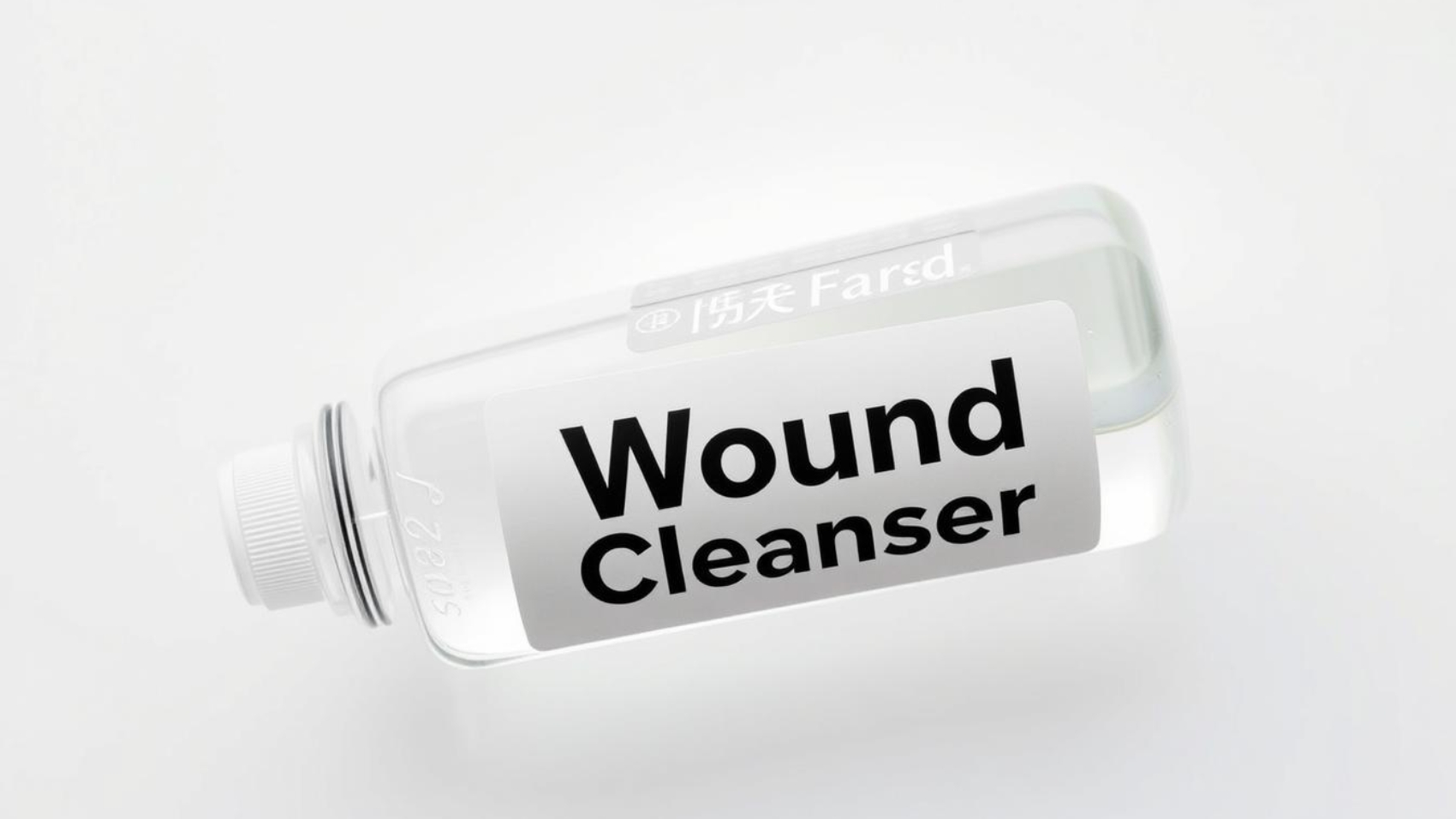
Wound care supplies

Essential At-Home Wound Care Supplies Every Patient Should Have

Having the right wound care supplies at home is key for managing minor injuries. It helps prevent infections. Vitality Medical says a good first aid kit is a must-have for every home.

Make sure you’re ready for any minor accidents by having the essentials. A well-stocked first aid kit helps clean and dress wounds well. This reduces the chance of complications. With the right wound cleanser and other supplies, you can care for yourself and your loved ones best.

Key Takeaways

  • Having a good first aid kit is vital for minor injuries.
  • Essential wound care supplies prevent infections and aid healing.
  • Having the right supplies makes a big difference in wound care.
  • Dominion Mobile Wound Care offers expert services for wound care.
  • Proper wound care lowers the risk of complications and boosts well-being.

If you need professional wound care, contact Dominion Mobile Wound Care. They can help heal your wounds.

The Rising Need for Home-Based Wound Management

Managing wounds at home is now more important than ever. This is because of the growing focus on home healthcare. As a result, there’s a big push for home wound care and the tools needed for it.

Recent Trends in Home Healthcare

The healthcare world is moving towards more care at home. This change is thanks to new medical technology and the wish for comfort care. Dominion Mobile Wound Care leads this change, providing special wound management services.

Statistics on Home Wound Care in the United States

Millions of Americans get treated for wounds every year, with a lot of care happening at home. Advanced Wound Therapy says many try to handle serious wounds with basic bandages and creams. But, this isn’t enough for effective wound management.

As the need for medical dressings and other supplies grows, it’s key to know the best ways for home-based wound care.

Understanding Different Types of Wounds and Their Care Requirements

Different wounds need different care. Knowing what you’re dealing with is key. With the right knowledge, treating wounds at home can be effective.

Latest Classification of Acute vs. Chronic Wounds

Wounds are divided into two types: acute and chronic. Acute wounds come from injuries or surgery and heal quickly. Chronic wounds don’t heal fast and might be due to health issues like diabetes.

Knowing this helps you choose the right care.

Common Wounds Americans Treat at Home

Many people treat minor wounds at home. This includes cuts, scrapes, and burns. Using the right wound care supplies is important.

Products like gloves and antiseptic solutions help prevent infection. Companies like Dominion Mobile Wound Care offer advanced products, including amniotic tissue for complex wounds.

New Guidelines for When to Seek Professional Help

While many wounds can be treated at home, some need a doctor. Look for signs of infection like redness, swelling, or pus. If you see these, get medical help.

If you have a chronic wound or health issues, see a doctor. They can give you personalized care and help avoid problems.

Recent Developments in Wound Healing Science

Recent breakthroughs in wound healing science have changed how we care for wounds at home. Advanced Wound Therapy focuses on treating the wound and its cause. This is key for managing wounds well.

New Research on the Wound Healing Process

New studies have shown the importance of a clean, moist environment for healing. Using the right wound cleanser is essential. Dominion Mobile Wound Care suggests gentle yet effective cleansers for healing.

Updated Indicators of Proper Healing vs. Infection

It’s important to know the signs of healing versus infection. Healing signs include less swelling and redness. Infection signs are more pain and pus. Watching for these signs helps you act fast.

How Modern Understanding Affects Home Care Approaches

With new research, we can use better home care methods. Using medical dressings that keep the wound moist helps a lot. The table below shows the differences between old and new wound care.

Aspect Traditional Approach Modern Approach
Wound Cleansing Harsh antiseptics Gentle, effective cleansers
Dressings Dry gauze Moisture-retentive dressings
Healing Environment Less emphasis on moisture Maintaining a moist environment

wound healing process

By using modern methods and understanding new wound healing science, you can improve your care. Dominion Mobile Wound Care is here to give you the latest insights and products for better wound management.

Advanced Wound Cleansers Now Available for Home Use

Now, you can use advanced wound cleansers at home. These products help wounds heal faster and lower the chance of infection. They work well for many types of wounds.

New Formulations of Saline and Antiseptic Solutions

New versions of saline and antiseptic solutions are better and gentler. Vitality Medical suggests using antiseptic wipes or solutions to clean wounds. These are key for keeping wounds clean and helping them heal.

  • Saline solutions clean wounds without irritating them.
  • Antiseptic solutions fight off microbes, preventing infection.

FDA-Approved Specialized Cleansers for Different Wound Types

The FDA has approved special cleansers for various wounds. These are made to meet specific needs, helping wounds heal better. Dominion Mobile Wound Care says using the right cleanser is vital for the best healing.

Recent Studies on Effectiveness of Home Cleansers

Studies show using advanced cleansers at home can greatly improve healing. They prove that saline and antiseptic solutions are effective in preventing infections. This creates a good environment for wounds to heal.

Choosing the right cleanser and following good wound care can help manage wounds at home. Always talk to a healthcare professional for advice on wound care.

Essential Wound Care Supplies Every Home Should Have in 2023

Having the right wound care supplies at home can help you and your family. A good first aid kit is key for treating small injuries and stopping infections.

Updated Basic First Aid Components

A basic first aid kit should have sterile dressings, antiseptic wipes, and adhesive tape. Tides Medical says these are must-haves for wound care. Don’t forget to include medical gloves to avoid spreading germs.

Having these basics ready is the first step in being ready for small accidents. Always check the expiration dates and replace any old or used items.

Newly Released Advanced Wound Care Products

In 2023, there are new advanced wound care products for home use. These include new antiseptic solutions and specialized dressings for different wounds. Dominion Mobile Wound Care advises keeping up with the latest products for better healing.

Some advanced items are hydrocolloid dressings and foam dressings. They help wounds heal by keeping them moist. Adding these to your first aid kit can greatly improve wound care.

Expert Recommendations for Supply Organization

Keeping your wound care supplies organized is important. Experts recommend using a dedicated first aid kit or storage box that’s easy to reach.

Label your supplies and store them in a cool, dry place to keep them effective. Also, regularly check and update your supplies to stay prepared.

Protective Equipment: Latest Innovations in Gloves and Barriers

Protective equipment in wound care has seen big changes, mainly in gloves and barriers for home use. Keeping a clean environment is key to avoid infections. Dominion Mobile Wound Care points out how important protective gear is for both patients and caregivers.

New Materials in Medical-Grade Gloves for Home Use

New gloves are made from materials that offer better protection and comfort. Vitality Medical talks about how gloves stop infections. These new materials are stronger and less likely to cause allergies, perfect for use at home.

Recent CDC Guidelines for Preventing Cross-Contamination

The Centers for Disease Control and Prevention (CDC) updates its guidelines often. The latest say using personal protective equipment (PPE), like gloves, is key when dealing with wound care. Following these rules can greatly lower the chance of spreading infections.

Environmentally Friendly Disposal Options for Used Supplies

We’re all getting more eco-friendly, and so is disposing of medical supplies. Now, there are green ways to throw away used gloves and barriers, like biohazard bags. You can look into these options to make sure you’re getting rid of used supplies the right way.

Medical Dressings: Breakthrough Products and Applications

When you take care of wounds at home, knowing about new medical dressings is key. These dressings help manage drainage, promote healing, and lower infection risk. With so many choices, picking the right one can be tough. But knowing the types and their uses can really help.

Recently Introduced Gauze and Non-Adherent Options

The market now has many gauze and non-adherent dressings for different wounds. Non-adherent dressings, for example, are made to cause less damage when removed. This helps wounds heal better. Companies like Dominion Mobile Wound Care lead in recommending these advanced products.

These dressings have great features:

  • They absorb better
  • They’re more comfortable for patients
  • They lower the chance of infection

Smart Dressings and Technology-Enhanced Wound Coverings

Smart dressings are a big step forward in wound care. They can check on wounds, give feedback, and release medicine when needed. They help wounds heal better and are great for long-term wounds.

Current Best Practices for Dressing Selection and Application

Picking the right dressing depends on the wound type, healing stage, and patient health. Here are some best practices in a table:

Wound Type Recommended Dressing Key Benefits
Acute Wounds Gauze or Non-adherent Dressings Promotes healing, easy to apply
Chronic Wounds Smart Dressings or Advanced Foam Dressings Manages drainage, promotes healing
Sensitive Skin Non-adherent or Silicone Dressings Minimizes skin irritation, gentle on skin

By knowing these best practices and the latest products, you can make smart choices for wound care. This ensures the best healing and recovery.

Digital Revolution in Wound Assessment and Monitoring

You can now use advanced digital tools for better wound care. Technology has changed how we assess, monitor, and treat wounds. These tools help you make more accurate assessments and improve patient care.

New Apps and Tools for Wound Documentation

New apps and digital tools have come out to improve wound documentation. They help track wound progress with precision, including measurements, images, and notes. For example, Dominion Mobile Wound Care offers on-the-spot assessments and custom solutions.

Telemedicine Advancements for Remote Wound Consultation

Telemedicine has changed how you get wound care advice. Now, you can get expert advice without leaving home. This is great for patients with mobility issues or those in remote areas.

How Technology is Changing Home Wound Care Management

Technology is making home wound care better by giving you real-time data. Digital tools for assessment and monitoring help healthcare providers make better decisions. They can adjust treatment plans as needed.

Feature Traditional Method Digital Method
Wound Measurement Manual measurement Digital measurement tools
Wound Documentation Paper-based records Digital apps and software
Consultation In-person visits Telemedicine platforms

Where to Source Quality Wound Care Supplies in Today’s Market

The need for quality wound care supplies at home has grown. Now, you can find these medical-grade products in many places. This makes it easier to get what you need for effective wound care.

Newly Available Consumer Channels for Medical-Grade Products

Many retailers now sell medical-grade wound care products directly to you. For example, Vitality Medical offers a wide range of at-home wound care essentials. This means you can find what you need without going to a physical store.

Price Comparison of Essential Supplies Across Major Retailers

Prices for wound care supplies vary a lot between retailers. Here’s a look at some key items:

  • Gauze pads: $5-$15 per pack
  • Medical tape: $3-$10 per roll
  • Antiseptic wipes: $8-$20 per pack

It’s smart to compare prices at different stores, including online ones. This way, you can find the best deals.

Insurance Coverage Updates for Wound Care Supplies

Insurance for wound care supplies has changed recently. More insurance plans now cover a variety of products, including advanced dressings and smart wound care technologies. Always check with your insurance to see what’s covered under your plan.
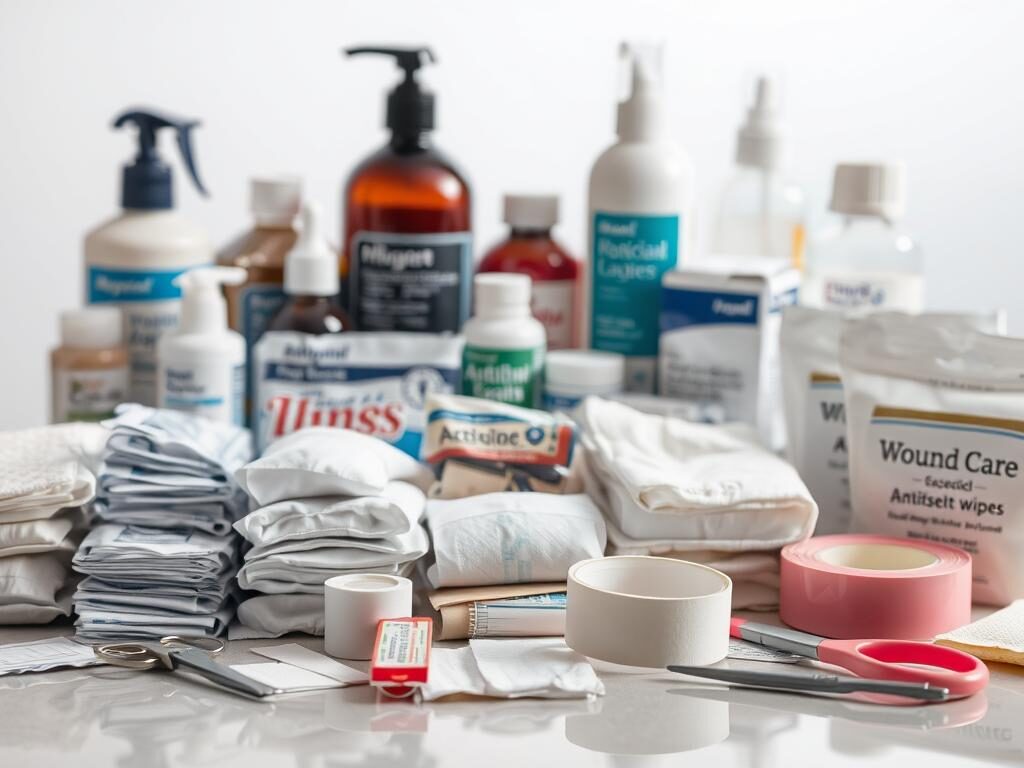
wound care supplies

Knowing your options and staying up-to-date on prices and insurance can help. This way, you can choose the best for your wound care needs with providers like Dominion Mobile Wound Care.

Special Considerations for High-Risk Patient Groups

Patients with certain health issues, like diabetes, need special wound care. This is to avoid serious problems. It’s important to know their specific needs and use the newest wound care methods.

Latest Approaches for Diabetic Wound Care

Diabetic wound care has made big strides. New advanced wound cleansers and specialized dressings are now available. Tides Medical’s amniotic tissue grafts are a cutting-edge solution for diabetic wounds. For more on long-term wound care, visit Dominion Mobile Wound Care.

New Pressure Ulcer Prevention Technologies

Preventing pressure ulcers requires the latest tech. This includes smart mattresses and advanced cushioning systems. These tools help spread out pressure, lowering the chance of ulcers in bedridden patients.

Recent Advancements in Chronic Wound Management

Chronic wound care has seen big improvements. Thanks to wound healing science and digital wound assessment tools. These tools help doctors track wounds better and change treatment plans as needed. Some key strategies include:

  • Regular monitoring of wound size and depth
  • Application of appropriate wound dressings
  • Use of negative pressure wound therapy when necessary

Keeping up with the latest in diabetic wound care, pressure ulcer prevention, and chronic wound management helps. It allows for better care of high-risk patients and better outcomes.

Conclusion: How Dominion Mobile Wound Care is Transforming Home Healing

Having the right wound care supplies at home is key for healing. Advances in science and technology make managing wounds easier. But, you need to pay close attention and have the right tools.

Dominion Mobile Wound Care leads in providing expert care at home. Their team uses the latest technology and knowledge for better healing. They make sure you get the best care in your own space.

Choosing Dominion Mobile Wound Care means your wound care is in good hands. If you need help with wound care, reach out to them. They are ready to assist in healing your wounds effectively.

FAQ

What are the essential wound care supplies that every home should have?

Every home needs basic first aid items like bandages and gauze. Also, antiseptic wipes and medical-grade gloves are important. Advanced wound care products, such as wound cleansers and dressings, are also necessary.

How often should I change my wound dressing?

The timing for changing dressings varies based on the wound type and severity. Generally, you should change them daily or when they get dirty or wet.

What are the signs of proper wound healing, and how can I identify possible complications?

Proper healing shows a smaller wound, granulation tissue, and less drainage. Look out for signs of infection like increased redness, swelling, or a bad smell.

Can I use standard drugstore supplies for serious wounds, or do I need specialized products?

For minor injuries, drugstore supplies are okay. But serious wounds need advanced products to heal right and avoid problems.

How can I prevent cross-contamination when caring for wounds at home?

Use medical-grade gloves and follow hand hygiene rules. Use separate supplies for each wound. The CDC has guidelines to help prevent cross-contamination.

What are the benefits of using smart dressings and technology-enhanced wound coverings?

Smart dressings and technology help monitor wounds in real-time. They create the best environment for healing and improve outcomes.

How can I access quality wound care supplies, and what are my options for purchasing medical-grade products?

You can find quality supplies online, at specialty stores, or through healthcare providers. Some insurance may cover certain products.

Are there any special considerations for high-risk patient groups, such as those with diabetes or pressure ulcers?

Yes, patients with diabetes or pressure ulcers need special care. This includes using specific technologies to manage their wounds.

Can telemedicine be used for remote wound consultation, and what are the benefits of this approach?

Yes, telemedicine allows for remote consultations. It helps patients get expert advice from home, reducing the need for in-person visits.

How can I organize my wound care supplies to ensure easy access and optimal care?

Store supplies in a clean, dry, and easy-to-reach spot. Organize them so you can find what you need quickly.

In-home wound care San Antonio

How In-Home Wound Care Supports Faster Healing for Patients in San Antonio

Getting medical care at home can really help you get better faster. With in-home wound care from Dominion Mobile Wound Care, you can heal in your own space. You’ll be surrounded by your loved ones and in a place you know well.

Getting treated at home is more comfortable. It’s great for people who need wound treatment. Dominion Mobile Wound Care provides top-notch care. They make sure you get the best treatment possible.

Key Takeaways

  • Recover at your own pace with in-home care.
  • Benefit from a relaxed environment at home.
  • Receive expert wound care from Dominion Mobile Wound Care.
  • Surround yourself with family during recovery.
  • Enjoy personalized care tailored to your needs.

If you need professional wound care, think about contacting Dominion Mobile Wound Care. They offer excellent service and support as you heal.

Understanding In-Home Wound Care

In-home wound care helps patients heal in their own homes. It’s great for those recovering from surgeries, injuries, or chronic conditions. This care is given by skilled professionals, like wound care nurses in SA.

What is In-Home Wound Care?

In-home wound care offers medical and non-medical services. These services are customized for each patient. This ensures they get the best care for their needs.

At home, patients get skilled nursing, wound cleaning, and pain management. They also learn about wound care and preventing future wounds. This care keeps them safe from hospital infections and stress.

Benefits of In-Home Care vs. Hospital Care

In-home care has many benefits over hospital care. It lowers the risk of infections. It also keeps patients comfortable and mentally well, which helps in recovery.

In-home care is very personal. Dominion Mobile Wound Care‘s team creates a care plan just for you. They work with patients and families to meet their unique needs.

Choosing in-home care with Dominion Mobile Wound Care means top-notch care at home. If you need wound care in San Antonio, contact Dominion Mobile Wound Care. They’ll support your healing journey.

The Role of Dominion Mobile Wound Care

Dominion Mobile Wound Care brings expert care right to your home. This ensures a safe and comfortable recovery. Their team focuses on top-notch elderly wound support in San Antonio.

About Dominion Mobile Wound Care

Dominion Mobile Wound Care is a top choice for in-home wound care. They specialize in caring for elderly patients with complex wounds. Their team provides personalized care that meets each patient’s unique needs.

Choosing Dominion Mobile Wound Care means getting a full range of wound management services. They offer advanced treatments and constant monitoring. This personalized care helps wounds heal faster and reduces complications.

Services Offered by Dominion

Dominion Mobile Wound Care offers many services to meet patient needs. These include:

  • Wound assessment and treatment planning
  • Advanced wound care techniques and therapies
  • Ongoing monitoring and adjustment of treatment plans as needed
  • Patient and family education on wound care and management

If you or a loved one needs wound care, contact Dominion Mobile Wound Care. They offer compassionate support for healing at home.

Types of Wounds Treated at Home

Dominion Mobile Wound Care treats many types of wounds at home. Their skilled nurses and therapists are ready to help. They ensure you get the best care possible.

Surgical Wounds

Surgical wounds happen during surgery. They can be complex and need careful watching to avoid infection and help them heal. Dominion Mobile Wound Care’s team is experienced in managing surgical wounds, helping you recover smoothly.

Diabetic Ulcers

Diabetic ulcers are common in people with diabetes. They can be hard to heal and need special care. Dominion Mobile Wound Care offers comprehensive treatment plans for diabetic ulcers, including wound cleaning, dressing, and managing underlying conditions.

Pressure Injuries

Pressure injuries, also known as pressure sores or bed sores, happen when skin is under too much pressure for too long. Dominion Mobile Wound Care’s team is trained to identify and treat pressure injuries. They use techniques like repositioning, wound cleaning, and applying specialized dressings.

Type of Wound Description Treatment Approach
Surgical Wounds Injuries occurring during surgery Monitoring, wound cleaning, dressing
Diabetic Ulcers Complication of diabetes Wound cleaning, dressing, managing underlying conditions
Pressure Injuries Damage from prolonged pressure on skin Repositioning, wound cleaning, specialized dressings

home wound service Texas

If you’re dealing with these wound types, think about contacting Dominion Mobile Wound Care. They offer professional and caring services right in your home.

The Healing Process at Home

Healing wounds at home needs the right environment and expert care. As a patient getting in-home wound care in San Antonio, you get help from skilled nurses. They make sure your wound heals right.

Importance of a Clean Environment

Keeping the area around the wound clean and dry is key. Also, make sure all wound care tools are sterile. Dominion Mobile Wound Care’s team stresses the need for a clean space to avoid infections and aid healing.

Regular Monitoring and Care

Regular checks and care are vital for healing. Wound care nurses from Dominion Mobile Wound Care will come to your home. They will check the wound, treat it, and adjust your care plan if needed. This keeps any problems caught early and ensures your wound heals well.

With Dominion Mobile Wound Care, you’re in safe hands. Their team is committed to helping you heal your wounds at home.

If you need professional wound care in San Antonio, contact Dominion Mobile Wound Care. They’ll support your healing journey.

Personalized Treatment Plans

Dominion Mobile Wound Care creates personalized treatment plans for you. This ensures you get the best care for your wounds. It makes your healing process better by focusing on your specific needs.

Tailoring Care to Your Needs

Every wound is different, needing a care plan that fits just right. Dominion Mobile Wound Care works with you and your caregivers. They make a plan that matches your condition, lifestyle, and goals. This way, you get the top care for you.

Care Aspect Standard Care Personalized Care
Treatment Frequency Fixed schedule Adjusted based on patient needs
Wound Assessment Routine evaluation Comprehensive and continuous monitoring
Caregiver Involvement Limited interaction Active engagement and education

Importance of Communication with Caregivers

Good communication is key. It’s between you, your caregivers, and Dominion Mobile Wound Care. This way, any worries or changes in your health are quickly talked about. Your treatment plan can then be adjusted as needed.

Working together helps you get the best results in healing your wound.

Need professional wound care? Contact Dominion Mobile Wound Care. They offer a personalized plan to help you heal and stay well.

Expert Care for Complex Cases

When you have complex wounds, getting expert care is key for healing. These wounds are hard to manage and can get worse without the right treatment.

in-home wound care San Antonio

Complex wounds need special care. If you or a loved one has a wound that’s not healing, it’s time to get help.

When to Seek Specialized Help

Look for specialized help if you see these signs:

  • Increased pain or swelling around the wound
  • Delayed healing or no improvement in the wound
  • Signs of infection, such as redness, warmth, or pus
Signs of Complex Wounds Actions to Take
Increased pain or swelling Consult a healthcare professional immediately
Delayed healing Seek specialized wound care
Signs of infection Get emergency medical attention if severe

Expertise of Dominion Mobile Wound Care

Dominion Mobile Wound Care has a team ready to handle complex wounds. They offer personalized care to meet your needs, aiming for the best results.

In San Antonio, if you have a complex wound, think about Dominion Mobile Wound Care for in-home wound care. Their team is committed to helping you heal quickly and well.

Don’t let complex wounds stop you. Contact Dominion Mobile Wound Care today for a consultation. Start your healing journey now.

Technology in Wound Care

Technology has changed wound care in San Antonio for the better. Dominion Mobile Wound Care uses the latest tech to help wounds heal faster. This leads to better results for patients.

Advanced Healing Techniques

Dominion Mobile Wound Care uses new methods to heal wounds. These include negative pressure wound therapy and enzymatic debridement. These methods help wounds heal better.

Negative pressure therapy uses a vacuum to help wounds heal. It boosts blood flow and cuts down on fluid. Enzymatic debridement breaks down dead tissue, making room for new tissue to grow.

Technique Description Benefits
Negative Pressure Wound Therapy Uses a vacuum dressing to enhance healing Promotes blood flow, reduces fluid
Enzymatic Debridement Breaks down dead tissue using enzymes Allows for healthier tissue growth

Use of Telehealth Services

Dominion Mobile Wound Care also uses telehealth. This lets patients talk to specialists without leaving home. It cuts down on hospital visits.

This makes care easier for patients. It also means any problems can be fixed quickly. Dominion Mobile Wound Care offers both in-person and remote care.

Having trouble with a wound? Dominion Mobile Wound Care can help. Their team is ready to assist you in getting the best care.

Patient and Family Involvement

Dominion Mobile Wound Care believes in the power of patient and family involvement. By working together, the care team can offer more support. This leads to better healing outcomes.

Educating Family Members

Education is a key part of patient and family involvement. Dominion Mobile Wound Care teaches family members how to care for their loved ones. They learn about wound care, recognizing complications, and keeping a clean environment.

Topic Description Benefits
Wound Care Basics Understanding how to clean, dress, and manage wounds Promotes healing, reduces infection risk
Recognizing Complications Identifying signs of infection or other issues Early intervention, prevents serious complications
Safe Environment Maintaining a clean and safe home environment Reduces risk of falls, infections, and other hazards

Encouraging Emotional Support

Emotional support is vital for patients, but even more so for the elderly. Dominion Mobile Wound Care encourages family members to offer emotional support. Simple actions like being present and listening can greatly help.

If you or a loved one needs wound care, consider Dominion Mobile Wound Care. Their team provides personalized, compassionate care to support your healing.

Insurance and Payment Options

Dominion Mobile Wound Care makes it easy to understand your insurance and payment options. You should get quality care without worrying about money.

Understanding Coverage for In-Home Care

Insurance can be hard to understand, but Dominion Mobile Wound Care is here to help. Our team will work with you to know your insurance coverage. This way, you can get the care you need without worrying about money.

Insurance Coverage Details:

Insurance Provider Coverage Out-of-Pocket Costs
Medicare Typically covers wound care services Varies by plan
Medicaid Covers wound care services, eligibility varies Minimal to none
Private Insurance Covers wound care, specifics vary by plan Copays and deductibles apply

Affordable Care Solutions with Dominion

At Dominion Mobile Wound Care, we believe everyone should have access to quality wound care. That’s why we offer affordable care solutions. Our team will help you find the best payment options, so you can focus on healing without stress.

If you’re in San Antonio and need reliable in-home wound care, Dominion Mobile Wound Care is here for you. Our dedicated team will support you through every step of your recovery. We’ll help you understand your insurance and provide compassionate care. Contact us today to learn more about our services and how we can help you heal at home.

Why Choose Dominion Mobile Wound Care?

Dominion Mobile Wound Care is a top choice for in-home wound care in San Antonio. Their team of skilled nurses and therapists is ready to help you heal at home. They are dedicated to your recovery.

Expertise You Can Trust

Their nurses are experts in giving personalized care, including support for the elderly. They make sure you get the best treatment in your own home. You can count on them for quality care.

If you or a loved one needs wound care, think about Dominion Mobile Wound Care. They offer both expertise and caring service. They are perfect for those in San Antonio looking for top-notch wound care nurses.

FAQ

What is in-home wound care, and how can it benefit me or my loved one?

In-home wound care lets patients get medical help at home. It’s great for those in San Antonio needing wound treatment. It lets them heal at their own pace, with family nearby.

What types of wounds can be treated at home by Dominion Mobile Wound Care?

Dominion Mobile Wound Care can handle many wounds. This includes surgical wounds, diabetic ulcers, and pressure injuries. Their nurses and therapists are trained to tailor care for each patient.

How does Dominion Mobile Wound Care ensure that patients receive personalized care?

Dominion Mobile Wound Care makes care plans just for each patient. They work with patients and caregivers to make sure the plan works. They also address any concerns quickly.

What role does technology play in wound care, and how is it used by Dominion Mobile Wound Care?

Technology is key in wound care, and Dominion Mobile Wound Care leads the way. They use the latest in wound management, like negative pressure therapy. They also use telehealth for timely care.

How can family members be involved in the wound care process, and why is it important?

Dominion Mobile Wound Care teaches family members how to help. They give them the skills to support the patient’s recovery. Emotional support is also vital for the patient’s well-being.

What are the benefits of choosing Dominion Mobile Wound Care for in-home wound care services in San Antonio?

Dominion Mobile Wound Care is a top choice in San Antonio. They have a team of experienced nurses and therapists. They offer personalized care, advanced techniques, and affordable solutions.

How does Dominion Mobile Wound Care handle insurance and payment options?

Dominion Mobile Wound Care helps patients understand their insurance and payment options. They make sure patients get the care they need without worrying about money. This way, they can offer high-quality care affordably.

What is the importance of a clean environment in the healing process, and how is it maintained?

A clean environment is key for wound healing. Dominion Mobile Wound Care’s team emphasizes this. They provide regular care to ensure the wound heals properly and address any issues quickly.

When should I seek specialized help for complex wound care needs?

If you have complex wound care needs, seek specialized help. Dominion Mobile Wound Care has experts for complex wounds. They provide specialized care for advanced wound management.

home wound care nurse

How a Home Wound Care Nurse Can Speed Up Recovery

Dominion Mobile Wound Care brings clinical assessment, treatment, and clear education into the familiar setting of a patient’s residence. A dedicated clinician evaluates problems, follows evidence-based protocols, and works with the doctor to limit avoidable hospital visits.

The coordinated team includes therapists, aides, and social workers who follow a tailored care plan. This approach reduces infection risk, shortens healing timelines, and supports a loved one through daily needs like nutrition and mobility coaching.

Standardized assessments, digital photography, and timely documentation let the team measure progress and adjust treatment quickly. When appropriate, advanced options such as compression or negative pressure therapy are delivered safely at the residence.

Patients who qualify often find these services are covered by Medicare, Medicaid, or private plans, making expert care practical and cost-effective.

Key Takeaways

  • Dominion Mobile Wound Care offers in-residence treatment that improves comfort and adherence.
  • A coordinated team and clear care plan lower infection risk and speed healing.
  • Evidence-based dressings and therapies are used, with progress tracked digitally.
  • Nutrition, mobility, and medication review at the residence support better outcomes.
  • Many patients have coverage, so hiring Dominion Mobile Wound Care is a practical option.

What Is Home Health Wound Care?

Medical teams bring structured treatment for chronic and complex lesions into the patient’s living environment. This model delivers skilled, physician‑directed services for people who need nursing or therapy and who have difficulty leaving their residence.

Defining home-based treatment for chronic and complex wounds

Home health wound care means licensed clinicians follow a doctor’s plan of care to assess, treat, and track healing. Services may include assessment, dressing changes, debridement when appropriate, and therapy to improve mobility and positioning.

Who benefits: common risk factors and patient profiles

Patients with diabetes, venous disease, limited mobility, recent surgery, dialysis, or multiple chronic conditions often need these services. Risk factors such as poor nutrition, smoking, and circulation problems can slow wound healing and increase complications.

Types of wounds treated at home

Typical wounds managed at residence-based programs include surgical incisions, pressure injuries, diabetic and neuropathic ulcers, venous stasis and arterial ulcers, burns, trauma, and non‑healing lesions that stall after two weeks.

  • Skilled nursing visits for assessment and dressing changes
  • Therapy for mobility and positioning to prevent pressure and promote healing
  • Caregiver teaching and step‑by‑step instructions to reduce complications

Medicare, Medicaid, and many private plans often cover skilled services when criteria are met, and equipment may also be included if ordered by the doctor.

Dominion Mobile Wound Care serves as the at‑home partner for coordinated health support. Hire Dominion Mobile Wound Care to help heal their wounds.

How a Home Wound Care Nurse Speeds Up Recovery

Accurate, repeatable assessments let clinicians spot changes early and adapt treatment. At each visit, the clinician documents location, size, depth, stage, appearance, and exudate to track measurable progress and refine the wound care plan.

The team checks local blood flow, edema, and surrounding skin using standardized tools and digital photography. When thresholds are crossed, rapid communication to the physician helps avoid delays and reduce complications.

wound care

Evidence-based treatment and prevention

Evidence-based dressings are chosen for moisture balance and bioburden control. Debridement removes nonviable tissue to speed granulation. Aseptic technique and early infection recognition keep healing on track.

Advanced therapy and education

Compression supports venous return for suitable ulcers, while negative pressure wound and pressure wound therapy remove excess fluid and improve blood flow as ordered.

Patient and caregiver education covers hand hygiene, dressing steps, positioning, offloading, nutrition, and pain reporting. This teaching reduces emergency visits and prevents avoidable hospitalizations.

  • Consistent home health documentation and outcome-focused tools enable data-driven decisions.
  • A care nurse coordinates skilled nursing, wound care nurses, therapists, and social workers to address barriers in the care home setting.
  • Therapy teams reinforce mobility, safe transfers, and pressure relief schedules to protect healing and prevent new injuries.

Dominion Mobile Wound Care provides nursing leadership and education at the residence. Hire Dominion Mobile Wound Care to help heal their wounds.

Home Wound Care Nurse Services at Dominion Mobile Wound Care

Dominion Mobile Wound Care brings skilled nursing and allied services to the patient’s living setting with a focus on measurable progress and fewer hospital visits.

Skilled nursing care

Skilled nursing builds an individualized care plan, performs precise dressing changes, assesses for infection, and completes suture removal. Medication reviews identify drugs that affect wound healing and guide adjustments with the physician.

Advanced therapies

Advanced options include compression to enhance venous return and negative pressure systems that remove excess fluid and support blood flow for complex or chronic wounds.

Nutrition and therapy services

Dietitians set protein‑calorie and hydration targets to support tissue repair. Physical, occupational, and speech therapy help with mobility, transfers, offloading, and safe swallowing.

Coordination and technology

The care team collaborates with the doctor for smooth transitions from hospital to residence. Standardized assessment tools and digital photography let clinicians quantify progress and adjust the wound care plan quickly.

Choose Dominion Mobile Wound Care for coordinated home health services. Hire Dominion Mobile Wound Care to help heal their wounds.

Eligibility, Coverage, and Costs for Care at Home

Before starting services, families should confirm eligibility, coverage limits, and likely out‑of‑pocket costs.

home health eligibility

Meeting eligibility requirements

Eligibility typically requires a need for skilled nursing or therapy, a physician‑directed plan, and difficulty leaving the residence without help.

Simple rule: the doctor must order services, and the patient must be functionally or medically homebound.

Insurance insights and equipment

Medicare, Medicaid, veterans programs, and many private insurers often cover physician‑ordered skilled home health visits when clinical criteria are met.

  • Durable medical equipment that is prescribed may include items needed for health wound management; Medicare often covers up to 20% of DME costs.
  • Continuous 24‑hour in‑residence assistance is generally not covered by Medicare.
  • Nurses coordinate with insurers to match visit frequency, supplies, and equipment to the care plan to reduce complications.

Families should gather medication lists, recent hospital records, and risk factors to speed authorization and start of services.

Contact Dominion Mobile Wound Care for help confirming benefits and to Hire Dominion Mobile Wound Care to help heal their wounds.

Choosing the Right Home Wound Care Partner

A high-quality partner pairs evidence-based protocols with fast communication so small changes are flagged before they become complications.

The best providers publish transparent quality measures and maintain specialist oversight. They train nurses and care nurses in advanced products and safe techniques. Standardized tools, digital photography, and clear documentation help the team spot trends and guide wound healing.

Family involvement and 24/7 support

Family members act as vital eyes at the residence. Teaching them what changes to report and how to follow the care plan reduces risks and speeds recovery.

Look for a responsive team with direct lines to the doctor and 24/7 access for urgent questions. Confirm coordination with therapy, nutrition, and social work so the whole person is treated—not just the lesion.

  • Verify written education, supply logistics, and scheduled visits for easy adherence.
  • Compare experience with complex wounds, pressure injury management, and consistent data capture.
  • Choose a partner that uses assessment tools and data to intervene early and prevent avoidable hospitalizations.

Dominion Mobile Wound Care positions itself as a quality-first partner offering expert care, timely guidance, and coordinated team support. Hire Dominion Mobile Wound Care to help heal their wounds.

Conclusion

Integrated visits that combine assessment, treatment, and family instruction accelerate healing. A dedicated wound care nurse leads evidence‑based dressing choices, debridement when ordered, compression, and negative pressure safely in the patient’s home.

Standardized documentation and digital photography catch subtle trends so the team can act fast. This data‑driven approach reduces infections, shortens healing time, and helps avoid preventable hospital stays.

Clear instructions, family engagement, and 24/7 access for questions keep progress on track. When eligibility and coverage align, these home health services are an accessible option for many patients.

Choose Dominion Mobile Wound Care for coordinated in‑residence support and measurable results. Hire Dominion Mobile Wound Care to help heal their wounds.

FAQ

What is mobile wound treatment and who is it for?

Mobile wound treatment refers to skilled clinical services delivered at a patient’s residence for chronic and complex skin injuries. It benefits people with pressure injuries, diabetic foot ulcers, venous or arterial ulcers, surgical incisions that are slow to heal, burns, and traumatic lesions. Common risk factors include limited mobility, diabetes, peripheral artery disease, advanced age, and recent hospitalization. Healthcare teams tailor plans to each person’s medical needs and daily environment.

How does a visiting wound clinician speed recovery?

A visiting clinician completes a thorough assessment, measures the lesion regularly, and adjusts treatment based on objective progress. They apply evidence-based dressings, perform selective debridement when appropriate, and implement infection-control strategies. Therapies such as compression and negative pressure devices improve circulation and reduce edema, helping tissue regenerate faster. Ongoing monitoring reduces complications and lowers readmission risk.

Which advanced therapies might be offered during at‑residence treatment?

Advanced options include compression systems for venous insufficiency and negative pressure therapy to remove excess fluid and promote granulation. Clinicians may also use biologic dressings, enzymatic debriders, and topical antimicrobials guided by cultures. Selection depends on wound type, size, perfusion status, and overall health.

What should a patient expect during a typical visit?

The provider reviews medical history, inspects and photographs the lesion, measures dimensions and tissue type, and assesses surrounding skin and circulation. They change or apply dressings, perform debridement if needed, adjust devices like compression wraps, and document findings. Education for the patient and caregiver on positioning, offloading, and signs of infection is included.

How are nutrition and hydration addressed to support healing?

Clinicians screen for malnutrition and coordinate with registered dietitians to recommend higher-protein meals, calorie goals, and micronutrients such as vitamin C, zinc, and iron when indicated. Hydration status is monitored and urine output or lab data guide interventions. Optimizing intake accelerates tissue repair and reduces complication risk.

How does coordination with the primary physician work?

The specialist communicates findings promptly to the referring doctor, updates the physician on progress or setbacks, and obtains orders for antibiotics, imaging, or advanced treatments as needed. Care transitions from hospital to residence include medication reconciliation and a physician-directed plan of care to ensure continuity.

What insurance coverage applies to skilled domiciliary services?

Coverage varies. Medicare Part A or Medicare-certified agencies may cover skilled visits when criteria are met: need for skilled interventions, a physician-established care plan, and limited ability to leave the residence. Medicaid, VA benefits, and private plans have different rules for services and durable medical equipment like compression systems or negative pressure devices. Financial counselors can clarify authorization and out-of-pocket obligations.

Who is eligible for skilled visits at the place they live?

Eligibility generally requires a documented need for skilled clinical procedures that only licensed providers can perform, a physician’s signed plan of care, and evidence that leaving the setting is difficult due to illness or mobility limits. Case managers help determine qualification and arrange coverage approvals.

How are progress and outcomes measured?

Teams use standardized tools to track size, depth, and wound bed characteristics, often with serial digital photography. Healing milestones include reduction in surface area, improved granulation tissue, and absence of infection. Objective measures guide therapy adjustments and inform timelines for expected recovery.

What role do family members and caregivers play?

Caregivers assist with daily skin checks, dressing changes when taught, positioning, and ensuring adherence to nutritional and mobility plans. Education focuses on recognizing signs of infection, proper device use, and when to contact the clinical team. Active involvement reduces complications and speeds recovery.

How does infection get prevented and treated in out‑of‑facility settings?

Prevention includes sterile technique for dressing changes, appropriate antimicrobial dressings, timely debridement, and surveillance cultures when infection is suspected. If systemic infection occurs, clinicians coordinate antibiotics guided by cultures and local resistance patterns and involve the physician for escalation or hospitalization if necessary.

What technology supports remote monitoring and documentation?

Providers use electronic medical records, standardized assessment tools, and secure digital photography to document healing. Telehealth check‑ins enable timely symptom review and specialist consultation. These tools improve communication with the interdisciplinary team and maintain accurate treatment records.

How long does it typically take for complex skin lesions to heal?

Healing time varies with wound type, size, blood supply, nutrition, and underlying conditions such as diabetes. Superficial injuries may close in weeks, while chronic or ischemic lesions can take months and require staged interventions. Regular reassessment allows clinicians to set realistic goals and modify therapy to accelerate recovery.

What should families look for when choosing a specialty provider?

Families should evaluate clinical qualifications, evidence‑based protocols, specialist oversight by physicians such as vascular surgeons or wound care experts, documented outcomes, and 24/7 access for urgent concerns. Clear communication, coordinated transitions, and use of advanced therapies when indicated are key quality indicators.

How are mobility and positioning addressed to prevent pressure‑related injuries?

Therapists assess mobility and recommend pressure‑redistribution mattresses, cushions, and repositioning schedules. Physical and occupational therapy improve strength, transfers, and safe positioning. Reducing prolonged pressure promotes tissue perfusion and prevents new lesions.