Discover the benefits of negative pressure therapy for wound healing. Learn how Dominion Mobile Wound Care can help heal your wounds.
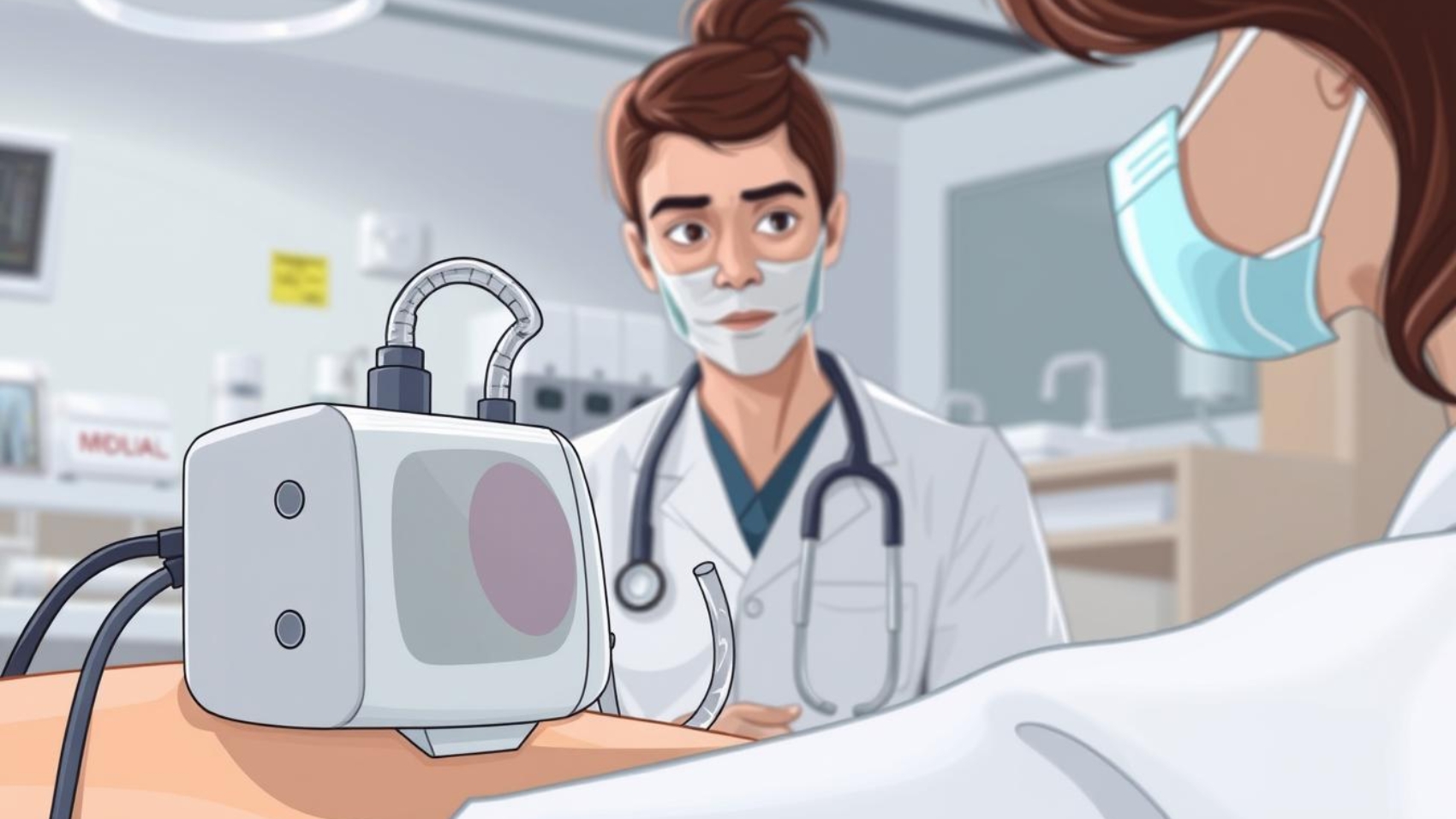


Promoting Healthy Skin
Discover the benefits of negative pressure therapy for wound healing. Learn how Dominion Mobile Wound Care can help heal your wounds.

Dominion Mobile Wound Care brings expert clinicians to your home so you can follow a safe, consistent plan without travel barriers.
Managing a chronic wound at home helps keep routines steady and reduces missed treatments. When dressings, offloading, nutrition, and pressure redistribution happen every day, the healing process can move forward instead of stalling.
You will learn how a chronic condition differs from an acute injury and why early, structured care lowers the risk of infection or hospital visits. Consistent attention protects fragile tissue and supports repair over the long term.
Home-based treatment also eases mobility limits and cuts transportation obstacles. That continuity with the same clinician often improves wound healing and can reduce downstream cost and concern.
Home follow-up matters because steady, daily attention keeps stalled healing moving toward repair. When the normal phases of repair stop—usually beyond three months—you get a chronic wound that needs focused monitoring to avoid infection and tissue loss.
What makes a wound chronic
A chronic wound often stalls in prolonged inflammation. Reduced blood flow, low oxygen delivery, uncontrolled glucose, and persistent biofilm are common factors. You should watch for increasing pain, swelling, drainage, or skin color changes; these signs can mean infection or worsening damage.
Delayed healing raises the risk of hospitalization and, in diabetic ulcers, amputation. Medicare estimates billions in related costs, and diabetic ulcers drive high mortality rates. Early debridement, proper dressings, and regular at-home follow-up cut bacterial burden and support granulation tissue.
Small, repeatable steps you do each day speed the healing process and reduce infection risk.

Tissue debridement, Infection control, Moisture balance, and Edge management guide daily actions.
Schedule selective debridement with your clinician—weekly sessions are linked to faster healing and less biofilm. Dominion Mobile Wound Care can perform debridement and set a follow-up plan you can trust.
Match the dressing to how the wound looks. Use absorbent options for heavy drainage and hydrogels for dry ulcers. Consider antimicrobial dressings when infection risk is present.
Keep a simple schedule: timed dressing changes, offloading or pressure relief, leg elevation when needed, and gentle range-of-motion to support blood flow.
Nutrition and systemic factors matter. Aim for enough protein, vitamins A and C, zinc if advised, and steady hydration to support blood delivery to the tissue. Stop smoking and control glucose to reduce further damage.
Keep it simple: Dominion Mobile Wound Care can provide in-home education, arrange dressings, and leave labeled supplies and checklists so you follow a repeatable, safe routine between visits.
Targeted techniques for common ulcers let you focus on what truly improves blood flow and tissue repair. Use these condition-based steps to guide home therapy and know when to ask for help.
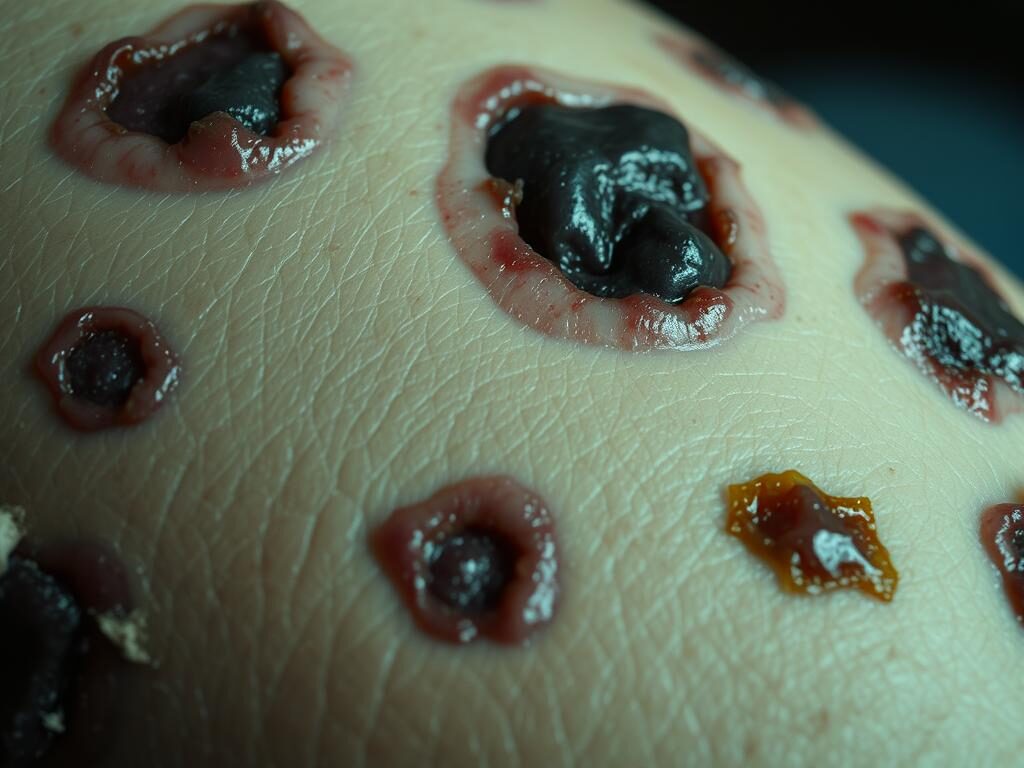
Offload plantar ulcers with a nonremovable total contact cast when appropriate; removing pressure from hotspots is the most effective method to drive healing.
Have regular sharp debridement for callus managed by a clinician to lower focal pressure and bacterial burden.
After verifying arterial perfusion with ABI/TBI, use calibrated compression (30–40 mm Hg). Combine compression with walking to activate the calf pump and elevate legs to reduce edema.
Avoid aggressive debridement until blood flow improves. Coordinate vascular imaging and revascularization, then return to full TIME therapy. Focus on infection prevention and moisture balance first.
Reposition every 1–2 hours and use pressure-redistributing surfaces. Control moisture and avoid donut-style cushions that block flow.
If your at-home plan stalls or the skin breaks down, prompt evaluation can prevent bigger problems.
Know the specific red flags that signal infection or deterioration so you act fast. Chronic wounds and ulcers often show subtle changes before systemic illness appears.
Use NERDS to spot biofilm or critical colonization (nonhealing, exudative, red and bleeding, debris, smell) and STONEES to detect true infection (size increase, temperature rise, os to bone, new breakdown, exudate, erythema/edema, smell).
Dominion Mobile Wound Care can evaluate red flags at home, collect appropriate cultures when indicated, adjust dressings, arrange imaging or surgical referrals, and coordinate antibiotics only when clinically required.
Following hospital-grade protocols at home gives your body steady support for reliable tissue repair. A TIME-based approach, frequent debridement when indicated, correct compression for venous disease, offloading for diabetic feet, and scheduled repositioning for pressure injuries all work together to improve wound healing.
You learned condition-specific steps and the red flags that need prompt professional attention to avoid infection or tissue loss. Simple daily habits—nutrition, hydration, glucose control, and consistent dressing routines—keep the process moving between visits.
Dominion Mobile Wound Care can bring multidisciplinary support and advanced treatment into your home, help coordinate referrals, and keep your plan on track. Hire Dominion Mobile Wound Care to help heal your wounds and protect your health.
You help restore healthy tissue when you keep the injured area clean, control moisture, and protect it from pressure or repeated trauma. Regular dressing changes, monitoring for signs of infection, and maintaining good circulation through gentle movement improve oxygen and nutrient delivery, which speeds repair.
A wound becomes chronic when healing stalls due to poor blood flow, repeated pressure, uncontrolled diabetes, persistent infection, or underlying venous or arterial disease. Nerve damage and poor nutrition also slow repair, allowing bacteria to persist and tissue breakdown to continue.
Left untreated, ulcers can lead to repeated clinic visits, advanced therapies, and sometimes hospitalization or surgery. For you, this means higher medical bills, greater pain, reduced mobility, and higher risk of complications like cellulitis or amputation with diabetic foot ulcers.
TIME stands for Tissue management, Infection control, Moisture balance, and Edge advancement. At home you focus on removing dead tissue as directed by a clinician, maintaining a clean environment, using the right dressing to keep moisture balanced, and protecting wound edges so new skin can grow.
Match dressing type to your wound’s needs: absorbent foam or alginate for heavy drainage, hydrocolloid or film for low-drain wounds, and antimicrobial dressings if infection risk is high. Follow your clinician’s recommendation and change dressings on the schedule they give you.
Clean the area gently; follow prescribed dressing changes; avoid pressure on the site; stay active within limits to boost circulation; check for odor, increased pain, or new drainage; and keep appointments for professional debridement or assessments.
Very important. You need adequate protein, vitamins (A, C), zinc, and fluids to build new tissue and fight infection. If you have diabetes, keep blood sugar controlled—high glucose impairs immune response and slows recovery.
Offload pressure using prescribed orthotics, crutches, or a wheelchair when needed. Keep the area clean, manage calluses with professional care, monitor blood glucose, and see your podiatrist regularly to prevent complications.
Use compression therapy as prescribed, elevate your legs several times a day, maintain gentle exercise to improve calf pump function, and control swelling and skin moisture to reduce breakdown and support healing.
Protect the area from trauma, avoid tight dressings that restrict circulation, and seek prompt vascular evaluation. Do not use compression unless a vascular specialist approves—these ulcers need improved blood flow to heal.
Reposition at least every two hours if you’re immobile, use pressure-relieving mattresses or cushions, keep skin dry and cool to control microclimate, and inspect bony areas daily for redness or breakdown.
Worsening pain, increased redness, swelling, spreading warmth, new foul odor, rising drainage, fever, or rapid growth of the wound are red flags. If you notice any of these, contact your clinician immediately for possible antibiotics, debridement, or advanced therapies.
You should see gradual improvement within 1–4 weeks depending on wound type and health status. If you see no progress, or if the wound deepens or enlarges, seek professional care for reassessment and possible change in treatment.

Knowing when to see a wound care specialist in San Antonio is key. Early help can really help us heal faster. We’ll talk about important signs you need a specialist and why advanced care is vital. This info helps us take care of our health better.
Wound care is very important for our health. It’s key when dealing with non-healing wounds. These wounds don’t heal right because of health issues or infections.
Learning about advanced wound care can help a lot. It can make a big difference in how well we heal.
Advanced wound care uses special treatments for wounds that won’t heal. It starts with checking the wound to find out why it’s not healing. This could be because of infections, blood flow problems, or diabetes.
With these treatments, we can help the wound heal better. This also lowers the chance of serious problems.
Not taking care of wounds can cause big problems. This is true for non-healing wounds. The risks include:
It’s important to act fast to avoid these issues. Getting the right treatment is not just a choice. It’s necessary for healing. By focusing on advanced wound care, we can live healthier lives.
Knowing when to see a wound care specialist is key for our health. Non-healing wounds are not just a bother. They can mean deeper problems that need expert help. Spotting signs of wound infection is vital for quick treatment and better healing.
Non-healing wounds show warning signs we should watch for. Look out for:
These signs mean our wounds are not healing right. They need a visit to a wound care specialist.
We must watch for symptoms that mean trouble. Seeing any of these signs means we need to see a specialist right away:
Going to places like Vayu Advanced Wound Care helps. They do tests to find infections. Acting fast when we see these signs helps us heal better and avoid long-term problems.
It’s important to know about different wounds to know when to see a specialist. Both chronic and acute wounds affect our health. Knowing when to get help is key to good treatment.
Chronic wounds, like diabetic ulcers and pressure ulcers, need special care. They don’t heal right because of poor blood flow, too much pressure, or germs. Getting help early is crucial to avoid big problems.
Acute wounds, like cuts and surgical scars, can turn chronic if not treated right. Spotting healing problems early stops them from becoming chronic. Even small injuries might need special help if they don’t heal or show signs of infection.
When we visit a wound care specialist, we start a journey to heal. They focus on our unique needs. This first visit is key to helping us get better.
The first step is checking our medical history and wound. The visit might take about two hours. The specialist will ask lots of questions and do a physical check.
This helps them make a plan just for us. It’s all about our healing.
After checking us out, the specialist will suggest treatment plans. These might include things like oxygen therapy and special dressings. Each plan is made just for us.
This way, we get care that really fits our needs. It’s all about helping us heal the best way possible.

Mobile wound treatment services are very helpful. They let us get care at home. This makes us feel more comfortable and helps us heal better.
Having a professional come to us means we can talk more easily. They can change our treatment plan if needed. Mobile wound treatment is great in many ways:
Choosing home care means our needs are met well. We get top-notch care without the hassle of going to a clinic.
After treatment, we must help our body heal. We do this by following care instructions. This includes changing dressings, managing blood sugar, and not putting too much pressure on the wound.
We must follow certain care steps. This helps our wounds heal right and keeps us safe from problems. Here are some important things to remember:
Living healthy helps us heal faster. Eating well, drinking water, and moving around helps our body fix itself. Here’s how:

We must know the dangers of waiting too long to treat wounds. Treating wounds quickly is key to avoid big problems. Even small injuries can turn into serious health issues if not treated right away.
Waiting too long to treat wounds increases the chance of getting infections. Bacteria can get into open wounds and cause big problems. This might mean we need more serious treatments and healing will take longer.
It’s important to take care of wounds right away for our health.
Some people might try to treat wounds themselves to save time or avoid doctors. But, this can lead to more harm than good. We might not know how serious the wound is.
Trying to fix wounds ourselves can hide serious problems that need a doctor’s help. It’s better to get expert advice instead of using just over-the-counter treatments.
Knowing when to call a wound care specialist in San Antonio is key for healing. We must spot signs of wounds not healing and act fast. This helps a lot in our recovery.
Looking for the right wound care is important. Dominion Mobile Wound Care is a great choice. They offer expert care right in your home.
Choosing to see a wound care specialist is a big step for our health. Let’s take care of our bodies by making smart choices. With the right help, we can heal smoothly.
Advanced wound care helps wounds that won’t heal by themselves. It uses special treatments and checks each patient’s needs.
Look for signs like redness, warmth, pus, and fever. If you see these, see a wound care expert right away.
Wounds like diabetic ulcers and pressure ulcers need a specialist. So do wounds that don’t heal fast.
Your first visit will check your medical history and wound. It might take two hours. The specialist will make a treatment plan just for you.
Mobile services are great for those who can’t get to clinics easily. Getting treated at home is more comfortable.
Following care instructions is key for healing. This includes dressing changes and a healthy lifestyle.
Waiting too long can cause infections and bigger wounds. It might even lead to losing a limb. Get help quickly to avoid these problems.
Don’t treat your wound without a doctor’s advice. It can make things worse. Always talk to a wound care specialist.